


French Equestrian Art
French equestrian art brings together centuries of paintings, sculptures, and tapestries capturing horses, riders, and the hunt.
French Equestrian Art
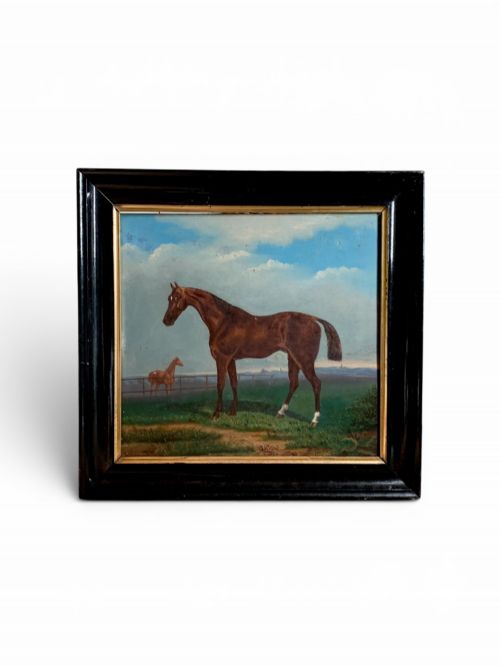
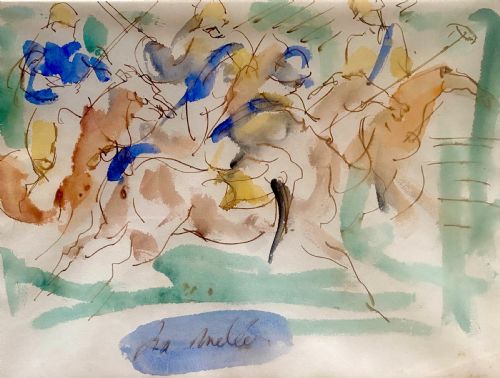
French equestrian art encompasses oil paintings, watercolours, bronze sculptures, prints, and woven tapestries centred on horses and riders. You encounter pieces ranging from delicate eighteenth-century engravings of hunting scenes to dynamic mid-century racing canvases.
The objects span multiple periods, with nineteenth-century works and early twentieth-century expressions appearing frequently alongside eighteenth-century depictions. Forms vary from small framed watercolours and charcoal drawings to large wall hangings and cast bronze groups.
Makers and artists represented include named painters, draughtsmen, and sculptors working within distinct movements such as French Baroque, Realism, Orientalism, and Expressionism. These works record sporting matches, military cavalry subjects, rural working animals, and leisurely pursuits at the races.
Materials and methods
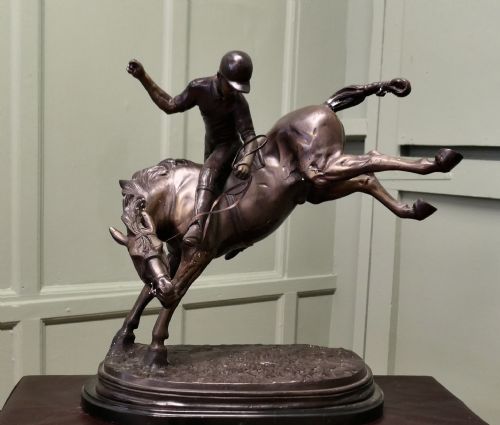
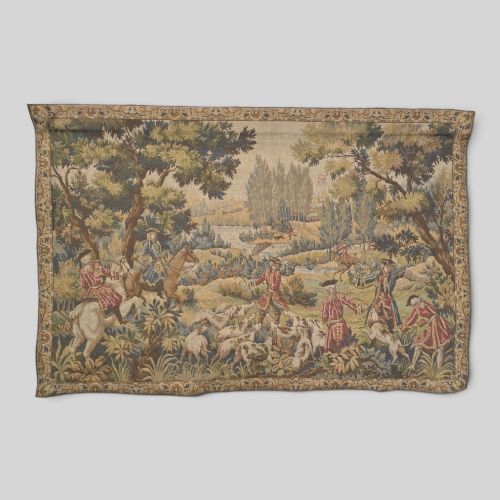
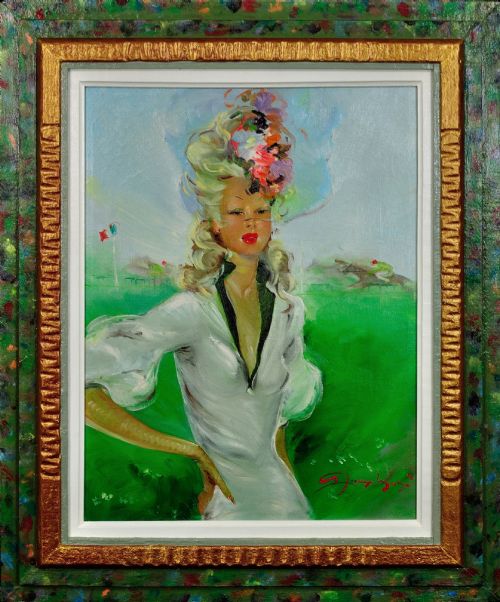
Artists deployed oil on canvas or panel, watercolour and ink on paper, and heightened charcoal to render horses and figures. Bronze casting yielded three-dimensional groups, while wool and textile techniques produced large hanging tapestries and needlepoint panels.
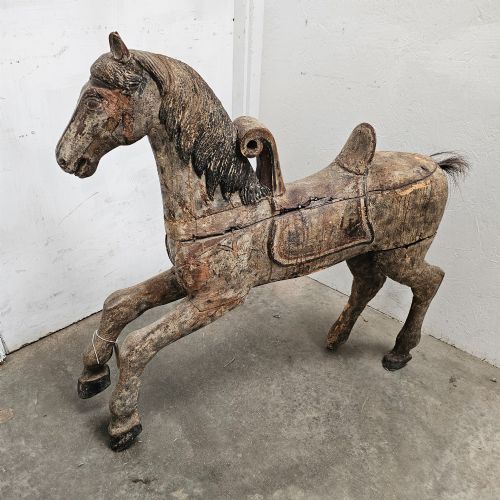
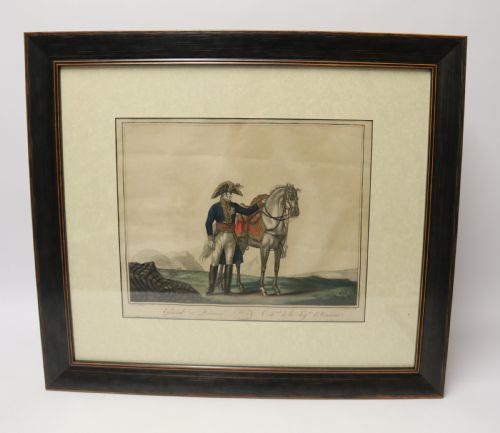
Printmakers utilised engraving and lithography, sometimes adding hand-colouring to delineate military uniforms and landscape details. Carvers shaped solid wood to create carousel figures and animal sculptures.
A carved carousel horse brings the thunder of the fairground directly into the drawing room without any need for tickets.
Assessing quality and execution
Quality rests upon the artist's command of anatomy, movement, and proportion in capturing the horse and rider. Stronger works demonstrate fluid brushwork or precise casting details that convey energy and presence, whereas weaker examples appear stiff or static.
The condition of the primary material, whether pigment adherence on canvas, clarity of line in an engraving, or the integrity of a woven textile, dictates the preservation of the piece over centuries.
Jean-Gabriel Domergue·Raimond Louis Lecourt·Gabriel Dauchot·Léon Joseph Voirin·Jean Sobieski·Victor Adam·Guillaume Urban Régamey·C de Falens·Xavier Raphanel·Albert Ferdinand Le Dru·Martin Pierre - Denis·Alexandre Pau de Saint Martin
The French Equestrian Art Glossary
- Engraving
- A printmaking technique where an artist cuts lines into a metal plate to hold ink. This method produces crisp, highly detailed lines found in historical prints.
- Lithography
- A planographic printing process based on the repulsion of oil and water on a stone or metal plate. It allows for tonal gradations often seen in nineteenth-century portfolio sets.
- Needlepoint
- A form of canvas work embroidery stitched by hand using wool or silk threads. Early examples form pictorial panels depicting rural and hunting themes.
- Orientalism
- An artistic style drawing inspiration from the cultures of the Near East and North Africa. In these listings, it appears in nineteenth-century drawings and desert scenes.
- Expressionism
- A modernist movement prioritising emotional experience over physical reality through bold brushwork and colour. Mid-century works use this approach to capture the speed of a race.
French Equestrian Art: Frequently Asked Questions
What periods do these pieces cover?
The works span from the eighteenth century through the nineteenth and twentieth centuries, reflecting changing artistic styles over time.
You will find everything from early eighteenth-century engravings to mid-century expressionist canvases.
Are these works original period pieces?
The selection includes original oils, watercolours, drawings, bronze sculptures, and vintage prints created in the eras stated.
Each piece reflects the authentic materials and techniques of its specific period of production.
How do I care for antique paper and canvas?
Works on paper and canvas require protection from direct sunlight and stable indoor humidity levels to prevent fading and degradation.
Framed pieces should be glazed with appropriate materials to shield delicate watercolours, inks, and oils from environmental damage.
What subjects appear besides racing?
Artists depicted military cavalry scenes, rural working horses, hunting parties, coaching scenes, and leisurely park gatherings.
These varied subjects document the central role of the horse in European society and military life.