
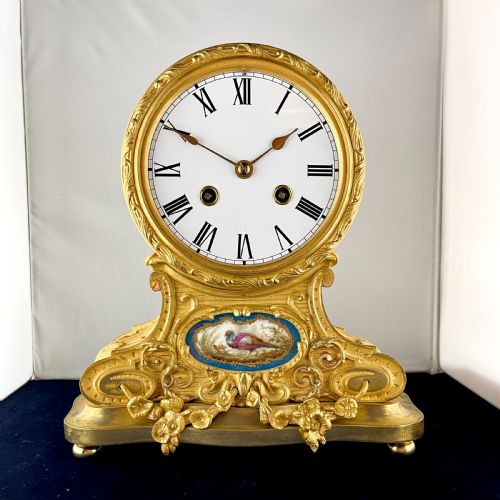


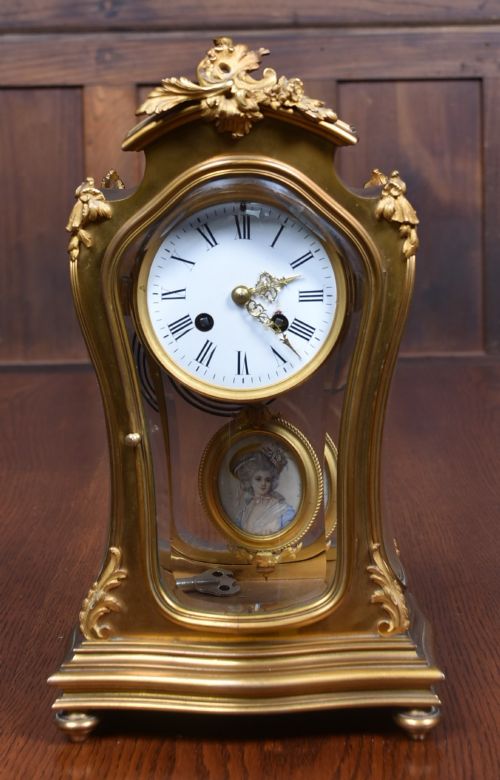


French Enamel Table Clock
When you handle a french enamel table clock, you notice the weight of the brass and the crispness of the hand-painted dial.
French Enamel Table Clock
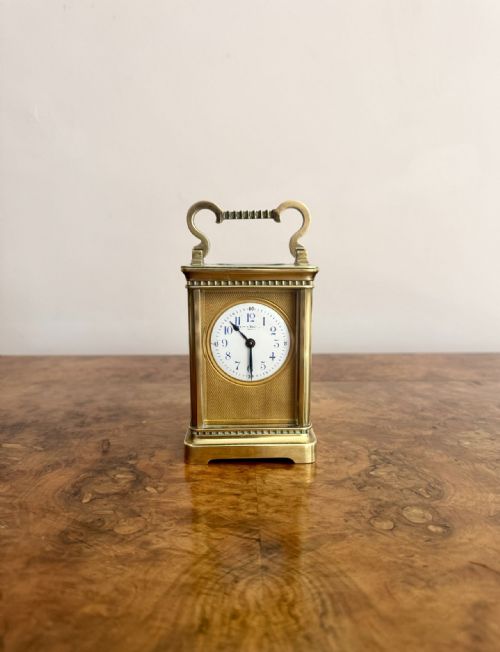
A french enamel table clock combines decorative metalwork with fired glass panels or dials, originating primarily in the nineteenth century. These objects include carriage clocks, mantel pieces, and four-glass regulators designed to sit on a desk, shelf, or table.
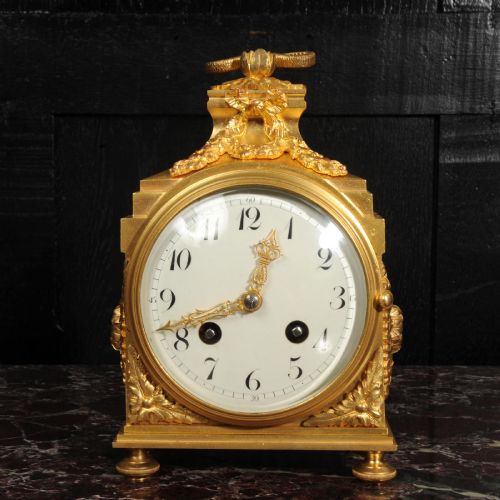
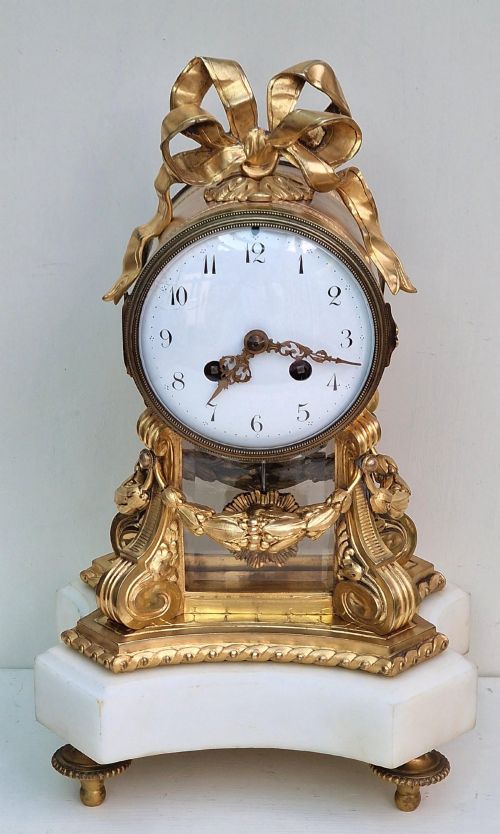
The pieces seen here span periods from the mid-nineteenth century through to the early twentieth century, incorporating styles such as French Rococo Revival, Louis XVI Revival, and Napoleon III. Buyers meet carriage clocks and ornate mantel clocks most frequently.
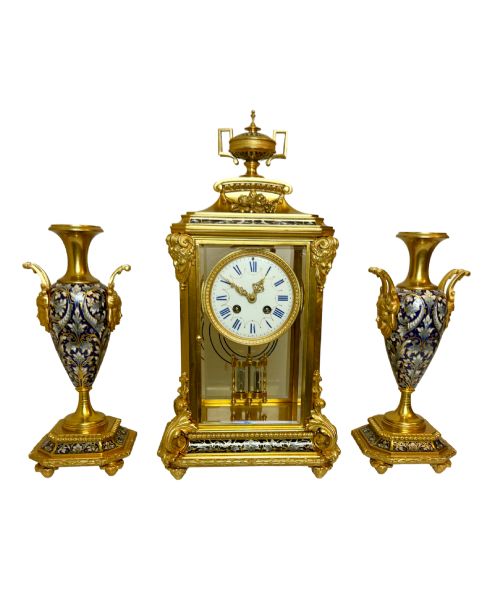
Makers such as Samuel Marti et Cie, Tiffany, and various French workshops produced these timepieces, often integrating champleve enamel, painted scenes, and gilt bronze or brass cases. The resulting items range from small bedside timepieces to large garniture sets.
Materials and Construction
Casting and fire-gilding formed the foundation of these cases, utilising brass, gilt bronze, and ormolu to build sturdy frames. Artisans then applied molten glass pastes into recessed metal channels for champleve enamel or painted miniature scenes directly onto white enamel dials.
Mechanical components involved heavy brass plates, steel arbours, and escapements, frequently featuring eight-day movements or repeat striking functions. Glass panels were bevelled and set into brass gorge cases or four-glass frames to protect the internal escapement.
Object forms span carriage clocks, four-glass mantel timepieces, drumhead clocks, and complete garniture sets.
Assessing Quality and Execution
The crispness of the chasing on the gilt bronze or ormolu separates standard items from superior works. Fine pieces display deep, hand-chiselled relief work rather than soft, mass-produced cast surfaces.
Enamelwork quality depends on the precision of the firing and the detail in the hand-painted dials or miniature panels. Signed movements and original escapements also elevate the standing of a timepiece.
Samuel Marti et Cie·Tiffany·Leon Message·Jollet et Cie·Latshea & Sons Edinburgh
The French Enamel Table Clock Glossary
- Champleve
- Enamelling technique where troughs are dug into a metal surface and filled with vitreous paste before firing. This method creates colourful geometric or floral patterns across the clock case.
- Ormolu
- Finely ground high-carat gold mercury-gilded onto a bronze or brass object. The finish provides a rich, warm lustre that resists tarnishing over decades.
- Carriage clock
- Portable spring-driven timepiece with a carrying handle, originally developed for travel. These feature brass cases with glass panels and often include striking mechanisms.
- Pendule d'Officier
- Military-style French table clock with a visible escapement and robust case. These sturdy models often include repeat striking complications.
French Enamel Table Clock: Frequently Asked Questions
How do I wind a french enamel table clock?
Use the matching key on the winding arbours found on the backplate of the movement. Turn gently until resistance indicates the mainspring is fully wound.
Avoid over-winding to protect the historical brass gearing and delicate click springs inside the movement.
What is a clock garniture set?
A clock garniture set pairs a central mantel clock with matching side ornaments, such as urns or candelabra. These matched groupings decorated nineteenth-century drawing rooms.
Materials and enamel motifs tie the central clock and the side pieces together visually.
How do I tell an 1880 clock from a 1910 clock?
Nineteenth-century models often lean heavily into Rococo Revival or ornate Victorian styles with heavy cast bronze. Pieces from around 1910 can show early Art Nouveau influences or cleaner architectural lines.
Maker stamps and serial numbers on the backplate help confirm the specific production period.
Where should I place a four-glass clock?
Four-glass clocks require a stable, level surface away from direct sunlight and dampness. Mantels, desks, and sturdy sideboards provide ideal settings to display the visible pendulum and movement.
Allow clearance for the striking train if the mechanism includes a bell or gong.