





French Empire Statue
When you search for french empire statue, you enter a world of heavy cast metal and carved stone rooted in nineteenth-century classicism.
French Empire Statue
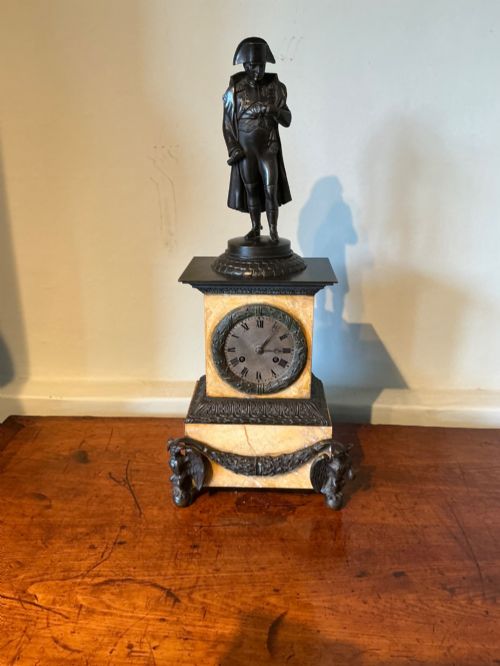
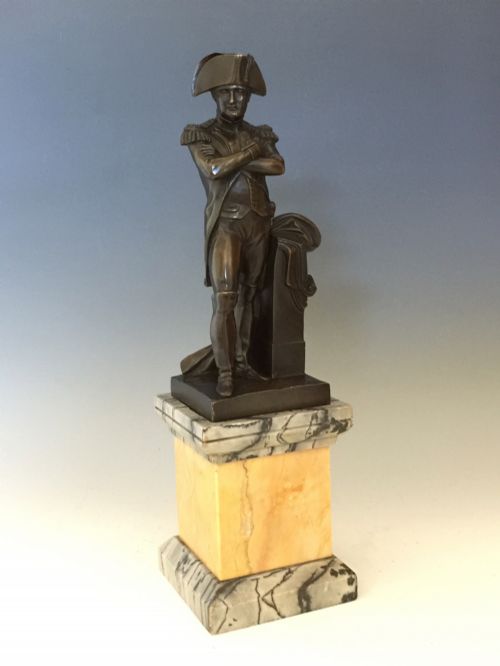
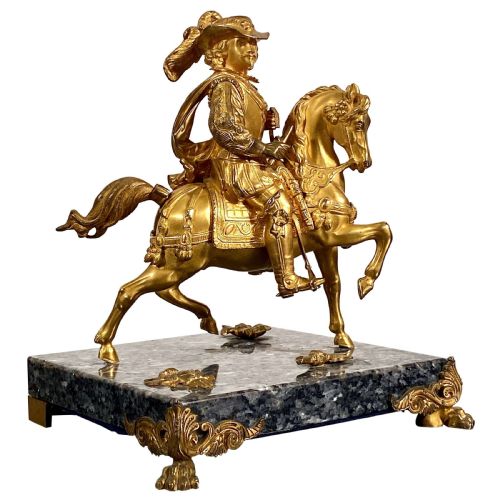
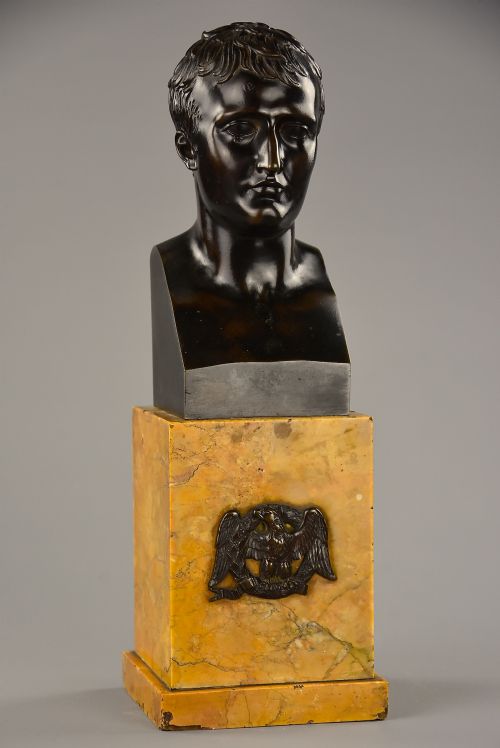
A french empire statue typically takes the form of cast bronze, marble, or ormolu figures depicting historical rulers, mythological deities, or classical allegories. You will frequently encounter representations of Napoleon, classical ladies, and equestrian subjects mounted upon heavy stone plinths.
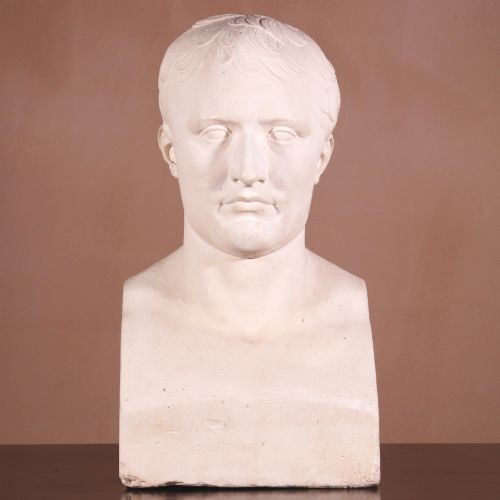
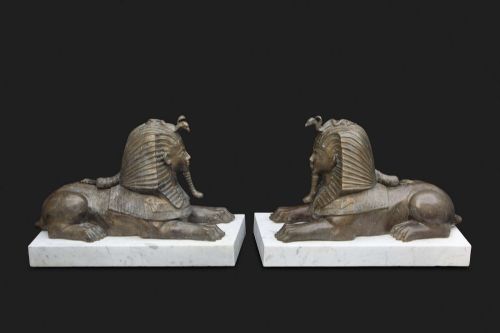
The objects spanning this category extend beyond single figurines to include monumental sphinx sculptures, figural mantel clocks, candelabras, and library busts. Most examples originate from nineteenth-century French workshops, drawing heavily on Neoclassical and Egyptian Revival aesthetics.
Materials and Construction
Foundries utilised patinated and gilt bronze, often combining dark metallic surfaces with polished ormolu highlights to create visual contrast. Sculptures were frequently cast in sections before being assembled and mounted onto white marble or Carrara bases.
Detailing was achieved through careful chasing of the cast metal, supplemented by engraved ornamentation and occasional enamel work. Artisans balanced heavy materials like brass, plaster, and carved stone to ensure stability in large portrait busts and architectural clock cases.
Napoleon appears more often than any other historical figure, riding horses, crossing Alps, and keeping watch from library desks.
Assessing Craftsmanship and Detail
Quality rests upon the crispness of the bronze casting and the precision of the hand-chasing that followed the removal from the mould. Superior pieces retain sharp facial expressions, clean drapery folds, and crisp ornamentation rather than softened, blurred edges.
The integration between the metallic sculpture and its marble plinth indicates the overall standard of manufacture. Better examples display secure, seamless mounting and high-grade gilt bronze or ormolu surfaces that have aged with a consistent patina.
Emile Guillemin·Letu and Mauger·James Pradier·Pierre Hebert·Albert Carrier Belleuse
The French Empire Statue Glossary
- Ormolu
- Gilded bronze achieved through the application of a mercury and gold amalgam to a bronze base. This technique produces a rich, durable golden surface seen on decorative mounts and clock cases.
- Patinated bronze
- Bronze treated with chemical solutions to darken or colour the metal surface. This process adds depth and definition to sculptural details.
- Grand tour
- Souvenirs and classical replicas acquired by wealthy travellers touring European cultural centres during the nineteenth century. These objects often include miniature bronze columns and mythological figures.
- Plinth
- A heavy rectangular or square base supporting a bust, statue, or clock. They are commonly fashioned from white marble or Carrara marble.
- Neoclassical
- An artistic movement drawing inspiration from the art and culture of classical antiquity. It prioritises symmetry, restraint, and historical subjects.
French Empire Statue: Frequently Asked Questions
What materials make up these statues?
The listings show sculptures primarily cast from bronze, gilt bronze, or patinated bronze. Many incorporate brass elements alongside white marble or Carrara marble bases.
Finer details occasionally include enamel work or plaster, while larger architectural pieces integrate multiple metals with carved stone plinths.
How do I identify a nineteenth-century piece?
Nineteenth-century pieces often display distinct casting methods, heavy patinated bronze surfaces, and specific stylistic revivals such as Egyptian motifs or classical drapery. Examining the mountings and the wear on the ormolu gives clear clues to age.
Signatures from known Parisian foundries or individual sculptors frequently stamped into the metal provide definitive markers of period origin.
Where were these statues originally displayed?
These figures populated grand nineteenth-century libraries, drawing rooms, and formal mantelpieces across Europe. Large bronze busts and clock sets served as centrepieces for domestic interior decoration.
Smaller desk ornaments, such as inkstands and library bronzes, occupied writing tables in elite studies and private salons.
How should I care for bronze and marble?
Bronze surfaces benefit from gentle dusting with a soft cloth to preserve the underlying patina and gilt finishes. Avoid harsh chemical cleaners that strip the metallic surface.
Marble plinths require simple wiping with a damp cloth followed by immediate drying. Keep the stone away from acidic substances and abrasive materials.