


French Decorative Vases
French decorative vases bring together centuries of metalwork, glass and ceramic craft, offering striking ornamental centrepieces for the home.
French Decorative Vases
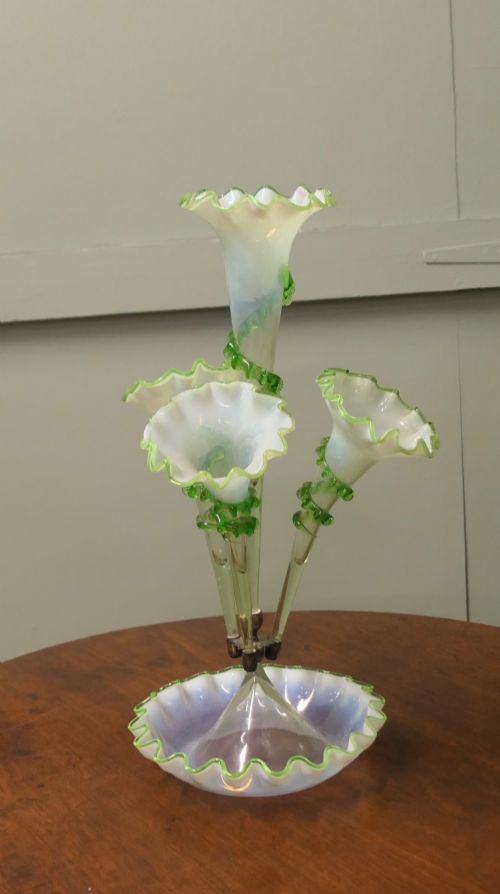
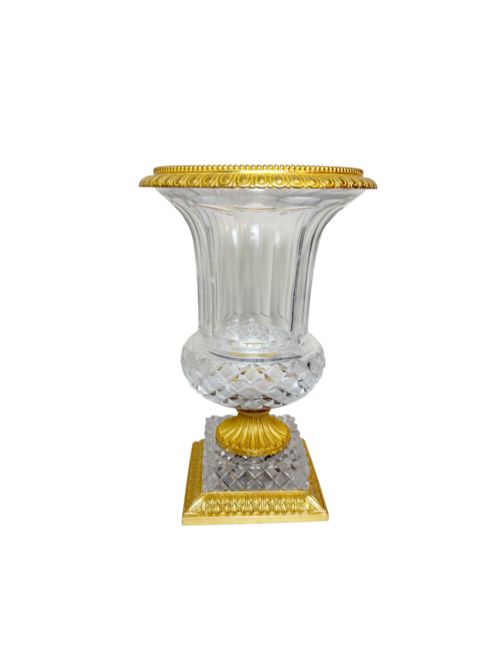
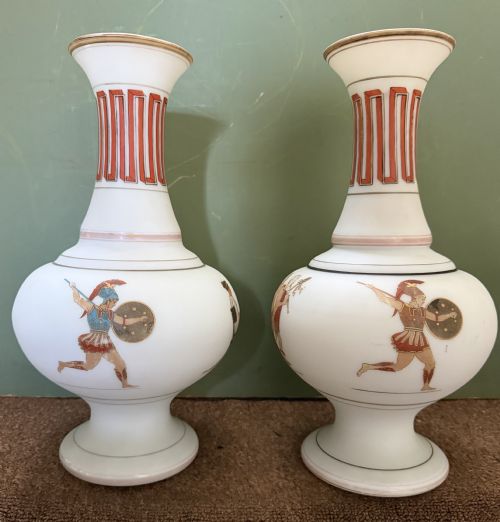
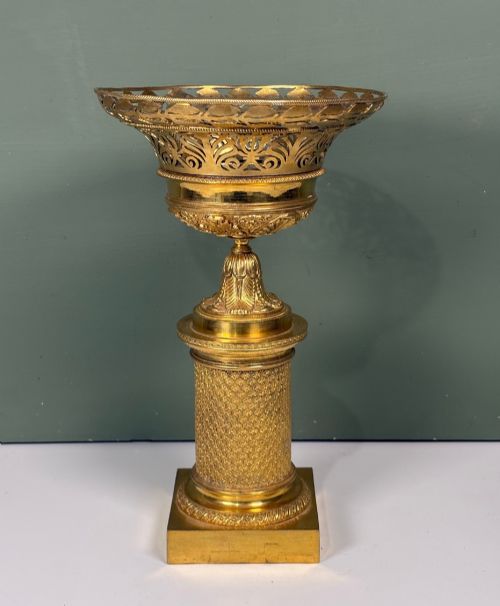
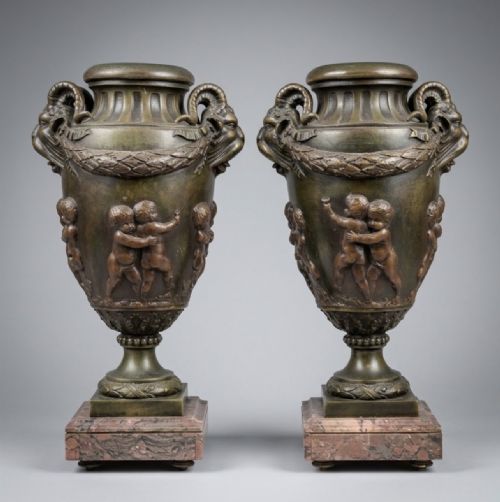
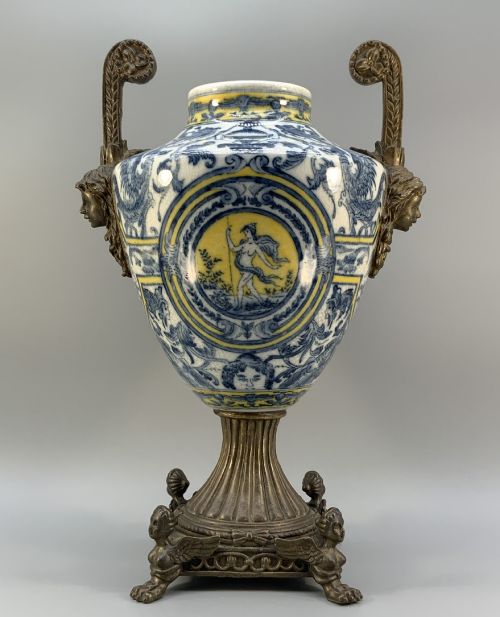
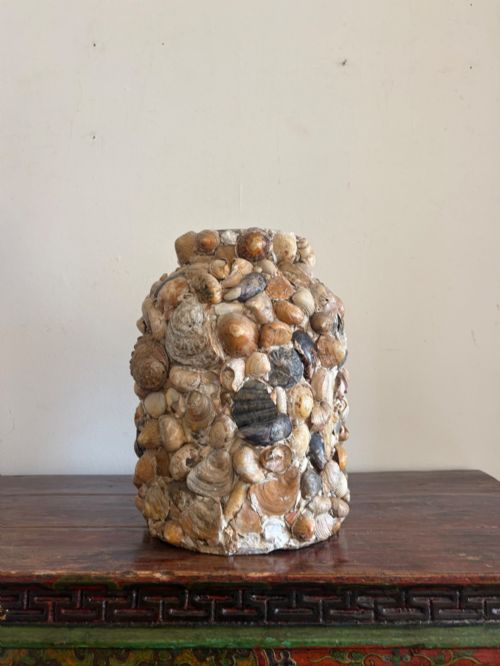
When you search for French decorative vases, you encounter a diverse array of ornamental vessels spanning the nineteenth and early twentieth centuries. These objects range from heavy bronze and ormolu urns to delicate cameo glass and glazed ceramic vessels.
The selections on this page encompass traditional forms such as ewers, jardinieres and campana urns alongside organic Art Nouveau and geometric Art Deco shapes. Nineteenth-century examples often lean towards Renaissance Revival and Neoclassical tastes, while later decades favour acid-etched and cameo glass techniques.
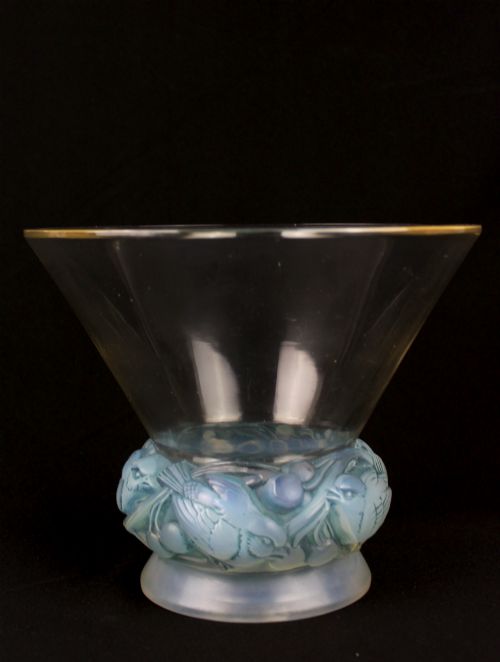
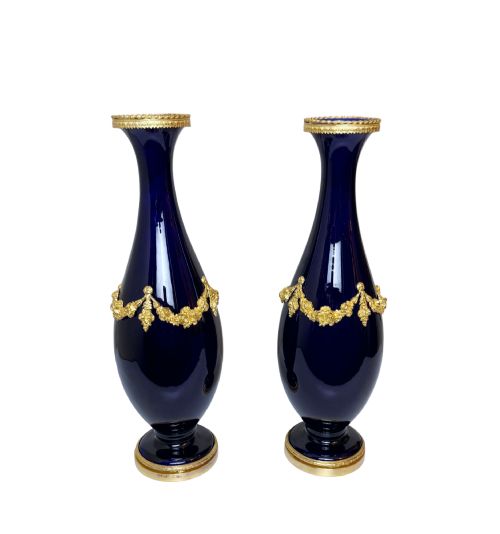
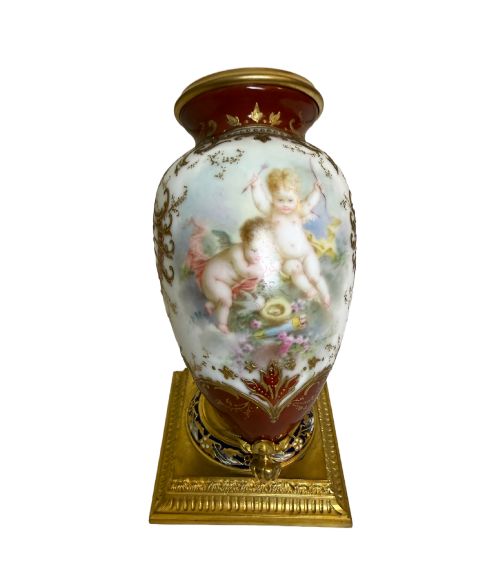
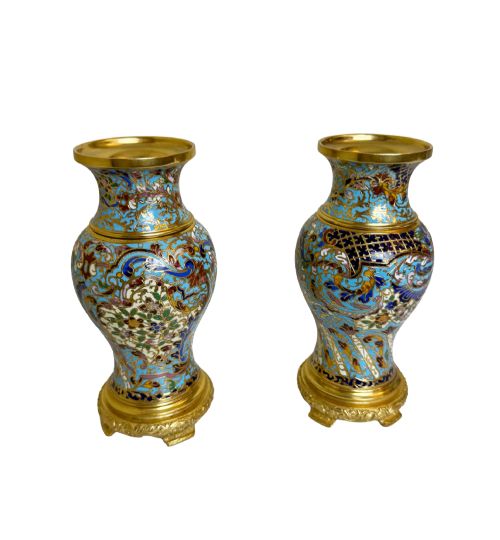
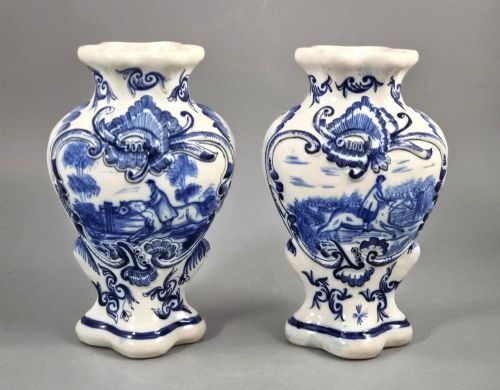
Ceramic pieces include faience and porcelain bodies, frequently paired with gilt bronze mounts or champleve enamel details. Glass creations demonstrate the technical prowess of prominent glassworks from the period, utilising frosted, enamelled and layered methods.
Materials and production methods
Metalwork pieces rely on bronze, ormolu and spelter, often cast with classical motifs and mounted on marble or onyx bases. Gilding, champleve enamel and patination transform these metallic surfaces into rich decorative objects.
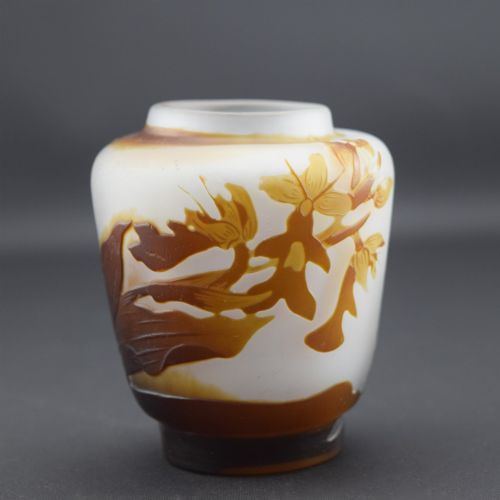
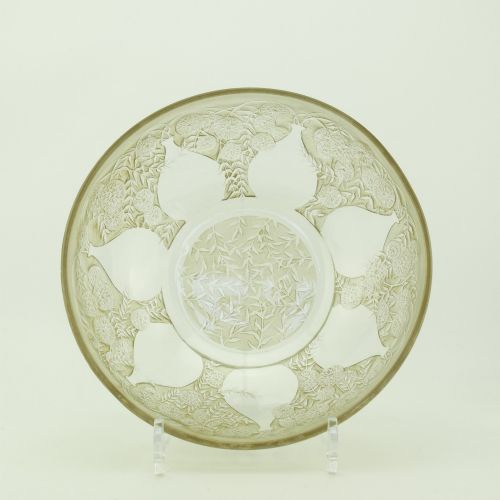
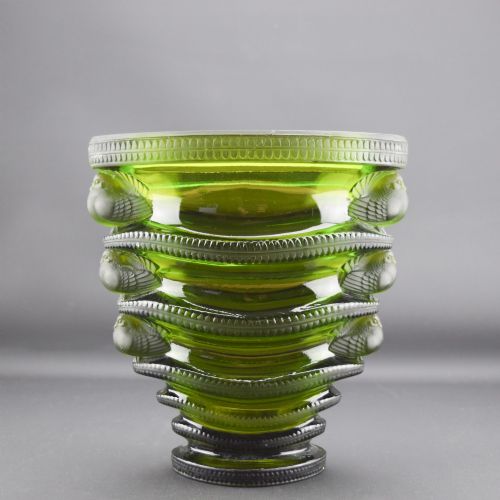
Glass vessels utilise complex techniques including acid-etching, cameo layering and enamelling, particularly seen in works produced during the Art Nouveau era. Ceramic examples combine earthenware, faience and porcelain bodies with hand-painted glazes and applied metallic trims.
French Decorative Vases Retail Price Guide 2026
Typical asking prices for french decorative vases among the pieces listed under this phrase on Sellingantiques today, from the lower quarter to the upper quarter. They describe what is for sale here now, not the wider market.
Listings feature diverse materials including cameo glass, gilt bronze, champleve enamel and hand-glazed faience ceramics.
Assessing quality and execution
Quality reveals itself in the crispness of the casting on bronze and ormolu mounts, where finer pieces exhibit sharp relief and careful hand-chasing. Glass quality is determined by the depth and precision of the cameo carving or acid-etching.
Ceramic and porcelain works show distinction through the control of the glaze, the fineness of hand-painted details and the harmonious integration of any metal mounts. The reputation of the maker or atelier also influences the standing of the piece.
Rene Lalique·Daum Freres·Emile Galle·Fourmaintraux-Courquin
The French Decorative Vases Glossary
- Ormolu
- Gilded bronze, widely utilised for mounts and decorative trims on nineteenth-century ceramics and stone vessels. This technique involves applying a mercury-gold amalgam to cast bronze.
- Cameo glass
- Glass formed with multiple layers of different colours, which are then acid-etched or carved away to create contrasting raised designs. This method gained immense popularity during the Art Nouveau period.
- Champleve
- An enamelling technique where troughs or cells are hollowed out in the metal surface and filled with vitreous enamel before firing. It frequently appears on nineteenth-century bronze vases.
- Spelter
- A zinc alloy used as a cost-effective alternative to bronze for casting figures and urns, often given a bronze-like finish. It provides substantial weight and detail for decorative metalwork.
- Ewer
- A large jug with a wide spout and elaborate handle, traditionally used for holding water but repurposed in nineteenth-century interiors as a purely decorative vessel.
French Decorative Vases: Frequently Asked Questions
How do I distinguish nineteenth-century revival styles?
Revival styles draw inspiration from earlier historical epochs, such as the Renaissance or classical antiquity. Examine the specific architectural motifs and decorative hardware to identify the intended period influence.
Nineteenth-century makers often reinterpreted these classical forms with contemporary production techniques, combining traditional ceramic bodies with elaborate bronze or ormolu mounts.
What is the difference between cameo glass and enamelled glass?
Cameo glass involves carving or acid-etching through distinct layers of coloured glass to create a raised design. This technique yields physical depth and textural contrast across the surface.
Enamelled glass, by contrast, applies coloured glass paints directly onto the vessel's exterior before firing. The resulting decoration sits as a smooth layer upon the glass body rather than being carved from it.
How should I care for antique bronze and gilt metal?
Dust metal surfaces gently with a soft, dry cloth to prevent the accumulation of grit. Avoid using chemical polishes, which can strip away the original patination or damage delicate gilding.
Maintaining a stable indoor humidity helps protect any integrated marble or onyx bases from cracking. Handle mounted pieces by their primary bodies rather than relying on decorative handles or fragile trims.
Where were these decorative vases displayed historically?
These vessels occupied prominent positions in nineteenth-century drawing rooms, often placed upon mantelpieces, console tables or dedicated pedestals. They served as focal points that demonstrated the owner's cultural refinement.
Larger urns and jardinieres frequently ornamented hallways and reception spaces, sometimes functioning as plant holders or simply standing alone as sculptural statements.