
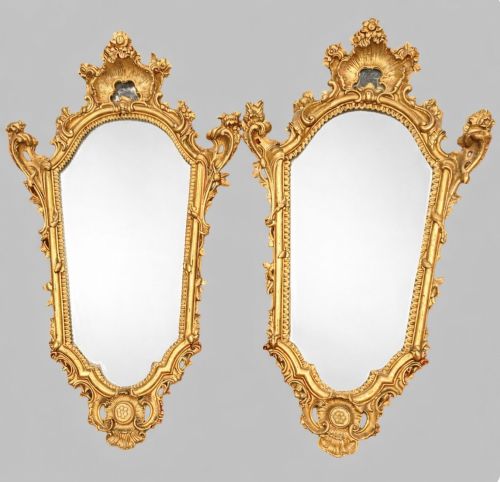


French Decorative Pier Glass
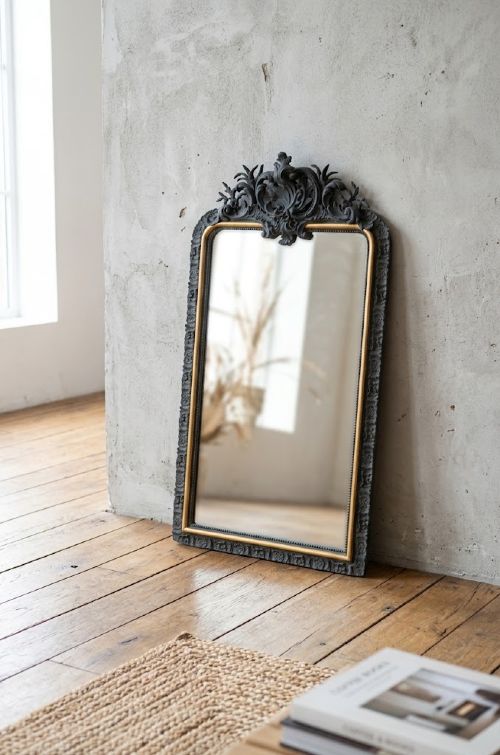
A French decorative pier glass brings light and height to a room, hung traditionally between windows over a low console.
French Decorative Pier Glass
A French decorative pier glass is a tall wall mirror designed specifically to hang on the narrow wall space between windows. These pieces emerge predominantly from the nineteenth century, including specific dates such as 1860, 1870, 1890, 1900, and 1910, alongside examples spanning the eighteenth century to the early twentieth century.
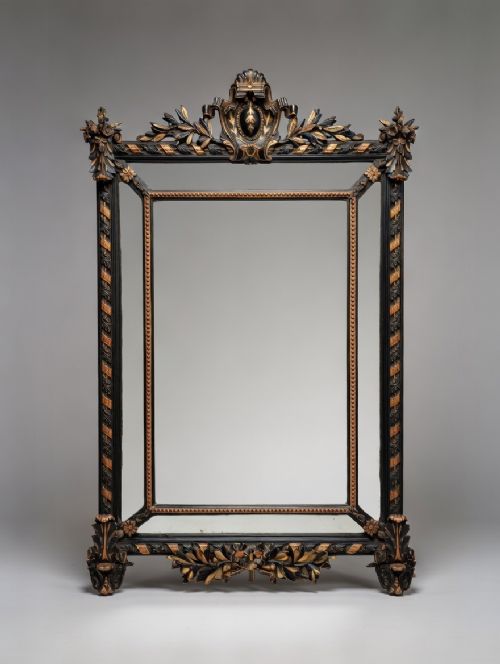
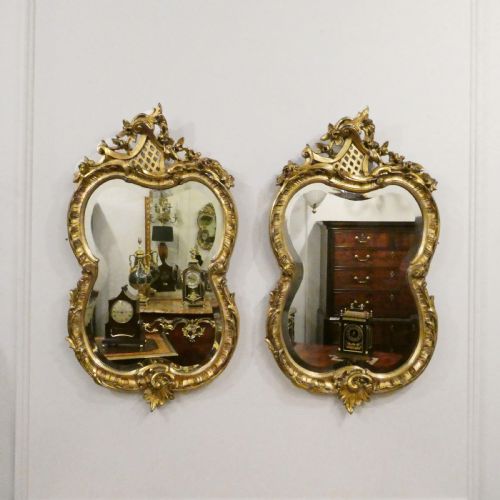
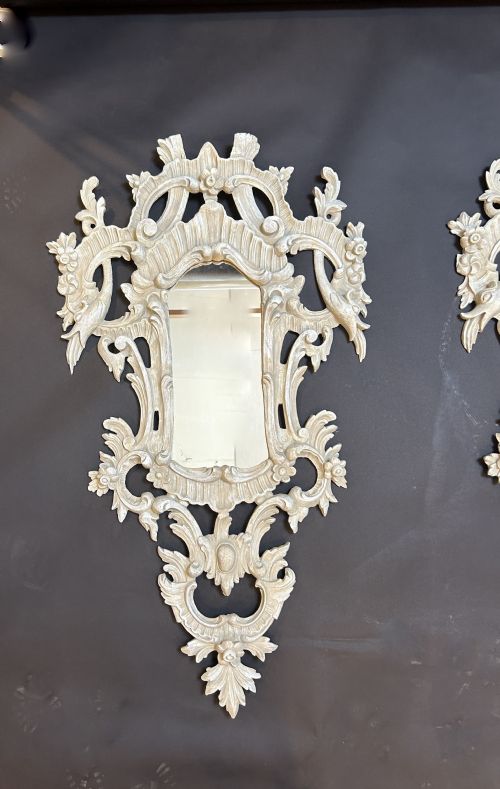
The selections available here showcase distinct stylistic influences, notably French Empire, French Rococo, Louis XV, and Louis XVI manners. Forms encompass standard wall mirrors, console mirrors with shelves underneath, trumeau mirrors with painted or gilded panels, and margin mirrors.
Buyers will most frequently encounter nineteenth-century giltwood and gesso iterations decorated with carved wooden details. These vertical looking glasses serve both functional and ornamental purposes within traditional interiors.
What varies in quality
The depth and crispness of the carved wood and gesso ornamentation dictate the visual strength of the frame. Intricate moulding and well-preserved original gilding or parcel-gilt surfaces separate standard production from superior examples.
The presence of original mirror glass, eglomise panels, or integrated console shelves preserves the historical integrity of the pier glass.
Some console mirrors include a built-in shelf underneath, presumably for holding small visiting cards or miniature porcelain trinkets.
The French Decorative Pier Glass Glossary
- Pier glass
- A tall mirror designed to fit on the wall space between two windows. It frequently sat above a matching console table.
- Gesso
- A plaster-like mixture applied to wood frames and carved into decorative relief before gilding. It provides a smooth base for gold leaf.
- Trumeau
- A decorative wall mirror incorporating a painted or carved wooden panel above the glass. It often forms part of the architectural wall panelling.
- Eglomise
- A technique involving gilding and painting on the reverse side of glass. This process creates a reflective, decorative panel often seen in older mirrors.
- Parcel-gilt
- A finish where only specific carved details of an object receive gilding while the rest remains painted or stained. This highlights particular decorative motifs.
French Decorative Pier Glass: Frequently Asked Questions
Where should I hang a pier glass?
These tall mirrors work best on narrow wall sections, particularly between two windows where they reflect natural light back into the room.
They also sit comfortably above low console tables, sideboards, or mantelpieces where their vertical proportions balance horizontal furniture.
How do I date a French mirror?
Dating relies on examining the framing style, such as French Empire or Louis XV revival, alongside the construction materials of the wood and gesso backing.
Clues also come from the manufacturing characteristics of the mirror glass itself and the condition of the original gilt or painted surface layers.
What does parcel-gilt mean?
Parcel-gilt describes a surface treatment where gold leaf is applied selectively to raised carvings, foliage, or specific architectural details on the frame.
The remaining areas of the wood show paint, ebonized finishes, or natural wood tones to create visual contrast.