




French Cushion Mirror
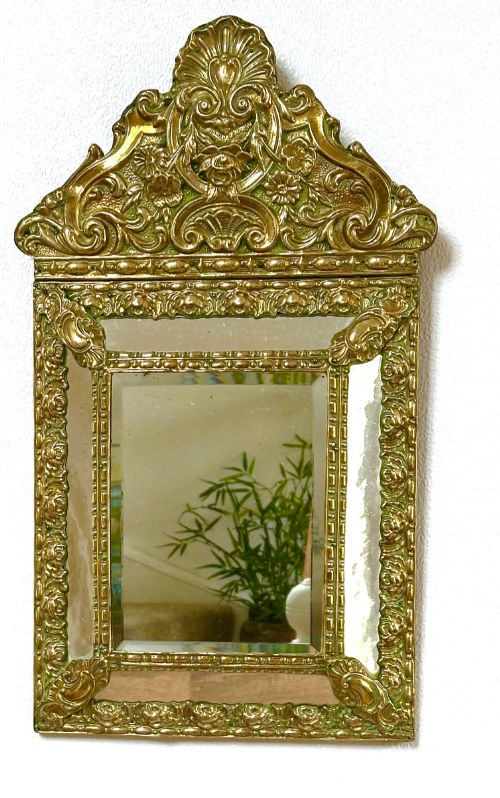
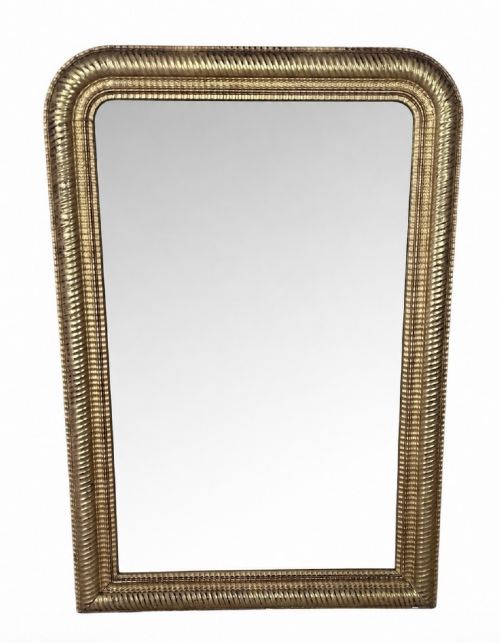
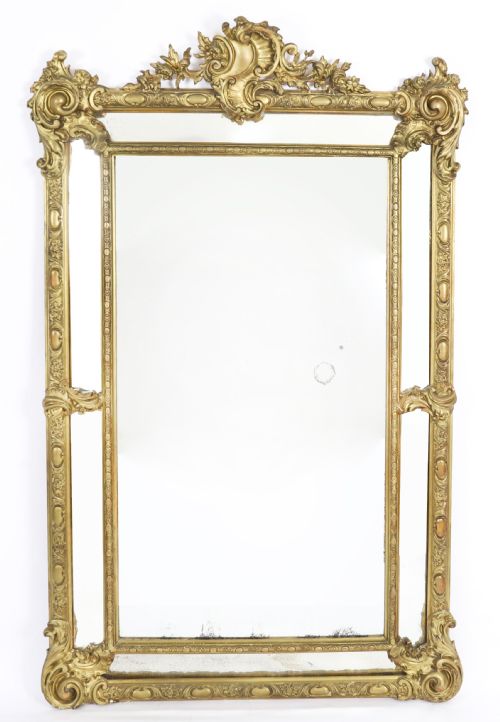
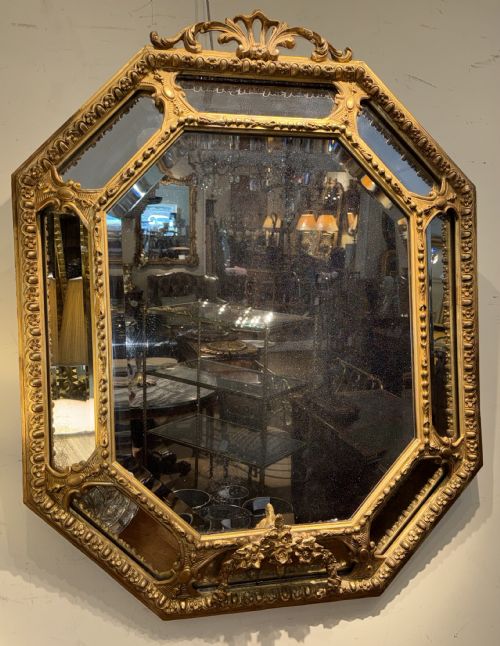
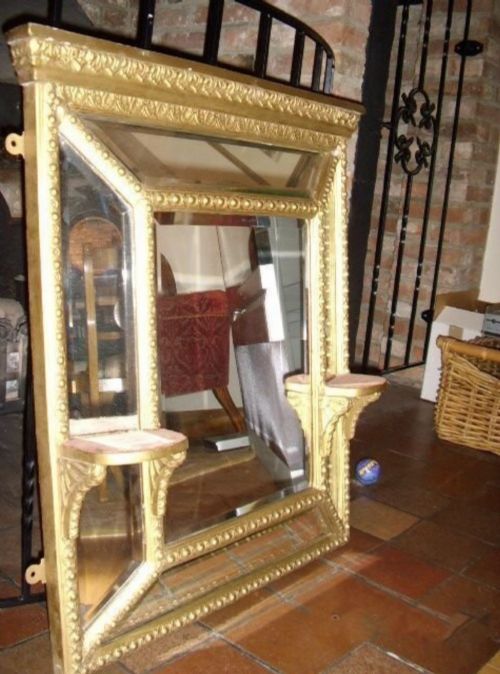
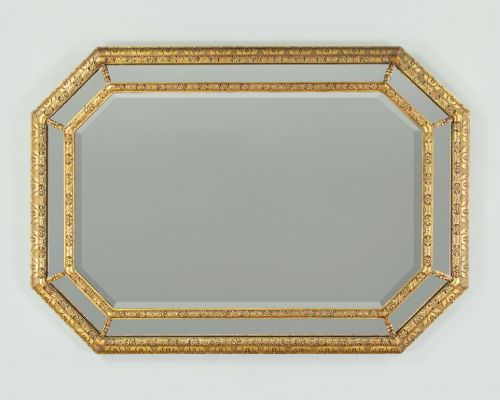
A french cushion mirror projects the central glass outward through a convex, sloped frame that draws immediate focus.
French Cushion Mirror
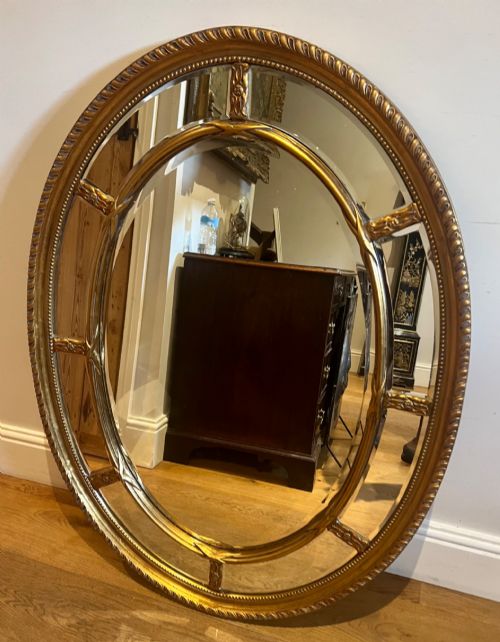
When searching for a french cushion mirror, buyers encounter wall and overmantel formats characterised by a distinct convex profile where the outer frame slopes inward to the glass plate. These pieces span the nineteenth century, drawing on Louis Philippe, Second Empire, and Louis Revival design influences.
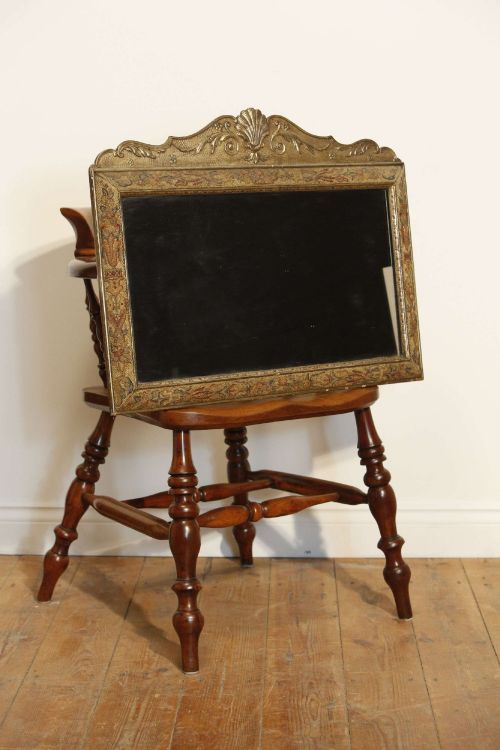
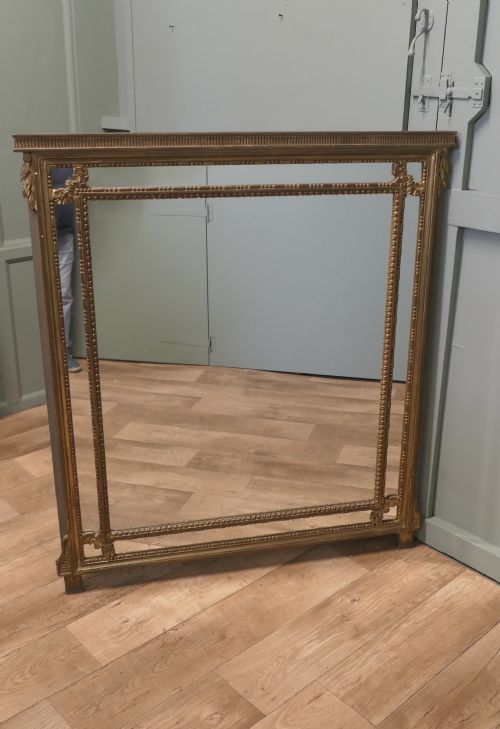
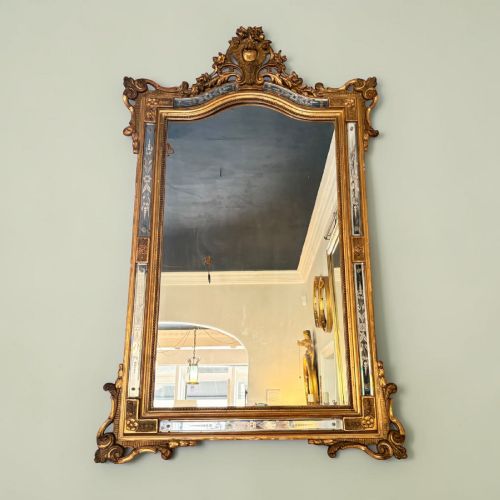
The form frequently appears with gilded wood and gesso surfaces, alongside variants framed in pressed brass, repoussé metal, and scrubbed oak. Many examples incorporate marginal plates or decorative crests above the main glass.
Origins trace predominantly to French workshops, though related Regency and Victorian pieces appear frequently within the available selection.
How they were made
Carved wood provides the primary armature for traditional gilt and painted frames, often built up with layered gesso to receive intricate surface ornament and gold leaf. Metal variations rely on pressed or repoussé brass and copper mounted securely around the glass perimeter.
Mirror plates consist of bevelled glass or early mercury glass, occasionally divided into distinct marginal sections surrounding the central reflection.
French Cushion Mirror Retail Price Guide 2026
Typical asking prices for french cushion mirror among the pieces listed under this phrase on Sellingantiques today, from the lower quarter to the upper quarter. They describe what is for sale here now, not the wider market.
Tortoiseshell and repoussé brass meet on certain frames, proving that past makers loved texture as much as reflection.
What varies in quality
The depth and execution of the carved wood or repoussé metalwork dictate the visual weight of the frame, separating standard production from exceptional craftsmanship. Preservation of original gilding, paint, and mercury glass plate also defines the standing of an individual piece.
Proportion and scale play significant roles, with larger overmantel and marginal configurations demanding precise structural joinery to maintain the integrity of the convex cushion form.
The French Cushion Mirror Glossary
- Cushion mirror
- A wall or overmantel glass featuring a convex, sloped frame that projects outward toward the edges. This distinctive profile defines the entire category.
- Gesso
- A plaster-based mixture applied over carved wood to create a smooth surface for gilding or painting. It allows artisans to model fine decorative details.
- Repoussé
- A metalworking technique where the design is hammered into relief from the reverse side. It appears frequently on brass and copper frames.
- Marginal plate
- Smaller secondary glass panels surrounding the central mirror plate, often held within the sloped border. They add reflective complexity to the composition.
- Mercury glass
- An early form of double-walled glass silvered with a mercury amalgam between the layers. It produces a distinctive mottled and deep reflection.
French Cushion Mirror: Frequently Asked Questions
Where should I hang a cushion mirror?
These pieces suit placement above mantelpieces, console tables, or main reception room walls where their convex frames can catch ambient light.
Their substantial visual depth requires secure wall fixings suited to heavy timber or metal construction.
How do I identify a nineteenth-century piece?
Look for traditional construction methods such as hand-carved wooden frames coated in gesso, alongside authentic bevelled or mercury glass plates.
French examples often display Louis Philippe or Napoleon III stylistic traits typical of that era.
Are brass frames common?
Metal frames appear frequently alongside traditional giltwood, utilising brass or copper shaped through repoussé work.
These metallic versions often feature tortoiseshell or decorative mounts typical of Victorian production.