

French Country Bench
These french country bench examples bring provincial warmth and functional seating to an interior, drawn from centuries of rural and formal European traditions.
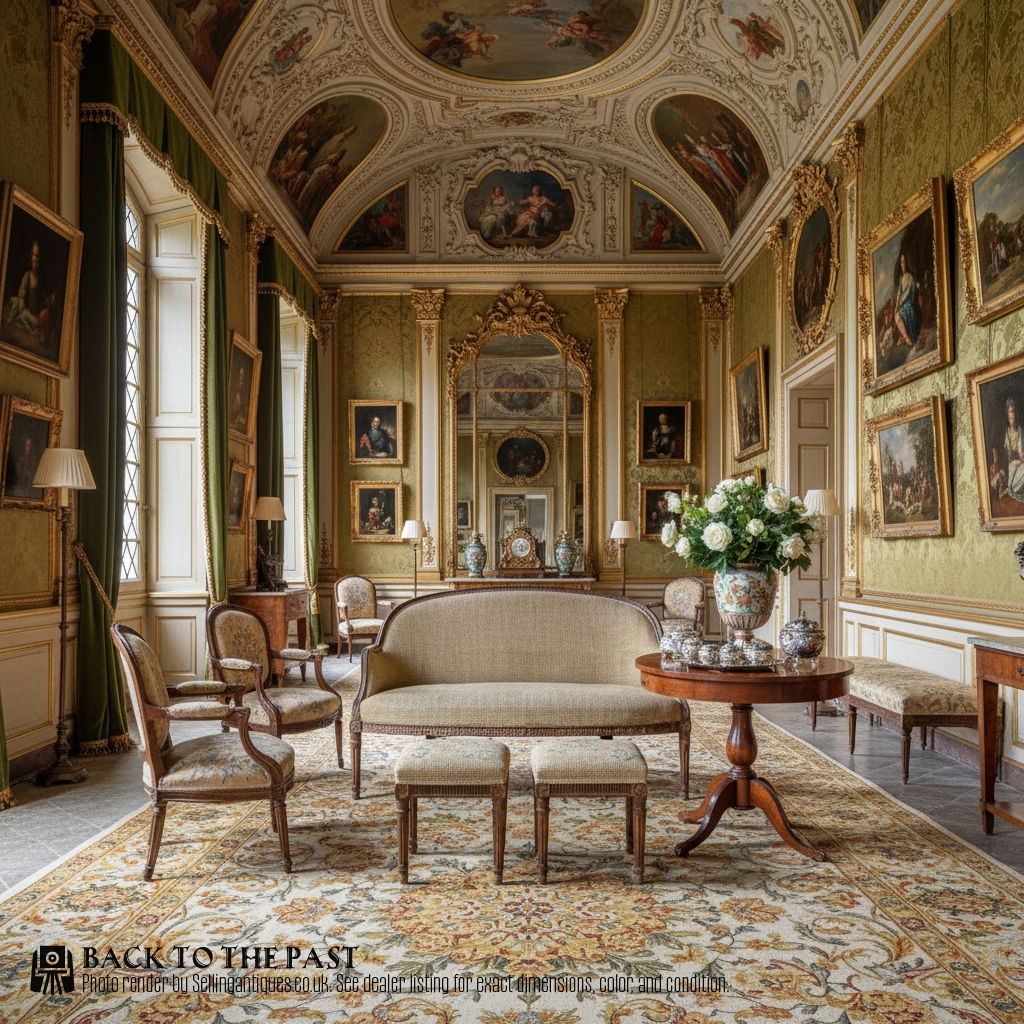
French Country Bench
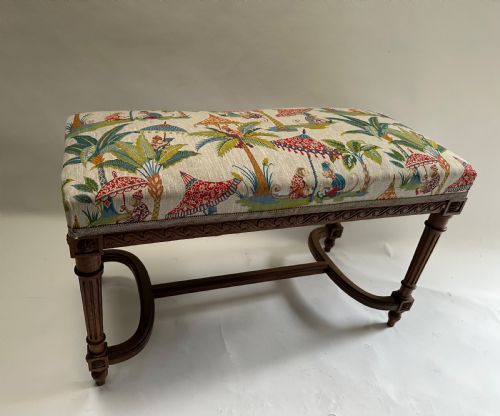
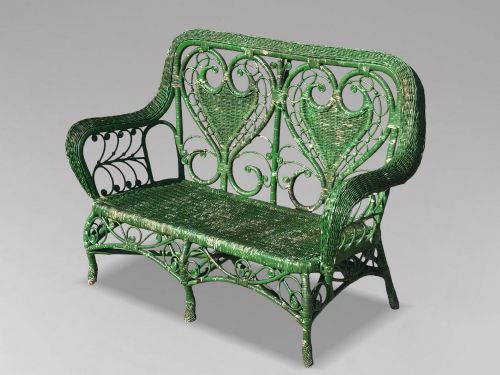
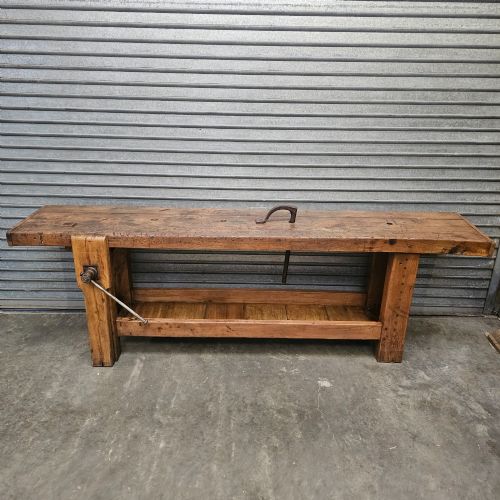
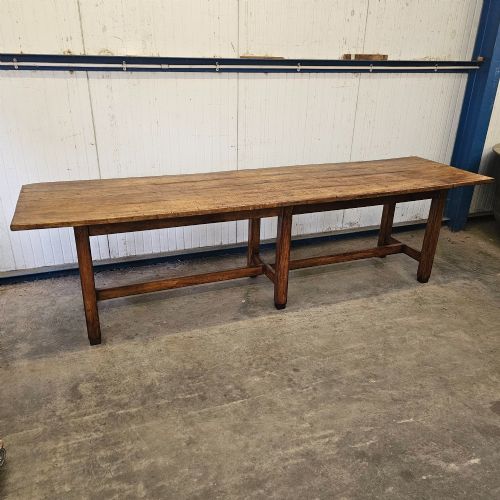
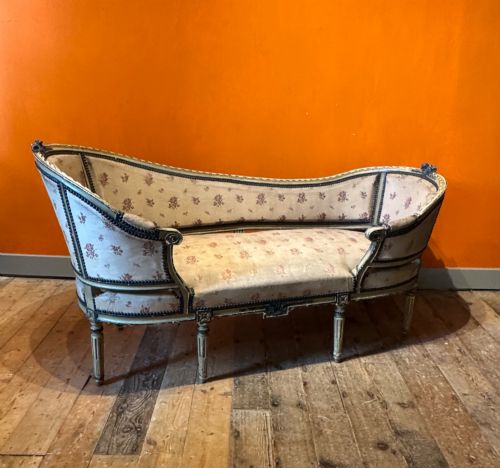
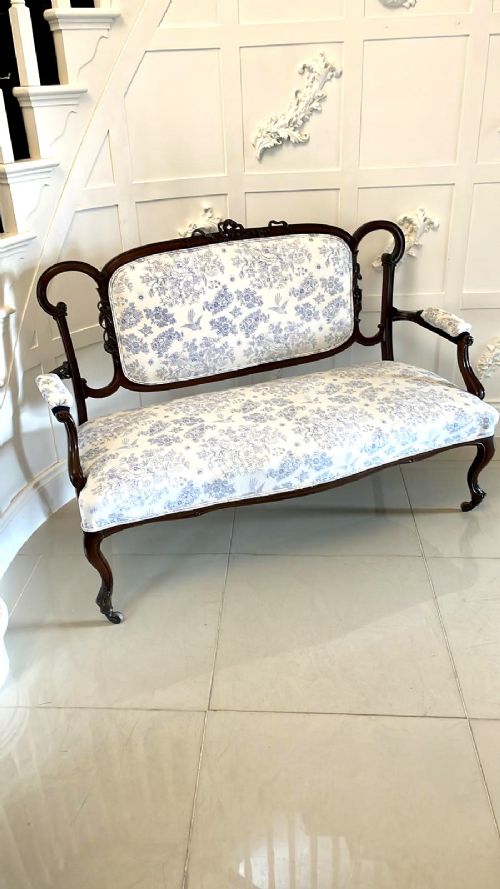
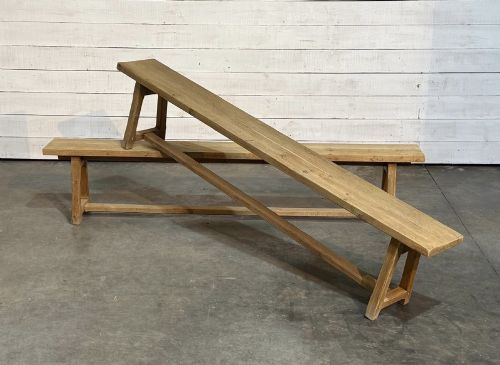
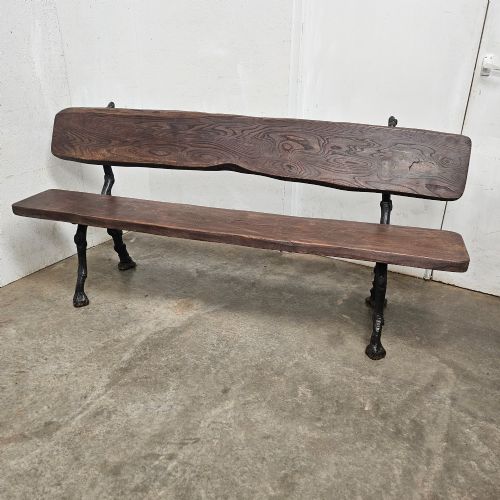
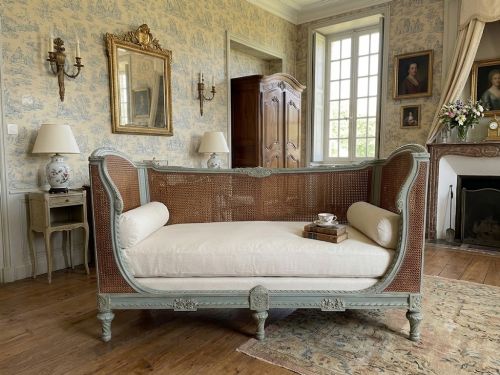
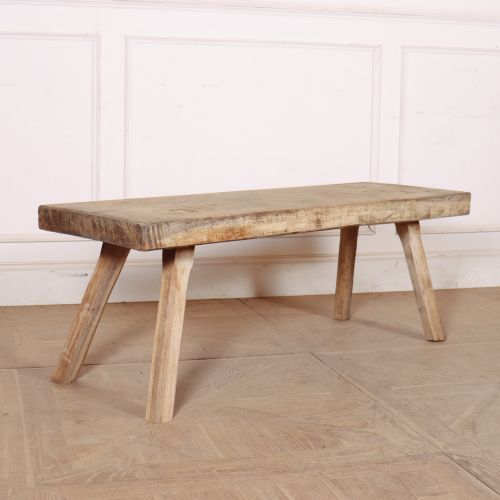
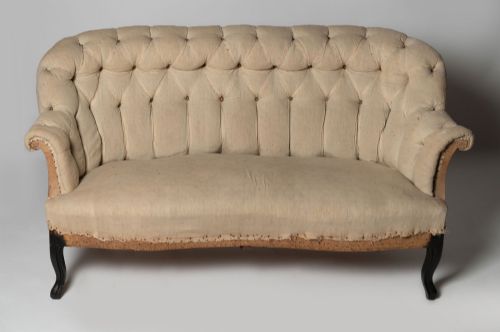
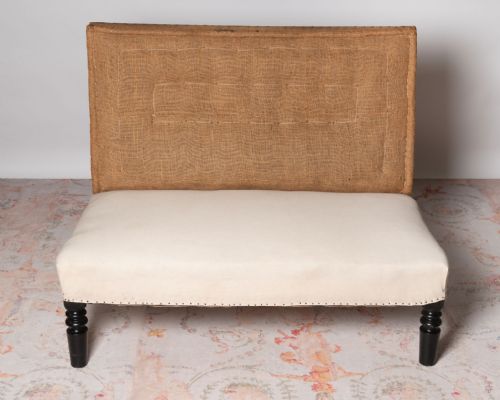
A french country bench encompasses a wide variety of long seating forms, ranging from simple elm and cherrywood farmhouse boards to sophisticated Louis-style caned settees. Buyers seeking this style will encounter robust 19th-century timber seating, rustic workbenches repurposed for domestic use, and elegant upholstered banquettes.
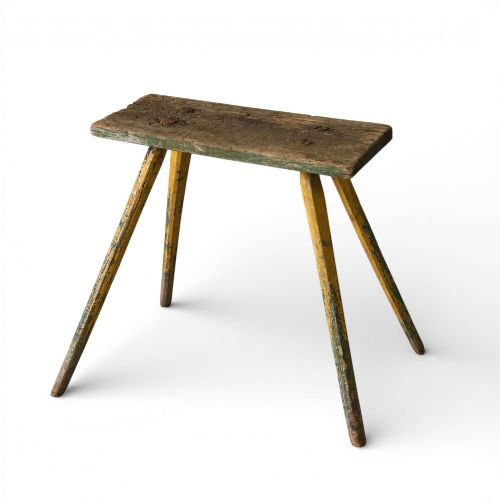
The selection leans heavily toward 19th-century creations, alongside pieces from the early 20th century and older 18th-century settles. Forms vary from low milking stools and window seats to substantial dining benches and carved walnut daybeds.

Materials and Construction
Traditional makers relied on native hardwoods such as oak, elm, cherrywood, and walnut to build durable seating designed for daily domestic or agrarian life. Timber elements were frequently paired with natural woven rush, woven cane, or textured linen and leather upholstery.
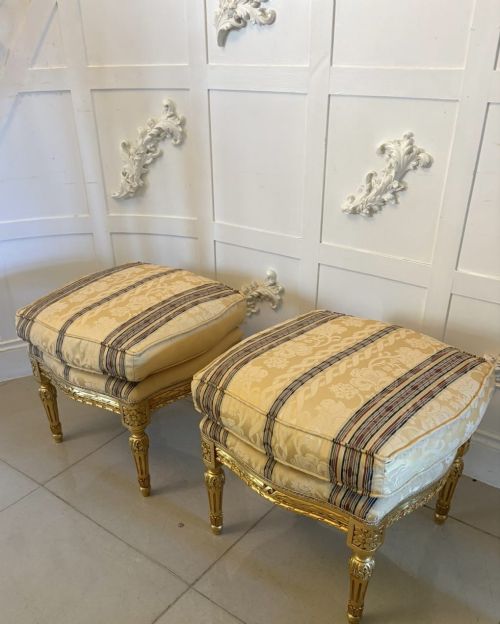
Surface treatments range from plain polished timber and scrubbed pine to painted finishes, verdigris copper accents, and intricate giltwood carvings. Joinery techniques reflect both primitive scratch-built construction and refined revival styling with cabriole legs.
French Country Bench Retail Price Guide 2026
Typical asking prices for french country bench among the pieces listed under this phrase on Sellingantiques today, from the lower quarter to the upper quarter. They describe what is for sale here now, not the wider market.
Listings feature oak, walnut, elm, cherrywood, and pine, alongside textiles including linen, leather, velvet, cane, and rush.
Assessing Quality and Character
Quality in these pieces is dictated by the integrity of the timber, the authenticity of the surface finish, and the harmony of the proportions. Original paint, untouched patination, and period-appropriate rush or cane seating distinguish exceptional examples from later adaptations.
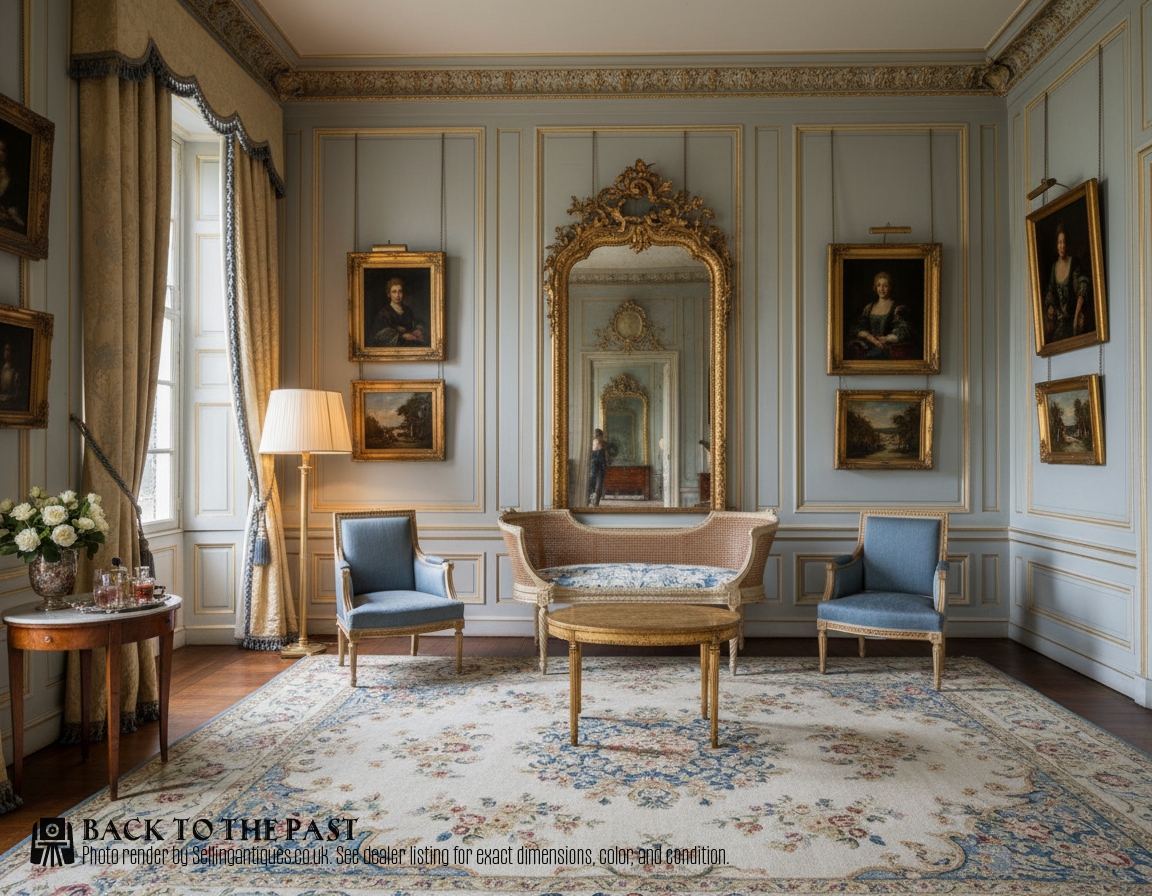
The French Country Bench Glossary
- Banquette
- An upholstered bench or long seat, often featuring a backrest and padded armrests for extended lounging. These pieces bridge the gap between formal settees and casual country seating.
- Canapé
- A traditional French decorative sofa, frequently incorporating exposed carved woodwork and cane or upholstered panels. They often showcase classical revival motifs such as ribbon-tied crests and fluted legs.
- Settle
- A wooden bench with a high back designed to block draughts, sometimes featuring a box seat for hidden storage. These sturdy forms date back centuries and served practical roles in communal rooms.
- Rush
- Dried marsh grass twisted into cords and hand-woven to create resilient, flexible seat pads. This traditional seating material provides a tactile, organic texture common in provincial furniture.
- Faux Bois
- An artistic imitation of wood grain executed in concrete, metal, or stone, frequently seen on garden furniture. This technique captures natural timber aesthetics while ensuring weather resistance outdoors.
French Country Bench: Frequently Asked Questions
What is a french country bench?
A french country bench is a traditional seating form originating from French provinces, spanning rustic solid timber boards, rush-seated hall benches, and refined upholstered daybeds. These pieces reflect regional European craftsmanship from the eighteenth, nineteenth, and early twentieth centuries.
They serve as versatile interior furnishings, functioning effectively in hallways, dining spaces, living rooms, and garden settings. Their designs balance utilitarian durability with regional decorative charm.
How were these benches used historically?
Historically, these benches provided communal seating around farmhouse tables, along hallways for removing boots, or within workshops as functional workbenches equipped with vices. Simpler forms accommodated working agrarian households, while upholstered variations furnished salons and chateaux.
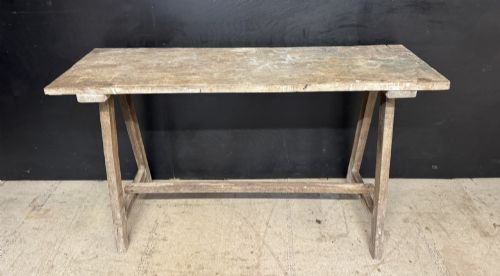
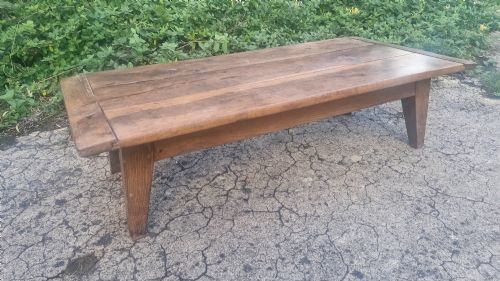
Over time, many utilitarian workbenches and long pew-style seating have transitioned into domestic interior use as console tables, coffee tables, or dining seats.
How do I live with a rustic bench?
Integrating a rustic bench into a modern interior involves pairing its weathered timber or painted finish with contrasting textures like soft linens, cushions, or hides. Their robust construction makes them practical for everyday seating in high-traffic zones.
Care simply requires respecting the aged patina, avoiding harsh chemical cleaners, and occasionally feeding dry woods with appropriate natural waxes or oils to preserve the surface.
How can I tell periods apart?
Distinguishing periods relies on observing stylistic details, construction marks, and material wear. Eighteenth-century pieces often feature heavy box-constructed settlement designs, whereas nineteenth-century variants commonly utilise cherry, elm, or oak with simpler turned or cabriole supports.
Later pieces from the early twentieth century frequently adopt revival aesthetics like Louis XV or Louis XVI styling, incorporating machine-assisted elements, fresh upholstery techniques, or specific decorative painted finishes.