



Pale Wood Bench
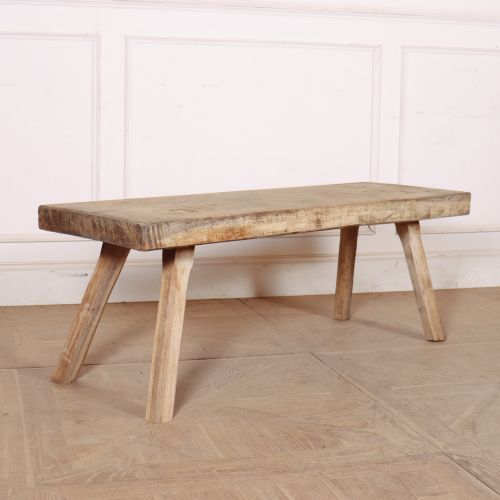
A pale wood bench brings light grain and understated texture into a room, offering functional seating rooted in country and period traditions.
Pale Wood Bench
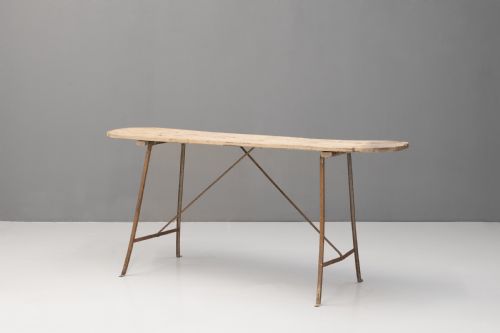
When you search for a pale wood bench, you find seating that relies on the natural tone of timber rather than heavy stains or dark varnishes. The selections available encompass examples from the eighteenth century up through the Edwardian era and early twentieth century. These pieces often draw from French Country, French Provincial, Gustavian, and Rustic Farmhouse traditions.
Materials and construction
Makers utilised a variety of native and imported timbers, frequently pairing sycamore with elm or employing bleached oak, pine, and mahogany. Surfaces often show the scrubbed finish characteristic of French farmhouse and provincial workshops, revealing the natural figure of the wood.
Joinery techniques follow traditional framing methods suited to benches and tables, ensuring structural stability without concealing the organic qualities of the material. Upholstered pieces incorporate fabrics such as damask alongside exposed timber frames.
Pale Wood Bench Retail Price Guide 2026
Typical asking prices for pale wood bench among the pieces listed under this phrase on Sellingantiques today, from the lower quarter to the upper quarter. They describe what is for sale here now, not the wider market.
Listings span periods from the eighteenth century to the early twentieth century, incorporating materials like sycamore, elm, oak, and satinwood.
Assessing quality
Quality rests in the harmony of the timber selection and the integrity of the original construction. Pieces featuring thoughtful combinations like sycamore and elm display greater visual depth than uniform modern equivalents.
The character of the bleached or scrubbed surface also dictates distinction, where natural weathering and honest wear enhance the object rather than detract from its form.
The Pale Wood Bench Glossary
- Sycamore
- A dense, light-coloured hardwood frequently utilised for tabletops and bench components due to its fine grain and durability. It takes a scrubbed finish particularly well.
- Scrubbed finish
- A surface treatment achieved through repeated washing and scouring of timber, removing old finishes to expose the raw, pale grain beneath. This technique is common on French provincial tables and benches.
- Gustavian
- A Swedish style inspired by French neoclassical design but rendered in lighter, brighter palettes and simpler forms. It heavily influences the pale aesthetic found in Scandinavian seating.
- Trestle
- A structural support consisting of a horizontal beam fixed to two pairs of sloping legs. This form provides robust support for long benches and tables.
Pale Wood Bench: Frequently Asked Questions
How do I clean a pale wood bench?
Maintain the surface by dusting regularly with a dry cloth and addressing spills immediately with a damp cloth.
Avoid harsh chemical cleaners that strip the natural oils and pale tone from the timber.
Are these benches suitable for daily dining?
Many examples, particularly those from farmhouse traditions, were built for daily utility and robust seating.
Ensure the height and length match your specific dining arrangement before placing.
What period do most pale wood benches date from?
The selection spans from the eighteenth century through the Edwardian period and early twentieth century.
Nineteenth-century French provincial examples appear frequently alongside Gustavian and rustic farmhouse designs.