

Wooden Garden Bench
A wooden garden bench brings structure and seated repose to outdoor spaces, grounding a lawn or terrace with enduring utility.
Wooden Garden Bench
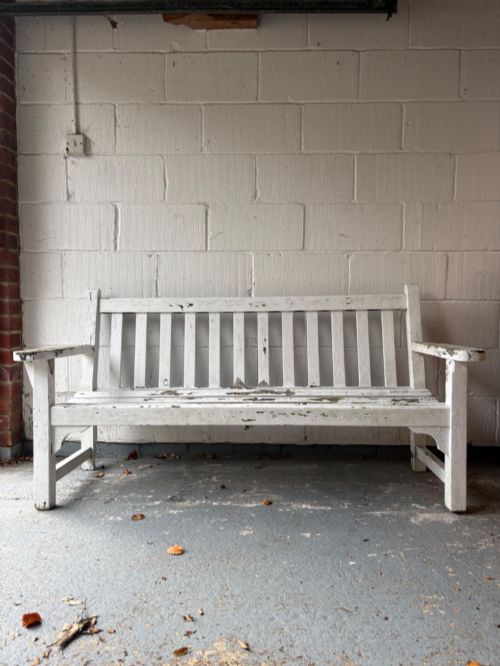
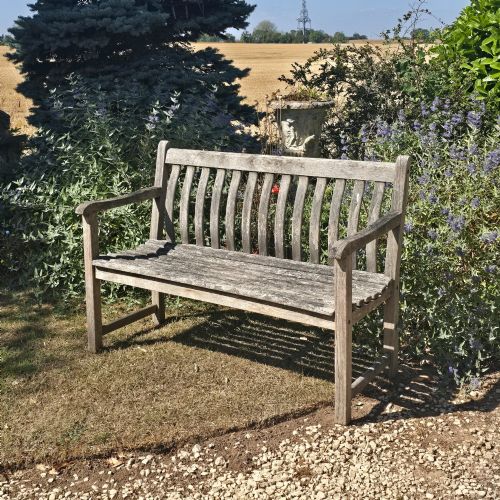
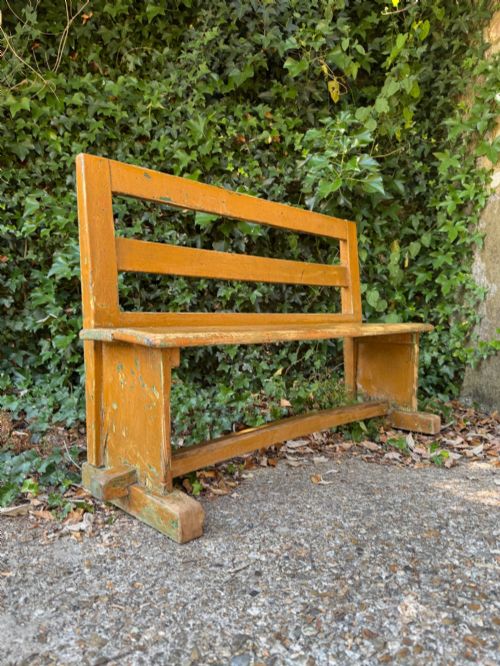
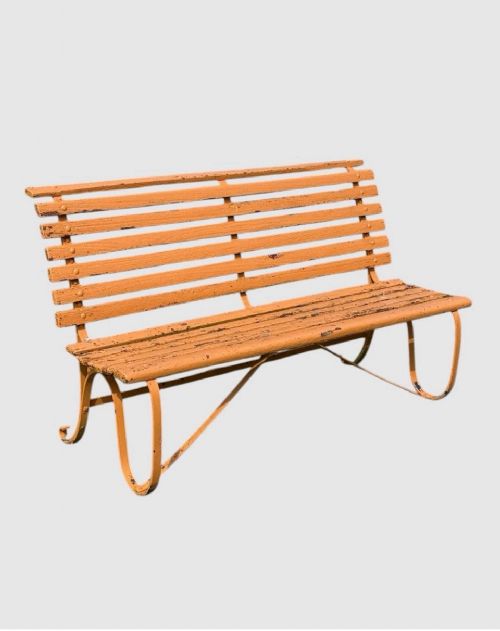
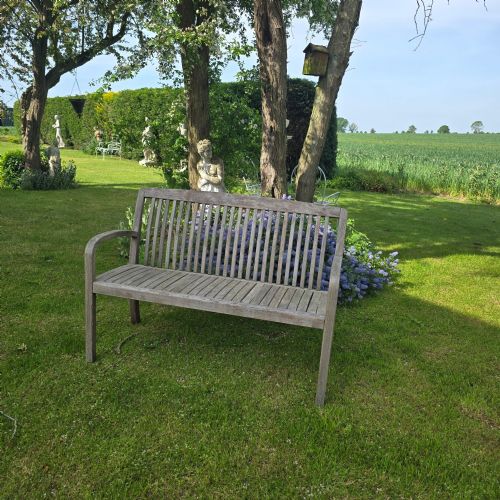
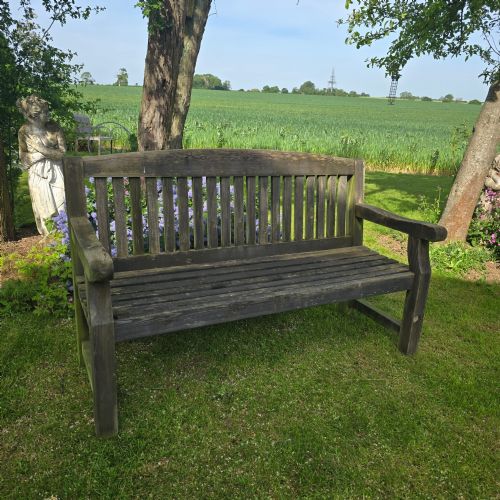
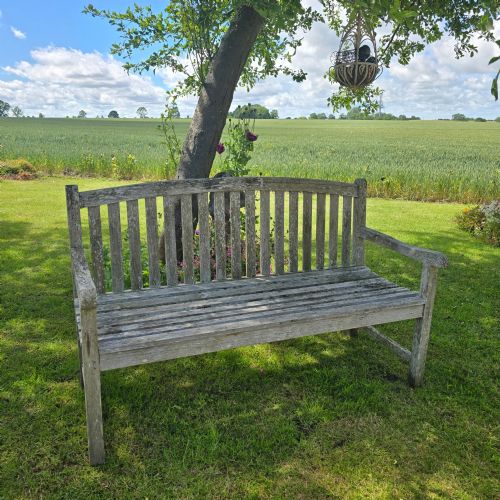
When you search for a wooden garden bench, you encounter seating designed for outdoor endurance, spanning the Victorian and Edwardian eras up to the nineteen-thirties. The most common examples on this page are sturdy slatted teak or painted timber designs shaped for lawns, patios, and conservatory spaces.
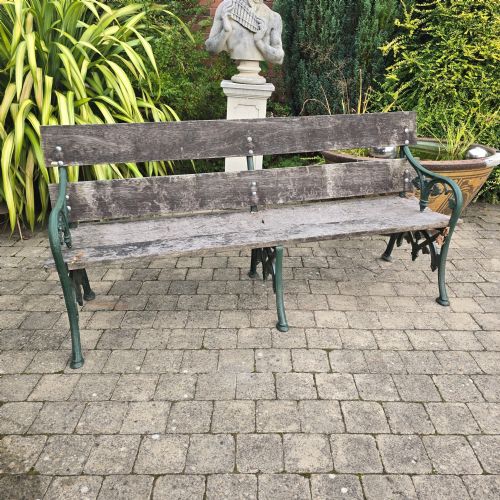
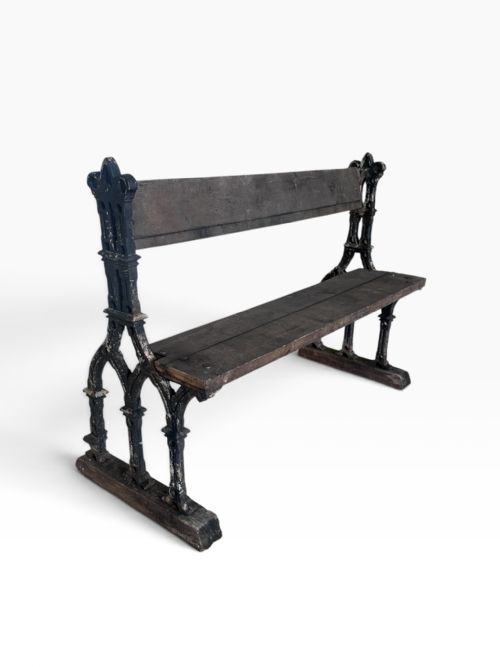
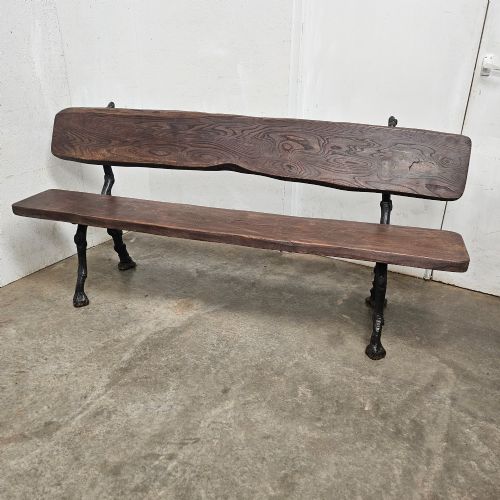
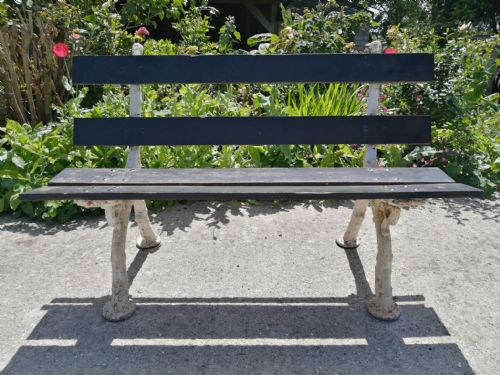
The evidence shows a strong representation of nineteenth-century and early twentieth-century British and French pieces, alongside rustic country variants and occasional railway station seating. Forms range from simple pine and elm planks to elaborate Victorian Gothic and faux bois frames combining wood with cast iron.
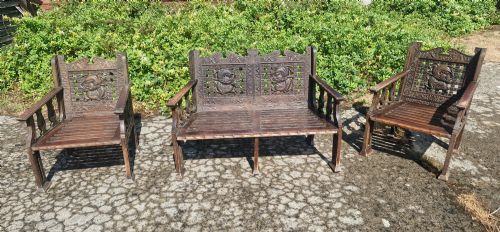
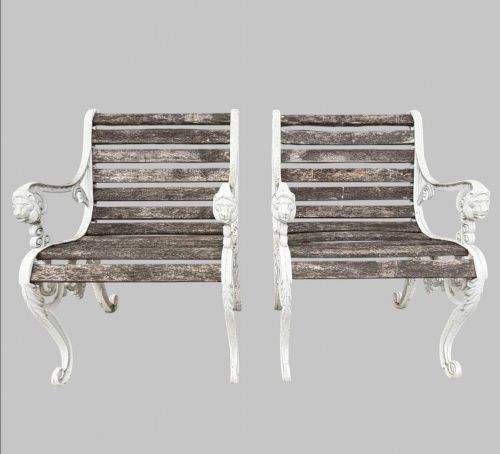
Beyond standard two-seater and three-seater benches, the selection includes tree seats that encircle trunks, conservatory suites, and associated garden armchairs. These pieces reflect historical shifts in domestic leisure and the evolution of outdoor landscaping over the past century and a half.
Materials and construction methods
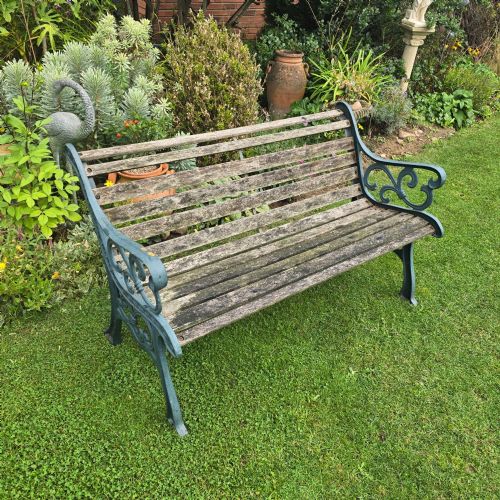
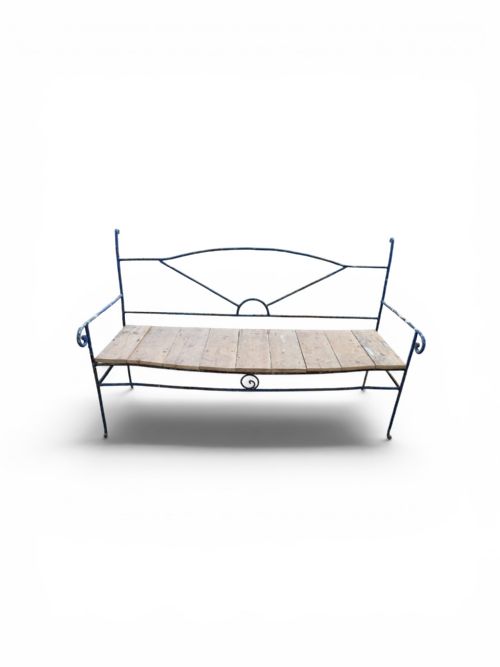
Makers relied heavily on dense hardwoods like teak and oak, alongside utilitarian softwoods such as pine and elm, paired with robust cast iron or wrought iron supports. Teak was selected for its natural oils, which resist weathering, while painted timber required regular maintenance to survive damp climates.
Construction techniques balanced structural rigidity with drainage, utilising slatted seats that prevent water pooling and heavy iron frames bolted to timber battens. Decorative elements included carved motifs like heart shapes, lion masks, and faux bois concrete or metal moulding mimicking natural branches.
Wooden Garden Bench Retail Price Guide 2026
Typical asking prices for wooden garden bench among the pieces listed under this phrase on Sellingantiques today, from the lower quarter to the upper quarter. They describe what is for sale here now, not the wider market.
The documented pieces span the Victorian and Edwardian periods, stretching into the nineteen-twenties and thirties.
Evaluating construction and weathering
Quality rests in the integrity of the timber joints and the preservation of the original surface patina, whether that is silvered weathered teak or historic layers of garden paint. Finer examples display crisp casting on iron supports and thoughtful proportions that balance heavy metal frames with comfortable wooden slats.
Lower tiers often show compromises in replacement timbers, structural sagging, or perished ironwork that requires extensive restoration. The distinction lies between pieces that have aged gracefully through exposure and those that have suffered structural degradation from rot and neglected maintenance.
Coalbrookdale
The Wooden Garden Bench Glossary
- Faux bois
- Imitation wood. This decorative technique mimics the appearance of natural branches and bark using cast iron or concrete.
- Tree bench
- Circular seating. These pieces are constructed in segments to fit around the trunk of a mature tree.
- Verdigris
- Green patina. This surface coloration forms naturally on copper and brass components through long-term exposure to the elements.
- Slatted
- Arranged in parallel strips. This construction method allows rainwater to drain quickly from the seat surface.
- Railway bench
- Station seating. These long, heavy-duty timber benches were originally built for passenger platforms and public transit stops.
Wooden Garden Bench: Frequently Asked Questions
How do I maintain an antique wooden bench outdoors?
Protecting historical timber requires balancing natural weathering with shelter during the harshest winter months. Applying appropriate oils to teak or maintaining breathable paint layers on pine prevents deep rot.
Keep the feet of the bench raised slightly off damp grass or soil using slate or stone pads. This simple step stops moisture rising directly into the end grain of the wooden legs.
Are these benches comfortable for modern seating?
Victorian and Edwardian garden seating was designed with upright posture in mind, reflecting the fashion of the period. Seats tend to be shallower and backs more vertical than contemporary outdoor furniture.
Many buyers add loose linen or canvas cushions to soften the rigid timber slats. This makes historic benches suitable for extended lounging in the garden.
How can I tell a Victorian bench from a later copy?
Examine the fixings, timber grain, and metal casting marks for signs of genuine age. Nineteenth-century pieces often feature hand-cut screws, dense old-growth timber, and heavy cast iron ends with registration numbers or foundry stamps.
Twentieth-century reproductions or later designs typically use lighter modern hardwoods and machine-toaded components. Comparing the weathering patterns across the wood and iron elements also reveals inconsistent ageing.
Can iron and wood garden benches stay outside all year?
Most surviving pieces have already spent a century outdoors, proving their resilience against rain and sun. Dense hardwoods and treated metals withstand seasonal temperature shifts remarkably well.
However, extreme frost can crack waterlogged timber or brittle old cast iron. Moving delicate pieces into an orangery or shed during deep winter extends their lifespan.