




French Coastal Landscape
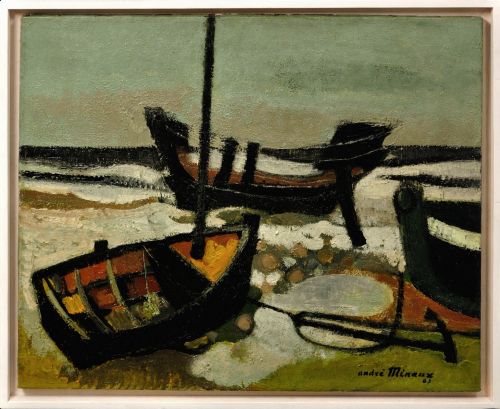
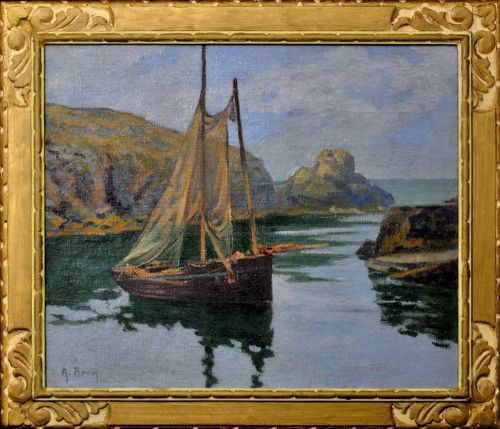
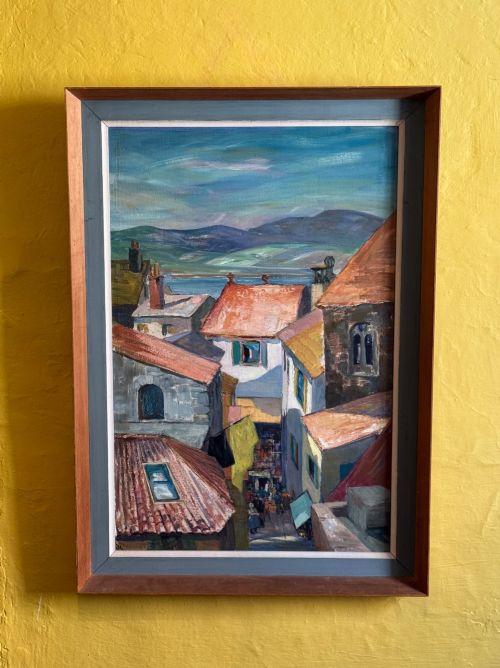
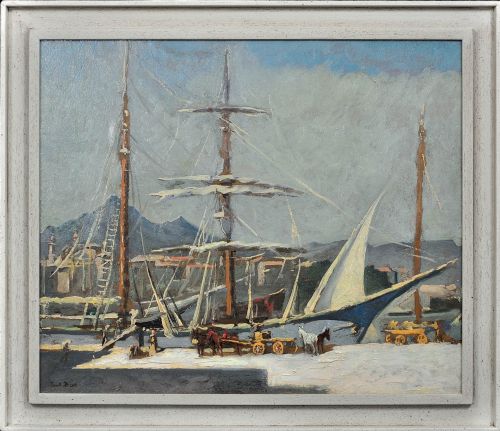
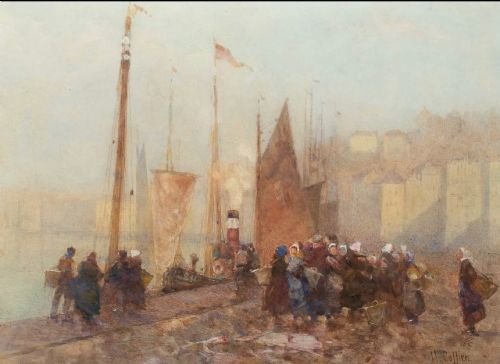
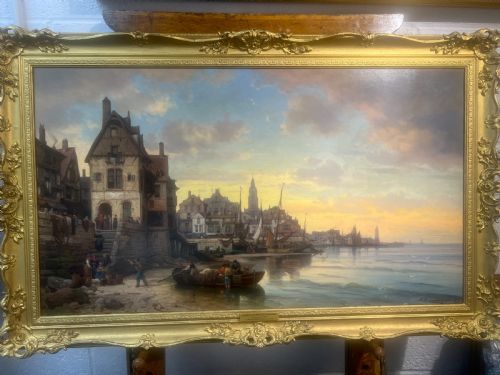
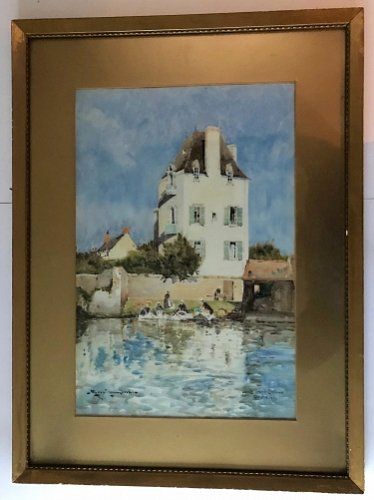
When you search for a french coastal landscape, you encounter oils and watercolours capturing maritime scenes, harbours, and shores from the nineteenth and twentieth centuries.
French Coastal Landscape
A french coastal landscape captures the maritime life, ports, and shorelines of regions like Normandy, Brittany, and the Côte d'Azur across various periods.
The selections on this page range from nineteenth-century academic oils and watercolours to post-impressionist, fauve, and mid-century modern interpretations of the sea.
Compositions frequently feature fishing boats, rugged cliffs, bustling harbours, and sunlit promenades created by both recognised painters and regional artists.
How they were made
Artists applied oil paint or watercolour using brushes and palette knives onto supports of canvas, wood panels, board, or heavy paper.
Framing typically involves wood frames, sometimes complementing the period and style of the painted maritime scene.
French Coastal Landscape Retail Price Guide 2026
Typical asking prices for french coastal landscape among the pieces listed under this phrase on Sellingantiques today, from the lower quarter to the upper quarter. They describe what is for sale here now, not the wider market.
The listings encompass oil paintings and watercolours on canvas, wood, and paper, spanning the nineteenth century through the 1960s.
What varies in quality
Quality rests in the handling of light and atmosphere, where expressive brushwork and confident colour harmony distinguish a compelling coastal view from a standard record.
The strength of the composition and the artist's ability to capture the specific topography and maritime atmosphere of locations like Brittany or the Riviera define the upper tier of works.
Paul Bret·Hector Caffieri·Charles Euphraisie Kuasseg·Erich Mercker·Raymond Moritz·Louis Suire·Gustave Vidal·Jean-Baptiste Olive·Raymond Picque·William Lee Hankey·Cecil Rochfort D'Oyly-John·Charles Malfroy·Roger de la Corbiere·Edward Henry Holder·Henri Ottman·Yves Brayer·Augustus William Enness·Charles Eyres Simmons
The French Coastal Landscape Glossary
- Post-Impressionism
- An art movement extending Impressionism while rejecting its limitations, focusing on more symbolic content and heavier brushwork. Artists working in this manner emphasised vivid colours and distinct forms.
- Fauve
- A style characterised by strong colours and painterly qualities rather than realistic or natural values. These works use bold, non-naturalistic hues to evoke emotional responses.
- Watercolour
- A painting method in which the paints are made of pigments suspended in a water-based solution. This medium relies on transparency and white paper to create luminous effects.
- Provenance
- The chronology of the ownership or location of a historical object. Establishing provenance helps verify the authenticity and history of a painting.
French Coastal Landscape: Frequently Asked Questions
What subjects appear in these coastal artworks?
These works depict harbours, fishing boats, cliffs, and beaches along the shores of France, capturing daily maritime life and seaside architecture.
Scenes range from bustling commercial ports in Normandy and Brittany to tranquil Mediterranean coves along the Côte d'Azur.
How do I date a french coastal landscape?
Dating relies on stylistic clues, framing, artist signatures, and recorded periods such as the nineteenth century or specific decades like the 1920s and 1930s.
Brushwork and colour palettes also indicate whether a piece belongs to the academic traditions of the 1800s or later modernist movements.
Where were these coastal scenes painted?
Artists worked across diverse French maritime regions, recording specific locations such as Honfleur, Concarneau, Marseille, Cannes, and Toulon.
Many paintings reflect the distinct light and geography of the English Channel, the Atlantic coast, and the Mediterranean Sea.
How should I display these paintings at home?
These framed canvas and paper works suit various interiors, often hung in living spaces or studies to introduce maritime colour and light.
Matching the frame to your room's aesthetic helps integrate the historical character of the artwork into modern spaces.