

French Classical Desk Light
A French classical desk light brings bronze, marble and gilt metal into a study, offering the formal symmetry of nineteenth-century design.
French Classical Desk Light
A French classical desk light encompasses table lamps, candlesticks, lamp bases and table lights drawn primarily from the nineteenth century and the early decades of the twentieth century. These pieces frequently adopt Neoclassical, French Empire, Louis XVI and French Rococo Revival styles.
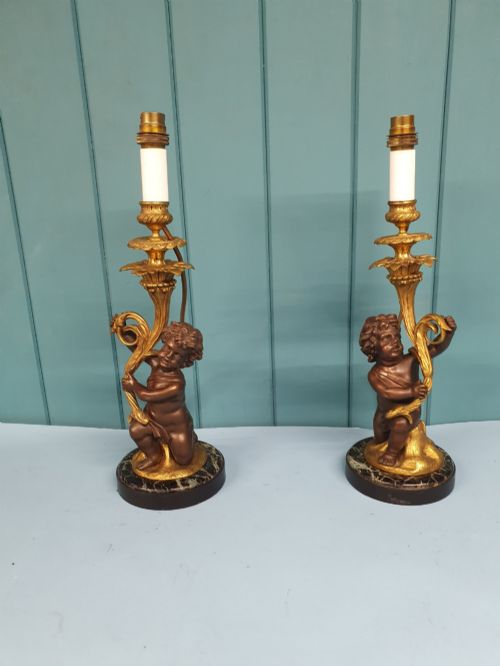
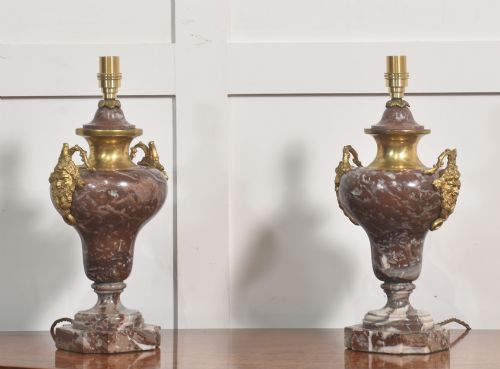
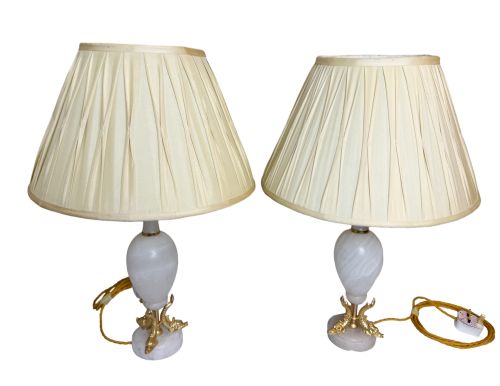
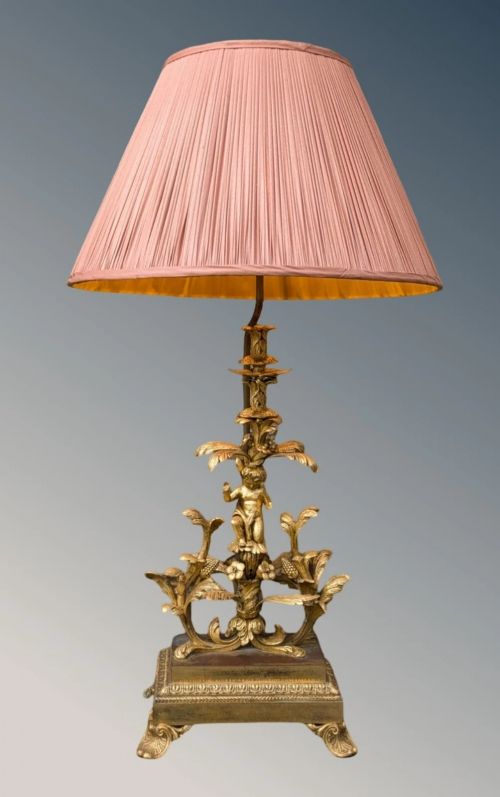
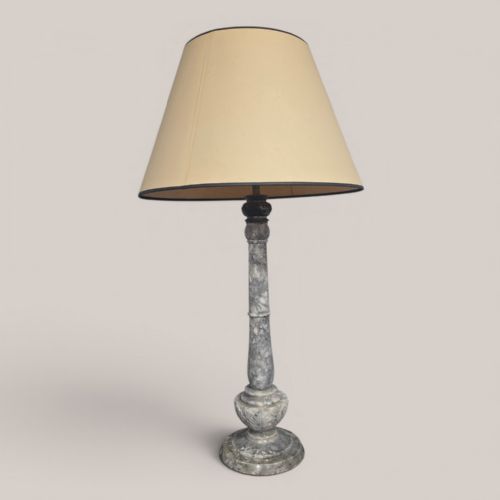
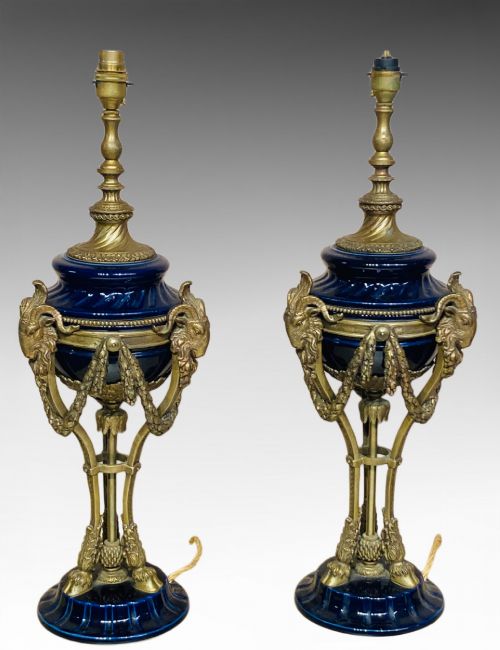
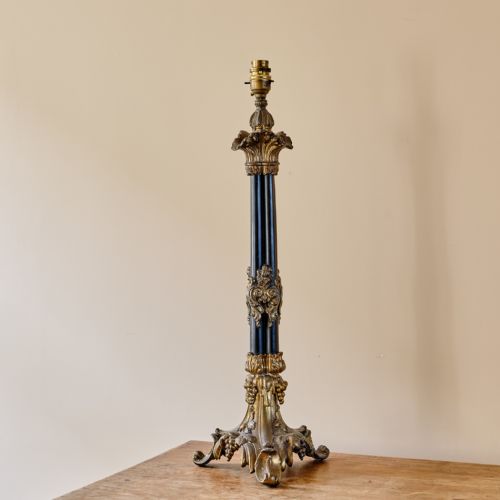
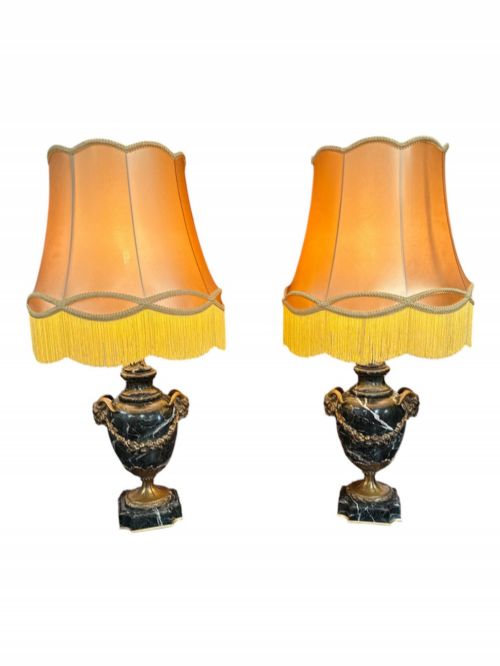
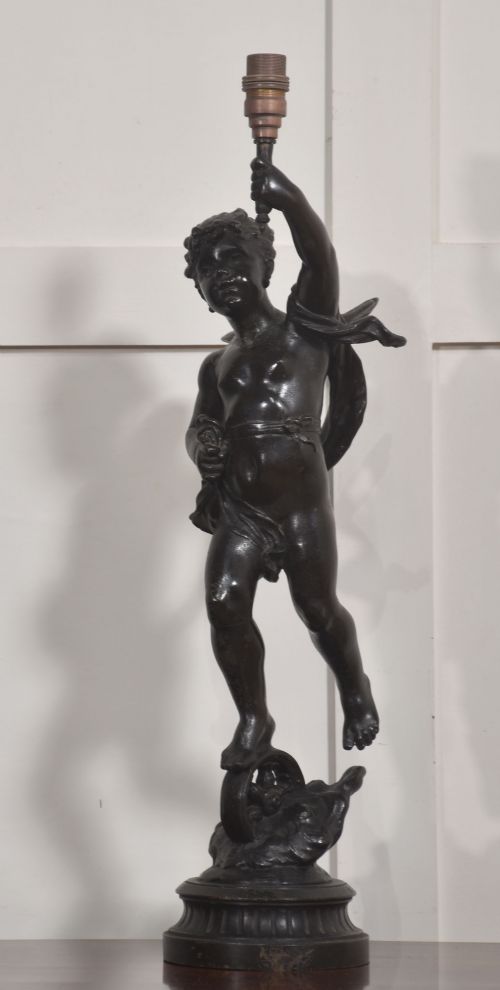
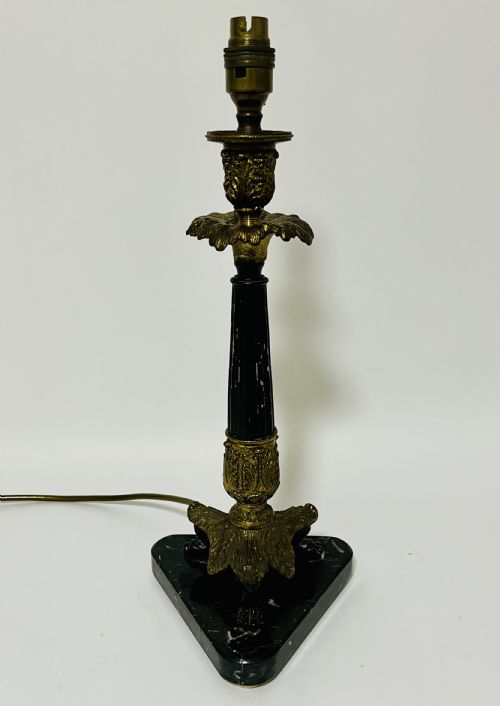
Buyers will most commonly encounter pairs of marble and gilt bronze or ormolu table lamps, alongside single figural bronzes and converted candelabra. Many items display architectural column forms, cherubs, urns or cassolettes reflecting classical motifs.
Originating largely from French workshops and continental makers, these pieces range from austere bronze columns to ornate gilt metal fixtures. They combine functional illumination with heavy decorative bases fashioned from rouge marble, white onyx and patinated bronze.
How they were made
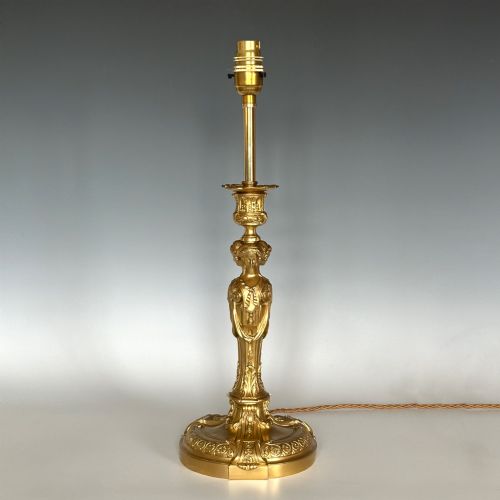
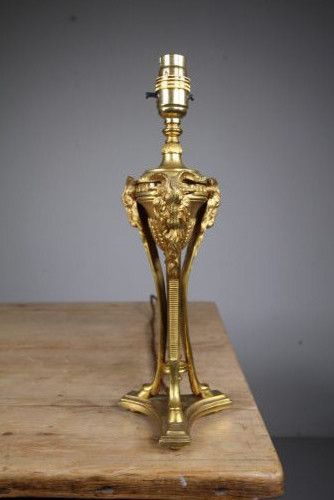
Metalwork forms the core of these pieces, utilising cast bronze, brass, ormolu and gilt metal to create sculptural mounts, rams' heads and classical columns. Ormolu involves the application of finely ground high-carat gold to a bronze base, producing a warm and enduring metallic sheen.
Natural stone provides substantial weight and contrast, with rouge marble and white onyx carved into urns, pedestals and lamp bases. Skilled artisans combined these dense minerals with patinated bronze castings, securing the components with threaded rods and detailed mounts.
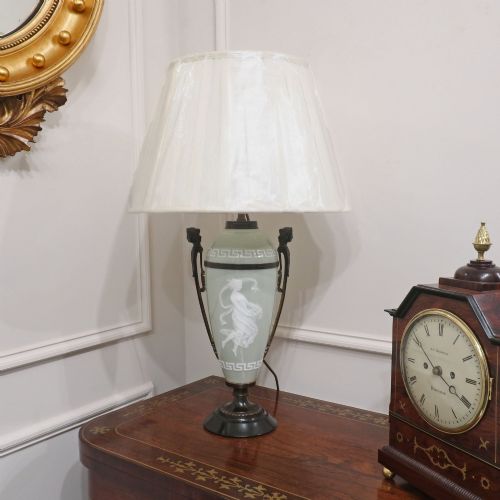
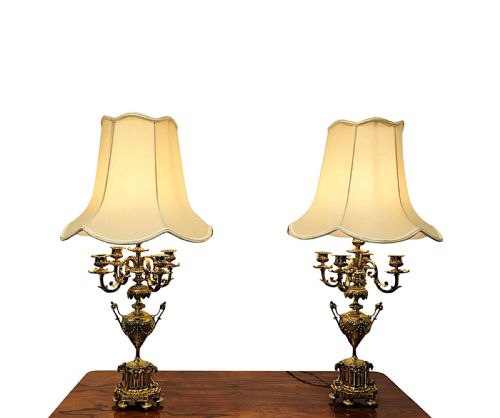
Lighting adaptation often defines the construction of older examples, as nineteenth-century brass candelabra and candlesticks were subsequently converted into table lamps. Fabric and silk shades frequently complete the assembly, resting atop moulded plaster, frosted glass or glazed porcelain bodies.
Periods represented reach from early nineteenth-century Regency and Empire pieces through to Edwardian and 1930s variations.
What varies in quality
The precision of the metal casting dictates the refinement of each French classical desk light, separating crisp ormolu chokers and detailed figural bronzes from softer, less distinct pressings. Hand-chased finishing on bronze elements adds depth and sharp definition to acanthus leaves and classical drapery.
The selection and density of the stone elements also distinguish finer examples, particularly where flawless rouge marble or unblemished white onyx has been turned and polished. Heavier gauge metals and integrated bronze mounts indicate superior workshop production rather than mass commercial output.
L & F Moreau·Emile Picault·Dugourc·Baccarat
The French Classical Desk Light Glossary
- Ormolu
- Gilded bronze produced by applying a mercury-gold amalgam to cast bronze and firing it to leave a rich metallic coating. This technique was widely utilised in French furniture and lighting mounts.
- Cassolette
- A decorative vessel shaped like a vase or urn, often featuring a reversible lid that serves as a burner or a solid cover. In lighting, these objects were frequently converted into ornamental lamp bases.
- Pate Sur Pate
- A ceramic decoration method where wet white porcelain slip is painted onto a tinted clay body layer by layer to build a low relief cameo effect. It appears on select nineteenth-century porcelain lamp bodies.
- Regency
- An English stylistic period spanning the early nineteenth century, characterised by a revival of classical Greek and Roman motifs. Pieces from this era often incorporate dark patinated bronze paired with bright gilt mounts.
French Classical Desk Light: Frequently Asked Questions
What periods do these desk lights cover?
The pieces span the nineteenth century and the early decades of the twentieth century, including Victorian, Edwardian and specific continental revivals.
Designs draw heavily on eighteenth-century Louis XVI aesthetics, French Empire grandeur and Neoclassical symmetry.
Were these always electric lamps?
Many items began as oil lamps, candlesticks or candelabra before being converted to electricity during later periods.
Original candlesticks and cassolettes were adapted to take electrical fittings while retaining their heavy bronze and marble structures.
What materials are most common?
Bronze, gilt brass, ormolu and patinated metal dominate the construction of the structural frames and decorative mounts.
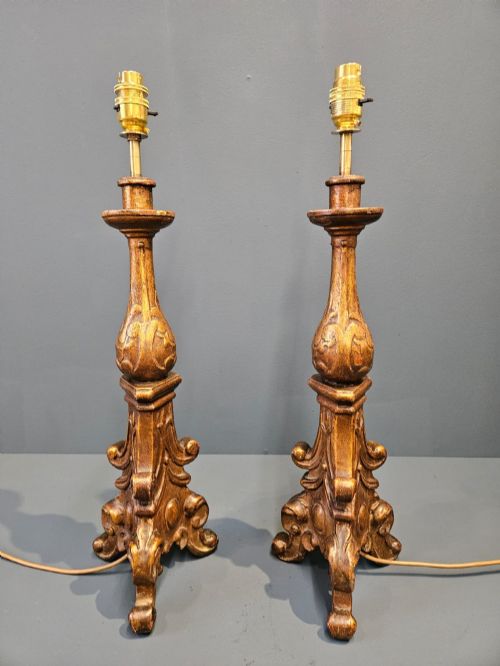
These metals are frequently paired with solid bases of rouge marble, white onyx and occasionally carved giltwood.
How do I identify a French classical style?
Identification rests on symmetrical architectural elements such as fluted columns, classical urns, rams' heads and figural cherubs.
Ornate gilding, acanthus leaf chasing and classical mythological themes further distinguish these continental designs.