


French Chinoiserie Table
A french chinoiserie table brings imaginative decoration and distinct eastern motifs directly into a room.
French Chinoiserie Table
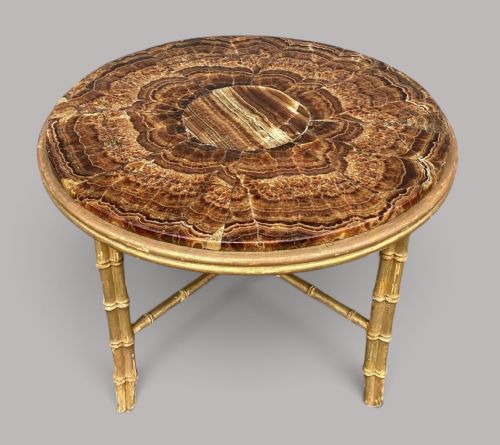
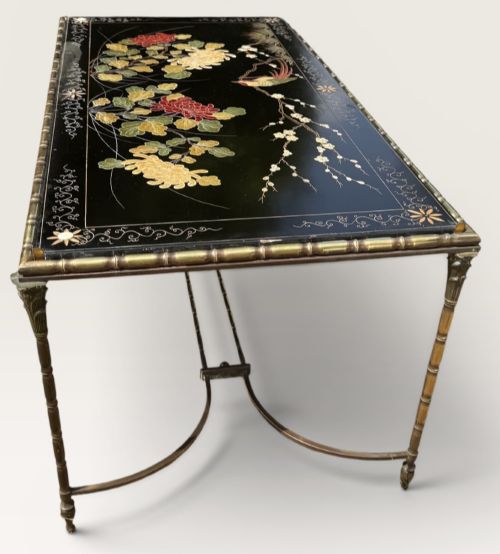
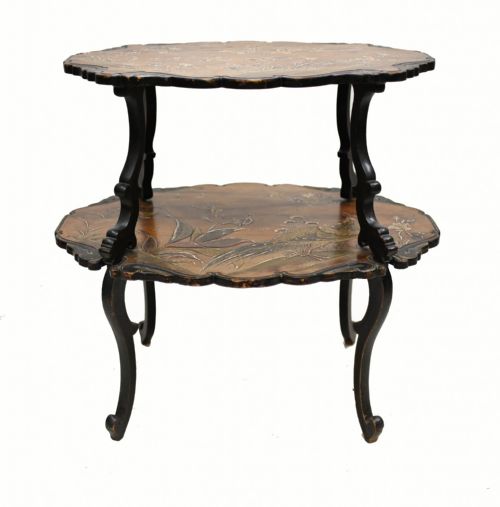
A french chinoiserie table encompasses small occasional surfaces, side tables, and coffee tables decorated with motifs inspired by eastern design. Buyers frequently encounter nineteenth century pieces alongside works from the nineteen thirties.
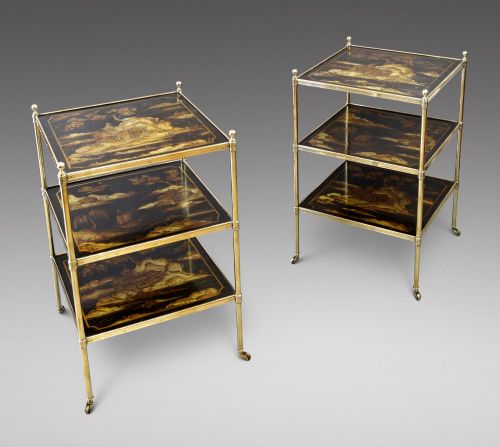
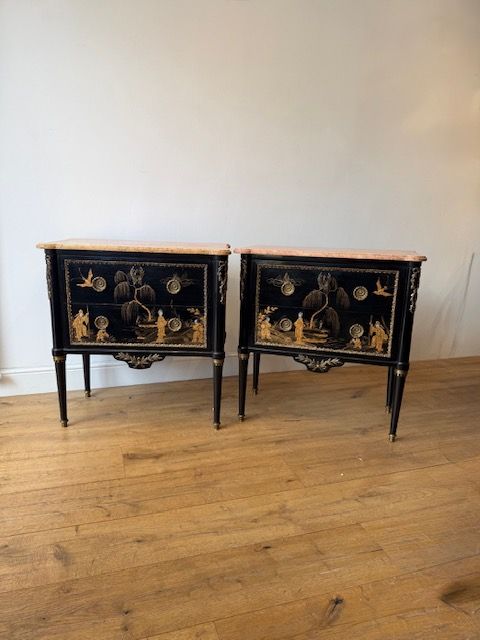
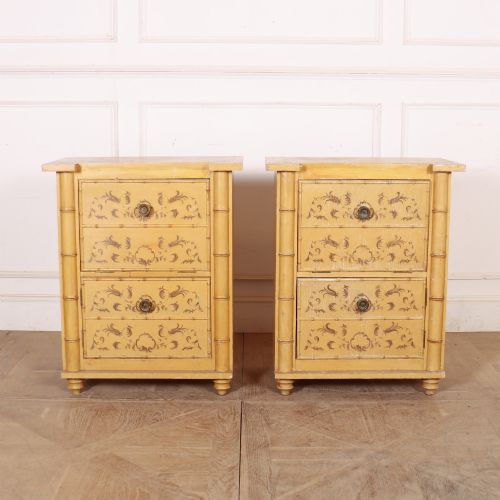
The selection ranges from lacquered occasional tables and nests of four painted tables to folding faux bamboo stands and bureau platts. Forms also cross into related occasional items such as petite commodes and sewing tables.
These items reflect periods spanning from the georgian era through the victorian period into the early twentieth century. Makers and designers utilised styles including louis xvi chinoiserie, aesthetic movement, and japonisme.
How they were made
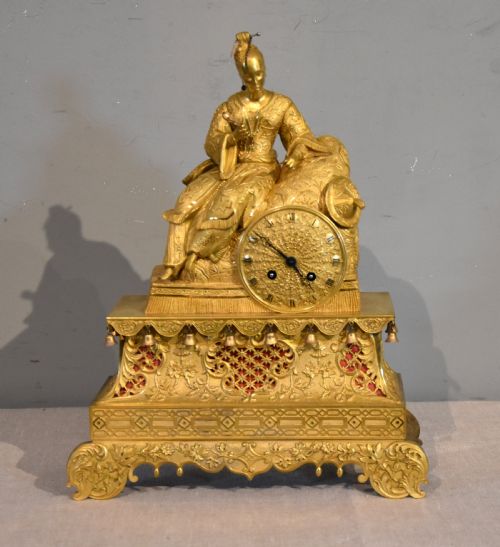
Craftsmen built these pieces using woods, brass, and gilt bronze, often applying lacquer, paint, or japanning to achieve decorated surfaces. Ormolu mounts and faux bamboo turnings frequently appear across the construction.
Surface ornamentation relies on detailed painting and lacquer work, sometimes paired with porcelain or marquetry inlay. Metalwork components like gilt brass and ormolu secure structural joints while adding decorative contrast.
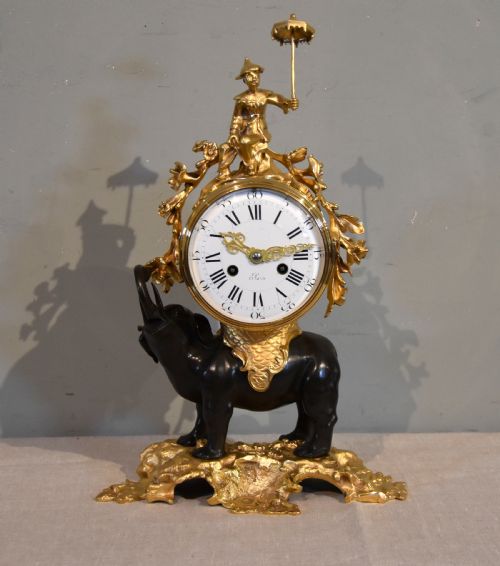
Elephants and bamboo make unexpected decorative appearances.
What varies in quality
The refinement of the painted and lacquered decoration distinguishes finer examples from simpler production. Subtle hand-applied details on lacquer and paint create depth that sets apart superior items.
The integration of metal mounts, such as ormolu and gilt bronze, dictates the grade of the work. Heavier, crisper cast bronze elements demonstrate superior execution compared to lighter alternatives.
Maison Bagues·Gabriel Viardot
The French Chinoiserie Table Glossary
- Chinoiserie
- European interpretation and imitation of Chinese and East Asian artistic traditions. This style heavily influences the decoration found on furniture and decorative objects.
- Japanning
- European imitation of Japanese lacquer work using layers of varnish and heat drying. It produces a glossy dark surface often adorned with raised gilt motifs.
- Ormolu
- Gilded bronze used for decorative mounts and furniture hardware. It provides a bright golden finish that accents wood and lacquer.
- Faux bamboo
- Wood turned and carved to resemble natural bamboo stalks. This technique appears frequently on nineteenth century frames and supports.
- Etagere
- An open tiered piece of furniture designed for display. These tiered surfaces function as side tables or shelving units.
French Chinoiserie Table: Frequently Asked Questions
What periods do these tables come from?
The pieces span from the georgian era through the nineteenth century and into the nineteen thirties. Victorian and later twentieth century examples also appear regularly.
Different decades brought distinct variations in lacquer work, painted motifs, and structural materials like faux bamboo or gilt bronze.
How do I care for lacquered surfaces?
Lacquered surfaces require gentle dusting with a soft, dry cloth to protect the finish. Avoid direct sunlight and moisture to prevent fading or cracking.
Wax polishes should be used sparingly and only if appropriate for the specific lacquer type on the piece.
What is the difference between japanning and lacquer?
Japanning is a european technique mimicking eastern lacquer using resin varnishes and heat curing. True lacquer often involves natural tree saps built up in numerous layers.
Both methods produce durable, glossy surfaces adorned with gilt and painted eastern motifs.
Where do these tables fit in a room?
Side tables and occasional tables work well beside seating areas or as accent pieces against neutral walls. Nests of tables offer flexible surface space that can be separated when needed.
Their decorative finishes allow them to serve as focal points in traditional or eclectic interiors.