



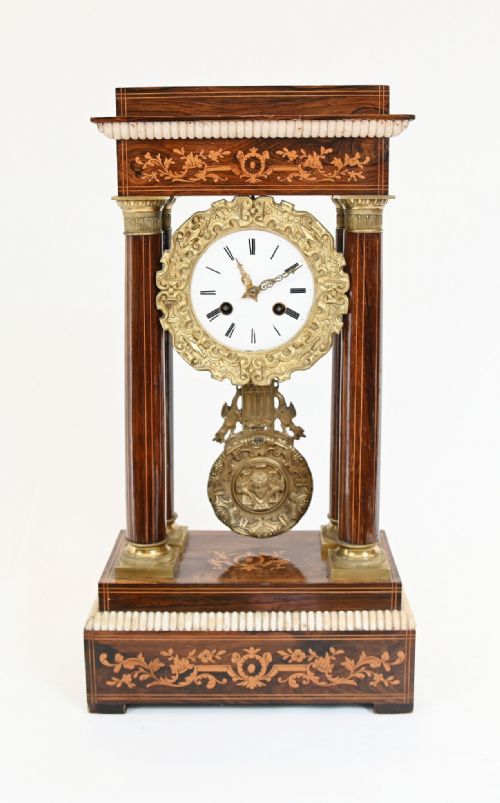


French Chiming Clock
A french chiming clock brings mechanical timekeeping into the room with resonance, combining brass movements with decorative cases from the nineteenth century.

French Chiming Clock
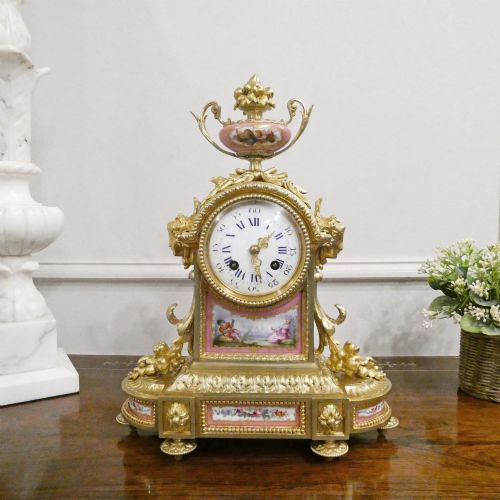
When you search for a french chiming clock, you encounter housing forms ranging from heavy slate and marble architectural mantel pieces to elaborate gilt bronze and porcelain table clocks. These objects combine interior striking mechanisms with decorative outer cases designed for prominent domestic placement.
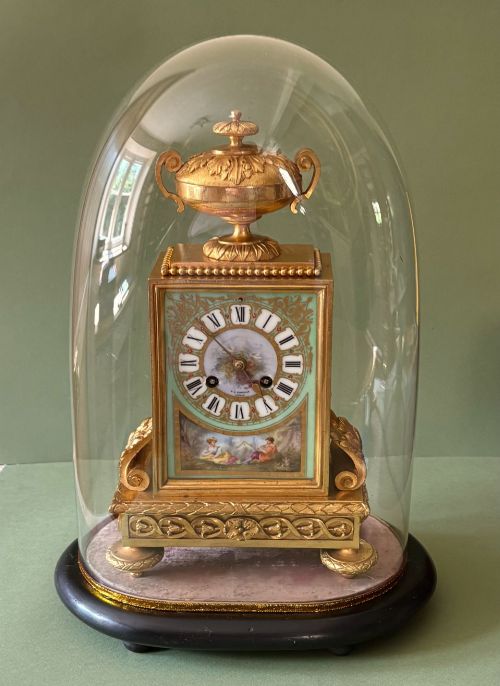
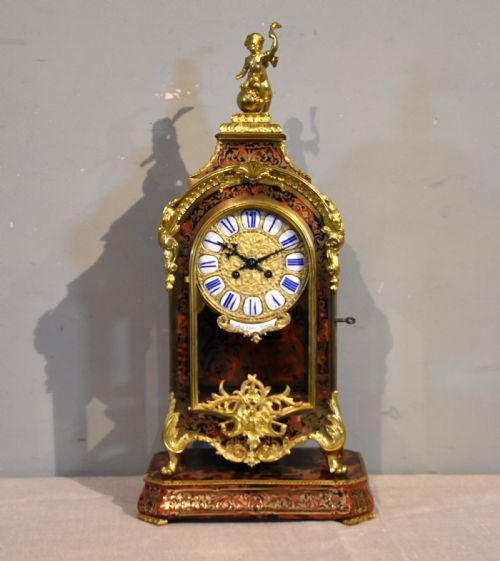
Mantel clocks dominate the selection, alongside wall clocks and portable carriage clocks from periods spanning the Victorian era through to the Art Deco decades. You find regional variations including Boullework marquetry, portico designs, and glass-cased four-glass models.
The nineteenth century provides the bulk of the material, particularly items produced around eighteen-seventy to eighteen-eighty, though later twentieth-century wall models also appear with carillon chimes.
How they were made
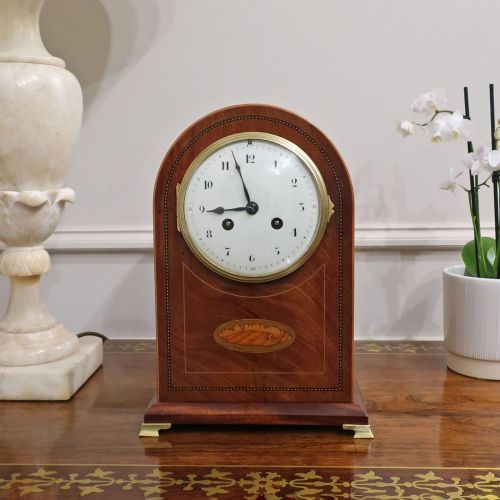
Maker workshops utilised cast brass and ormolu alongside carved wood bases in walnut, mahogany, and rosewood, frequently mounting porcelain panels or enamel dials onto the structure. Metal components underwent casting, chasing, and gilding to achieve decorative surface contrast.
Clockmakers housed mechanical gear trains inside heavy bronze or brass plates, integrating striking levers and gongs to produce the chiming action. Outer enclosures incorporated decorative techniques such as tortoiseshell Boulle inlay, marble polishing, and glass panel fitting.
French Chiming Clock Retail Price Guide 2026
Typical asking prices for french chiming clock among the pieces listed under this phrase on Sellingantiques today, from the lower quarter to the upper quarter. They describe what is for sale here now, not the wider market.
The inventory spans the Victorian period, Art Deco era, and nineteenth-century French revival styles including Louis XV and Louis XVI.
What varies in quality
The standard of a french chiming clock rests on the complexity of its movement and the precision of the case ornamentation, such as finely chased gilt bronze mounts or hand-painted porcelain plaques. Superior examples feature named maker signatures on the dial or movement backplate.
Case materials dictate durability and aesthetic depth, distinguishing heavy black or white marble housings from standard timber boxes. Finer pieces demonstrate careful alignment in their chiming sequences and robust carriage or mantel proportions.

Japy Freres·Odo·Vedette·Girod·Achille Brocot Delettrez·Savory Fils A Paris·Malecot
The French Chiming Clock Glossary
- Boulle
- A form of marquetry utilising tortoiseshell and brass inlay developed in France. This technique decorates many nineteenth-century mantel clock cases.
- Ormolu
- Gilt bronze mounted or applied to decorative objects. It provides a bright metallic finish on nineteenth-century clock frames.
- Carriage clock
- A small portable timepiece originally designed for travel. These items often feature glass sides and striking mechanisms.
- Grande Sonnerie
- A striking mechanism that chimes the hours and quarters automatically. It represents an advanced level of clockwork complexity.
- Portico clock
- A mantel clock designed with columns supporting a central housing. This architectural style appears frequently in nineteenth-century French pieces.
French Chiming Clock: Frequently Asked Questions
How do I wind the clock?
Winding typically involves inserting a key into designated dial holes to tension the mainsprings for the time and striking trains.
Care must be taken not to overwind the mechanism to preserve the internal spring steel.
Where should I place the clock?
These clocks require a level, stable surface such as a mantelpiece or sturdy shelf to maintain proper pendulum beat and striking synchronization.
Avoid placing them in areas subject to dampness or direct temperature fluctuations.
How do I identify the period?
Dating relies on case styles, such as Louis XVI revival motifs or Art Deco geometric shapes, alongside maker stamps on the movement backplates.
Materials like black marble or walnut veneer further align pieces with nineteenth or twentieth-century manufacturing trends.
What is a carillon movement?
A carillon movement plays multiple tunes or sequences on a set of bells or gongs rather than simply striking the hour.
This system appears in later twentieth-century wall models.