

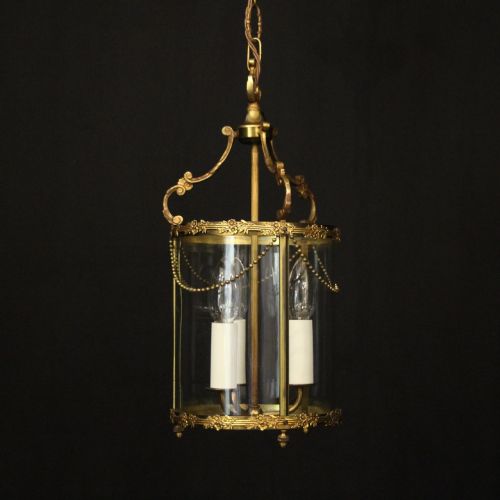
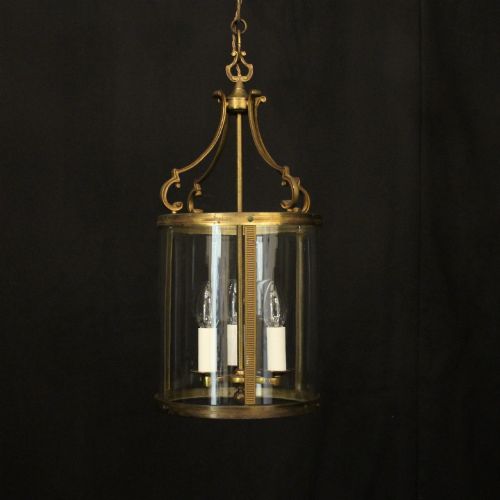
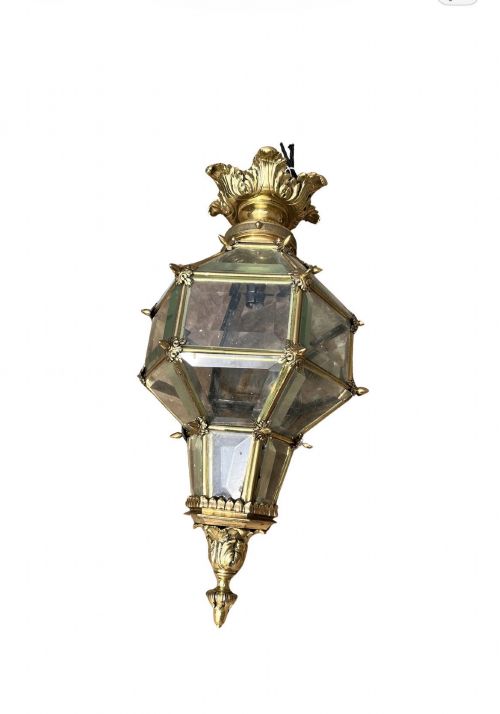
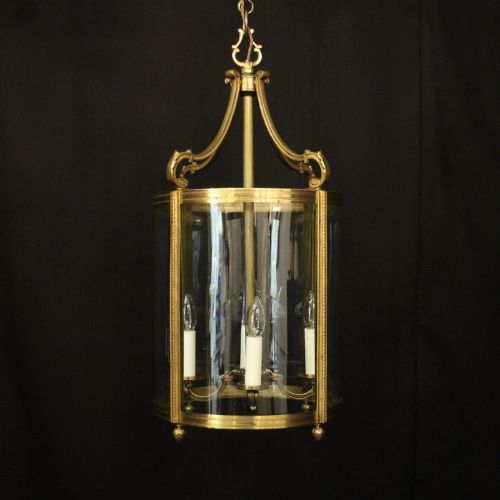
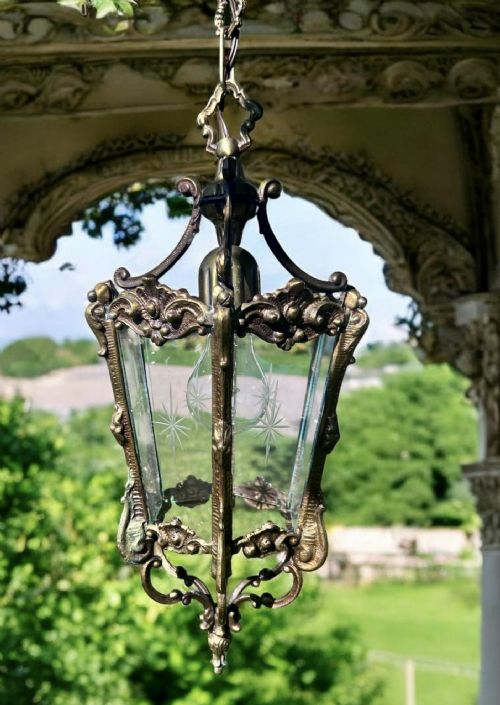


French Chateau Pendant Lantern
A french chateau pendant lantern brings grand architecture indoors, casting atmospheric light through glass panels held by metal frames.
French Chateau Pendant Lantern
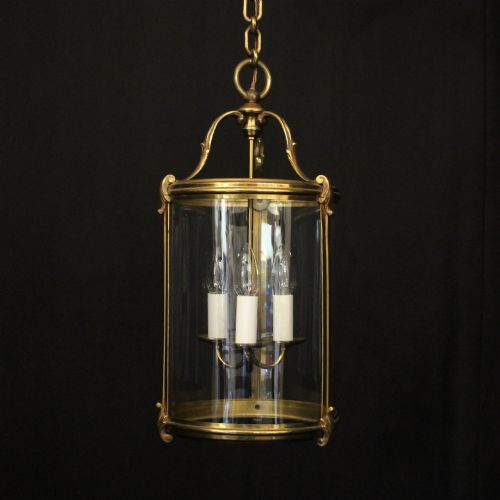
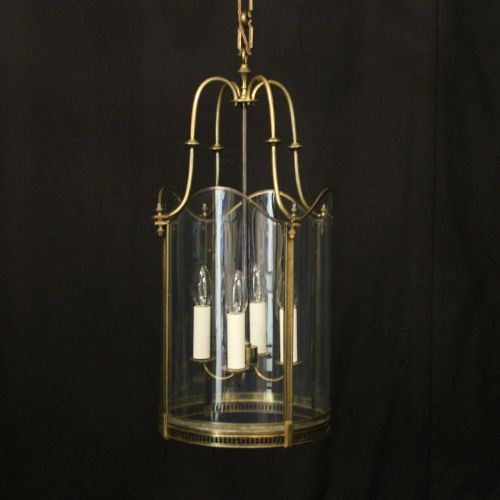
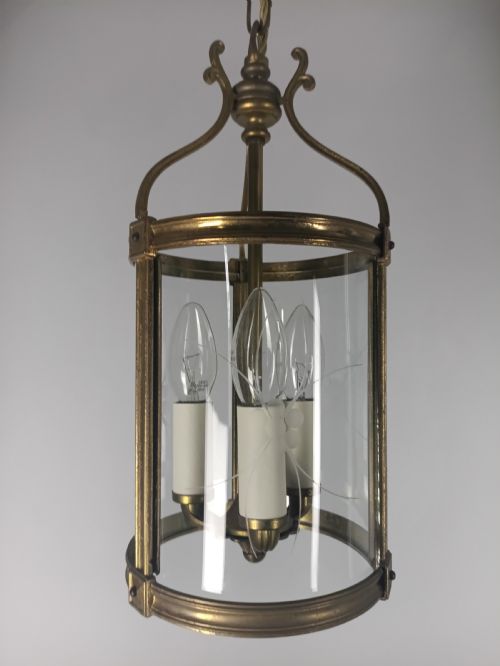
A french chateau pendant lantern is a hanging light fixture designed to illuminate halls, entryways, and principal rooms with a distinctively architectural presence. These pieces adapt historical design motifs into practical overhead lighting for domestic spaces. You encounter forms ranging from simple single-light variants to grand multi-bulb configurations.
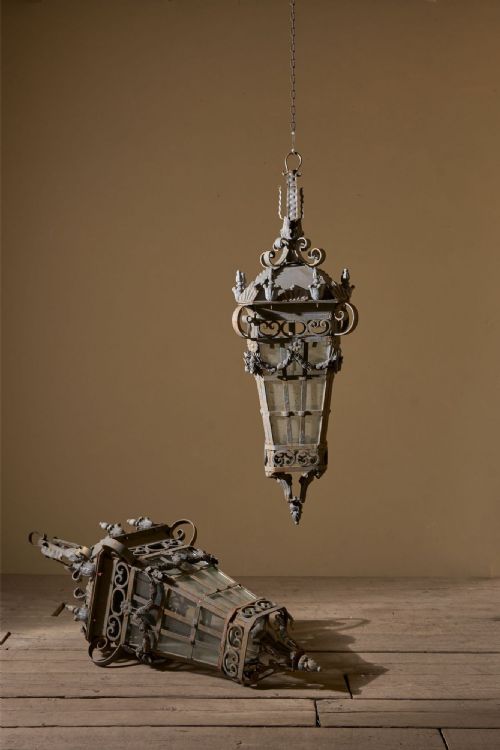
The selections available span from the nineteenth century through the 1930s, capturing diverse stylistic interpretations. You will frequently find pieces designated as hall lanterns, ceiling lights, and pendant lanterns sharing similar proportions and mounting methods. They draw heavily on established French design vocabularies including Louis XVI style, Rococo, and Beaux-Arts traditions.
How they were made
Metals form the structural backbone of these fixtures, with brass, gilt bronze, and gilt brass appearing frequently alongside wrought iron, steel, zinc, and toleware. Metalworkers cast, forged, and soldered these materials into robust frames capable of supporting heavy glass panels. Gilt finishes and polychrome paint treatments were applied to enhance the decorative impact of the metalwork.
Glazing techniques involve flat, curved, convex, etched, and cut glass panels fitted securely into the metal frameworks. Makers designed these panels to diffuse light evenly while protecting the internal bulb arrangements. Metal collars, chains, and suspension loops complete the assembly, allowing the lanterns to hang safely from ceilings.
French Chateau Pendant Lantern Retail Price Guide 2026
Typical asking prices for french chateau pendant lantern among the pieces listed under this phrase on Sellingantiques today, from the lower quarter to the upper quarter. They describe what is for sale here now, not the wider market.
Design styles represented include French Neoclassical, Louis XVI style, Rococo Revival, and Beaux-Arts influences.
What varies in quality
Quality reveals itself in the substance of the metalwork and the precision of the assembly. Finer examples display crisper casting in bronze and brass, with carefully chased details and substantial weight. Lesser pieces rely on simpler stamped components and lighter gauges of metal.
The treatment of the glass contributes significantly to the distinction between tiers of production. Etched, cut, or convex panels require specialised glassmaking skill compared to plain flat panes. The integration of internal light fittings, whether single, twin, triple, or quadruple bulb configurations, also reflects the original ambition of the piece.
The French Chateau Pendant Lantern Glossary
- Convex glass
- Curved glass panels that bulge outward, adding optical depth and wider light dispersion to the lantern. This technique required skilled glassblowing and shaping.
- Gilt bronze
- Bronze metal treated with a thin layer of gold or gold-coloured finish, often referred to as ormolu in French pieces. It provides a durable, lustrous surface.
- Toleware
- Painted or lacquered sheet metal items popular in various historical periods. It offers a colourful alternative to plain brass or bronze.
- Hall lantern
- A pendant light specifically proportioned for narrow corridors, vestibules, and entrance halls. These fixtures focus on downward and lateral illumination.
- Louis XVI style
- A neoclassical design movement characterised by straight lines, symmetry, and classical restraint. It draws upon ancient Greek and Roman architectural motifs.
French Chateau Pendant Lantern: Frequently Asked Questions
Where should I hang a french chateau pendant lantern?
These lanterns suit high-ceilinged entrance halls, stairwells, and principal living spaces where their architectural scale can be properly appreciated. They provide focused overhead illumination while serving as a central decorative focal point.
Ensure adequate clearance beneath the fixture for passage, particularly in hallways or above circulation routes. The hanging height can often be adjusted through the suspension chain to suit the specific room dimensions.
How do I date an antique lantern?
Dating relies on examining the construction methods, metal types, and stylistic indicators present in the frame and glass. Pieces from the nineteenth century often feature heavier cast bronze and hand-finished components, while early twentieth-century examples incorporate varied metals like steel, zinc, and machine-rolled glass.
Maker's marks, wiring styles, and specific revival idioms such as Louis XVI or Rococo also offer chronological clues. Comparing the decorative vocabulary to known period manufacturing trends helps narrow the production era.
Are these lanterns wired for modern electricity?
Many surviving fixtures have been rewired for contemporary electrical standards while retaining their original exterior metalwork and glass components. Listings often note whether a piece has undergone rewiring.
It remains advisable to have a qualified electrician inspect any vintage lighting installation prior to use. They can verify that the internal wiring, bulb holders, and ceiling fixings comply with current safety regulations.
How do I clean and maintain the glass and metal?
Maintenance involves gentle dusting with a soft cloth to prevent particulate buildup on the metal surfaces and glass panels. Avoid abrasive cleaners that might strip gilt finishes or scratch delicate etched glass.
Glass panels can be removed with care for thorough washing when necessary, provided the retaining clips are handled cautiously. Regular inspection of the suspension chain and ceiling fixings ensures the lantern remains securely hung.