




French Chateau Panelling
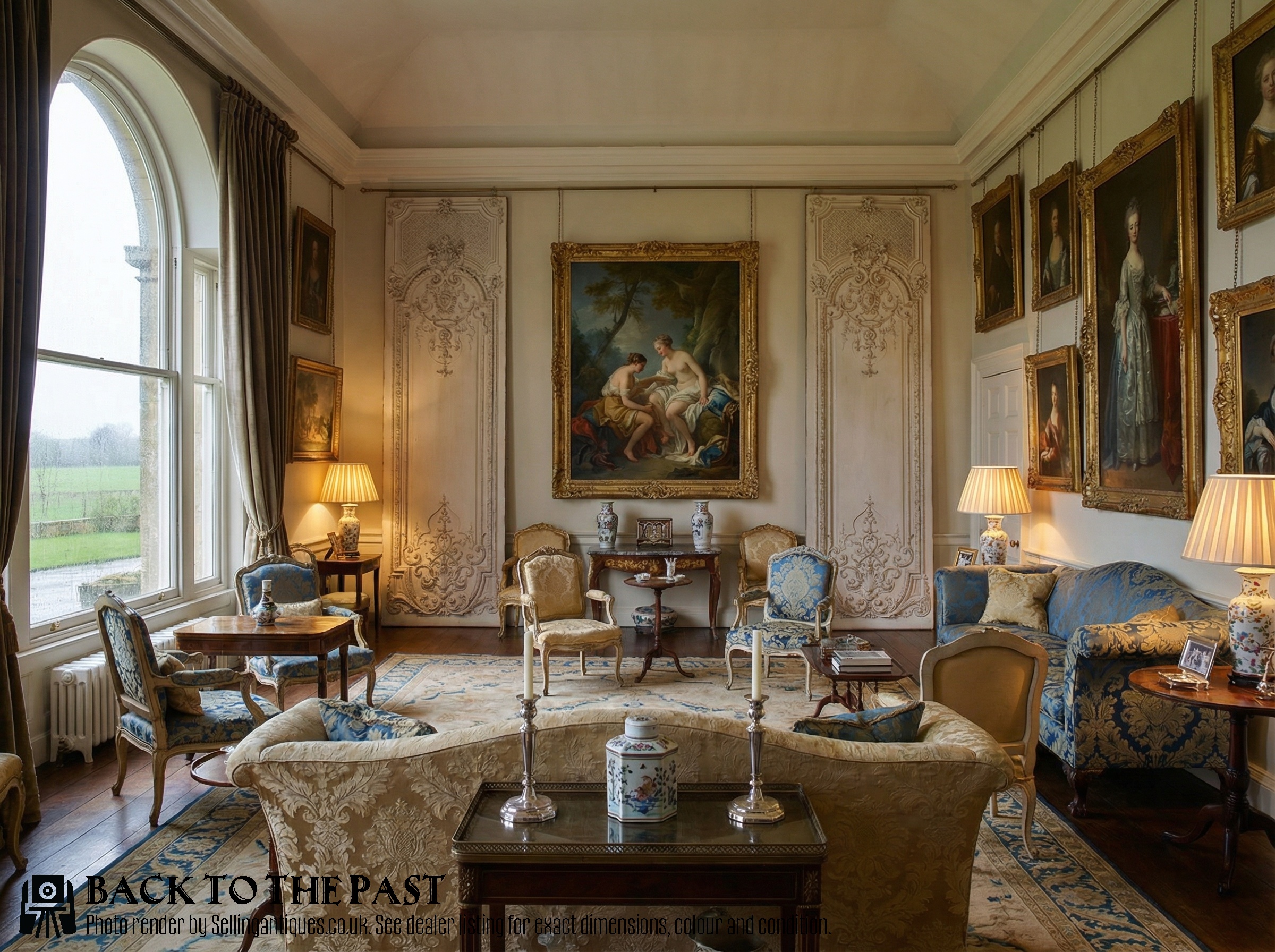
French chateau panelling brings the architectural grandeur of historic European estates directly into domestic interiors through carved wooden panels, trumeau mirrors, and decorative architectural salvage.
French Chateau Panelling
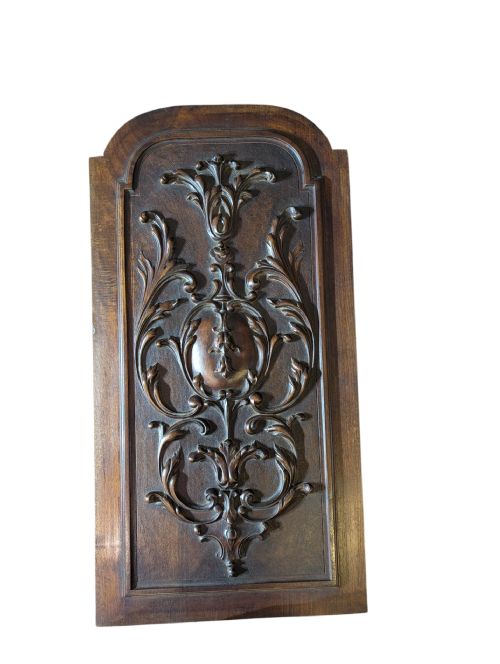
When buyers search for french chateau panelling, they encounter a selection of architectural elements, carved wooden panels, trumeau mirrors, and decorative screens originating from French buildings. The objects span periods from the eighteenth century through to the early twentieth century, reflecting classical motifs and provincial tastes.
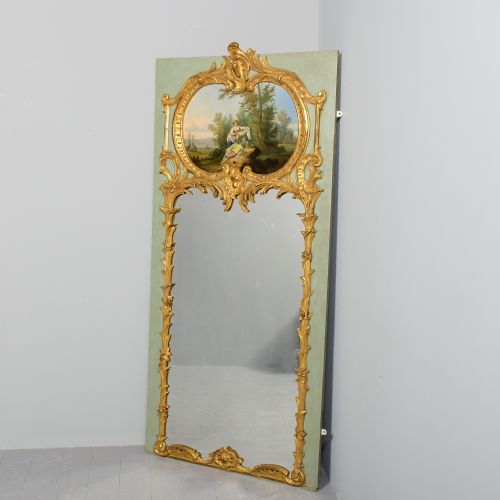
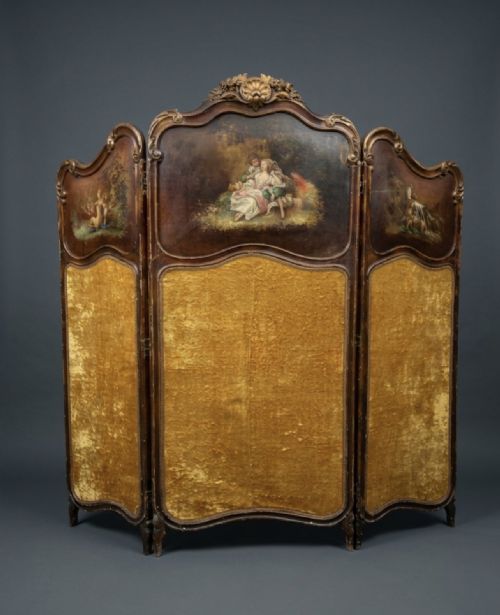
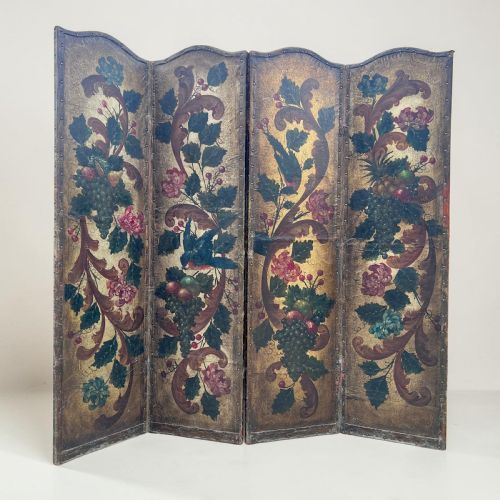
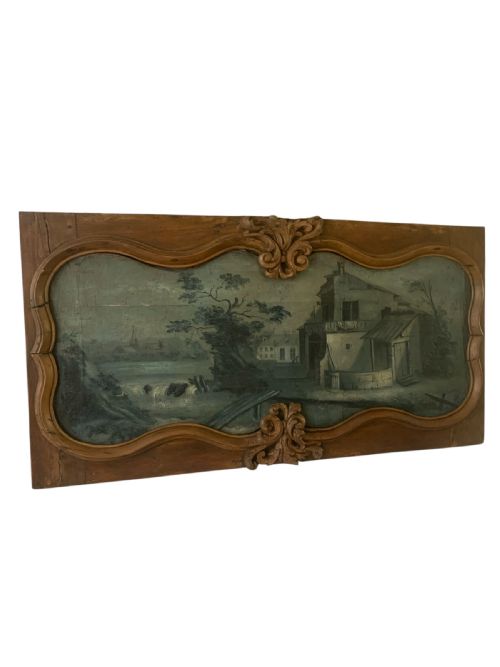
The most common forms on this page include painted and gilded trumeau mirrors, carved wooden wall panels, and folding screens with painted canvas or leather. These items originate from French provincial settings and grander domestic interiors, capturing the aesthetic of historical chateaux.
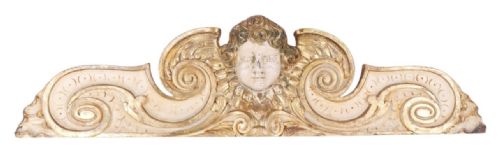
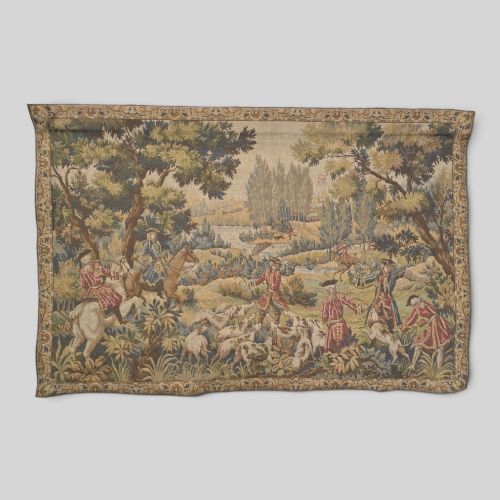
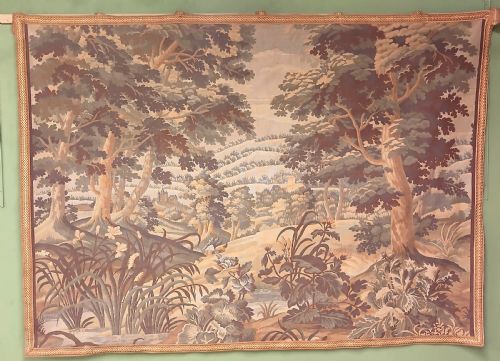
The selection also encompasses related architectural salvage such as overdoors, tapestries, and boiserie wall panels. Each piece demonstrates the craftsmanship and decorative styles associated with French interior design across multiple centuries.
Materials and construction techniques
Makers utilised wood, including carved walnut and painted timber, as the primary structural foundation for panels, frames, and architectural elements. Artisans applied hand-carved details, often incorporating classical motifs, cherubs, and ornate floral reliefs directly into the timber.
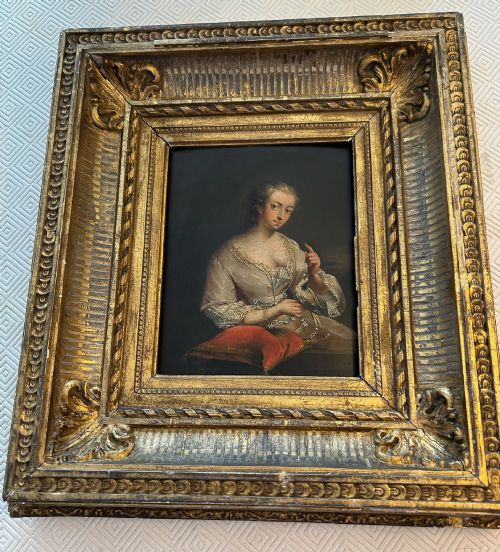
Surface decoration frequently involved paint, gold leaf, and giltwood applied over wood or canvas bases. Painters executed hand-painted scenes and portraits, whilst gilders used gold leaf to highlight carved reliefs and mouldings on trumeau mirrors and boiserie panels.
Listings feature materials including carved wood, giltwood, brass, glass, canvas, and hand-painted surfaces across the eighteenth and nineteenth centuries.
Distinctions in quality
Quality in these architectural pieces rests upon the depth and precision of the hand-carving and the preservation of original surfaces. Pieces displaying crisp, deeply undercut wood carving and intact original gilding or hand-painted details sit at the higher end of the range.
The harmony between the decorative panels and their original framing also dictates the calibre of the piece. Trumeau mirrors and boiserie panels that retain their original integrated artwork, glass, and harmonious proportions demonstrate superior craftsmanship compared to later assembled compositions.
Poix Blin·Edmond Defonte
The French Chateau Panelling Glossary
- Trumeau mirror
- A decorative wall mirror featuring an integrated painted or carved panel above the glass. This form was traditionally set into the wood panelling of eighteenth and nineteenth century reception rooms.
- Boiserie
- French wood panelling used to line the interior walls of grand rooms. It typically incorporates carved mouldings, stiles, and rails.
- Giltwood
- Wood that has been coated with a thin layer of gold leaf or powder. This finish is frequently observed on ornate mirrors and decorative panels.
- Overdoor
- An architectural element positioned directly above a doorway. These often feature carved wooden reliefs, painted panels, or figural motifs.
French Chateau Panelling: Frequently Asked Questions
What is french chateau panelling?
French chateau panelling encompasses carved wooden wall panels, boiserie, and associated decorative elements such as trumeau mirrors and overdoors sourced from historic French buildings. These pieces reflect centuries of interior design traditions, ranging from provincial workshops to grand estate rooms.
Buyers select these items to introduce authentic architectural character and historical depth into modern domestic spaces. The category includes both structural wood panels and decorative wall furnishings from the eighteenth to the twentieth centuries.
How were antique trumeau mirrors used?
Trumeau mirrors were originally designed to be built directly into the decorative wood panelling of French salons and reception rooms, positioned above mantelpieces or between windows. Their integrated painted or carved upper panels served to balance the room's decorative scheme.
Today, they function as standalone wall mirrors that bring light and classical proportion into hallways, living rooms, and bedrooms. Their dual nature as both mirror and artwork makes them versatile focal points in contemporary interiors.
How do I identify eighteenth century panels?
Eighteenth century wooden panels typically exhibit hand-carved details executed in native timbers such as walnut or oak, finished with early paint layers or gold leaf. The joinery and tool marks on the reverse often reveal traditional hand-working methods distinct from later machine production.
Examining the style of the carved motifs, such as Rococo asymmetry or classical symmetry, helps align the piece with specific historical periods. Patina accumulated through decades of use also indicates significant age.
Where should I place a room divider screen?
Folding screens featuring painted leather, canvas, or carved wood serve as flexible partitions to zone large open-plan spaces or to create intimate corners within a room. They can also stand flat against a wall as a decorative panel when floor space is limited.
When positioning a screen, consider natural light angles to highlight hand-painted details and surface textures. Ensure the hinges operate smoothly to allow the panels to fold without straining the antique fabric or wood.