



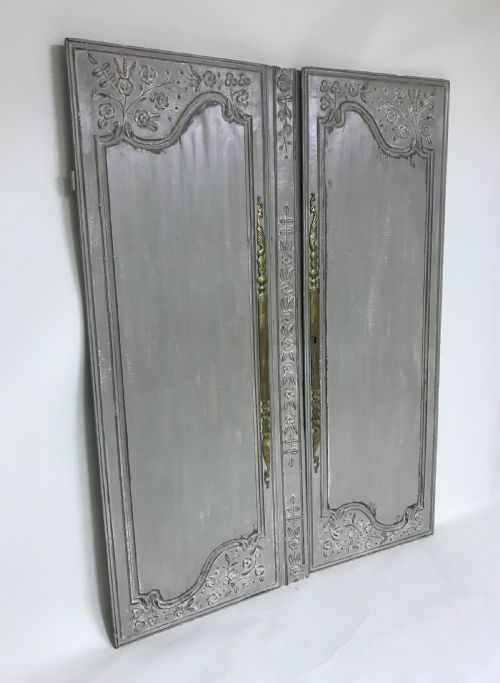
French Chateau Doors
French chateau doors are grand architectural elements that bring historic proportion and substantial timber character to modern interiors.
French Chateau Doors
French chateau doors are architectural salvage pieces originating from historic properties, encompassing sets and pairs designed for substantial interior or exterior openings. The pieces found on this page span several centuries, with nineteenth-century examples and eighteenth-century origins appearing frequently alongside later nineteenth-century adaptations.
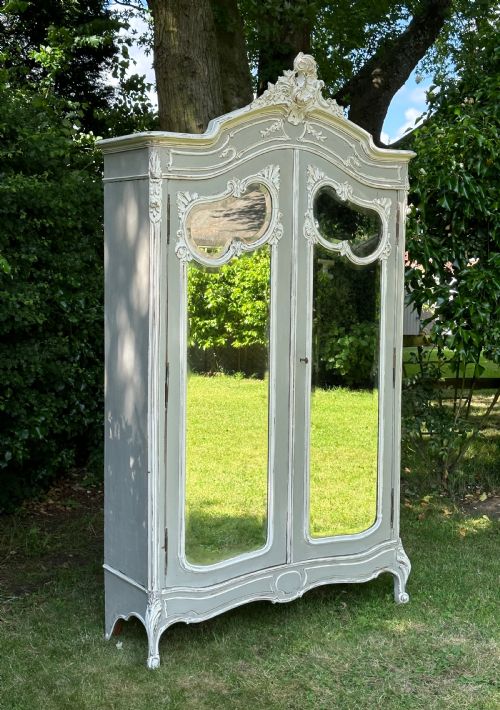
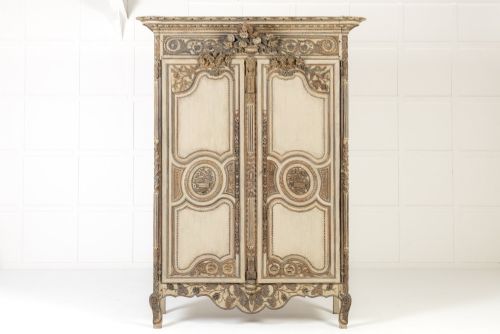
Buyers encounter these objects primarily in sets and pairs constructed from heavy timber, often incorporating glazed panels or intricate carved details. The selection ranges from robust oak and walnut assemblies to painted wood finishes that reflect distinct provincial and classical design influences.
How They Were Made
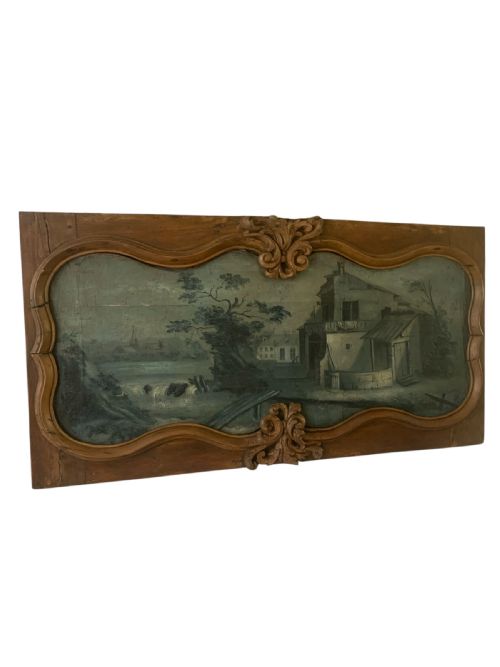
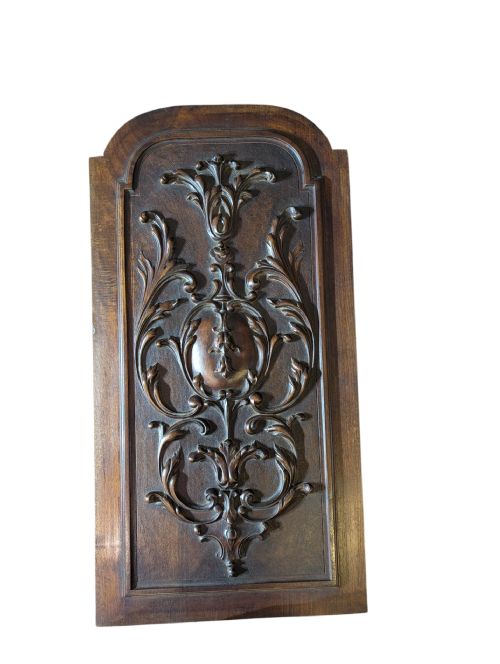
Traditional construction relies on dense hardwoods such as oak and walnut, joined to withstand the weight of tall panels and frequent movement. Artisans shaped these timbers using hand-carving techniques, producing relief panels, overdoor elements, and decorative mouldings.
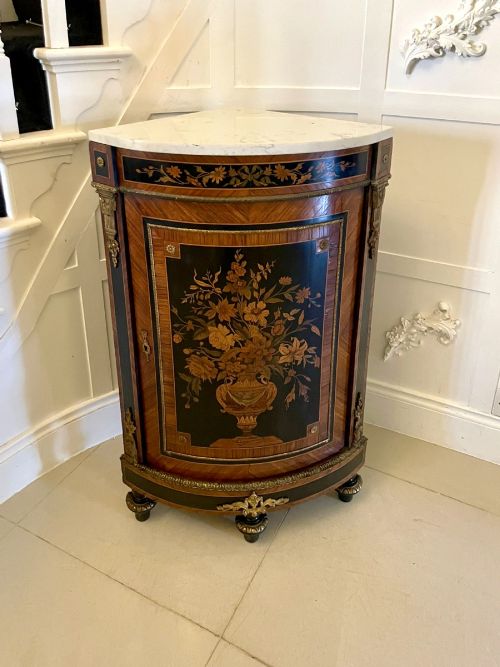
Surface treatments vary between natural wood finishes, painted coatings, and applied brass or crystal hardware details. Glass panes, where integrated, range from plain to etched designs fitted securely within the wooden frames.
French Chateau Doors Retail Price Guide 2026
Typical asking prices for french chateau doors among the pieces listed under this phrase on Sellingantiques today, from the lower quarter to the upper quarter. They describe what is for sale here now, not the wider market.
Listings feature oak, walnut, and painted wood materials spanning from the eighteenth century through the twentieth century.
What Varies in Quality
The standard of a set rests upon the depth and precision of the hand-carved detailing executed by the artisan. Crisp relief work on panels and mouldings distinguishes finer work from simpler utilitarian output.
Integrity of the timber grain and the original state of the wood contribute significantly to the grade of the piece. Intact structural joins and well-preserved painted or natural surfaces indicate superior preservation.
The French Chateau Doors Glossary
- Architectural salvage
- Building components rescued from demolition or renovation for reuse in other projects. These items retain historical craftsmanship no longer common in modern construction.
- Painted wood
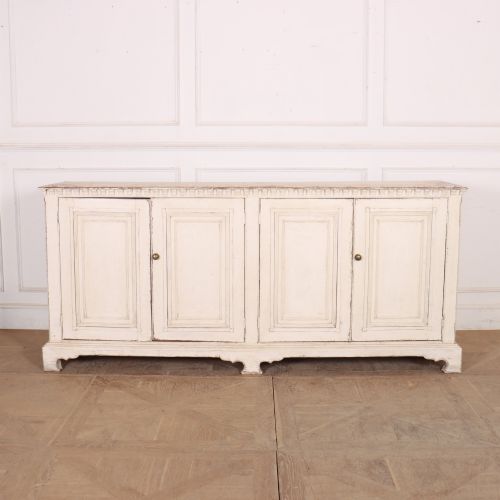
- Timber surfaces coated with traditional pigments or modern neutral finishes. This treatment protects the underlying material while altering the visual weight of the furniture.
- Pelmet
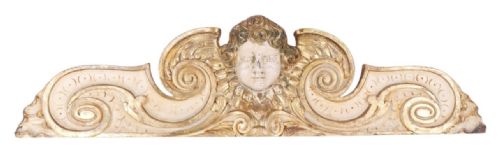
- A wooden framework mounted above a door or window to conceal hardware and curtain fixtures. Hand-carved examples echo the decorative style of associated architectural fittings.
French Chateau Doors: Frequently Asked Questions
How do I install antique doors?
Installation requires professional assessment of weight bearing capacity and frame alignment. Carpenters often need to plane edges or adapt historic timber dimensions to fit modern openings.
Hardware placement must account for the substantial mass of hardwood panels. Using original or period-compatible latches and hinges ensures smooth operation.
Can these doors be used outside?
Most historic panels require sheltered exterior positioning or interior placement to prevent weather damage. Exposure to moisture degrades traditional joints and painted finishes.
Applying appropriate protective treatments helps preserve exposed timber. Interior use remains the safest method for maintaining original surface patinas.
How do I clean painted wood?
Maintenance involves gentle dusting with a soft dry cloth to remove surface particles. Avoid harsh chemical cleaners that strip historic pigments or modern paint layers.
Stubborn marks require mild soap solutions applied sparingly and dried immediately. Preserving the integrity of the underlying timber dictates cleaning frequency.
Are these doors sold in sets?
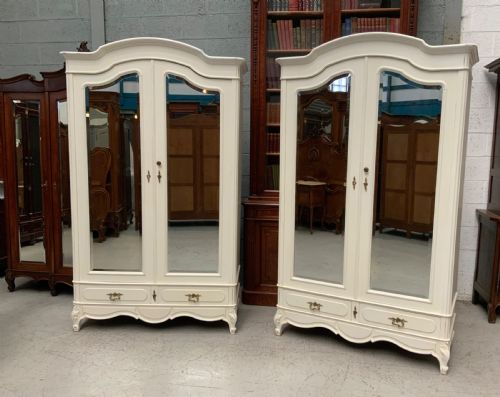
Listings include both individual pairs and larger numbered sets spanning multiple panels. Multi-piece groups provide uniformity for dividing expansive spaces or large room openings.
Matching sets often originate from the same architectural commission or room context. Checking panel heights and widths confirms whether individual components match.