



French Chateau Ceiling Lantern
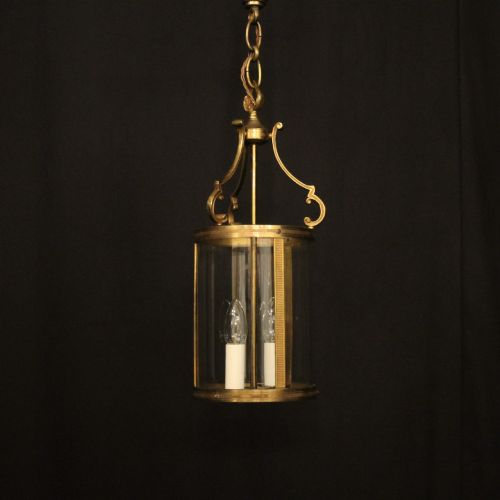
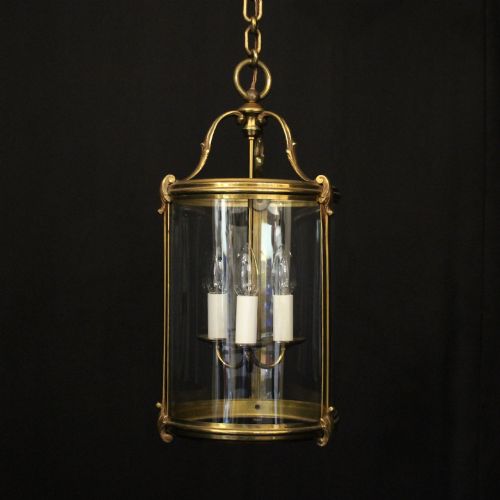
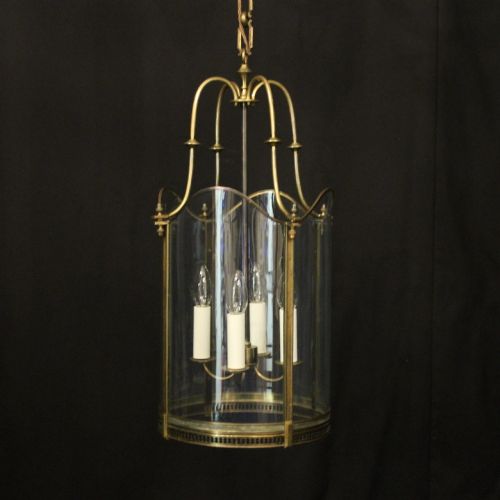
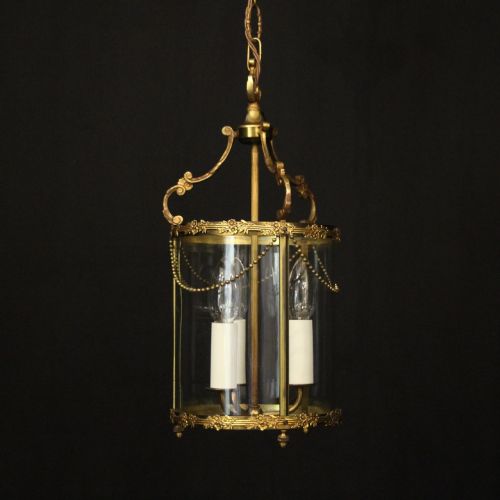
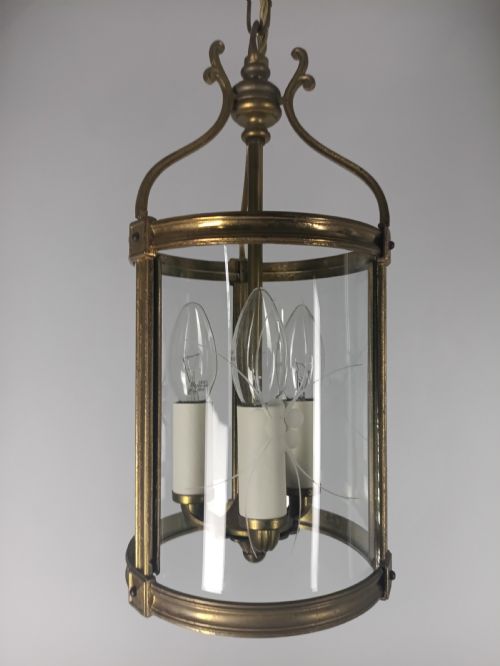
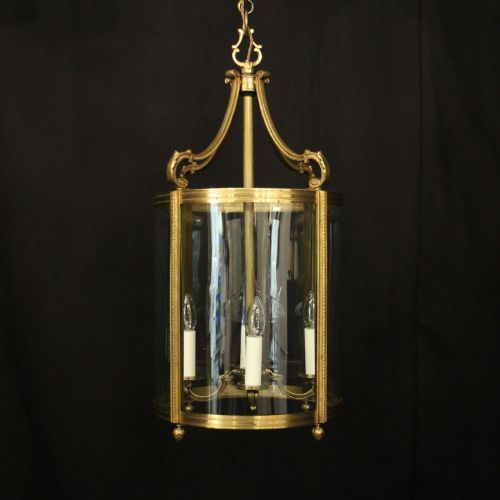
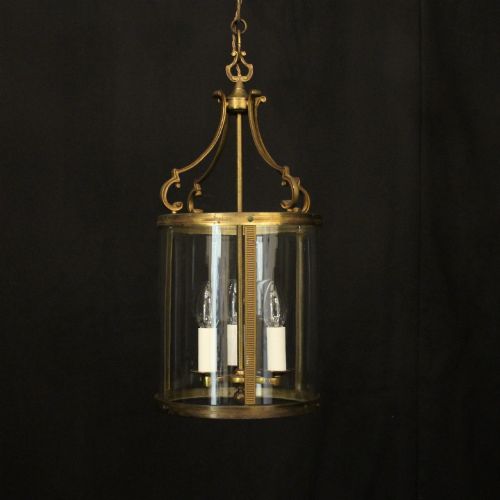
A French chateau ceiling lantern brings grand lighting into a hallway, cast in brass, bronze, and gilt metal.
French Chateau Ceiling Lantern
A French chateau ceiling lantern serves as an architectural overhead light designed for hallways, porches, and grand entryways. These fixtures draw upon historical French design traditions, including Louis XVI, Rococo, and Neoclassical styles.
The version most commonly met on this page combines a metal framework with glazed glass panels and internal bulb fittings. They appear frequently from the nineteenth century through the early decades of the twentieth century.
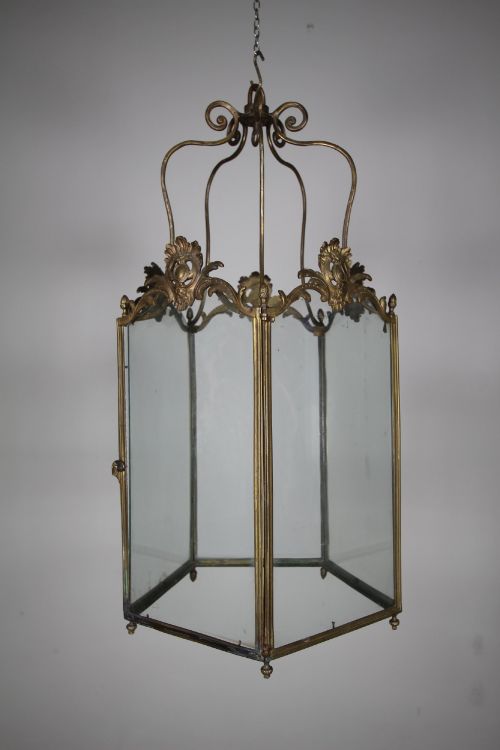
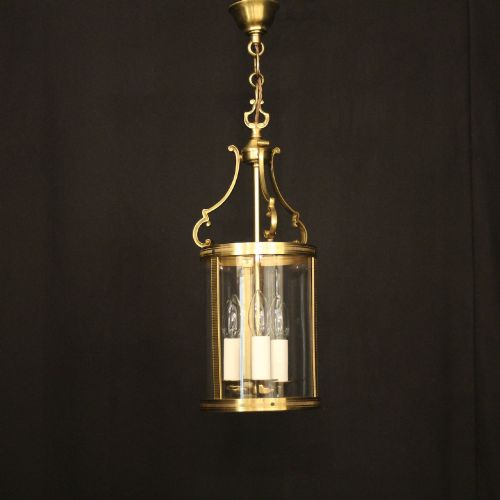
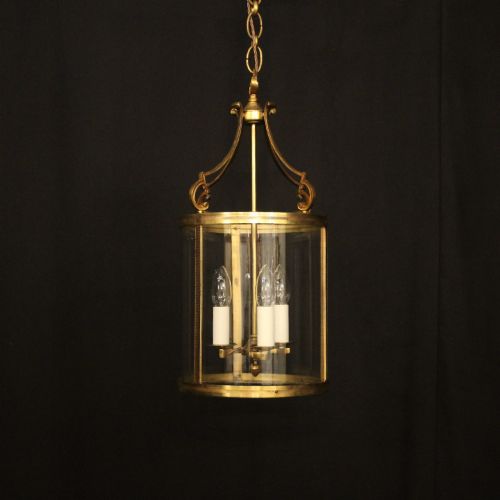
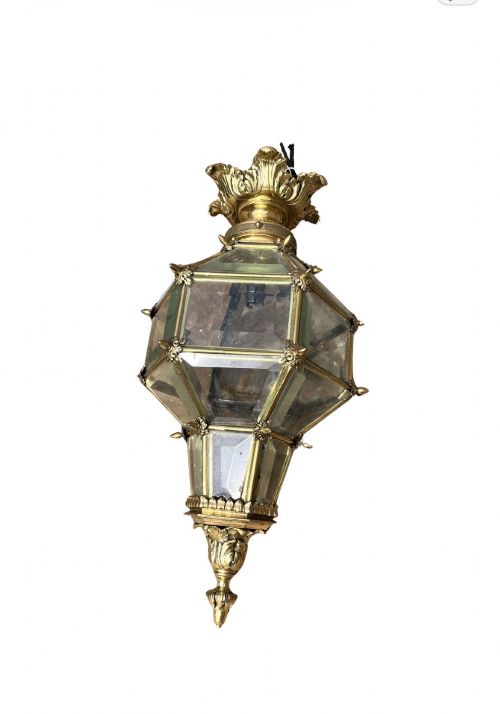
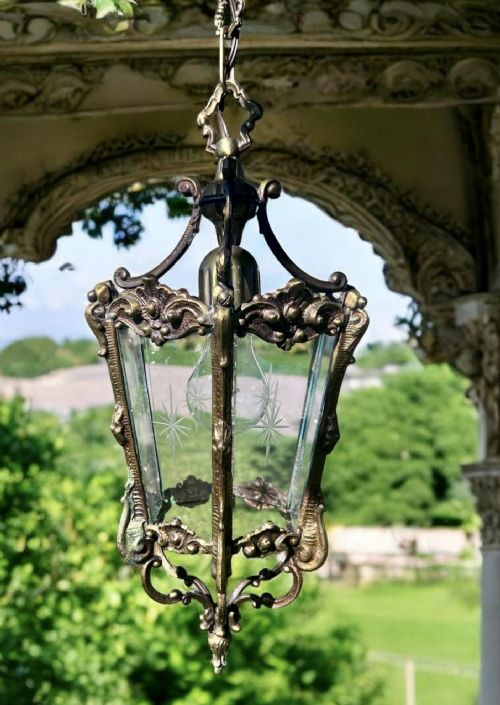
Makers utilised various forms such as hexagonal frames, convex glass shapes, and hanging pendants to distribute light downwards. Each piece reflects grand domestic interior schemes originating from French workshops.
Materials and construction
Construction relies heavily on cast and formed metals, including brass, bronze, steel, and gilt metal frameworks. Metalworkers gilded or polished these structures to create reflective surfaces that complemented internal illumination.
Glazing involves fitted glass panels, sometimes etched or curved into convex shapes to diffuse the light from single, twin, or triple internal bulbs. Master artisans joined these elements using traditional mechanical fixings and lead framing.
French Chateau Ceiling Lantern Retail Price Guide 2026
Typical asking prices for french chateau ceiling lantern among the pieces listed under this phrase on Sellingantiques today, from the lower quarter to the upper quarter. They describe what is for sale here now, not the wider market.
Convex glass panels bend light just enough to make hallway walls dance.
Assessing quality and execution
Quality separates through the weight of the metal casting and the crispness of decorative chased details upon the bronze or brass frames. Superior examples display intricate ornamentation that remains sharp and well-defined across every scroll and leaf.
The integration of the glass panels dictates the refinement of the piece, with convex or etched glass requiring advanced manufacturing skill. Heavier framing and multi-light internal configurations indicate a more ambitious domestic commission.
The French Chateau Ceiling Lantern Glossary
- Convex glass
- Curved glass panels that project outward to soften and disperse light evenly. This technique creates a rounded profile on the lantern body.
- Gilt bronze
- Bronze metal treated with a thin layer of gold or gold-coloured finish to produce a lustrous appearance. This material resists tarnishing while providing a rich decorative surface.
- Hall lantern
- An overhead lighting fixture specifically proportioned for narrow corridors, stairwells, and entrance spaces. These fixtures hang close to the ceiling via chains or fixed rods.
- Louis XVI style
- An aesthetic movement characterised by classical symmetry, straight lines, and restrained neoclassical ornamentation. It draws inspiration from the art and architecture of the reign of Louis XVI.
- Toleware
- Painted or lacquered sheet metal items decorated with polychrome finishes. This material introduces colour and contrasting tones to the metalwork.
French Chateau Ceiling Lantern: Frequently Asked Questions
Where should a ceiling lantern hang?
These fixtures suit high-ceilinged entryways, grand hallways, and stairwells where an overhead light provides both utility and presence.
Ensure adequate clearance beneath the lowest point of the hanging fixture for safe passage.
How do I date an antique lantern?
Dating relies upon examining the casting methods, metal patination, and the styling details that align with nineteenth-century or early twentieth-century periods.
Wiring methods and screw types also offer clues to the age of the electrical adaptation.
Are these lanterns rewired for modern use?
Many examples feature updated internal electrical components to meet contemporary safety standards while retaining their original historic metal frames.
Check individual listings to confirm the current wiring status before installation.
What styles are typical for these lights?
Common stylistic influences include French Rococo, Louis XVI, and Neoclassical designs featuring decorative bronze and brass work.
These motifs reflect historical French interior decoration trends.