
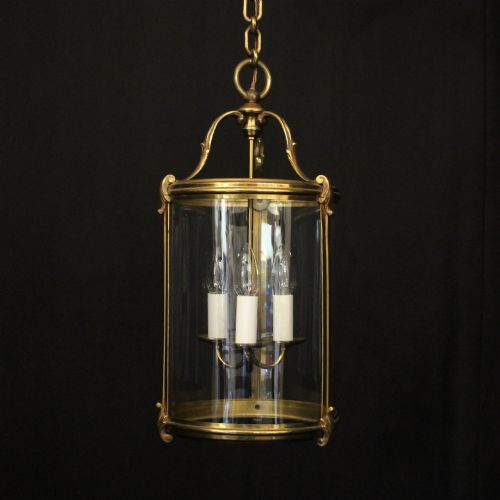


French Chateau Candelabra
These French chateau candelabra bring genuine domestic grandeur through cast bronze, gilt metal, and crystal branches.
French Chateau Candelabra
When looking for French chateau candelabra, buyers encounter varied lighting forms including multi-branch table pieces, wall lights, and girondelles spanning the nineteenth and early twentieth centuries. The selection on this page centres heavily on paired items, featuring two to six branch formats alongside matching wall sconces and lanterns.
Makers and designers drew upon established historical aesthetics, producing works in Louis XIV, Louis XVI, French Empire, and Rococo Revival styles. These decorative lighting objects originated to illuminate formal rooms, utilising rich gilding and sculptural figures such as cherubs to catch candlelight.
The materials span cast metals and natural stones, combining brass, ormolu, and patinated bronze with marble or porphyry bases. Crystal drops and glass components frequently accompany the metalwork, particularly on pieces from the later nineteenth century and the nineteen twenties.
How they were made
The primary metal components rely on traditional foundry techniques, casting brass, bronze, and ormolu into complex, sculptural forms. Artisans then chased the surfaces by hand to sharpen details on foliage, cherubs, and classical motifs before applying gilding or patination.
Stonework elements incorporate turned and polished marble or porphyry, serving as substantial bases that anchor the heavy metal branches above. Crystal and glass additions, including prisms and drops, are wire-bound or pinned directly into the metal frame to refract light.
Several chubby-cheeked bronze cherubs hold up branches, apparently unfazed by supporting centuries of heavy French illumination.
What varies in quality
Quality rests significantly in the crispness of the metal chasing and the depth of the original gilding or bronze patination. Finer examples display high relief modeling on figural elements like cherubs and botanical motifs, whereas lesser pieces show softer, shallower surface details.
The choice and integration of secondary materials also divide the range, with solid marble or porphyry bases and heavy crystal components marking out superior production. Construction rigidity and the harmonious proportion of branches to the central stem dictate the overall visual success of the piece.
The French Chateau Candelabra Glossary
- Ormolu
- A gilded bronze technique utilising a mercury amalgam popular in French decorative arts. This process yields a deep, warm golden finish that resists tarnishing over decades.
- Girondelle
- A type of wall sconce or candelabrum featuring attached mirrors or crystal drops designed to multiply candlelight. They reflect illumination effectively across period interiors.
- Porphyry
- A rich, purple-red igneous rock with large crystal inclusions used for ornamental bases. Its density and distinct colour made it a favoured material for high-end nineteenth-century mounts.
- Cloisonné
- An ancient decorative metalwork technique where enamel paste fills compartments wired to a metal surface. Pieces incorporating this method display vibrant coloured patterns alongside ormolu mounts.
- Sconce
- A wall-mounted lighting fixture designed to hold candles or electric bulbs. These fixtures project illumination outward from wood-panelled or papered walls.
French Chateau Candelabra: Frequently Asked Questions
How are these candelabra cleaned?
Dust metal surfaces gently with a soft, dry brush to preserve delicate gilt finishes and patination.
Avoid liquid cleaners entirely on ormolu and gilded areas, as chemical solutions strip the historic surface layers.
Can these be converted to electricity?
Many examples adapt successfully to wired domestic lighting using internal candle tubes that conceal modern flex.
Consult a qualified restorer to ensure wiring runs safely through existing structural channels without altering the metalwork.
Where were these traditionally placed?
Candelabra typically stood upon mantelpieces, console tables, or large sideboards within principal reception rooms.
Wall variants hung in pairs flanking mirrors, doorways, or tapestries to maximise reflected illumination.
How do I identify a reproduction?
Examine the casting quality, screw threads, and surface wear under magnification for signs of modern manufacturing.
Period pieces exhibit hand-chased tool marks and natural material ageing rather than uniform machine finishing.