


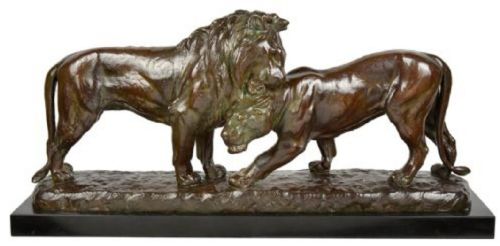
French Cast Metal Statue
When you handle a French cast metal statue, you touch a tradition of foundry work that populates interiors and gardens with bronze, spelter, and cast iron figures.
French Cast Metal Statue
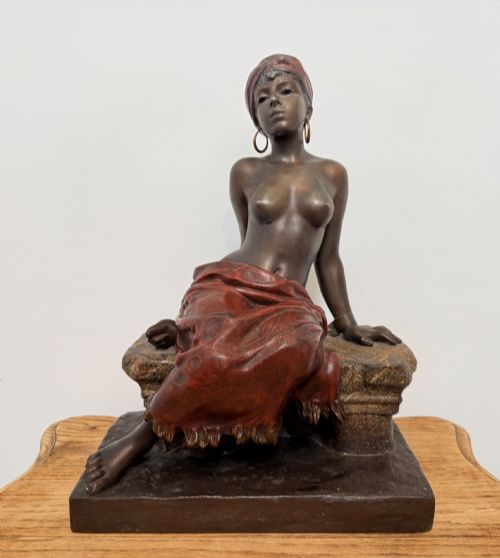
A French cast metal statue brings domestic and garden spaces into contact with nineteenth-century foundry production, encompassing everything from animalier subjects to human figures. When exploring this phrase, collectors encounter table lamps, desk stands, and freestanding sculptures cast in materials ranging from bronze to spelter and iron. These pieces often reflect movements such as Art Nouveau, Art Deco, Neoclassical, and Orientalist styles.
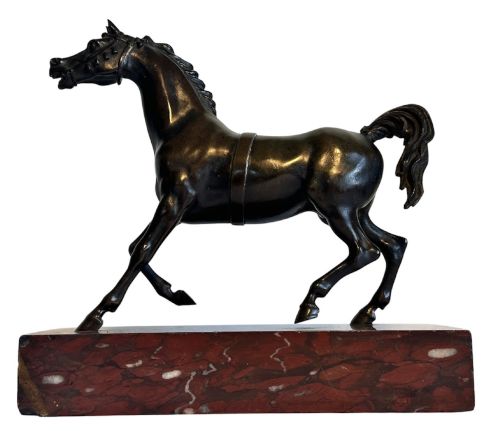
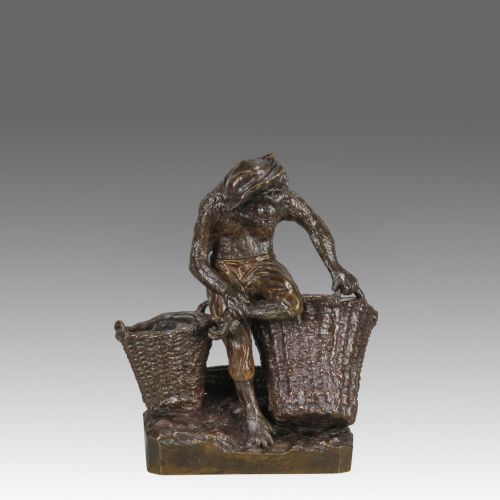
The most common examples on this page include animal studies like dogs, lions, and horses, alongside human figures representing historical, mythological, or everyday subjects. Foundry marks and signatures frequently appear on the bases, linking pieces to makers and workshops active during the Victorian era and the early twentieth century. Buyers select these works for their decorative presence and the quality of their cast detail.
Evaluating the casting and finish
Quality rests in the crispness of the chase work, where finer casts retain sharp feather, fur, and facial details without blurring from worn moulds. Superior patination shows depth and varied tones rather than a flat, uniform coat of paint.
The integrity of the mount and the weight of the metal distinguish standard production items from workshop pieces bearing foundry seals or known signatures. Heavier bases and secure fixings demonstrate superior construction.
Listings feature works from the nineteenth and twentieth centuries, incorporating materials such as bronze, marble, spelter, and cast iron.
E Villanis·Christophe Fratin·Arthur Waagen·Georges Van Der Straeten·Louis Riche·Adrien Gaudez·Isidore Bonheur·AL Barye
The French Cast Metal Statue Glossary
- Animalier
- A nineteenth-century artistic style focusing on the realistic depiction of animals, particularly dogs, lions, and horses. Sculptors in this tradition studied anatomy closely.
- Spelter
- A zinc alloy commonly utilised as a less expensive alternative to bronze for decorative figures and lamps. It takes patination and paint readily.
- Patination
- The chemical or natural surface colouring applied to metal sculptures. It enhances definition and protects against environmental wear.
- Foundry
- A workshop or factory where metal is melted and poured into moulds to create statues. Notable examples include the Val d’Osne foundry.
French Cast Metal Statue: Frequently Asked Questions
How do I clean a bronze statue?
Dust gently with a soft, dry cloth to remove surface particles without disturbing the underlying patina.
Avoid using water, soap, or abrasive metal polishes, which strip historical finishes and damage the surface.
What is the difference between bronze and spelter?
Bronze is a heavy, durable copper alloy that holds fine detail and develops a rich natural patina over time.
Spelter is a softer, lighter zinc-based metal that requires a painted or bronze-toned surface coating to mimic true bronze.
Where were these statues originally displayed?
Nineteenth-century figures typically decorated drawing rooms, libraries, and studies upon mantelpieces, desks, or specialised pedestals.
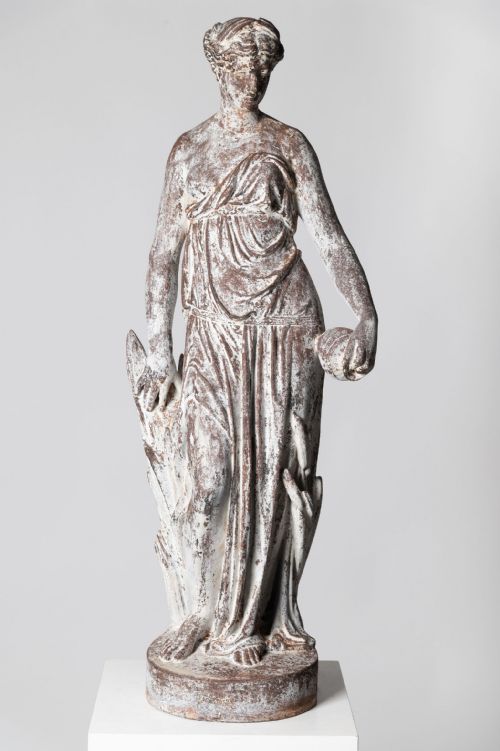
Larger cast iron examples stood in gardens, courtyards, and entrance halls as architectural ornaments.
How can I identify a foundry mark?
Look along the lower edges, base, or underside of the metal figure for stamped names, seals, or cachets.
These foundry stamps indicate the commercial establishment responsible for casting the work from the sculptor's model.