


French Cast Brass
French cast brass pieces are decorative and functional metalwork objects ranging from wall lights and chandeliers to fire screens, valued for their ornate period styling.
French Cast Brass
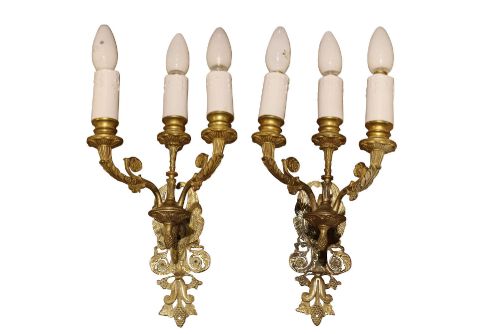
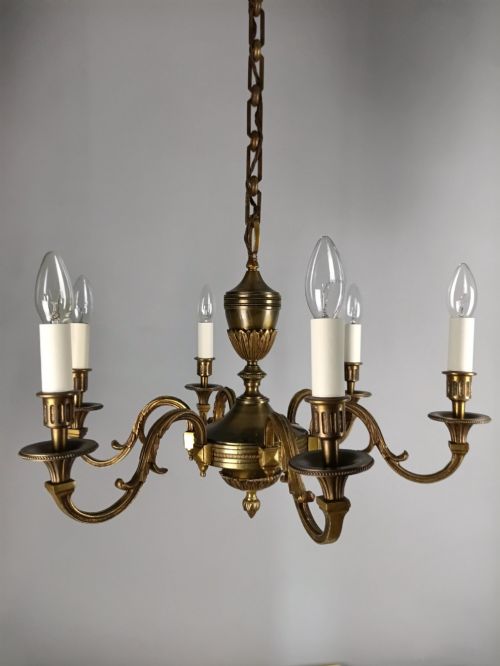
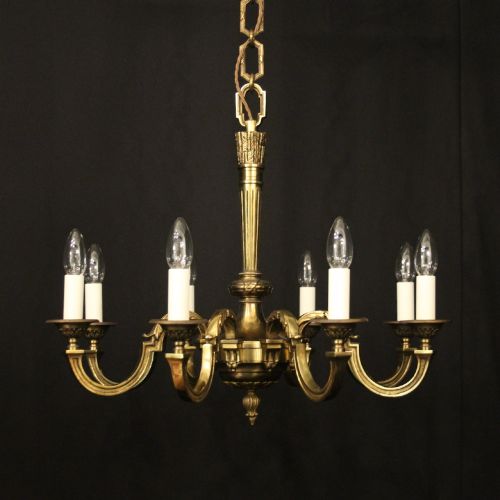
French cast brass objects encompass a wide variety of domestic furnishings and decorative items, notably lighting fixtures such as wall sconces, chandeliers, and table lamps. Buyers searching for French cast brass frequently encounter items associated with the nineteenth century, including various revival styles and decorative accessories.
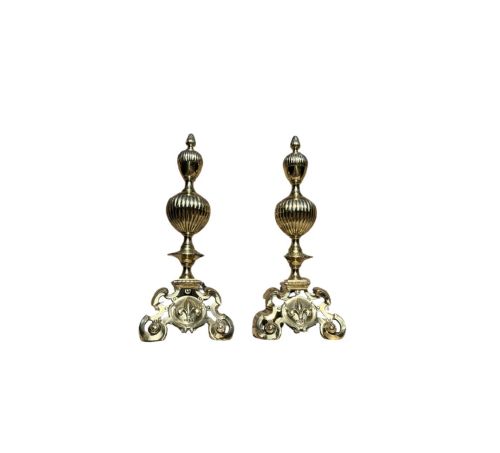
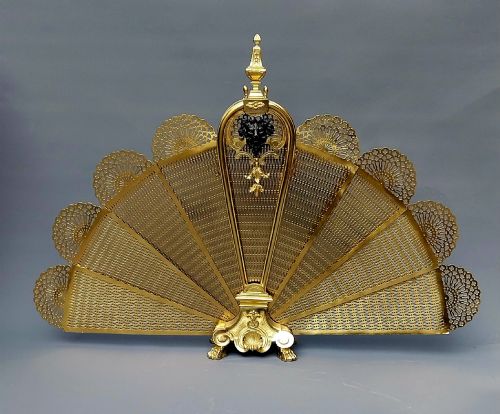
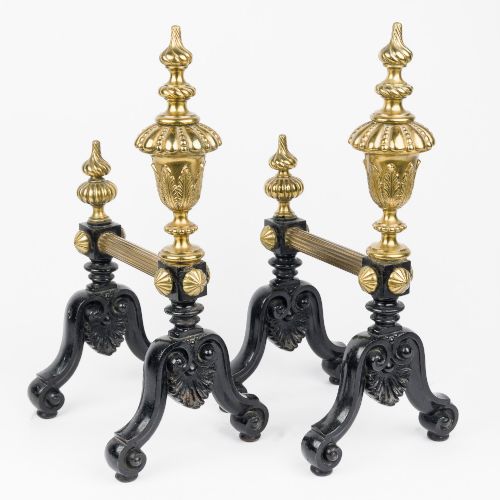
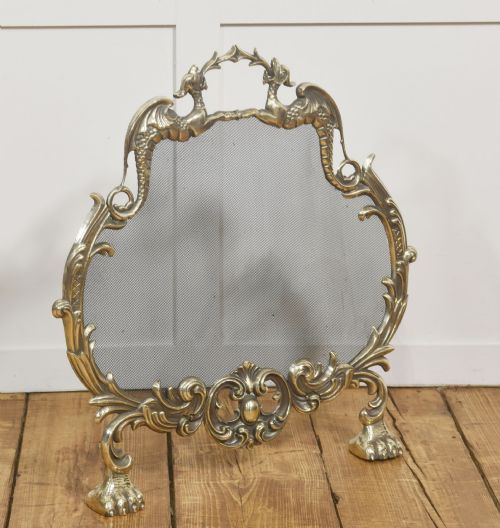
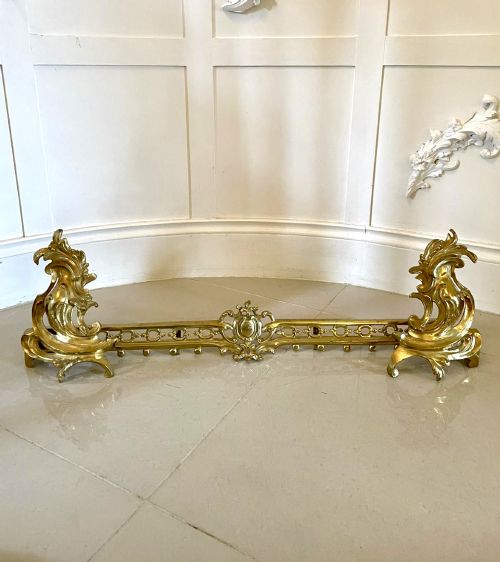
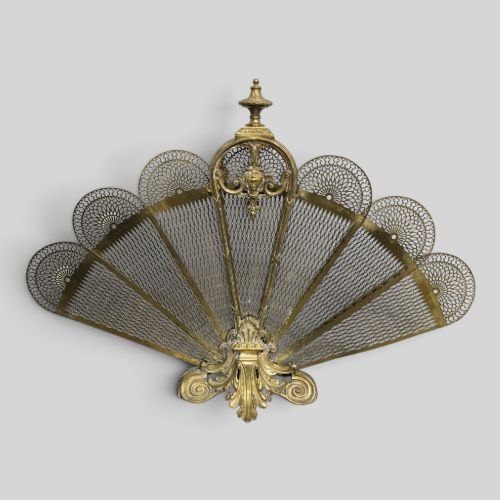
The selection includes functional hearth equipment like fire screens, fenders, and fire dogs, alongside occasional furniture such as bistro tables and gueridons. These pieces often incorporate mixed materials alongside brass, reflecting traditional French domestic interiors from different periods.
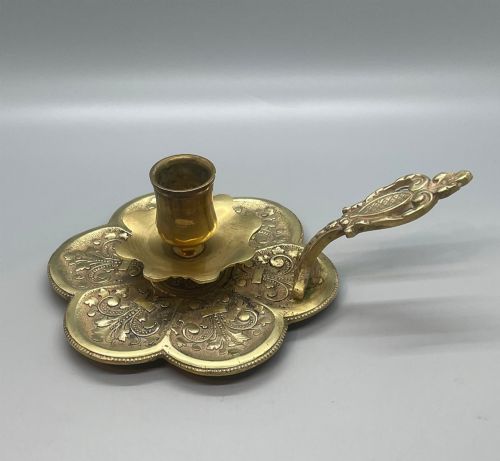
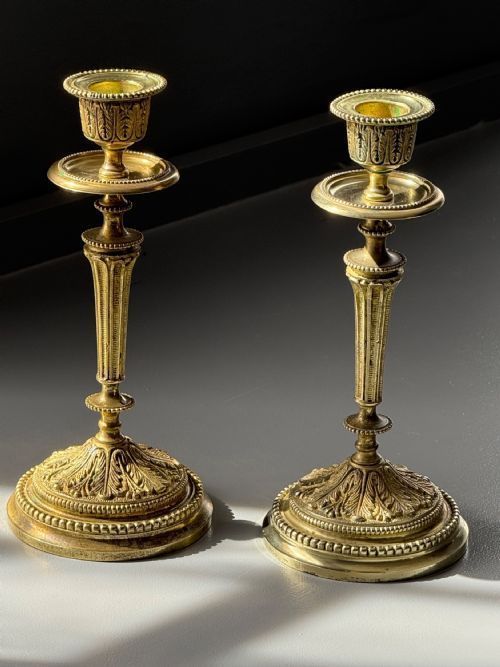
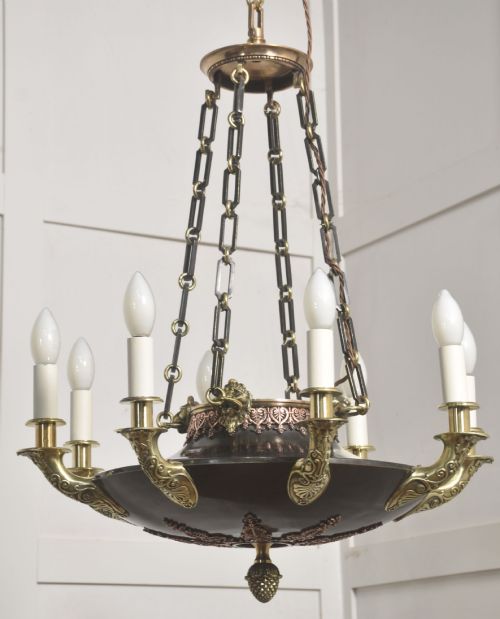
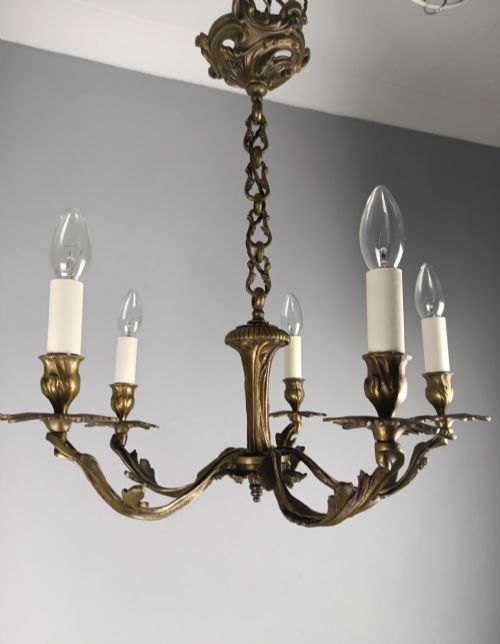
Stylistically, the items draw upon historical design movements such as Rococo, Neoclassical, Art Nouveau, and Empire Revival. Pieces range from single candleholders and small lamps to large multi-light chandeliers and ornate clock garnitures.
Materials and construction
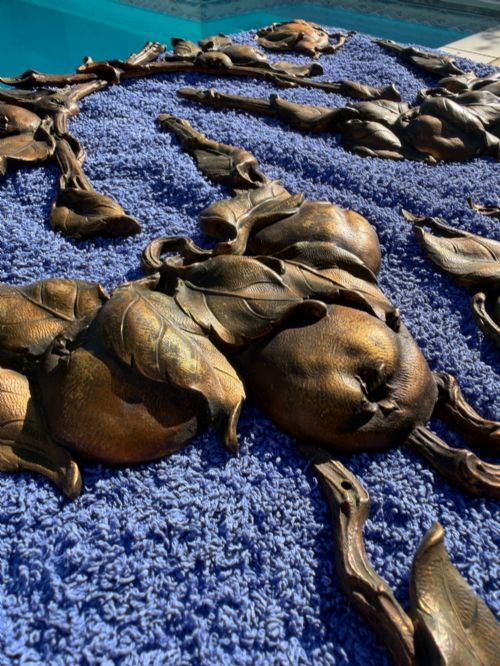
Manufacturing methods rely heavily on metal casting techniques using brass, bronze, and gilt bronze or ormolu, often paired with secondary materials such as marble, glass, and cast iron. Structural components are shaped through casting, then finished with chased or gilded details.
Decorative elements frequently utilise surface gilding or patination to enhance the metallic texture of the cast brass and bronze components. Heavier items incorporate cast iron for structural stability, particularly in hearth furnishings and table bases.
French Cast Brass Retail Price Guide 2026
Typical asking prices for french cast brass among the pieces listed under this phrase on Sellingantiques today, from the lower quarter to the upper quarter. They describe what is for sale here now, not the wider market.
Materials recorded across the inventory include gilt bronze, cast iron, glass, and marble.
Judging quality in cast brass
Quality in these metalwork pieces is determined by the crispness of the cast detailing and the depth of the chased ornamentation. Finer examples exhibit sharply defined motifs and smooth integration of secondary materials like marble tops or glass shades.
The standard of finishing, such as the evenness of gilding or the retention of original patination, separates superior examples from simpler production. Heavier casting weight and robust construction in functional items like fenders and chandeliers also indicate better manufacturing standards.
Bouhon Frères·Poix Blin·L & F Moreau
The French Cast Brass Glossary
- Ormolu
- Gilded bronze or brass applied to decorative objects and furniture mounts. This technique provides a bright, gold-coloured finish characteristic of high-status decorative arts.
- Gueridon
- A small round table, often supported by a central pillar or figures. These pieces frequently feature marble tops and brass or bronze mounts.
- Garniture
- A set of matching decorative ornaments designed to be displayed together on a mantelpiece. A typical set includes a clock flanked by matching candelabra or vases.
- Applique
- A wall-mounted lighting fixture or sconce designed to hold candles or electric bulbs. These items often feature multi-branch arms and decorative backplates.
French Cast Brass: Frequently Asked Questions
What periods do these pieces date from?
The items span the nineteenth and early twentieth centuries, encompassing Victorian, Edwardian, and Art Deco eras alongside specific revival movements.
Most examples reflect nineteenth-century manufacturing traditions, drawing inspiration from earlier French design periods like Louis XV and Louis XVI.
How were these items used originally?
Many objects served practical daily functions in period homes, providing interior illumination, heating management, or surface space.
Lighting fixtures, hearth accessories, and mantel clocks combined utility with decorative status in formal rooms.
How do I identify a revival style?
Revival styles borrow decorative motifs from earlier historic eras, such as the asymmetric scrolls of Rococo or the formal symmetry of Neoclassicism.
These later interpretations are distinguished by nineteenth-century casting techniques and construction methods.
What materials accompany the brass?
Brass and bronze are frequently combined with contrasting materials such as white or coloured marble, cast iron, and glass.
Table tops often feature marble inserts, while hearth equipment commonly pairs brass decorative elements with heavier iron frames.