


French Carver Armchairs
French carver armchairs provide deep seating and defined elbow rests, bringing continental elegance and practical comfort into any room.
French Carver Armchairs
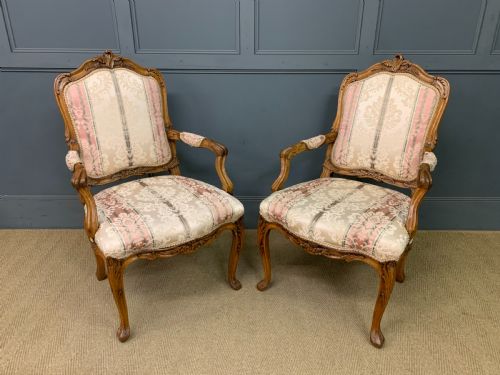
These pieces are substantial seating furniture featuring prominent armrests designed for relaxation and formal display. When searching for French carver armchairs, buyers encounter diverse iterations spanning several centuries of European craftsmanship.
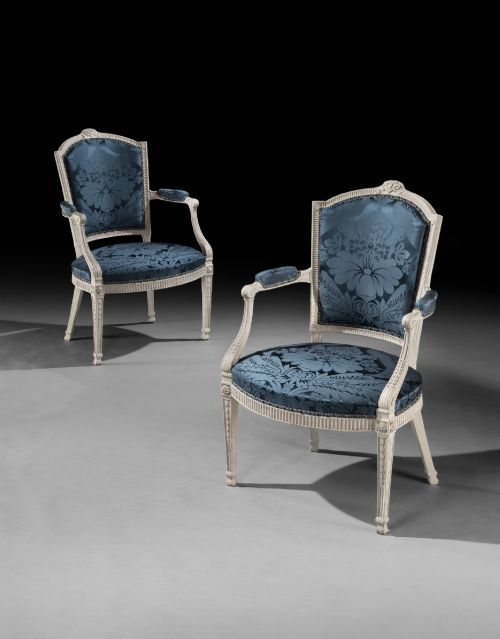
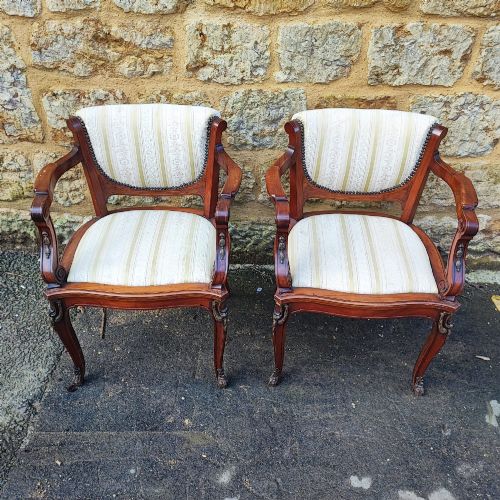
The selections on this page range from provincial country seating in walnut and fruitwood to grand giltwood throne chairs and revival pieces. Eighteenth-century examples sit alongside nineteenth-century interpretations and early twentieth-century creations.
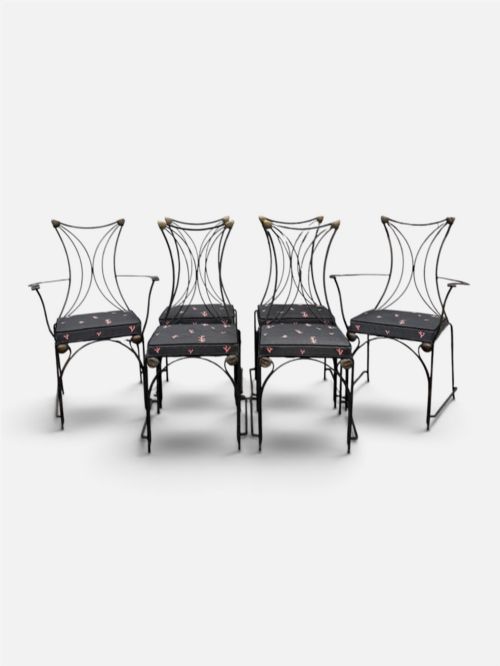
Forms include salon armchairs, dining chairs with arms, and large upholstered suite components. Each chair reflects distinct regional aesthetics and historical periods from the eighteenth to the twentieth century.
Assessing quality and craftsmanship
The depth and crispness of the hand-carved ornamentation separate superior examples from simpler production. Skilled carving reveals sharp detailing in scrollwork, floral motifs, and gilded surfaces without flattening.
Timber selection dictates the integrity of the frame, with dense walnut or figured mahogany offering greater durability than softer alternatives. The quality of the underlying joinery determines whether a chair remains rigid over generations.
Upholstery execution and the retention of original textiles or sympathetic fabric choices influence the overall coherence of the piece. Patination on exposed wood surfaces develops through age and handling, marking the depth of the finish.
A solitary rush seat kitchen chair sits quietly among the gilded throne chairs, proving that eighteenth-century peasants and French courtiers shared the same basic need for a comfortable elbow rest.
Louis Majorelle
The French Carver Armchairs Glossary
- Carver armchair
- An armchair featuring distinct armrests, often designed as a matching head seat at the end of a dining table or for standalone salon use.
- Giltwood
- Timber coated with a thin layer of gold leaf or gilt finish. This technique creates a luminous surface common on formal revival and empire pieces.
- Louis XV Revival
- A nineteenth-century stylistic movement emulating the asymmetrical curves, cabriole legs, and naturalistic ornamentation of the mid-eighteenth-century French court.
- Fruitwood
- Dense timber harvested from fruit-bearing trees such as pear, apple, or cherry. It appears frequently in provincial and country furniture for its fine grain and warm tone.
- Silk damask
- A reversible figured fabric woven with patterns visible through contrasting matte and lustrous threads. It serves as high-status upholstery on formal seating.
French Carver Armchairs: Frequently Asked Questions
How do I identify a true carver armchair?
A carver armchair differs from standard dining chairs by possessing integrated armrests designed to support the elbows. They typically function as head chairs at a dining table or as standalone seating in a salon.
Examine the structural frame where the arm supports meet the seat rail to confirm they form an integral part of the original design rather than later additions.
What distinguishes Louis XV style chairs?
Louis XV style chairs feature characteristic cabriole legs, curved framework, and organic motifs without heavy straight lines. The aesthetic emphasises asymmetry and flowing floral carvings.
Originating in the eighteenth century and revived frequently in the nineteenth and twentieth centuries, these chairs prioritize curved comfort in both the backrest and the seat.
Are these chairs suitable for daily dining?
Many examples on this page served originally around dining tables, particularly sets of multiple matching chairs. Their ergonomic proportions accommodate sitting for extended periods.
Ensure the frame joints remain tight and the upholstery provides adequate support before utilising antique chairs for daily seating arrangements.
How do I care for giltwood finishes?
Giltwood surfaces require gentle treatment to preserve the delicate gold leaf application. Avoid liquid cleaning agents and abrasive cloths that can strip the metallic layer.
Dust the carved surfaces regularly with a soft, dry brush and protect the furniture from direct sunlight and excessive humidity fluctuations.
What is provincial French furniture?
Provincial French furniture refers to pieces made in the regions outside Paris, often utilising local timbers like fruitwood and oak. These items translate court styles into simpler, sturdier country forms.
The decoration remains restrained, focusing on practical utility, visible wood grain, and rustic charm rather than lavish gilding or elaborate upholstery.