


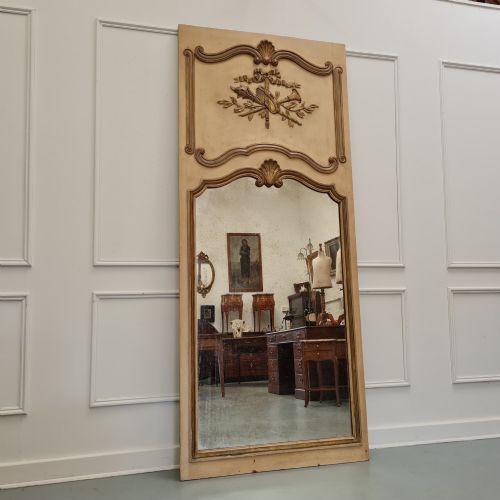
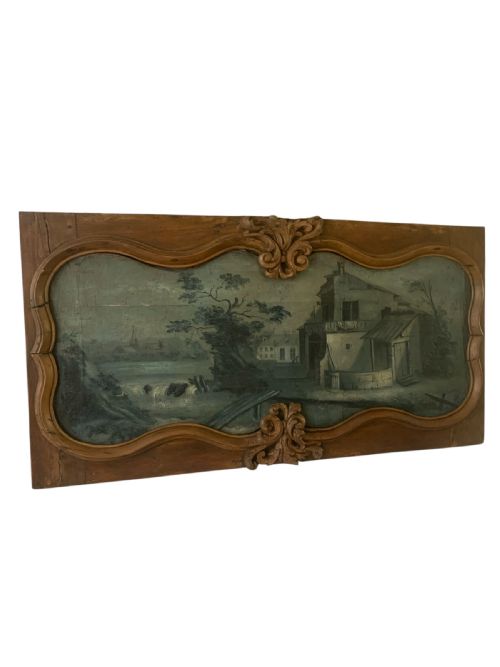
French Carved Wooden Panels
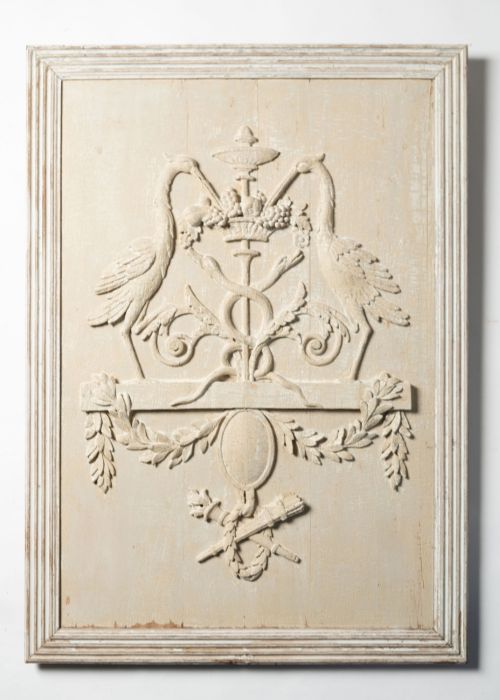
These french carved wooden panels bring tangible architectural heritage into a room, offering rich tactile depth through centuries of hand-cut detail.
French Carved Wooden Panels
When you search for french carved wooden panels, you encounter architectural salvage originating from domestic interiors, chateaux, and religious settings spanning several centuries. The selection here leans heavily toward 19th-century interpretations and 18th-century survivors, capturing eras of exceptional craftsmanship.
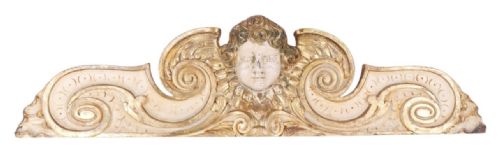
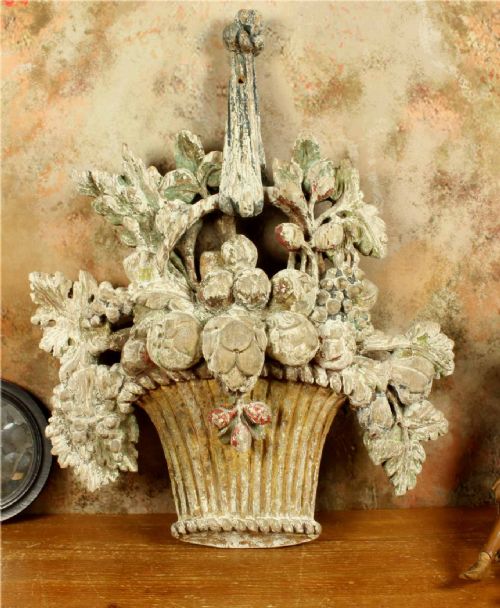
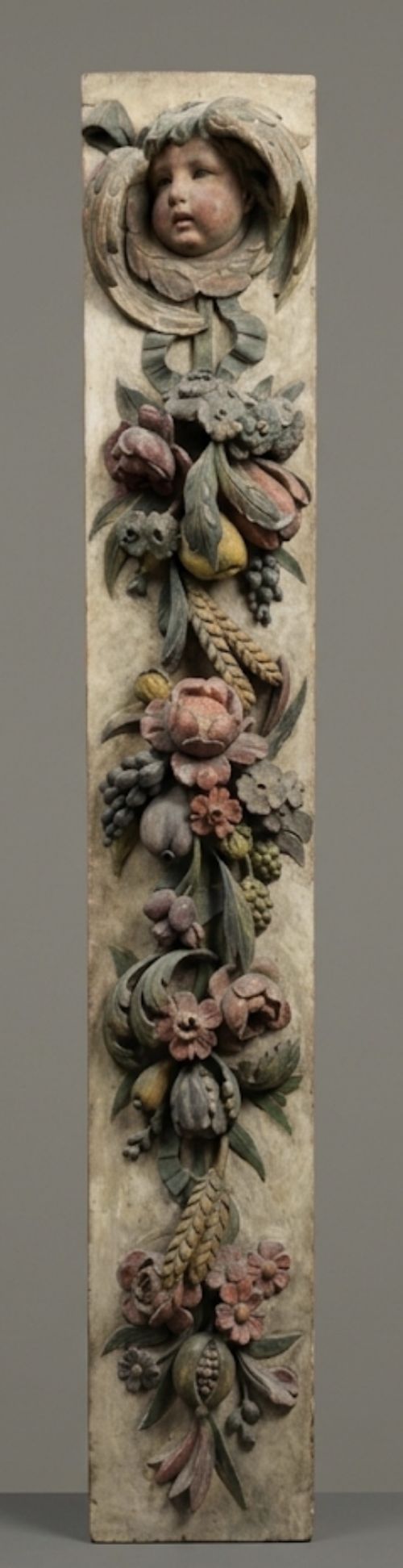
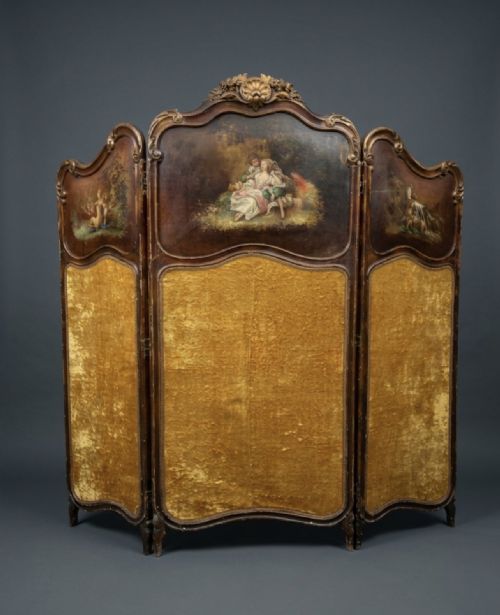
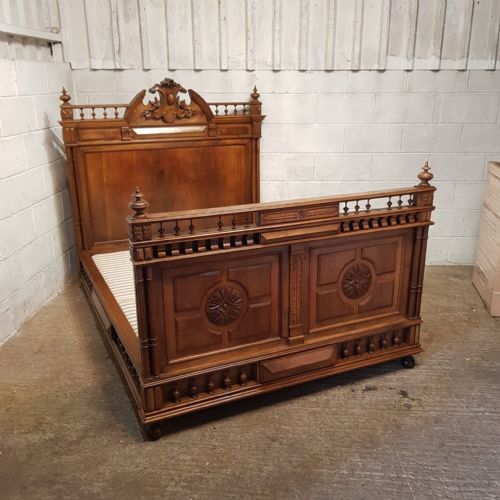
These elements often manifest as boiserie sections, over-door reliefs, folding screen inserts, or integrated furniture components. Oak and walnut dominate the offerings, occasionally carrying remnants of polychrome paint, gesso, or giltwood surfaces.
Buyers select these items to anchor modern wall spaces with historical weight, incorporate authentic woodwork into bespoke joinery, or use decorative panels as standalone wall hangings. Each piece retains the distinct marks of hand tools, distinguishing authentic salvage from later reproductions.
How they were made
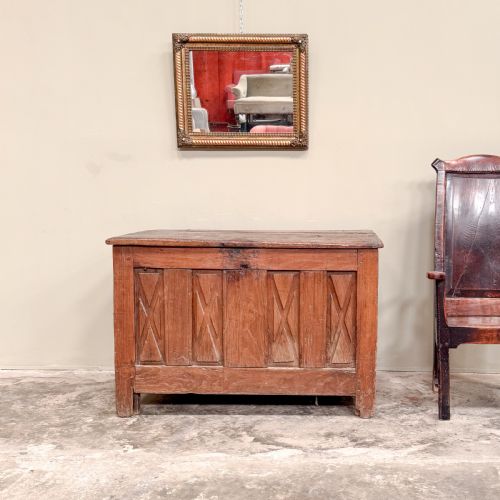
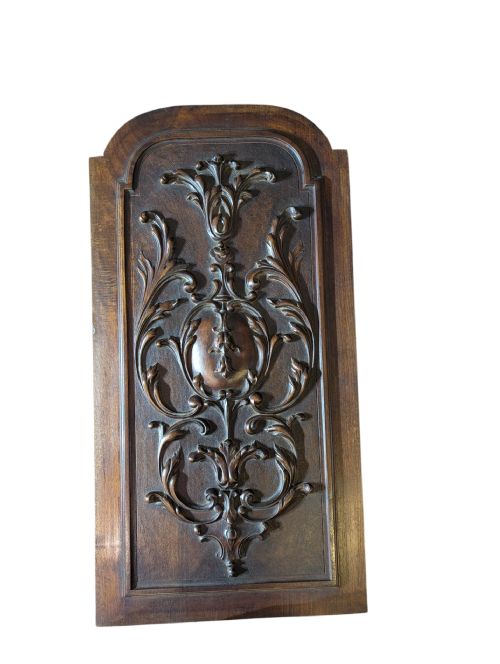
Cabinetmakers and carvers worked primarily with seasoned hardwoods like oak and walnut, selecting timber with tight grain to hold intricate relief work. Panels were constructed using traditional joinery such as mortise and tenon, allowing the wood to expand and contract naturally within its frame.
Surface decoration relied on hand chisels, gouges, and V-tools to create depth, undercut foliage, and figurative motifs like cherubs or pastoral scenes. Many surfaces received finishing touches of paint, polychrome, or gesso, applied directly to the timber to accentuate the carved contours.
The listings here feature materials including oak, walnut, paint, brass, iron, gesso, and timber spanning from the 17th century through the Edwardian period.
What varies in quality
Material selection and structural integrity also dictate worth, as dense, well-figured walnut and heavy oak withstand the centuries better than softer woods. Original surface treatments, such as unstripped polychrome or aged paint, preserve historical authenticity and add considerable character.
The French Carved Wooden Panels Glossary
- Boiserie
- Decorative wood panelling used to line the walls of French domestic interiors, particularly during the 17th and 18th centuries. It often incorporates carved mouldings, stiles, and applied relief panels.
- Overdoor
- An architectural element, also known as an trumeau or supraporte, positioned directly above a doorway. These often feature sculptural or painted panels depicting floral arrangements, putti, or pastoral motifs.
- Polychrome
- The practice of decorating architectural woodwork or sculpture in a variety of colours. On older panels, surviving polychrome adds layers of visual texture.
- Gesso
- A plaster-like mixture applied to wood surfaces to prepare them for gilding or painting. It provides a smooth base that carvers could shape or stamp before finishing.
- Relief
- A sculptural technique where elements remain attached to a solid background of the same material. High relief projects significantly from the surface, creating strong shadows and a three-dimensional effect.
French Carved Wooden Panels: Frequently Asked Questions
How do I hang a heavy wooden panel?
Heavy panels require secure anchoring into wall studs using appropriate steel brackets or French cleats to support the weight safely.
Ensure the mounting hardware engages directly with the timber frame of the panel rather than weaker decorative elements.
Can these panels be used in a bathroom?
Historic wood panels are sensitive to moisture and rapid humidity changes, making standard bathrooms risky locations unless ventilation is exceptional.
Excessive dampness can cause the timber to warp, joints to fail, and historic paint or gesso layers to flake away.
How do I clean antique carved wood?
Dust the carvings gently using a soft, dry natural bristle brush to remove debris from recessed areas without abrading the surface.
Avoid using water, chemical cleaners, or modern polishes, which can strip away historic wax and damage vulnerable painted finishes.
Are these panels from actual French buildings?
Many examples originate as architectural salvage sourced from period properties, chateaux, and provincial farmhouses across France.
Their construction methods, wear patterns, and wood species align with traditional European carpentry practices of their respective eras.