


French Carved Sculpture
French carved sculpture brings centuries of classical portraiture, religious devotion and spirited folk art into the room.
French Carved Sculpture
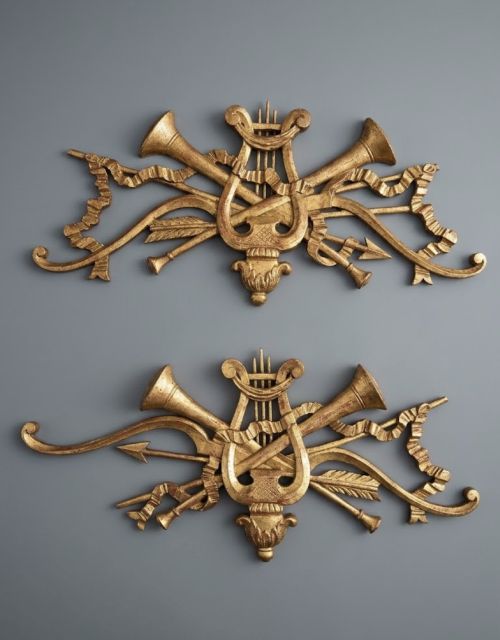
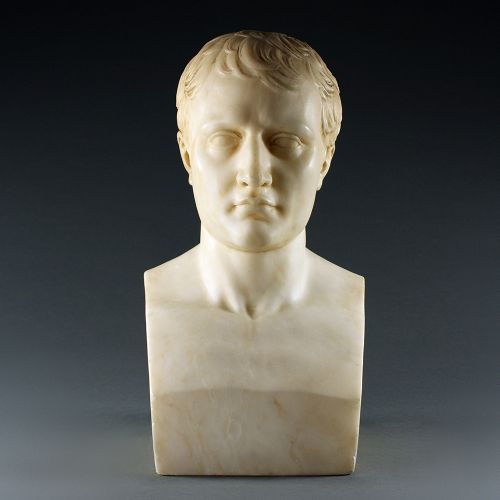
When you search for french carved sculpture, you encounter a varied selection spanning from the eighteenth century to the early twentieth century. The inventory includes classical marble busts, carved wooden architectural elements, gilded wall sconces and folk art figures.
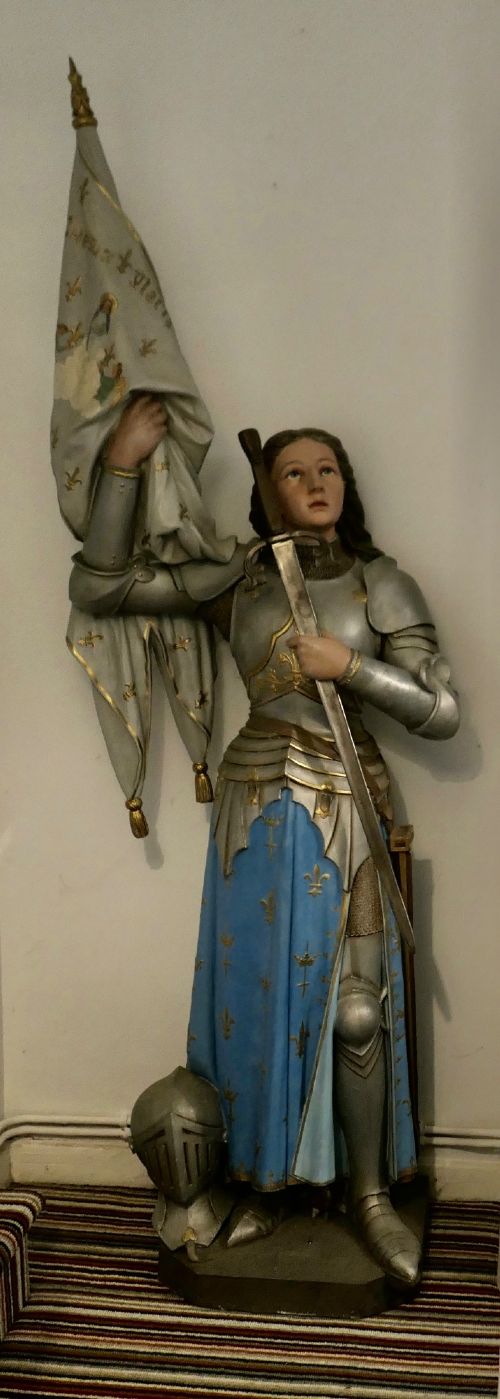
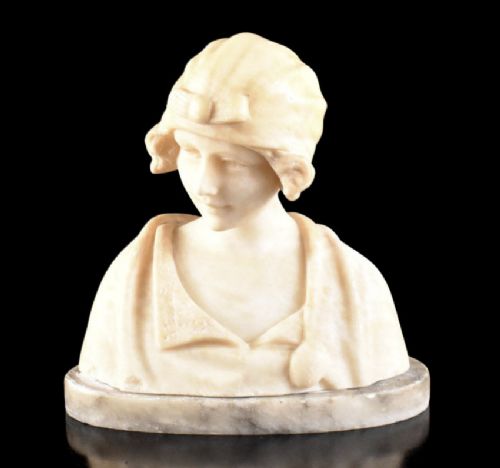
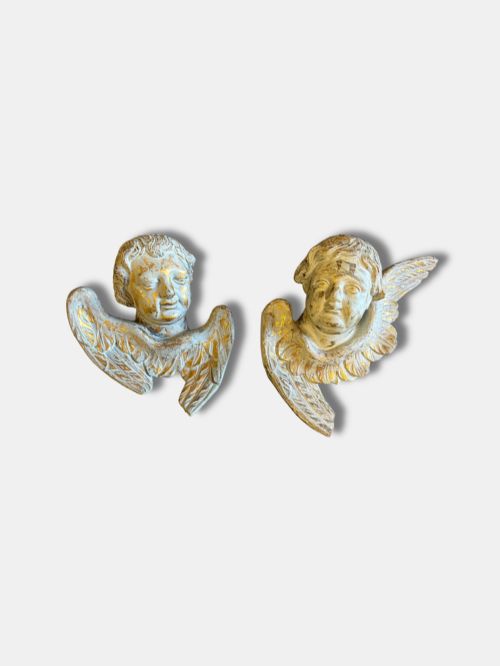
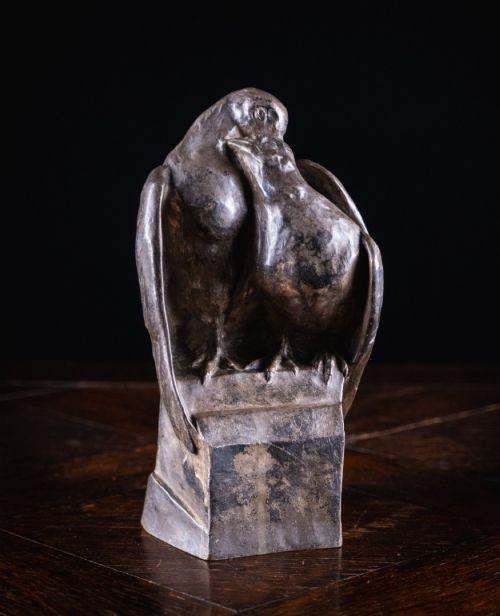
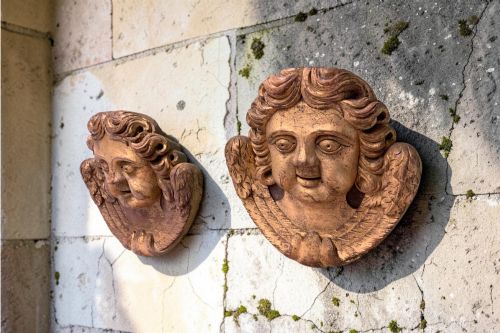
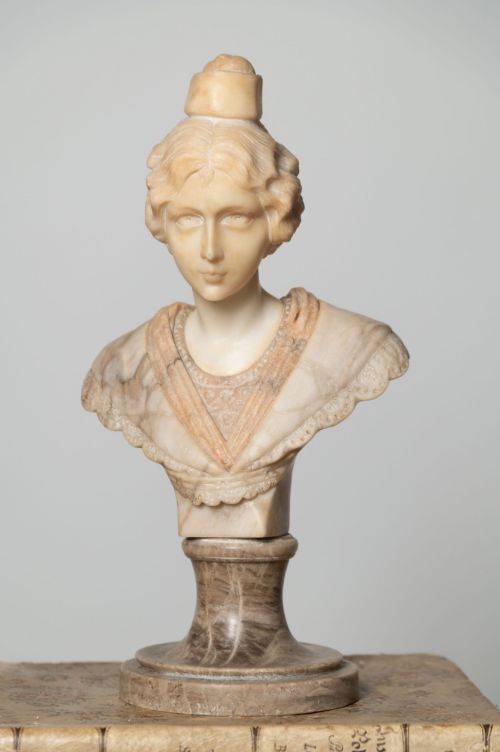
Portrait busts in carrara marble and alabaster appear alongside religious wooden figures, church carvings and angel wings. Carousel horses, animal models and decorative architectural fragments represent the broader scope of domestic and public ornamentation.
Materials and construction
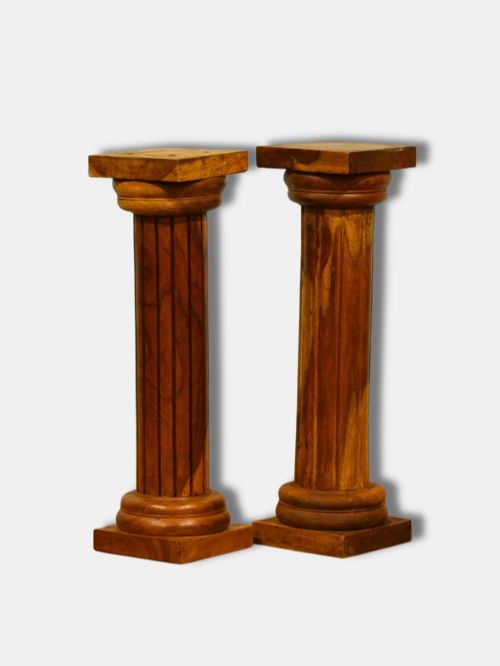
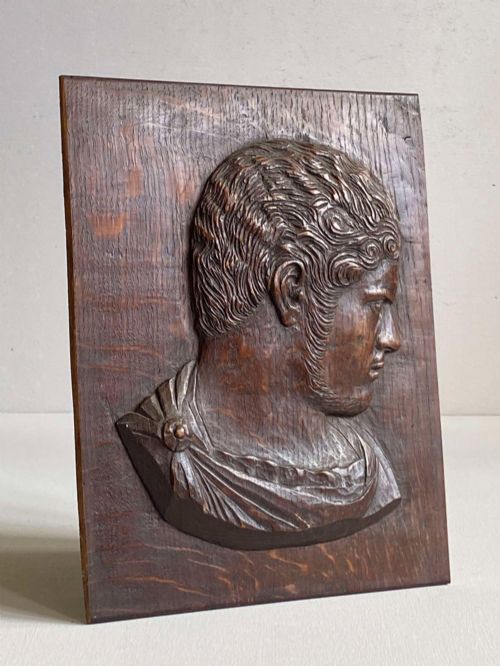
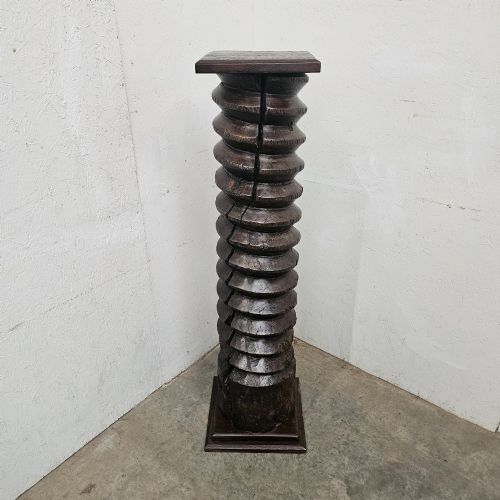
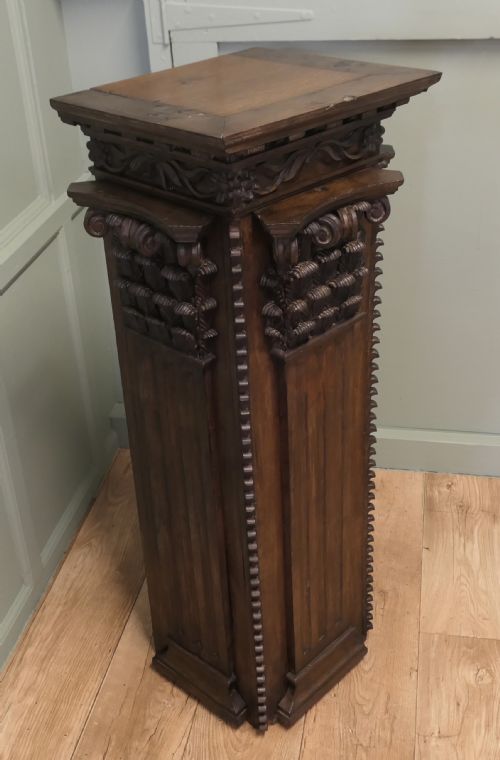
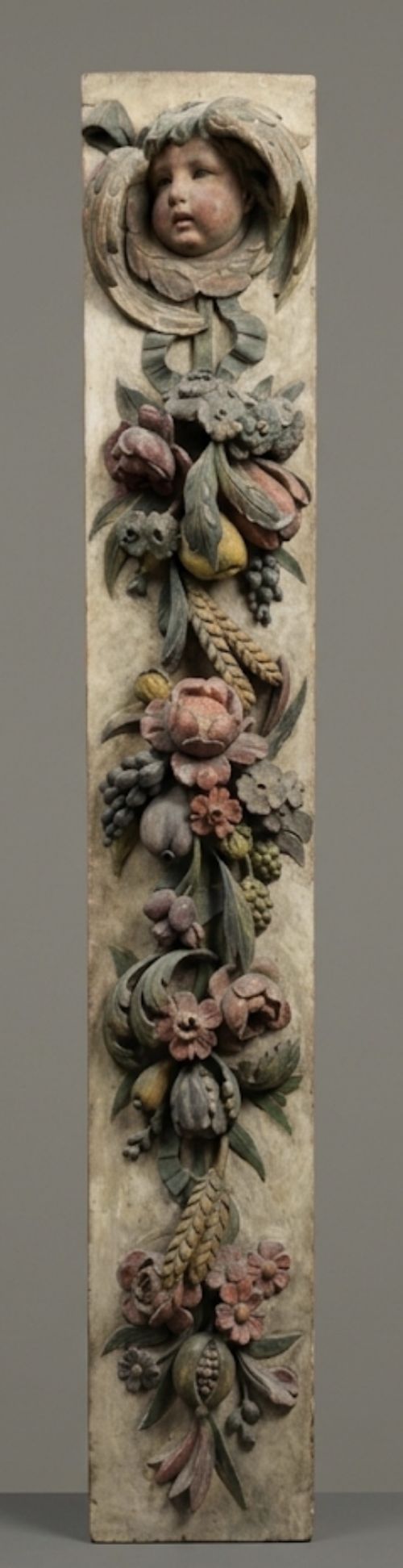
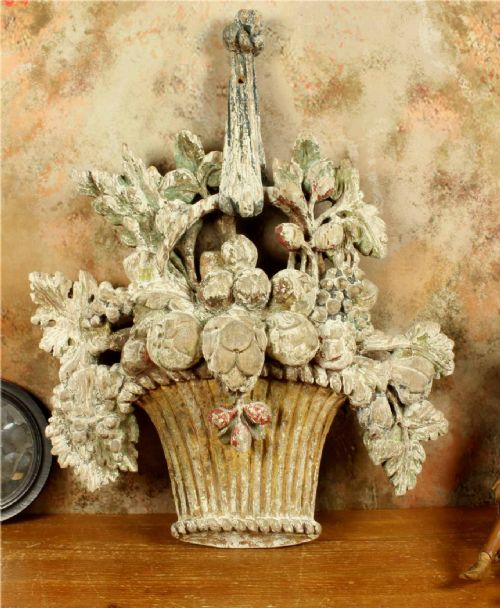
Wood serves as a primary medium, utilising walnut, oak, sycamore and hardwood carved into panels, figures, architectural columns and decorative reliefs. Many wooden works incorporate gesso, gold leaf and polychrome paint applications.
Stone pieces rely on statuary marble, carrara marble and translucent alabaster, often mounted on pedestals or bases of contrasting stone and metal. Nickel bronze and other mixed elements appear in select modernist and figurative compositions.
French Carved Sculpture Retail Price Guide 2026
Typical asking prices for french carved sculpture among the pieces listed under this phrase on Sellingantiques today, from the lower quarter to the upper quarter. They describe what is for sale here now, not the wider market.
Among the historical wooden figures, a carved carousel pig stands ready to race the wooden horses.
Craftsmanship and expression
The distinction between tiers rests upon the anatomical precision of the carving and the fluidity of the facial expression in portrait busts and figural works. Finer items demonstrate deliberate chisel work and sophisticated handling of drapery, whereas simpler pieces rely on basic geometric shaping.
The integrity of the original surface finish, whether patinated wood, polychrome paint or polished marble, dictates the visual strength of the object. Pieces retaining their period gilding and original mounting components hold greater material authenticity.
Frederique Cederlund-Ozanne·Eugene Aizelin·Auguste Henri Carli·Carrier-Belleuse·Eugene Emile Borga
The French Carved Sculpture Glossary
- Carrara marble
- A white or blue-grey marble quarried in Italy, frequently utilised for nineteenth-century portrait busts and classical figures.
- Polychrome
- Painted in several colours, commonly found on eighteenth-century wooden panels, church carvings and carousel figures.
- Alabaster
- A fine-grained mineral used for sculptural carving, valued for its smooth texture and semi-translucent quality.
- Gesso
- A plaster-like mixture applied to wood surfaces as a prepared base for gilding and painting.
- Architectural salvage
- Elements removed from buildings, including church carvings, columns and panels repurposed for interior display.
French Carved Sculpture: Frequently Asked Questions
How do I display a heavy marble bust?
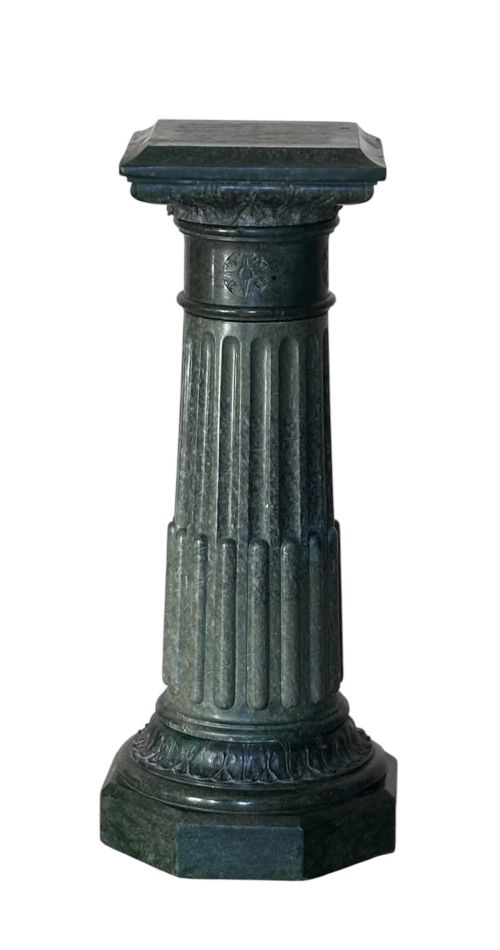
Heavy stone busts require a sturdy, weight-tested pedestal, column or console table positioned away from high-traffic areas to prevent accidental tipping. Placing them on a dedicated stone or hardwood base distributes the downward pressure evenly.
Ensure the supporting surface sits level against the wall and floor. Secure larger architectural pedestals with appropriate wall fixings if children or pets share the space.
How should I clean antique carved wood?
Dust carved wooden surfaces gently with a soft, dry natural bristle brush to lift debris from deep recesses and intricate foliate details. Avoid wet cloths, modern household sprays and polishes that soften historical wax and paint layers.
Period finishes require minimal intervention to preserve their original patina. Consult a professional conservator if the wood shows signs of dryness or flaking gesso.
How do I date a marble sculpture?
Dating marble sculpture involves examining the carving technique, tool marks left on the unpolished undersides, and the specific stylistic conventions of the subject's dress and hair. Signature styles and foundry marks provide direct clues to the period of execution.
Compare the base construction and mounting hardware with dated examples from the same decade. The handling of the stone's polish often shifts between neoclassical and later nineteenth-century traditions.