

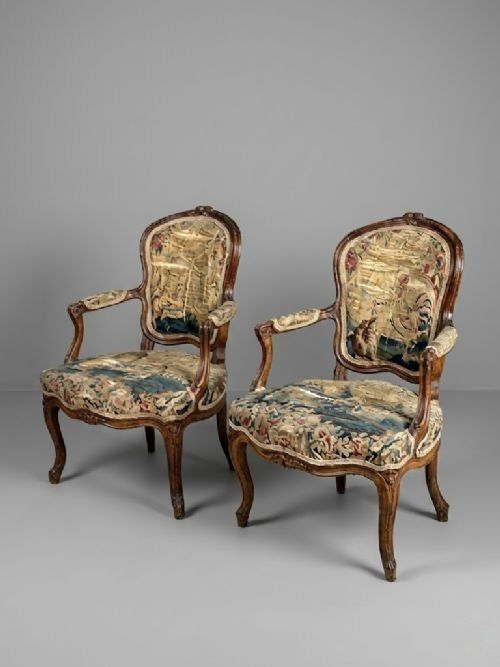
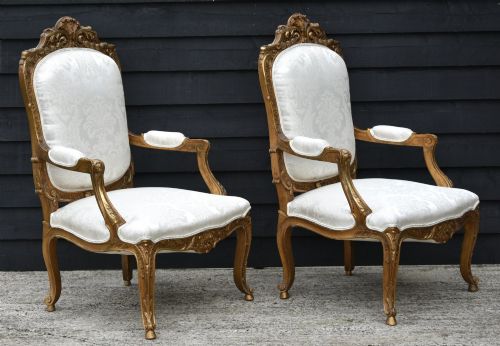
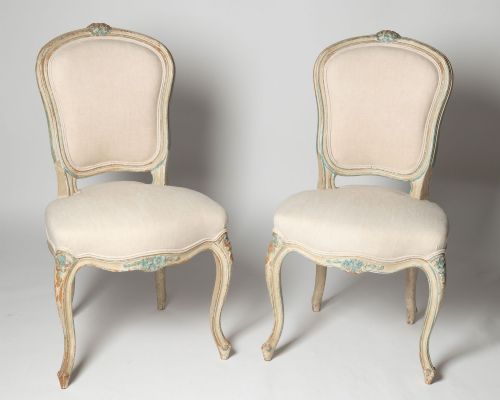
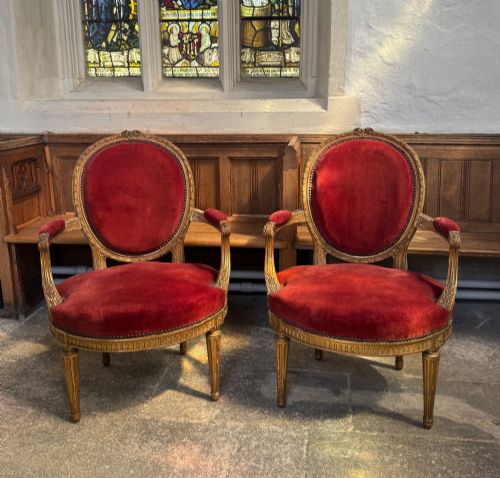
French Carved Salon Chair
A french carved salon chair brings formal continental elegance into a room through elaborate woodwork and traditional upholstery.
French Carved Salon Chair
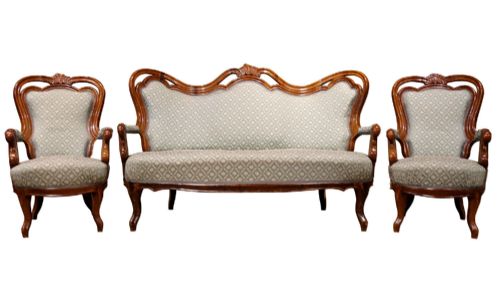
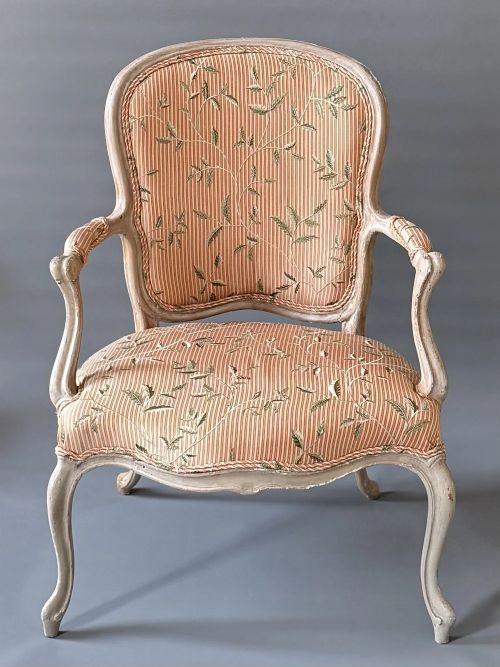
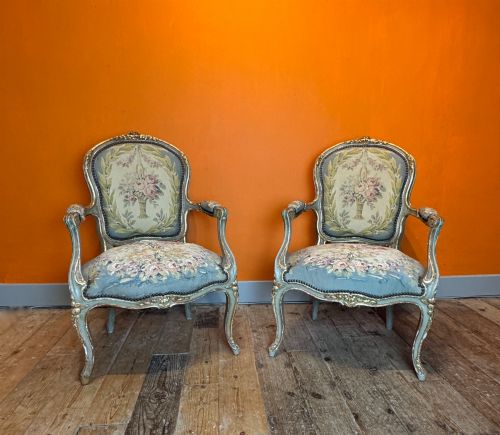
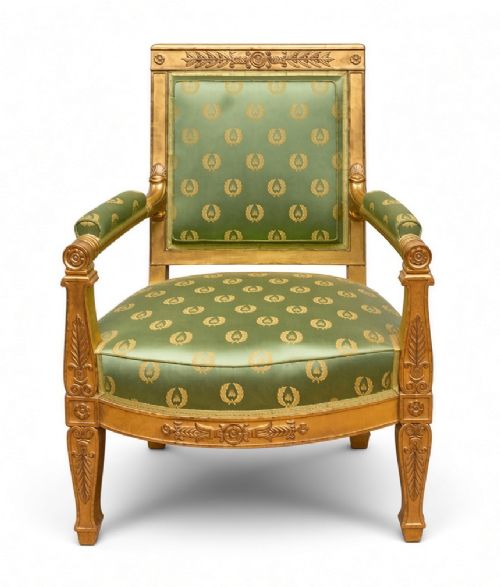
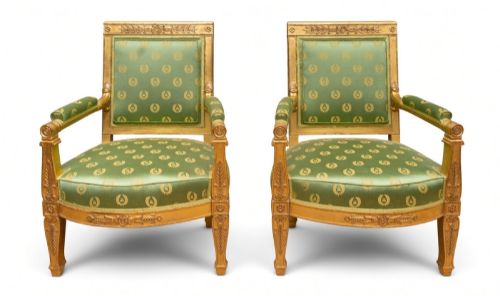
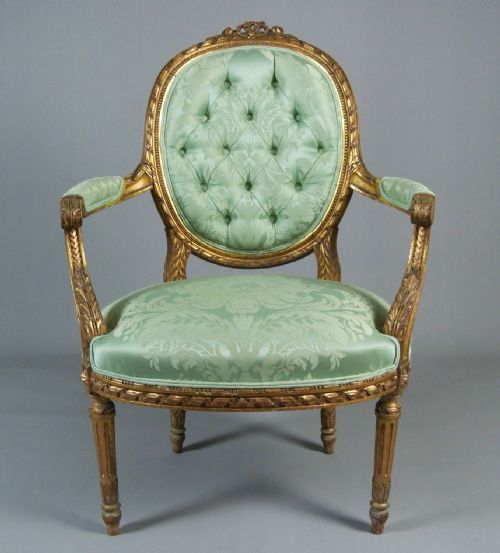
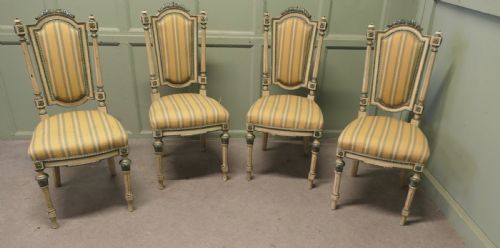
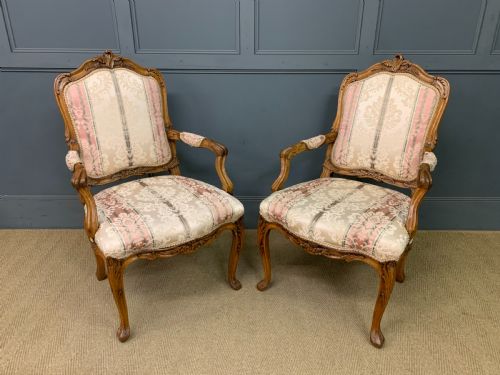
A french carved salon chair is a formal seating piece designed for reception rooms, drawing upon historical aesthetics. Buyers searching for this phrase encounter various forms, including open armchairs, side chairs, and matched sets.
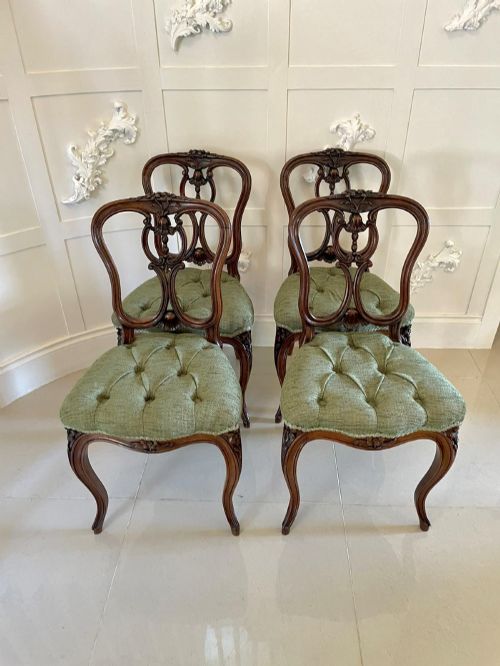
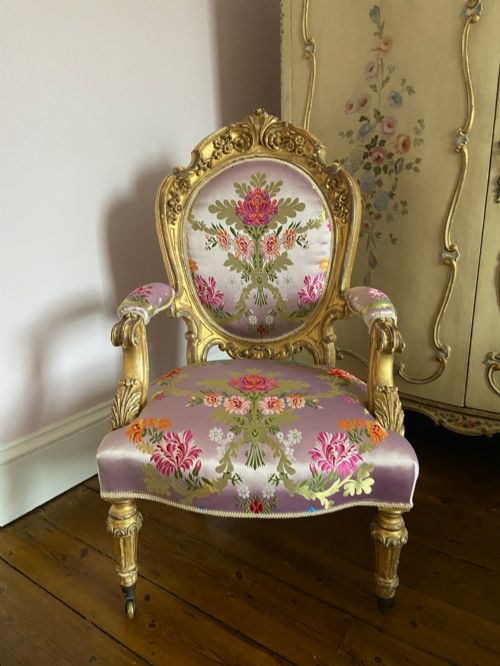
The pieces appearing on this page span several centuries, with nineteenth-century revivals of earlier court styles forming a large proportion of the selection. Walnut and giltwood frames dominate, alongside painted and parcel-gilt finishes.
Originating largely from continental workshops, these chairs reflect classical French design vocabularies such as Louis XVI, Louis XV, and Rococo Revival. They function as both decorative statements and functional seating within period or eclectic interiors.
What varies in quality
The crispness and depth of the hand-carving dictate the primary visual standard, separating sharp, spirited botanical details from softer, mechanically cast or hurried work. Timber selection also matters, as well-figured walnut or sound beech provides structural integrity and a finer tactile surface.
Original surface treatments, whether patinated gilding or period paint, retain historical integrity that heavy over-restoration diminishes. The integration of the upholstery style with the frame's specific era completes the evaluation of an individual piece.
Materials documented across the selection include silk, velvet, cane, tapestry, and needlepoint upholstery set within walnut, beech, and giltwood frames.
Jacob-Desmalter·Thomas Chippendale·Blaise Maucuy
The French Carved Salon Chair Glossary
- Giltwood
- Wood coated with a thin layer of gold leaf. This finish defines many formal French reception chairs.
- Fauteuil
- An open-framed armchair with upholstered back and armrests. The wooden sides remain entirely uncovered.
- Ormolu
- Gilt-bronze mounts applied to furniture. These decorative elements appear on high-status pieces.
- Aubusson
- Tapestry woven in the French town of the same name. It frequently covers the seats and backs of luxury salon suites.
French Carved Salon Chair: Frequently Asked Questions
How do I identify Louis XVI style?
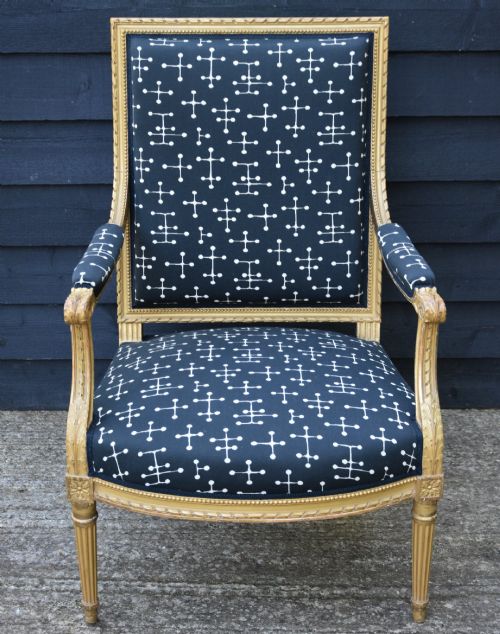
Louis XVI style is characterised by straight, fluted legs and symmetrical neoclassical geometric forms. Carvings often incorporate ribbons, urns, and acanthus leaves rather than the sweeping asymmetries of earlier periods.
This aesthetic emerged in the eighteenth century and saw significant revivals throughout the nineteenth century, particularly in walnut and giltwood salon seating.
Can I use these chairs daily?
These chairs function well for everyday use provided the internal webbing and joints remain sound. Historic frames tolerate normal seating, though delicate silk or needlepoint covers benefit from gentle treatment.
Heavier users should check that nineteenth-century joinery has been professionally secured before placing the chair in a high-traffic area.
How do I match different periods?
Mixing eighteenth-century originals with nineteenth-century revivals works successfully if timber tones and upholstery palettes share a common thread. Walnut frames and neutral tapestry covers bridge stylistic gaps between distinct eras.
Focus on the scale of the carving rather than the exact decade of manufacture to maintain visual harmony in a room.