

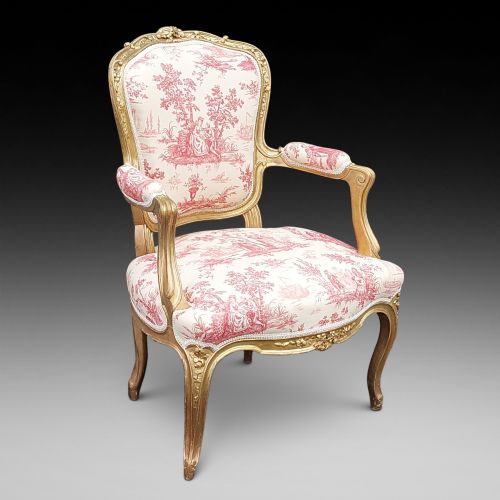


Late 19th Century Fauteuil
A late 19th century fauteuil offers an open-armed seat of distinct period character, bringing traditional French and English revival design into a modern room.
Late 19th Century Fauteuil
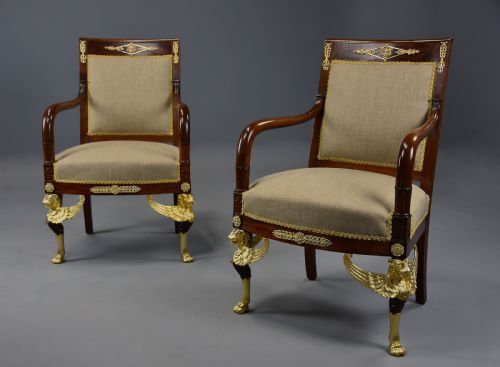
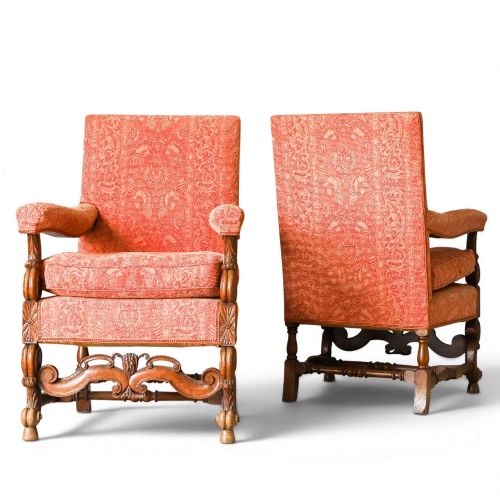
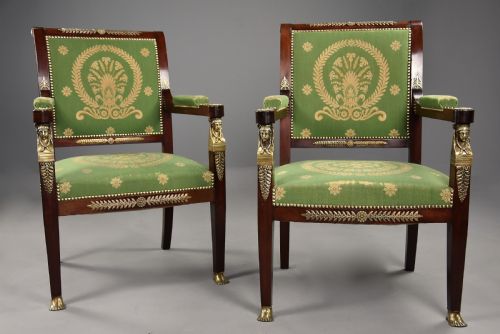
A late 19th century fauteuil is an open-armed upholstered chair that reflects diverse revival styles popular during the period. These seating pieces draw upon French Empire, Louis XV, Louis XVI, Renaissance, and William & Mary designs, translating historical grandeur into comfortable domestic furniture.
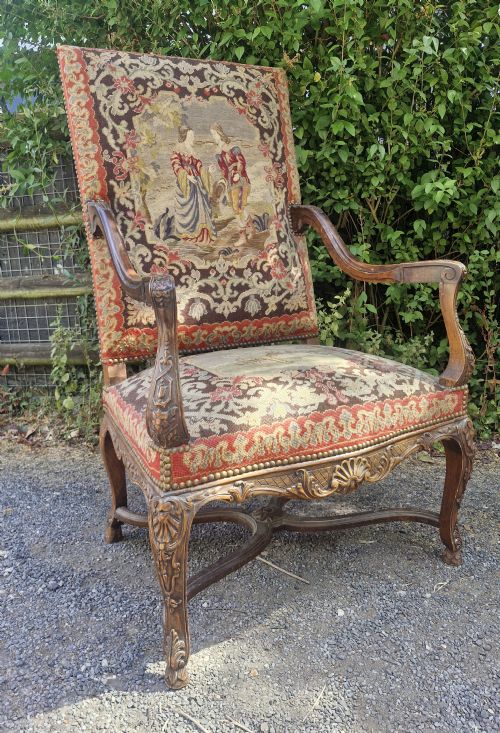
The version most commonly encountered on this page is the French-influenced walnut or mahogany open armchair, often featuring carved wooden frames and upholstered seating. Pairs frequently appear alongside single examples, providing balanced seating options for salons, drawing rooms, and studies.
Originating across European workshops, these armchairs span decades from the 1870s through to the turn of the 20th century. Makers utilised rich timbers and traditional upholstery methods, resulting in chairs that function both as decorative statements and practical seats.
How they were made
Carpenters shaped sturdy frames from dense hardwoods including walnut, mahogany, oak, and giltwood. These timbers were selected for their ability to support intricate hand-carved detailing along the arms, rails, and crests.
Upholstery formed a central part of the construction, utilising fabrics such as tapestry, velvet, needlework, and plain textiles. Brass accents and ormolu mounts sometimes decorated the frames, adding metallic contrast to the polished timber.
Late 19th Century Fauteuil Retail Price Guide 2026
Typical asking prices for late 19th century fauteuil among the pieces listed under this phrase on Sellingantiques today, from the lower quarter to the upper quarter. They describe what is for sale here now, not the wider market.
Listings feature walnut and mahogany predominantly, alongside decorative touches of brass, ormolu, and giltwood.
What varies in quality
The depth and crispness of the wood carving distinguish higher-tier examples from simpler production. Hand-carved walnut and giltwood frames display fluid lines and precise botanical or scroll motifs that reflect careful artisan labour.
The choice of covering material and the scale of the armchair also indicate grade. Large proportions, matched pairs, and panels of period needlework or tapestry elevate the standing of the piece within the range.
The Late 19th Century Fauteuil Glossary
- Ormolu
- Gilded bronze or brass applied as a decorative mount to furniture frames. It provides a bright metallic highlight against dark woods.
- Needlework
- Hand-stitched textile covers using yarn on canvas. These often depict floral or pastoral scenes on period seatbacks.
- Giltwood
- Timber treated with a thin layer of gold leaf. This finish creates a luminous, reflective surface popular in formal reception rooms.
- Renaissance Revival
- A nineteenth-century design movement drawing inspiration from sixteenth-century architecture and decorative arts. It favours heavy carved detailing and robust proportions.
Late 19th Century Fauteuil: Frequently Asked Questions
Where should I place a fauteuil?
These open armchairs suit reception rooms, bedrooms, or reading corners where their decorative carved frames can be admired. They work well as occasional seating rather than heavy television chairs.
Pairs look balanced flanking a fireplace or positioned beneath a large mirror, while single chairs fill neglected corners effectively.
How do I clean the wooden frame?
Dust the carved walnut, mahogany, or giltwood frame regularly with a dry, soft cloth. Avoid using harsh chemical polishes that can degrade nineteenth-century finishes.
Apply a microcrystalline wax sparingly once or twice a year to nourish the timber and maintain a soft sheen.
Can I use these chairs every day?
Most of these seating pieces remain structurally sound for daily sitting. However, period upholstery and internal webbing may require gentle treatment compared to modern furniture.
Consider the weight of the chair and the strength of the joints before placing them in high-traffic family areas.