
French Carved Giltwood Mirror
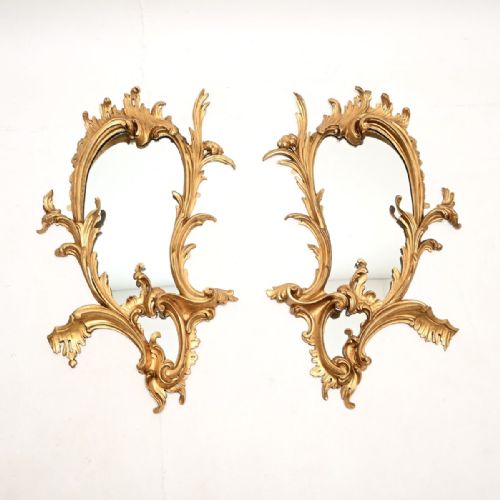
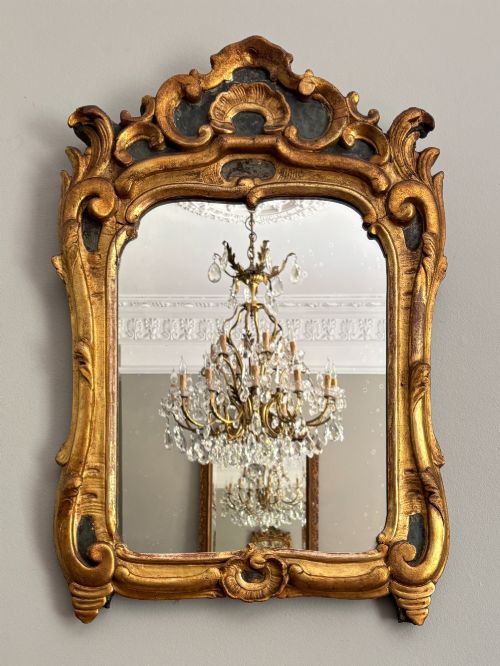
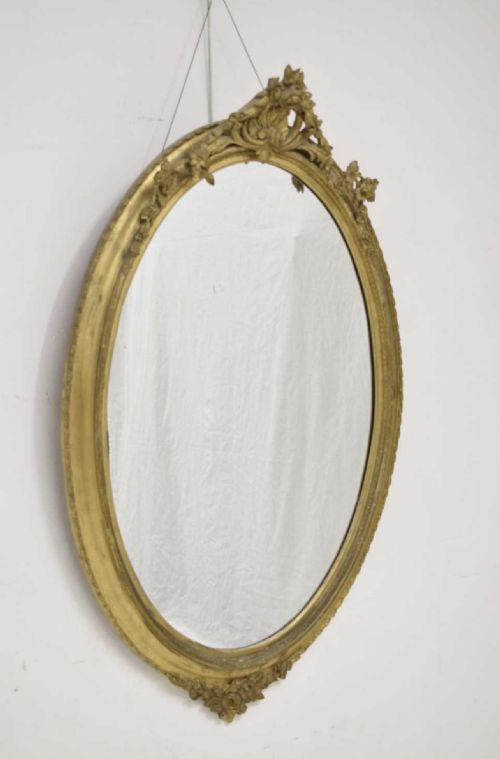
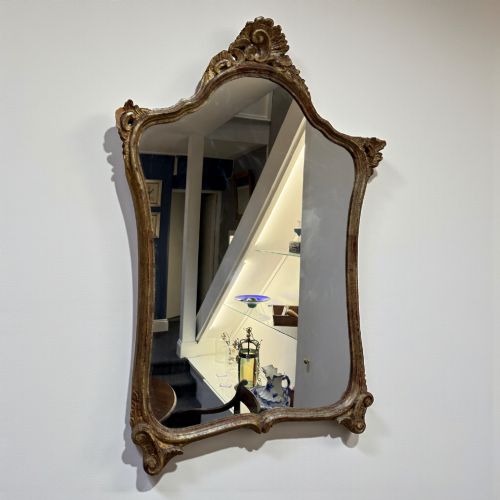
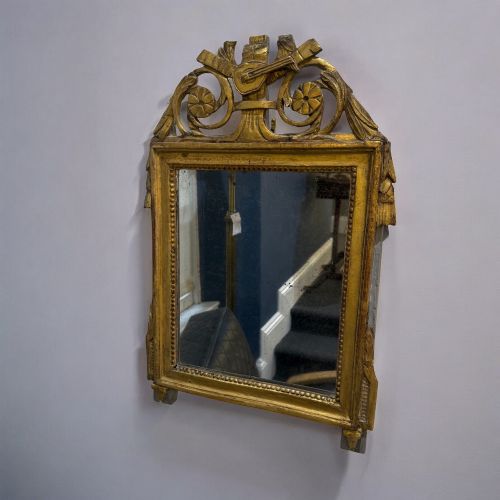
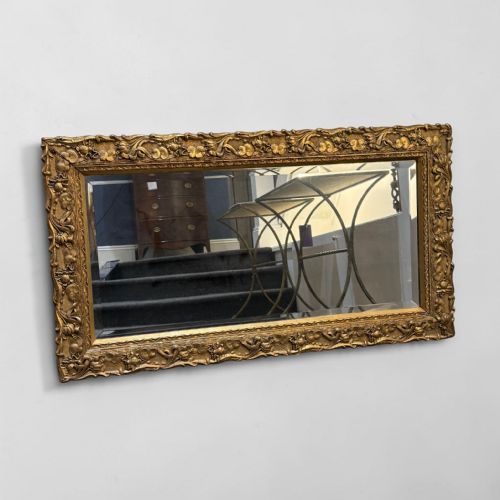
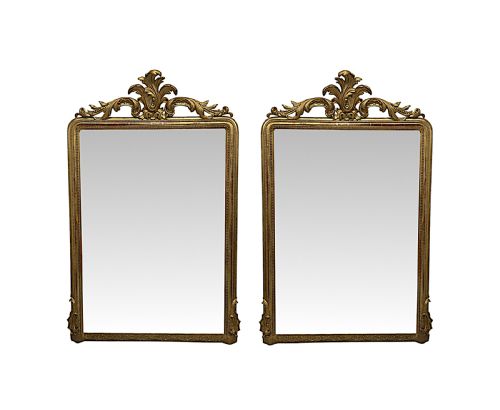
A french carved giltwood mirror brings scale, light and intricate craftsmanship into a room through carved timber, gesso and gold leaf.
French Carved Giltwood Mirror
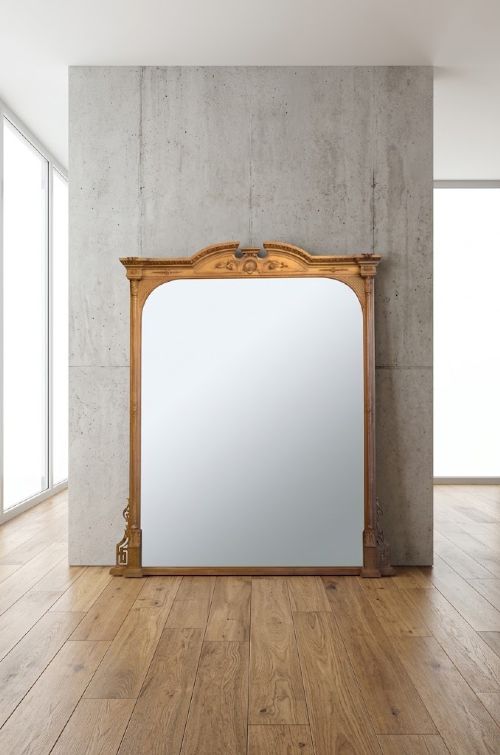
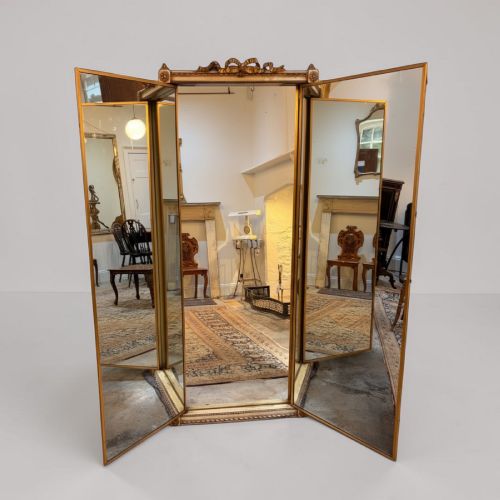
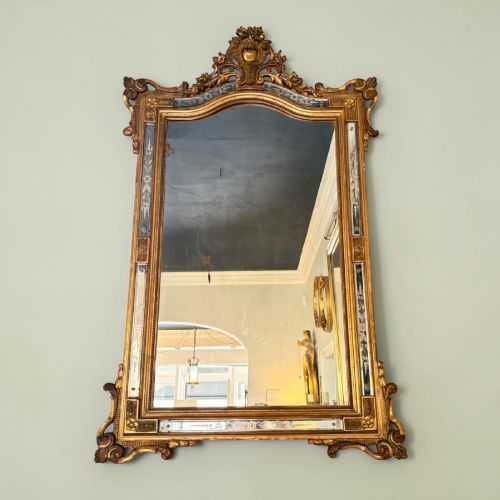
When searching for a french carved giltwood mirror, buyers encounter wall mirrors, overmantel mirrors and pier mirrors dating primarily from the eighteenth and nineteenth centuries. These pieces reflect regional French stylistic movements including Rococo Revival, Louis XV and Louis XVI styles, alongside Victorian interpretations.
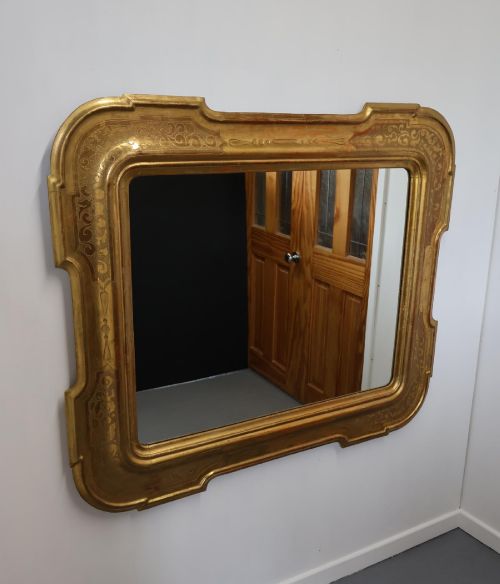
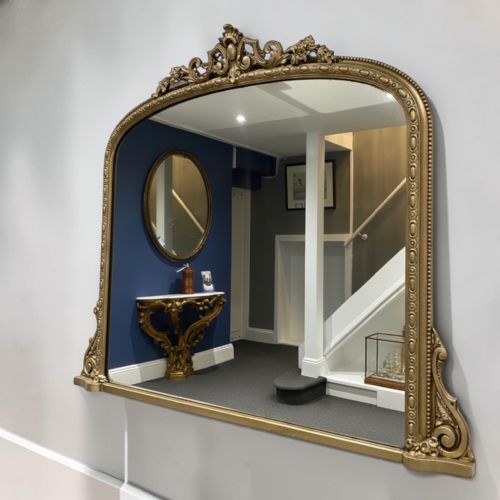
The most common formats on this page are large wall and overmantel mirrors designed to hang above mantelpieces or serve as full-length leaner mirrors. Forms range from simple oval and rectangular frames to monumental carved wooden structures incorporating mythological and floral details.
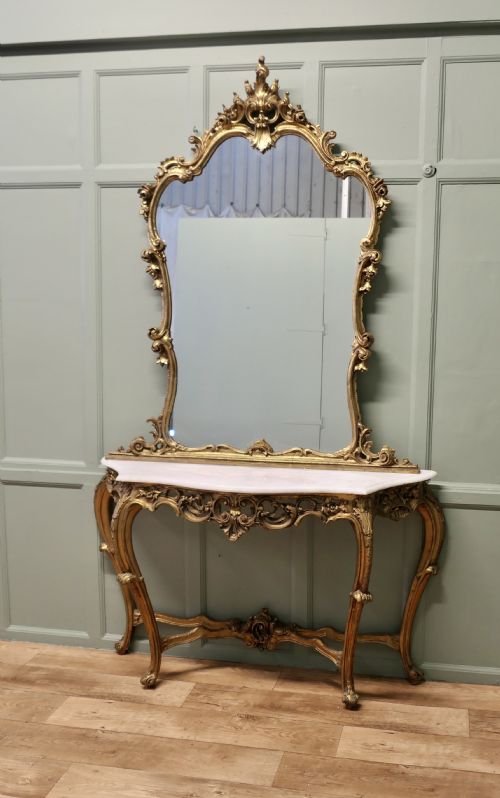
Origins span eighteenth century examples with original mercury glass plates to nineteenth century pieces created in French chateau and Victorian aesthetics. Overmantel mirrors and pier glasses dominate the selection, often accompanied by console tables or girandoles.
How they were made
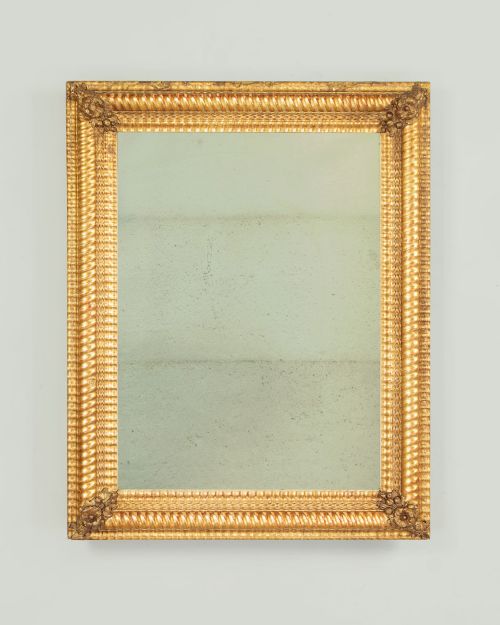
Makers constructed the primary frames from carved timber, applying layers of gesso to build up intricate relief ornaments such as rose vines, floral motifs and rope twists. Artisans then applied gold leaf or composition gilding directly over the prepared gesso surfaces.
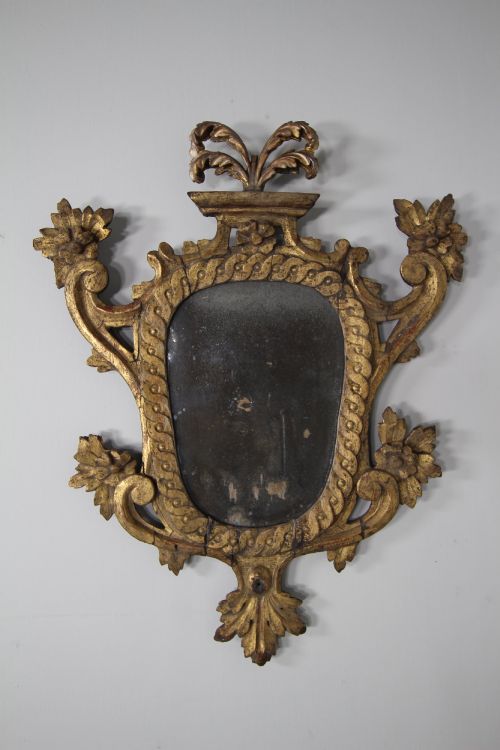
Many nineteenth century and earlier examples utilise traditional mirror glass plates, including silvered glass and foxed mercury glass. Frames frequently combine carved wood with painted elements or black and gold finishes, particularly in Napoleon III and pier mirror designs.
Object forms include wall shelves, girandoles, console tables and monumental overmantel mirrors created in Rococo, Neoclassical and Victorian styles.
What varies in quality
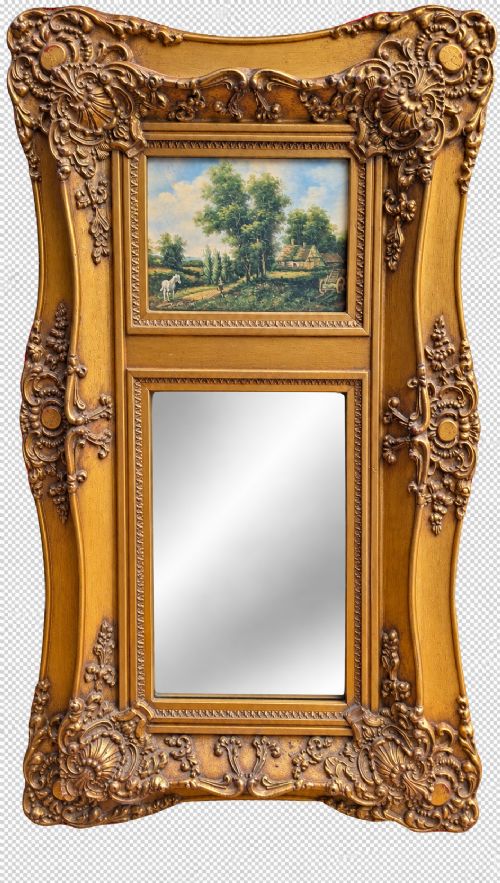
The depth and crispness of the carved wood and gesso ornamentation separate standard decorative frames from exceptional works. Fine examples display sharp floral and mythological carvings executed by hand rather than moulded composition details.
The condition and authenticity of the mirror plate also determine quality, with original mercury glass plates and bevelled glass retaining greater historic character. Frame integrity, the preservation of the original gold leaf, and structural scale further distinguish finer pieces.
The French Carved Giltwood Mirror Glossary
- Giltwood
- Wood that has been coated with gold leaf or a gold-coloured finish. This forms the reflective surface framing the glass plate.
- Gesso
- A plaster-like mixture applied to wood frames to create a smooth surface for carving and gilding. It allows artisans to model fine decorative relief details.
- Pier Mirror
- A tall mirror designed to hang on the wall between two windows, often placed directly above a matching console table.
- Overmantel Mirror
- A wide mirror specifically proportioned to sit above a fireplace mantelpiece. These pieces often feature landscape or horizontal orientations.
- Mercury Glass
- An early type of mirror glass made by pouring a mercury and tin amalgam behind double-walled glass. It produces a distinctive mottled reflection known as foxing.
French Carved Giltwood Mirror: Frequently Asked Questions
Where should I hang an overmantel mirror?
These large mirrors are traditionally positioned directly above a fireplace mantelpiece to reflect light and anchor the room's proportions.
They also function effectively as statement pieces on principal salon or hallway walls when secured properly to wall studs.
How do I identify a period frame?
Examine the construction methods visible on the reverse of the wood, the composition of the gesso, and the style of the carving. Eighteenth century and nineteenth century pieces display distinct joinery and hand-carved details compared to later reproductions.
Check the mirror plate for signs of age such as foxing, uneven thickness, or original mercury backing.
What is the difference between a pier mirror and a wall mirror?
A pier mirror is specifically proportioned to hang on the narrow wall space between windows, frequently paired with a matching console table. Standard wall mirrors feature more balanced rectangular, oval or arched dimensions for general room placement.
Both types utilise carved giltwood frames but serve different architectural functions within period interiors.
How do I care for antique giltwood?
Dust the carved frame gently with a soft, dry brush to prevent accumulating dirt within the gesso relief work. Avoid liquid cleaners, polishes and direct sunlight, which can damage delicate gold leaf and composition surfaces.
Clean the glass plate separately using a minimal amount of glass cleaner applied to a cloth rather than sprayed directly onto the frame.