




French Cameo Glass Vessel
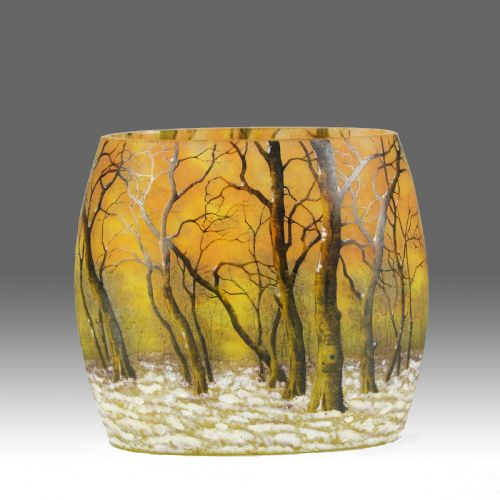
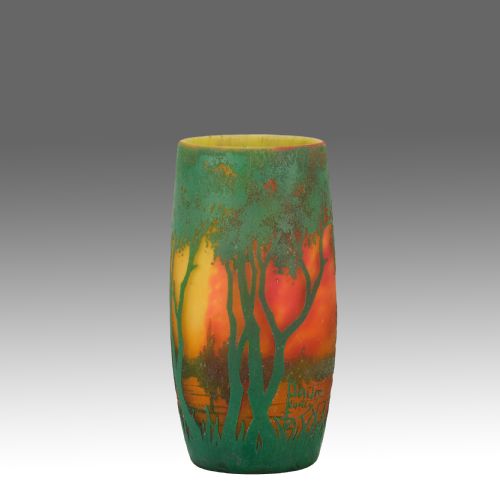
A French cameo glass vessel brings layered colour and botanical or landscape motifs into a room through acid-etched and blown glass.
French Cameo Glass Vessel
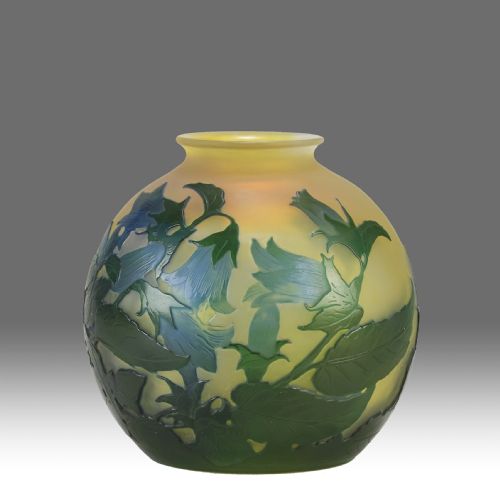
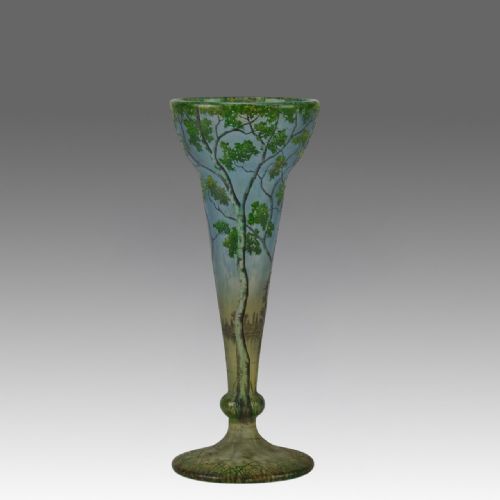
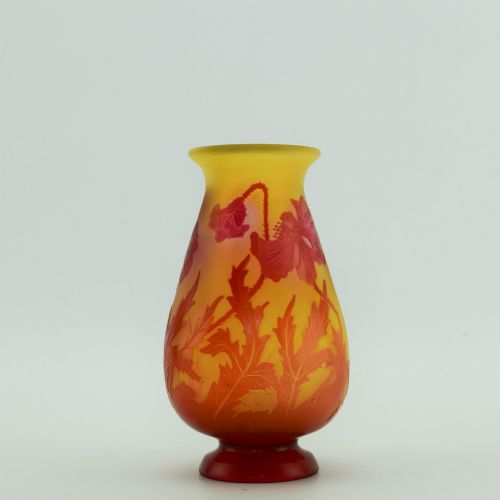
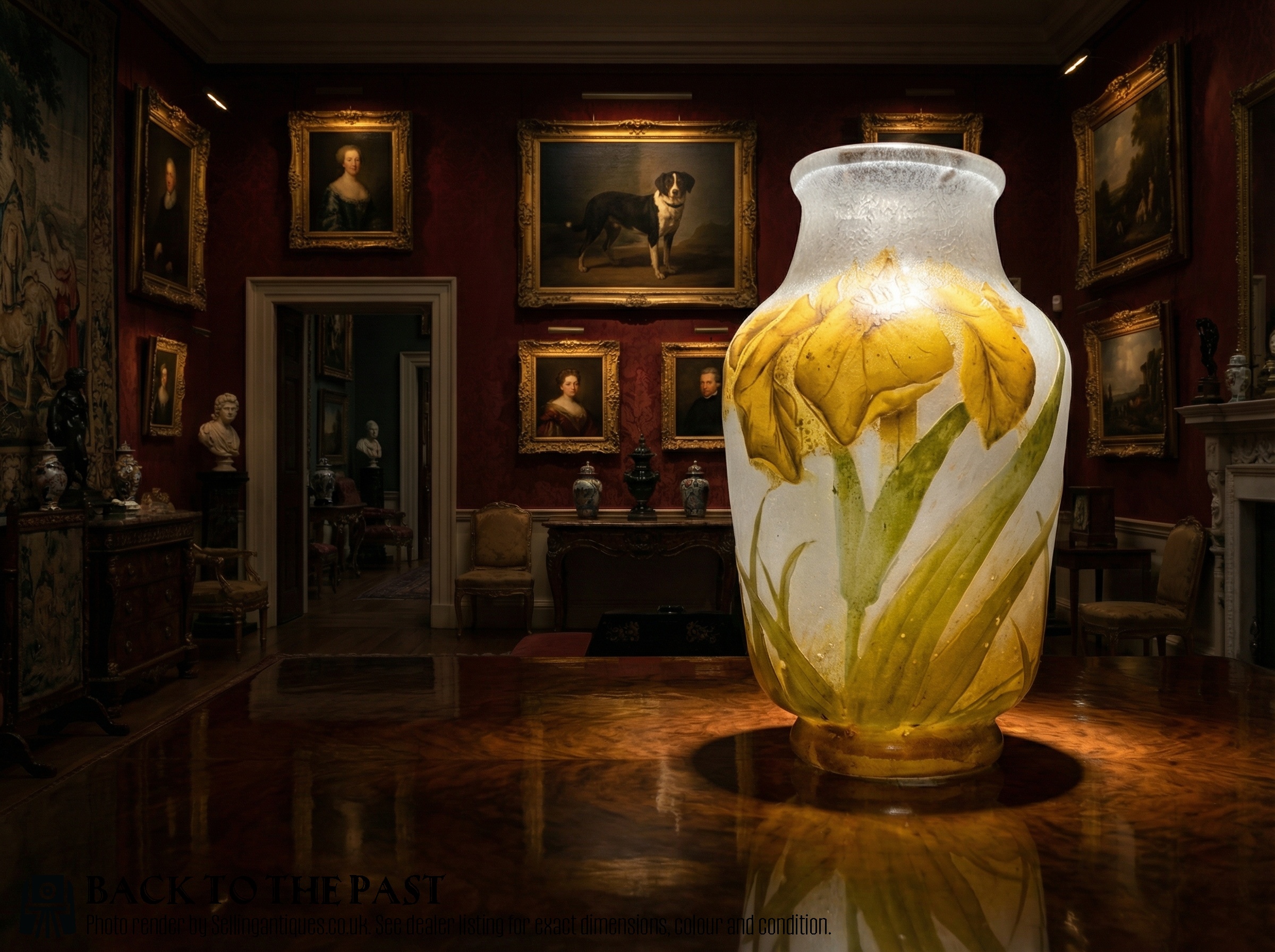
A French cameo glass vessel is typically an Art Nouveau or Art Deco piece created to display botanical subjects or landscape scenes. When you examine a French cameo glass vessel on this page, you encounter works ranging from floral vases with poppies, hydrangeas, and clematis to winter landscape scenes.
The objects take the form of vases, banjo vases, footed vessels, oviform shapes, and decanters and jugs with original stoppers. These pieces originate predominantly from the late nineteenth century and the early decades of the twentieth century, spanning the eighteen nineties through the nineteen thirties.
Makers utilise multi-layered glass to achieve depth, cutting or etching the surface to reveal contrasting colours beneath. The output reflects the distinct stylistic shift from flowing Art Nouveau plant forms to geometric Art Deco designs.

What Varies in Quality
The distinction between standard production and exceptional work rests on the depth of the carving and the complexity of the multi-coloured glass layers. Pieces that combine acid-etching with hand-enamelling or specialised souffle techniques demonstrate superior technical ambition.
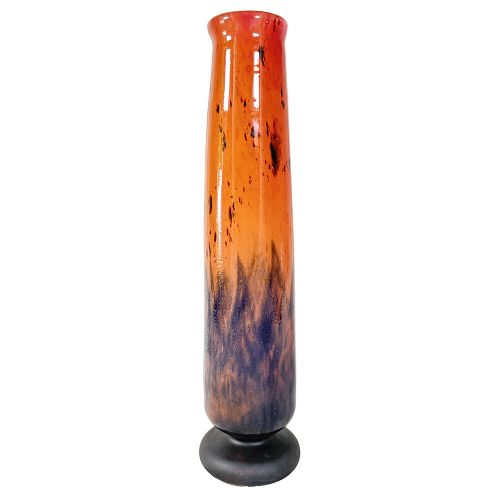
The clarity and registration of the design against the background dictate the visual success of the vessel. Strong contrast in colour combinations, such as orange on purple, combined with balanced proportions, separates standard items from the finest examples.
French Cameo Glass Vessel Retail Price Guide 2026
Typical asking prices for french cameo glass vessel among the pieces listed under this phrase on Sellingantiques today, from the lower quarter to the upper quarter. They describe what is for sale here now, not the wider market.
The listings show cameo glass vessels spanning five decades from eighteen ninety to nineteen thirty, encompassing both Art Nouveau and Art Deco styles.
Emile Gallé·Daum·Daum Frères·Legras·Schneider·Le Verre Francais
The French Cameo Glass Vessel Glossary
- Cameo Glass
- Glass vessels created with multiple layers of contrasting colours, where portions of the exterior layers are removed to form a raised design. This technique draws inspiration from ancient carved gemstones.
- Acid-Etched Glass
- Glass decorated by applying acid to eat away unprotected areas of the surface. This chemical process replaces or assists traditional wheel-carving to create the relief effect.
- Souffle
- A technique where glass is blown into a metal cage or mould to shape the vessel and accent the cameo layers. It produces a textured, organic form.
- Enamel
- Opaque glass paint applied to the surface of the vessel and fired to fuse with the body. It adds fine details and secondary colours to the etched design.
- Frosted Glass
- Glass treated to have a matte, translucent finish rather than a transparent or glossy one. This texture diffuses light and highlights the polished cameo relief.
French Cameo Glass Vessel: Frequently Asked Questions
What is cameo glass?
Cameo glass is a form of art glass created by fusing two or more layers of different coloured glass together. Artisans then carve or acid-etch away the outer layer to reveal the contrasting colour underneath, creating a raised design.
The technique requires precise control over the depth of the etching to maintain clean edges around the botanical or landscape motifs.
How do I spot Art Nouveau style?
Art Nouveau pieces feature flowing, organic lines inspired by natural forms such as plants, flowers, and vines. You will see motifs like clematis, iris, and water lilies rendered with sinuous curves.
This aesthetic dominated the turn of the twentieth century before giving way to the geometric precision of Art Deco.
Were these vessels used daily?
While many pieces functioned as decorative vases for floral displays, some forms served specific practical purposes. Decanters and jugs with original stoppers were designed for holding liquids.
Most surviving examples are collected as display objects due to the delicate nature of the multi-layered glass.
How do I date a piece?
Dating relies on stylistic markers, maker signatures, and the manufacturing techniques visible on the vessel. Pieces from the eighteen nineties and nineteen hundreds typically showcase organic Art Nouveau flora, while later nineteen twenties items incorporate bolder palettes and simplified forms.
Signatures etched into the glass often evolve across these decades, helping to place the work within a specific era.