




French Bronze Pendule
When you handle a french bronze pendule, you hold a piece of engineering housed in sculpted metal that dominated the mantelpieces of Europe.
French Bronze Pendule
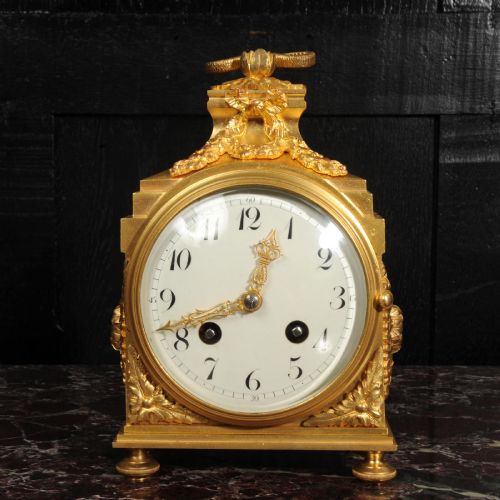
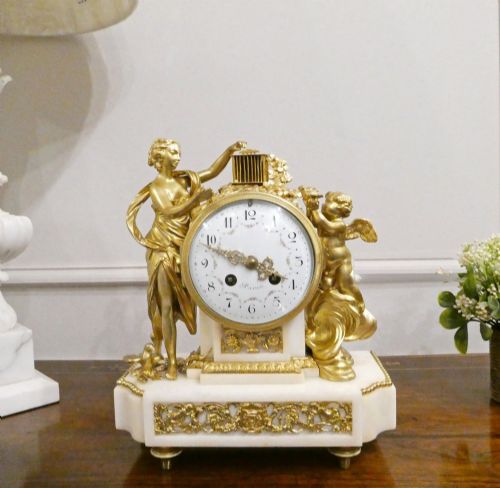
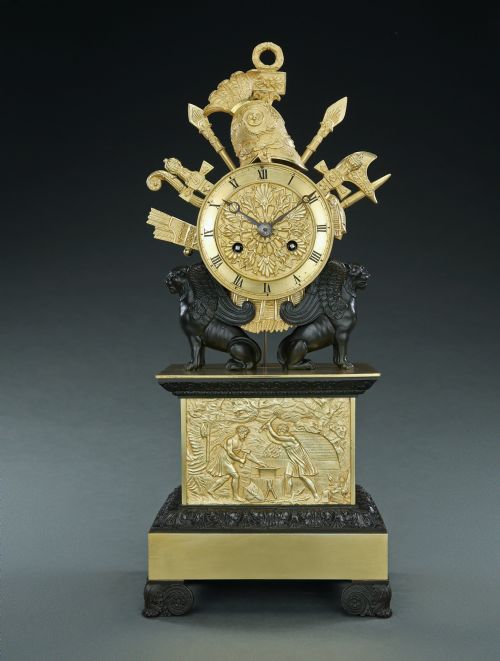
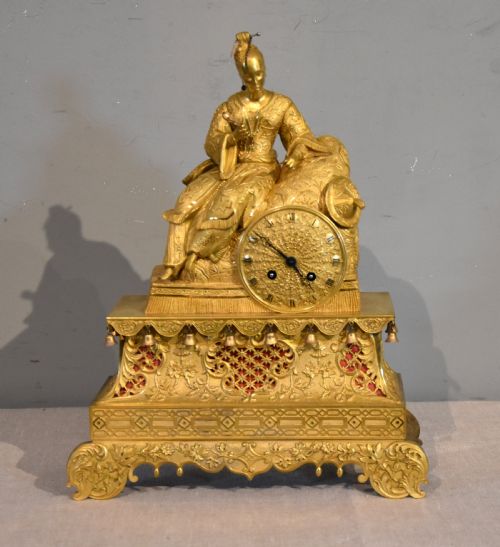
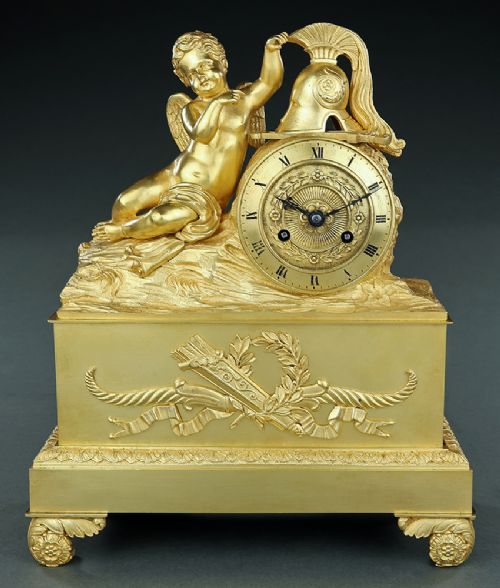
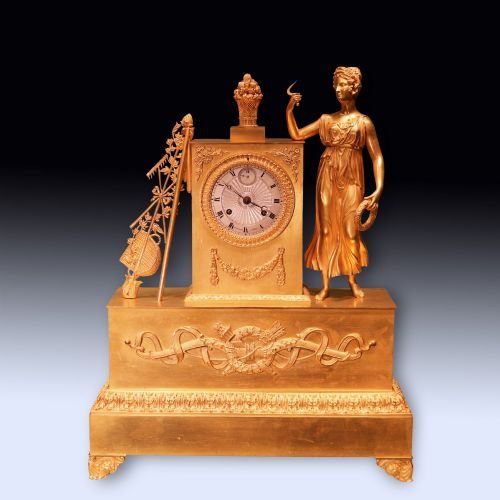
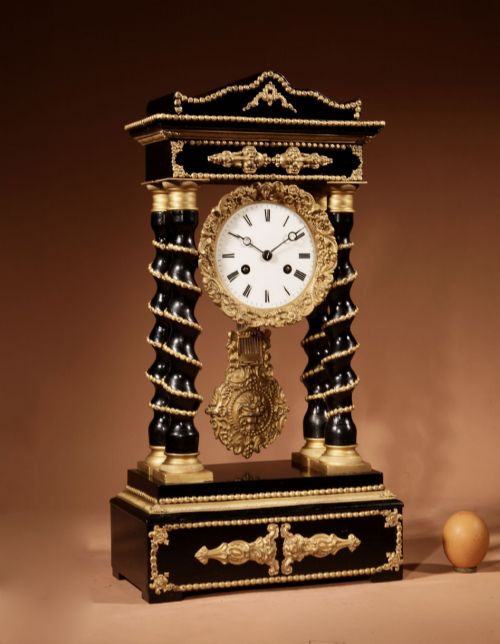
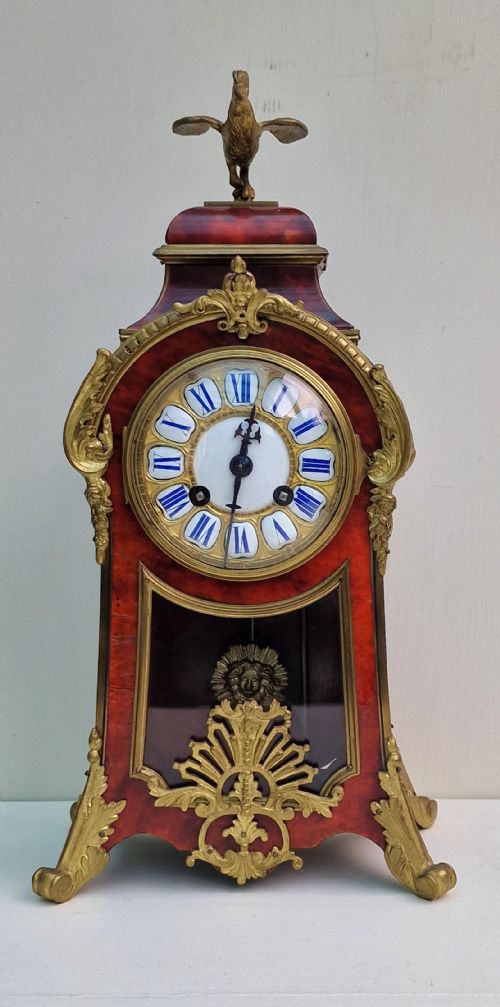
A french bronze pendule represents a mechanical timekeeper encased in patinated metal, gilt bronze, and marble, originating largely from nineteenth-century workshops. The phrase encompasses mantel clocks, portico clocks, and wall clocks spanning the Empire, Louis XVI, and Rococo Revival styles.
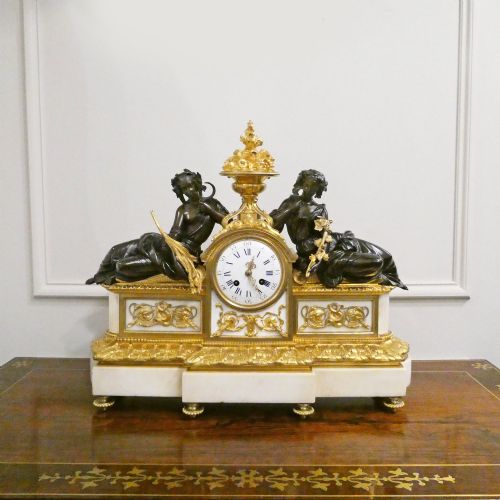
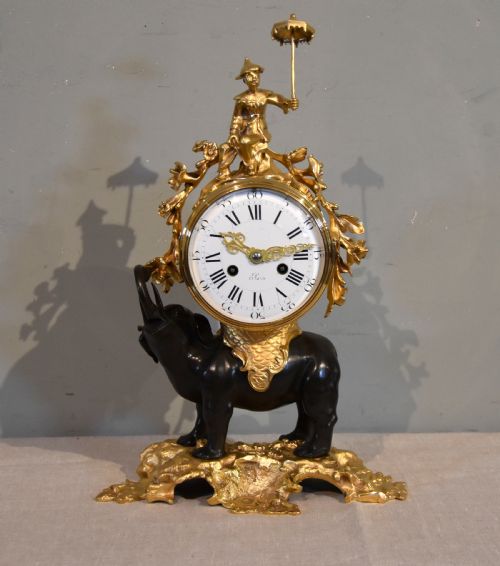
Buyers encounter architectural forms, figural compositions featuring animals or allegorical subjects, and classical designs driven by eight-day movements. These pieces combine sculptural presence with functional horology.
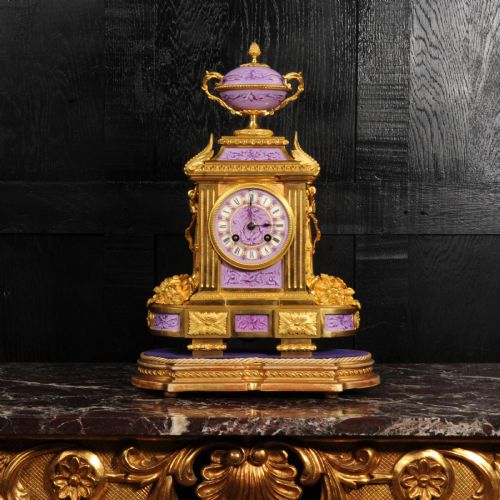
The selection ranges from restrained white marble portico pieces to heavily ornamented gilt bronze and porcelain creations by notable makers.
Materials and construction
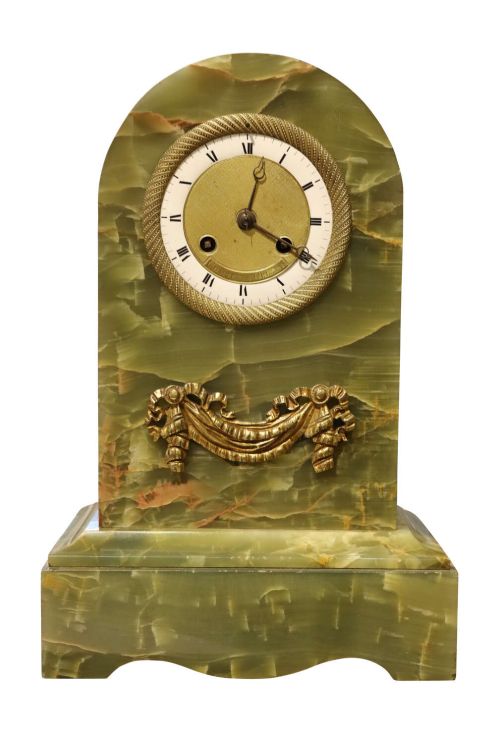
Craftsmen utilised cast bronze, patinated metal, and ormolu, applying mercury gilding or chemical patination to the metal surfaces. These bronze and brass elements were frequently combined with white or green marble, porcelain plaques, and enamel dials.
The movements were produced by specialised horologists, while the cases involved founders, chasers, and gilders working in coordinated Parisian workshops. Enamel dials were hand-painted and fired, then fitted with delicate hands behind glass bezels.
Listings feature nineteenth-century pieces spanning the Victorian era, Empire period, and Louis XVI revivals, constructed in bronze, marble, and porcelain.
What separates the tiers
Quality rests in the crispness of the bronze chasing and the depth of the gilding, where sharp relief and varied surface textures distinguish superior cases from soft, flat castings. The integration between the sculptural bronze elements and the marble or porcelain base dictates the structural harmony.
Mechanical execution separates standard production from master work, seen in the finish of the movement plates, the signature of the maker, and the complexity of the striking train. A well-preserved dial and original matching pendulum elevate the integrity of the piece.
Achille Brocot·Charles à Orléans·Vincenti·Canaillor of Paris·Henry Dasson·Berger Paris·Leroy Paris·Henri Marc of Paris·Japy Freres·PH Mourey·Samuel Marti·Charpentier Paris·Pons de Paul·Leroy and Fils
The French Bronze Pendule Glossary
- Pendule
- A French term for a pendulum clock, typically applied to mantel or table timepieces of decorative character. It denotes the formal clock rather than a simple wall regulator.
- Ormolu
- Gilt bronze created by applying an amalgam of gold and mercury to a bronze base and heating it to drive off the mercury. This technique produces a rich, durable golden finish found on nineteenth-century cases.
- Patinated bronze
- Bronze that has been treated with chemical solutions to produce a darkened, weathered surface. This dark finish contrasts sharply with bright ormolu mountings.
- Portico clock
- A mantel clock designed with architectural columns supporting the movement housing, resembling a classical temple facade. They often feature wooden veneered frames with inlay or ebonised surfaces.
- Champlevé
- An enamelling technique where troughs are dug into the metal surface, filled with enamel powder, and fired. It creates colourful decorative patterns across the clock case.
French Bronze Pendule: Frequently Asked Questions
Where should I place my clock?
Position the clock on a stable, level surface such as a heavy mantelpiece or console table away from direct sunlight and dampness. A level foundation is essential for the pendulum to beat evenly and keep accurate time.
Ensure there is adequate clearance around the case so the bell or gong can resonate clearly when the clock strikes the hours and halves.
How do I tell the period of a clock?
Examine the stylistic vocabulary of the bronze mountings, such as the symmetrical scrolls of Rococo Revival or the strict symmetry and urn motifs of Louis XVI style. Dial signatures, movement stamps, and case materials like green onyx or white marble also point to specific manufacturing decades.
Maker signatures stamped on the back plates provide a reliable anchor for dating when cross-referenced with active working years.
Were these clocks used in bedrooms?
Mantel clocks of this scale were primarily designed for formal reception rooms, salons, and entrance halls where their striking mechanism could regulate the daily household. Smaller variants like the pendule d'officier served as portable timepieces for studies or bedchambers.
The prominent display of gilt bronze and marble suited public entertaining spaces rather than private quarters.