



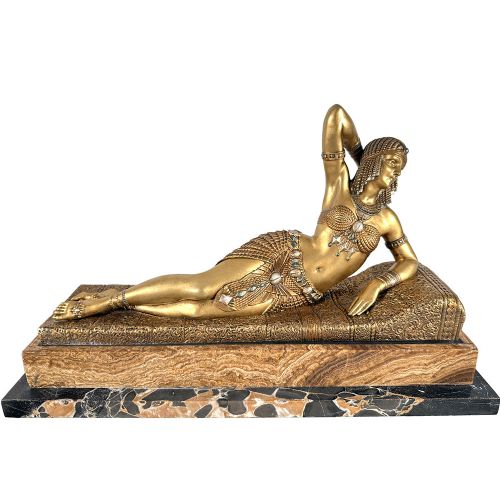


French Bronze Nude
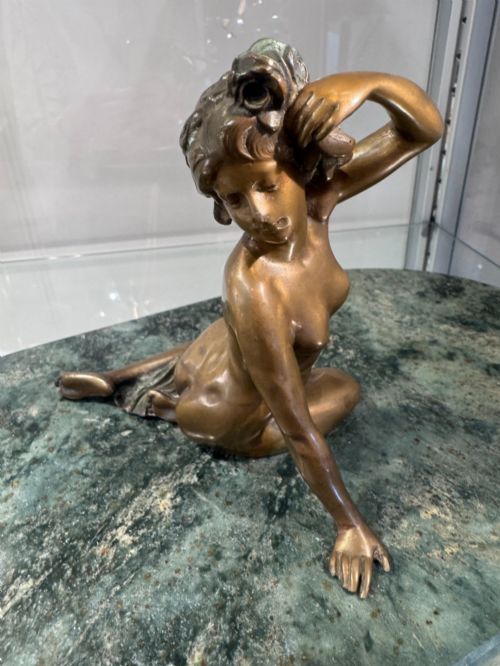
When you search for french bronze nude pieces, you are looking at cast metal figures spanning the nineteenth century and the art deco era.
French Bronze Nude
When you search for french bronze nude items, you are examining sculptural works originating from workshops and foundries in France. The selection includes standing figures, dancers, mythological subjects, and allegorical studies cast in metal.
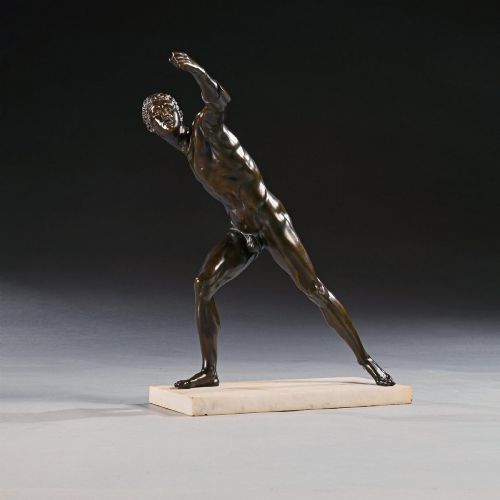
The objects on this page range from nineteenth-century classical interpretations and Grand Tour reductions to dynamic art deco compositions. You will encounter standalone sculptures, bookends, table lamps, and vessels incorporating human figures.
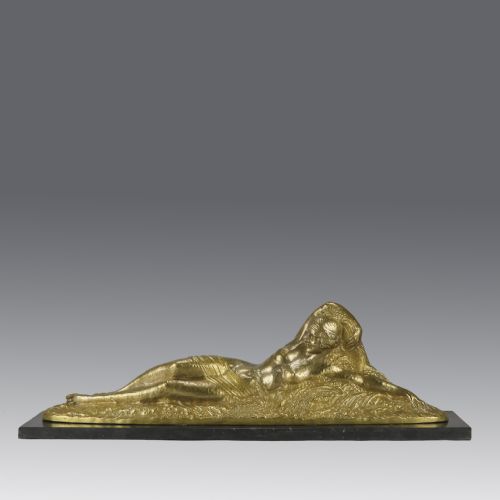
Nineteenth-century examples frequently draw on classical antiquity, depicting maidens, warriors, and mythological characters. By the nineteen-twenties and nineteen-thirties, the aesthetic shifts towards modern dancers, stylised forms, and acrobats.
Materials and casting methods
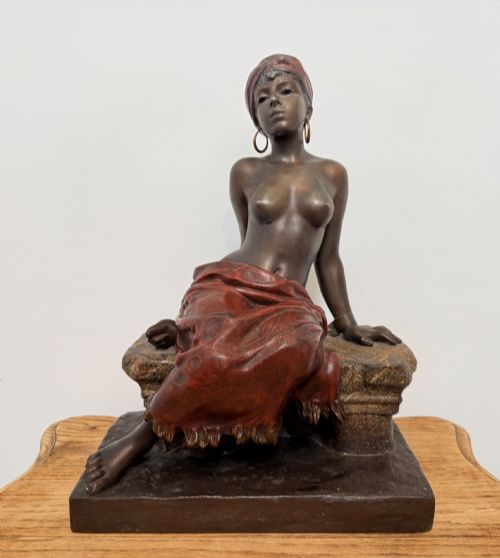
The primary medium for these works is bronze, often manipulated to produce distinct patinated, silvered, or gilt surfaces. Foundries employed the lost-wax casting technique or sand casting to achieve intricate detail in the final metal form.
Many sculptures are mounted on heavy bases composed of marble, onyx, slate, or stone. These plinths provide stability and contrast with the warm tones of the patinated metal above.
Listings feature works from the nineteenth century through the art deco era, utilising bronze, marble, onyx, and slate.
Distinctions in craftsmanship
Quality in a french bronze nude rests upon the crispness of the chase work and the refinement of the surface finish. Skilled artisans hand-finished the raw metal after casting, sharpening details in the hair, drapery, and musculature.
The choice of patination and the integration of the metal figure with its marble or onyx base indicate the level of care taken by the foundry. Superior pieces display smooth transitions, secure mountings, and a harmonious balance between the sculpture and its plinth.
Ferdinand Barbedienne·E Villanis·Demetre Chiparus·Sibylle May·Maurice Guiraud Riviere·Anders Zorn·Pierre Le Faguays·Claire Jeanne Roberte Colinet·Edmond Leveque·Paul de Boulogne·James Pradier·Eugene Desire Piron·Raoul Francois Larche·Ugo Cipriani·George Omerth·Gustave Dussart·Ary Bitter·Marcel Bouraine
The French Bronze Nude Glossary
- Patinated bronze
- A metal sculpture treated with chemical solutions to produce a specific surface colour or tone. This process protects the bronze while enhancing its visual depth.
- Lost-wax casting
- A method where a metal copy is duplicated from an original sculpture by creating a wax model that is melted away. It allows for high precision and intricate detail in the finished piece.
- Grand Tour
- A nineteenth-century tradition where travellers collected small-scale souvenir reductions of famous classical sculptures. These bronze figures were often purchased in Italy or France.
- Art Deco
- A design style prevalent in the nineteen-twenties and nineteen-thirties characterised by sleek lines, stylised geometry, and dynamic movement. Figures from this period often depict dancers and athletes.
- Gilt bronze
- Metalwork coated with a thin layer of gold or gold leaf applied to the bronze surface. This technique produces a bright, reflective finish.
French Bronze Nude: Frequently Asked Questions
How do I identify an art deco figure?
Art deco pieces display stylised geometries and energetic poses, particularly featuring dancers and athletes from the nineteen-twenties and nineteen-thirties.
These works often combine patinated or silvered bronze with contrasting marble or onyx bases, reflecting the modern aesthetic of the interwar period.
What is a grand tour bronze?
Grand tour bronzes are nineteenth-century reductions of famous classical sculptures collected by travellers during their European tours.
They served as portable souvenirs that brought ancient Greek and Roman art forms into nineteenth-century domestic interiors.
How should I display a heavy bronze figure?
These sculptures require sturdy furniture capable of supporting considerable weight, particularly when mounted on heavy marble or stone plinths.
Position the piece away from direct heat sources and moisture to preserve the integrity of the patinated metal and its stone base.