


French Bronze Lady
These pieces gather the elegance of a french bronze lady in sculptures, desk garnitures and lighting spanning the nineteenth and twentieth centuries.
French Bronze Lady
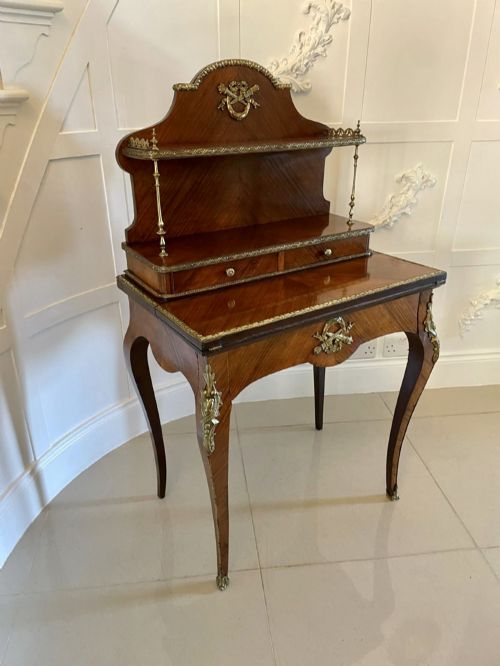
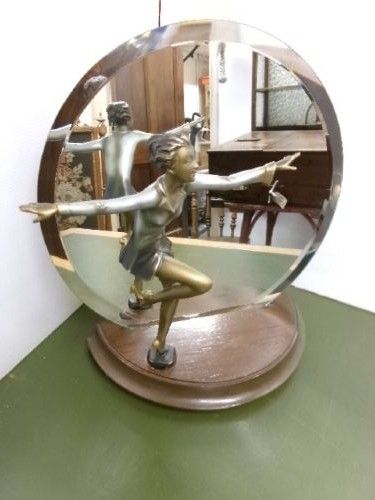
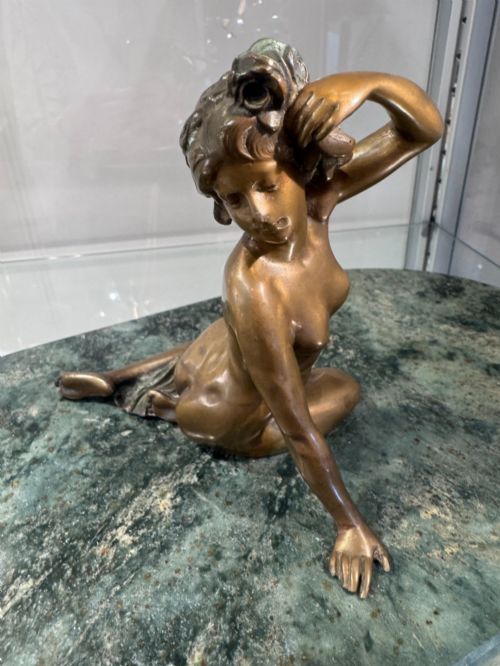
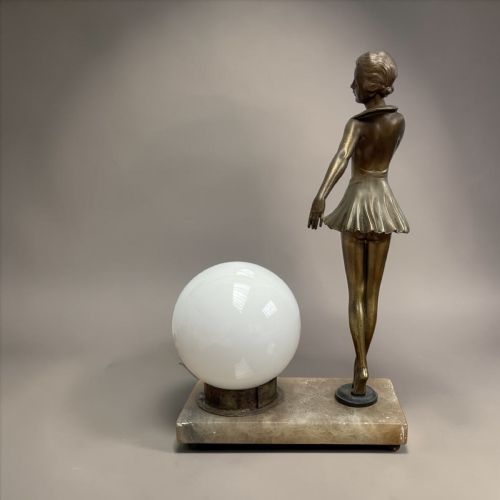
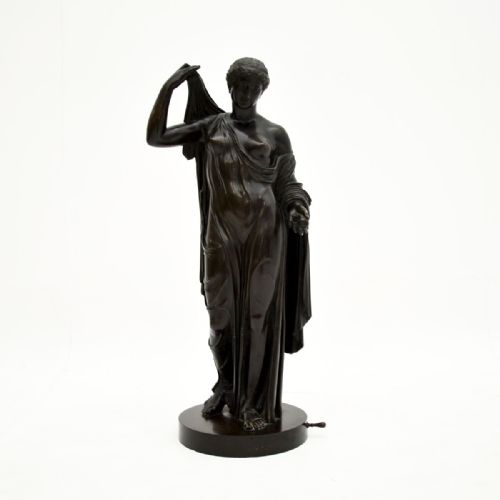
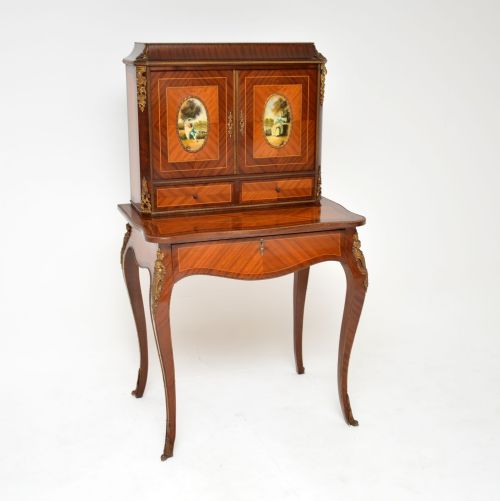
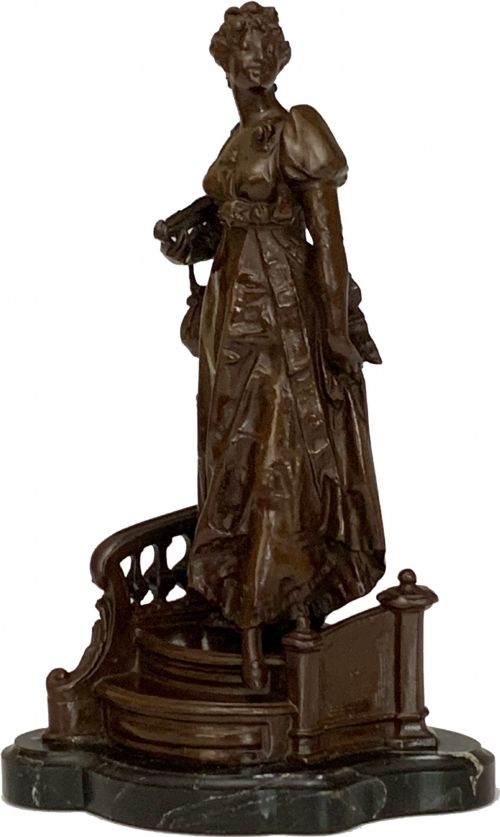
When searching for a french bronze lady, collectors encounter figurative sculptures, portrait busts, and functional pieces such as table lamps and writing desks adorned with female figures. The items range from neoclassical robed figures to Art Nouveau and Art Deco representations created across the nineteenth and twentieth centuries.
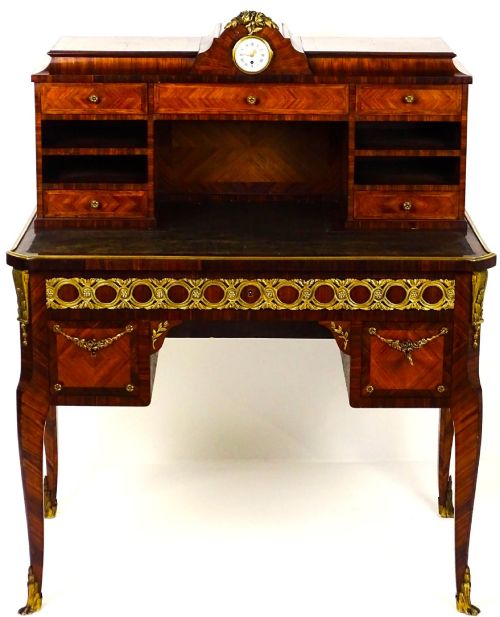
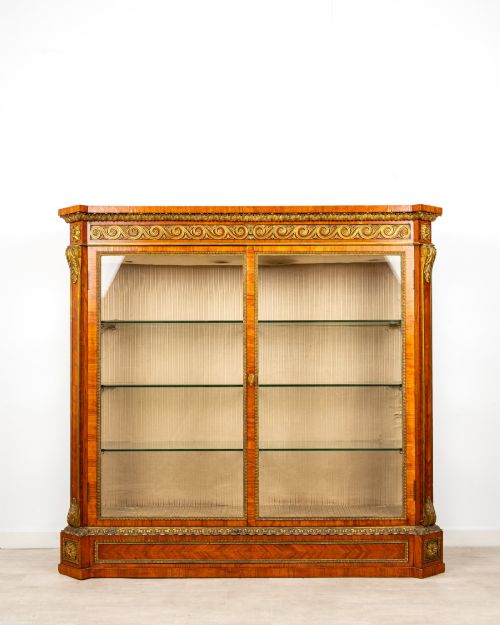
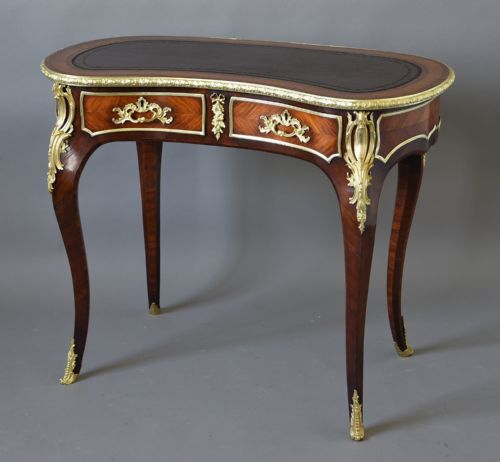
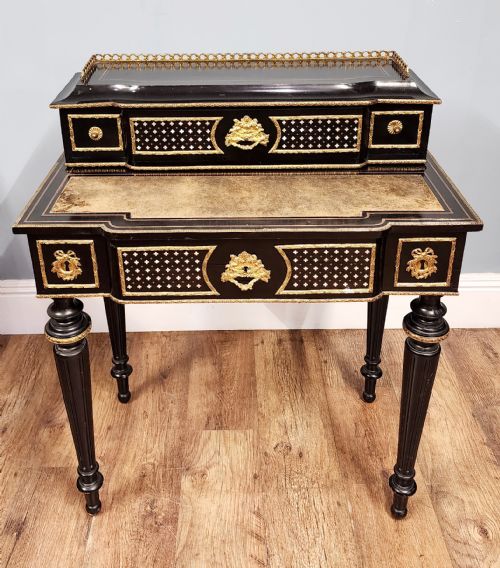
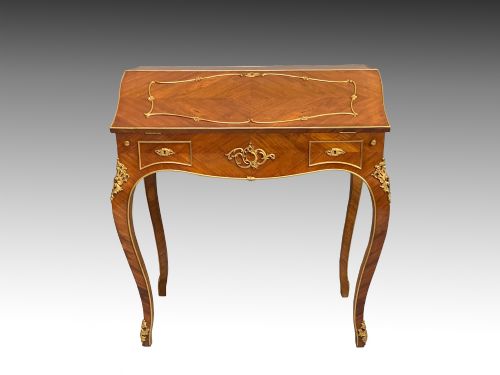
The selections on this page bridge decorative metalwork and fine furniture, frequently combining bronze or spelter figures with cabinets, writing tables, and side tables. Makers and foundries utilised varied patination, gilding, and marble mounts to present these female forms in domestic settings.
Buyers regularly discover works produced during distinct stylistic revivals, including Louis XV and Louis XVI styles, alongside period-specific movements like Art Nouveau and Art Deco. These items function equally as standalone sculptures or as ornamental components on desks and cabinetry.
Materials and technique
Sculptures and figures are cast primarily in bronze or spelter, employing traditional foundry techniques that capture fine detail in drapery, hair, and facial expression. Ormolu and gilt bronze mounts provide decorative contrast, frequently paired with exotic woods like kingwood, rosewood, and satinwood on furniture items.
Surface treatments involve hand-finishing, patination, and parcel gilding to accentuate the contours of the female form and the relief work of associated mounts. Cabinetry incorporates marquetry, porcelain plaques, and glass panels to complement the metalwork elements.
Several ladies share their display space with greyhounds or panthers.
Assessing quality
In pieces that combine metalwork with furniture, the integration of ormolu mounts, the selection of timber veneers such as kingwood or tulipwood, and the retention of original decorative elements govern the standing of the work within its period.
Paul Sormani·Georges Van Der Straeten·Sylvain Kinsburger·Demetre Chiparus·Maurice Bouval·Mathurin Moreau·Ernest Rancoulet·A. Ouline·Geo Maxim·H. Bal·Eurotrope Bouret·H. J. Hatfield And Sons
The French Bronze Lady Glossary
- Ormolu
- Gilded brass or bronze applied to furniture and decorative objects. This technique was widely utilised in French cabinetmaking during the eighteenth and nineteenth centuries to highlight structural edges and panels.
- Spelter
- A zinc alloy frequently used as a substitute for bronze in decorative figures and lamps. It takes patination and paint well while offering a lighter and more affordable alternative to heavier metals.
- Bonheur-du-jour
- A light ladies writing desk featuring a small cabinet or set of shelves on top. These desks typically incorporate drawers, writing surfaces, and sometimes porcelain plaques or ormolu mounts.
- Chryselephantine
- A sculpture combining ivory or bone with bronze or other materials. This method gained prominence during the Art Nouveau and Art Deco periods for figurative works.
- Marquetry
- The art of applying pieces of veneer to a structure to form decorative patterns and pictures. Makers utilised contrasting timbers like tulipwood, kingwood, and satinwood to achieve geometric or floral designs.
French Bronze Lady: Frequently Asked Questions
What is a french bronze lady sculpture?
These sculptures depict female figures in various styles ranging from neoclassical robed subjects to Art Nouveau and Art Deco dancers.
Foundries cast them in bronze or spelter, often mounting the figures on marble bases or integrating them into lamps and desk accessories.
How do I date a french bronze lady?
Dating relies on the stylistic markers of the figure and its mountings, moving from nineteenth-century revival styles to twentieth-century Art Deco forms.
Signatures, foundry marks, and the materials used for supporting furniture or bases provide further chronological evidence.
Where were these pieces used historically?
Figures and lamp variations served as decorative accents in reception rooms, libraries, and studies during the Victorian and Edwardian eras.
Writing desks and cabinets featuring these figures functioned as personal writing spaces and display furniture for affluent households.
What is the difference between bronze and spelter?
Bronze is a durable copper alloy capable of holding exceptionally sharp casting details and deep patination over centuries.
Spelter is a softer zinc-based alternative that appeared frequently in decorative figures and lamps, offering a lighter weight and distinct finish.
How do I care for bronze and ormolu?
Maintenance requires gentle dusting with a soft, dry cloth to prevent the accumulation of dirt on patinated surfaces.
Harsh chemical cleaners must be avoided to preserve the original gilding, patination, and protective wax coatings on the metal.