

French Bronze Desk Sculpture
A french bronze desk sculpture brings character and weight to a working surface, combining fine metal casting with the practical utility of inkwells and lamps.
French Bronze Desk Sculpture
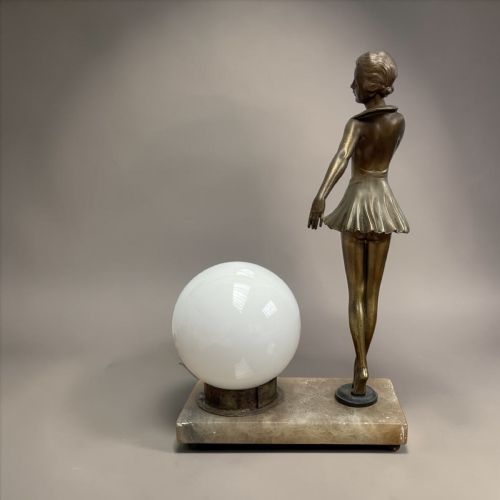
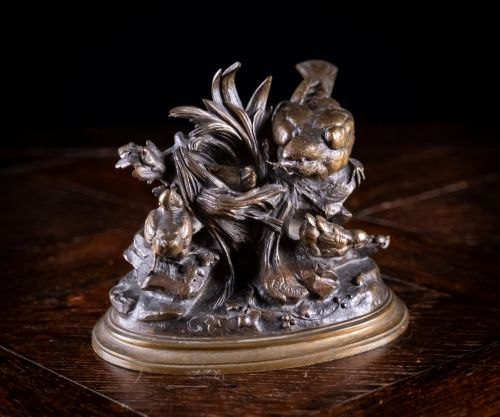
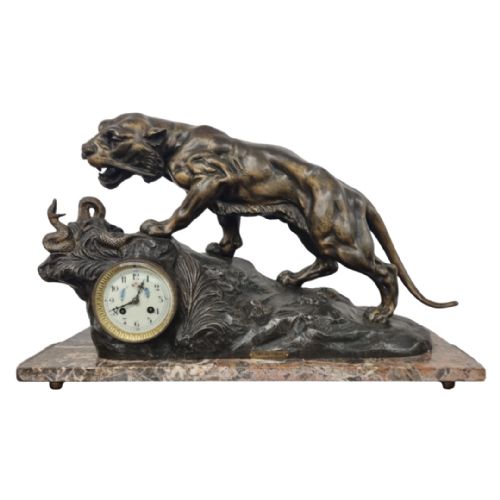
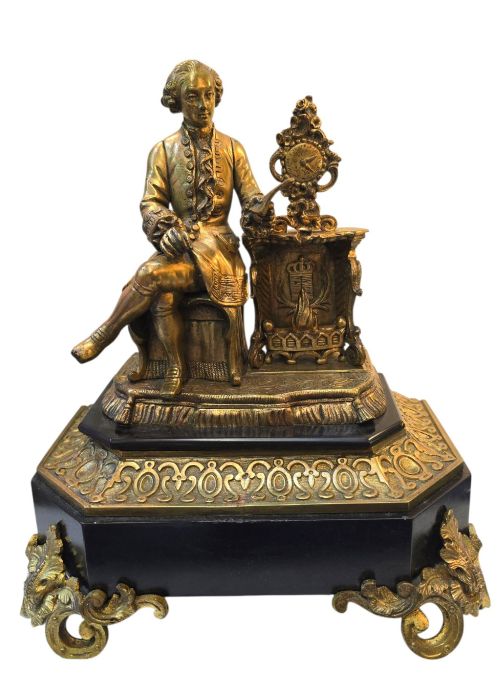
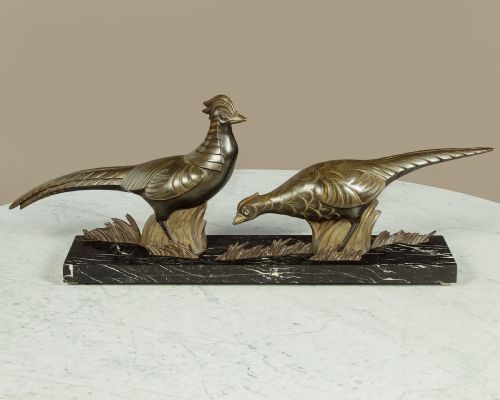
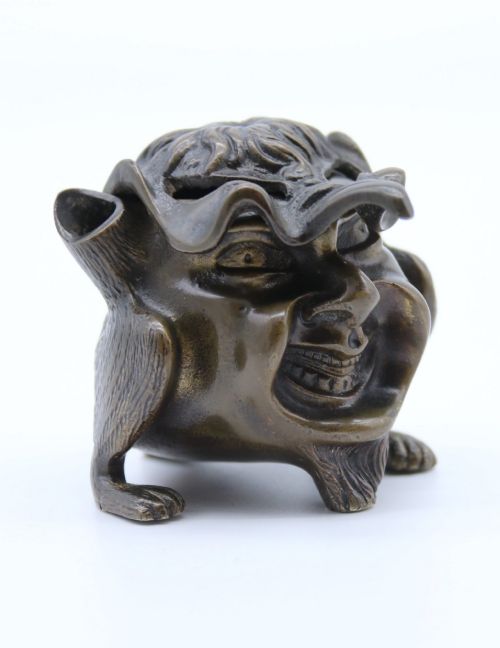
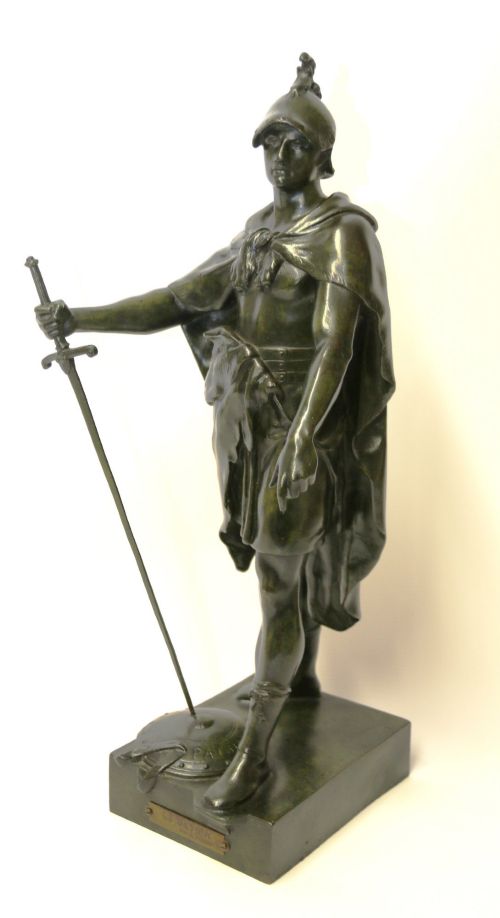
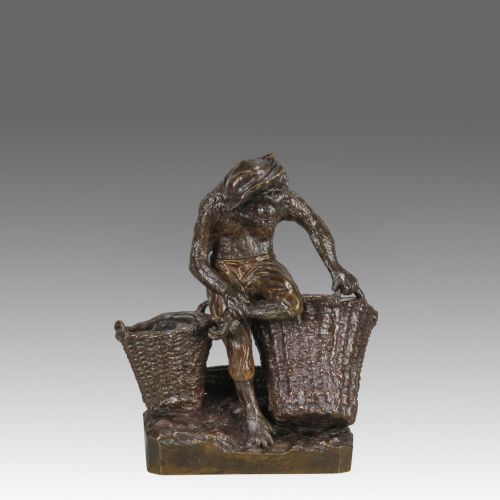
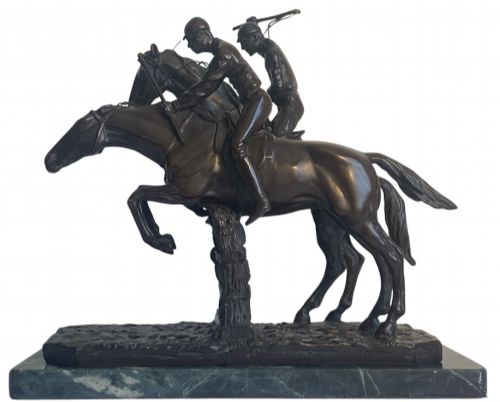
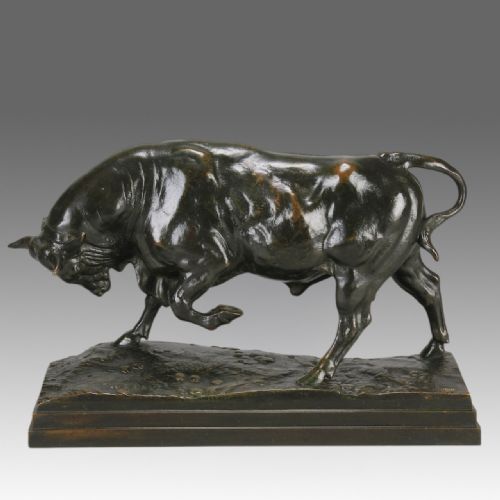
A french bronze desk sculpture encompasses small-scale metal figures, animalier studies, and functional objects designed for writing furniture during the nineteenth and twentieth centuries. Buyers encounter pieces ranging from early nineteenth-century neoclassical busts and animalier subjects to sleek nineteen-thirties dancers and stylized birds.
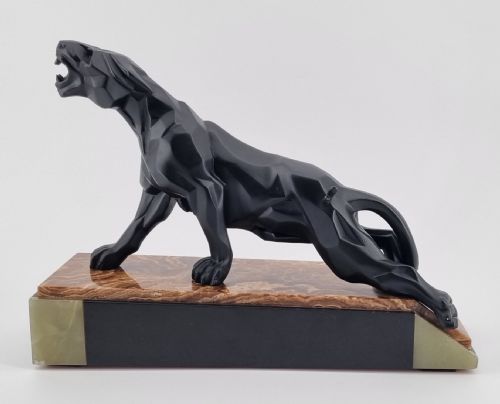
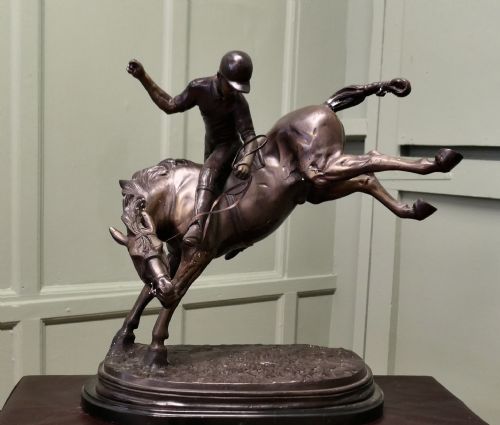
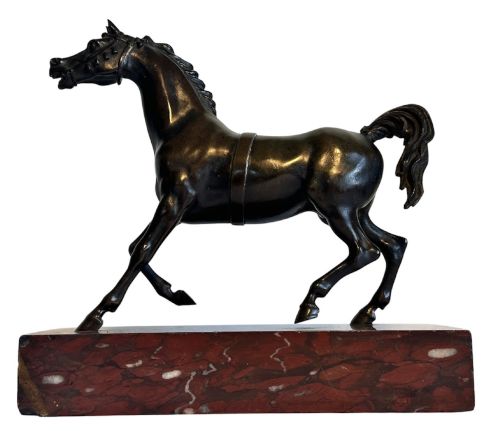
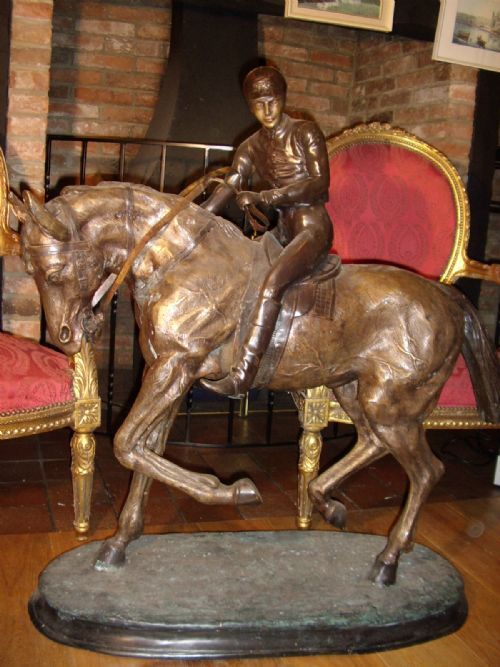
The most common formats on this page combine cast metal with stone plinths, merging decorative statuary with items like inkstands, mantel clocks, and table lamps. Subjects stretch from classical figures and historical portraits to fierce predators, sporting horses, and whimsical creatures resting on marble or onyx bases.
How They Were Made
Foundries utilised traditional lost-wax or sand-casting methods to capture intricate detail in bronze, shaping figures of humans, animals, and architectural models. Craftsmen then applied various surface finishes, including rich patination, bright gilding, or ormolu highlights.
Many sculptures were mounted onto heavy natural stone bases such as marble and onyx to provide stability on writing desks. Additional materials like enamel and silvered bronze sometimes augmented the primary metal structure.
Listings feature works spanning the nineteenth and twentieth centuries, utilising materials like bronze, marble, ormolu, onyx, and enamel across animalier and Art Deco styles.
What Varies in Quality
Quality rests in the crispness of the chase work and the subtlety of the surface patina, which reveal the skill applied after the metal left the mould. Sharp feather rendering in bird studies or defined musculature in animalier bronzes indicate superior execution.
The integration of the sculpture with its stone plinth and secondary materials dictates overall refinement, distinguishing standard production runs from masterworks with meticulous hand-finishing.
Louis Emile Cana·R Varnier·Pierre Jules Meme·Emile Louis Picault·Christophe Fratin·Antoine Louis Barye·Alfred Barye·Dora Heber·Emile Guillemin·Georges Van Der Straeten·Zoldan Kovats·Sibylle May·Leon Message·Jollet et Cie
The French Bronze Desk Sculpture Glossary
- Animalier
- A nineteenth-century artistic movement focusing on the realistic portrayal of animals, particularly predators and horses in motion. These sculptors studied live subjects closely at menageries to capture authentic anatomy.
- Ormolu
- Gilded bronze produced by applying a mercury-gilding technique to a bronze base object. This creates a durable, bright gold surface finish common in decorative French furnishings.
- Patinated bronze
- Metal treated with chemical solutions to produce a controlled surface colour or dark tone. This finish protects the underlying alloy and highlights sculptural contours.
- Spelter
- An alloy of zinc and other base metals used as a cheaper alternative to bronze for decorative figures. It is softer and lighter than genuine bronze.
- Grand Tour
- A traditional trip undertaken by European elites to study classical art and antiquities. Smaller bronze models of columns and monuments were popular souvenirs from these journeys.
French Bronze Desk Sculpture: Frequently Asked Questions
What is an animalier bronze?
An animalier bronze depicts animals such as horses, lions, and birds in dynamic or resting poses. These works gained immense popularity across the nineteenth century as artists focused heavily on anatomical accuracy.
Such sculptures often anchor themselves to heavy marble or onyx bases, serving as decorative desk objects or standalone statuary.
How do I identify French desk pieces?
French desk pieces frequently integrate practical elements like inkwells, stamp boxes, or lighting into sculptural bronze and ormolu designs. Foundry marks, signatures on the base, and distinct stylistic periods provide clear clues to their origin.
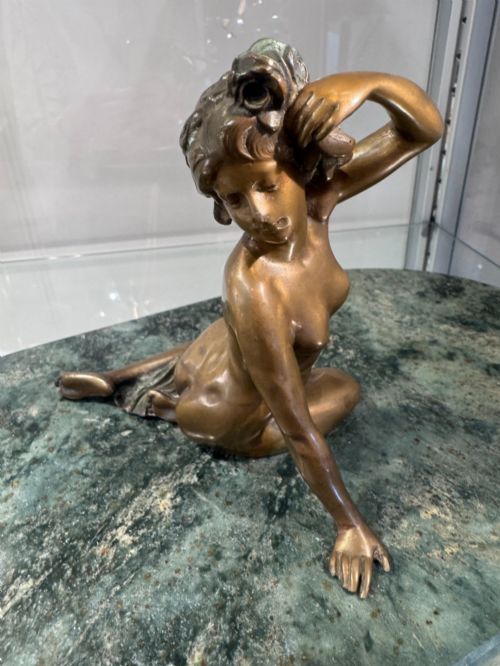
Materials such as contrasting green marble, polished onyx, and rich patinated bronze point directly to nineteenth and twentieth-century French workshops.
What is the difference between bronze and spelter?
Bronze is a durable copper alloy that accepts fine chasing and holds deep patination over centuries. Spelter relies on zinc, making it a softer and significantly lighter metal that shows wear more readily.
Many antique figures utilise spelter as an affordable alternative, often finished with metallic paint to imitate genuine bronze.
How should I clean my sculpture?
Dust bronze sculptures gently with a soft, dry brush to prevent accumulation in crevices and around stone mounts. Avoid harsh chemical cleaners or polishes that strip away historical patination and damage the metal surface.
Applying a very light coat of microcrystalline wax occasionally helps protect the bronze from atmospheric moisture.