


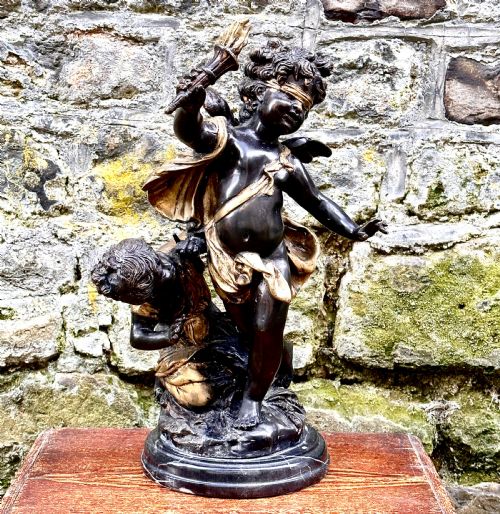


French Bronze Cherub Statue
When you choose a french bronze cherub statue, you invite winged putti, infant bacchants and mythological children into your rooms through enduring nineteenth-century metalwork.
French Bronze Cherub Statue
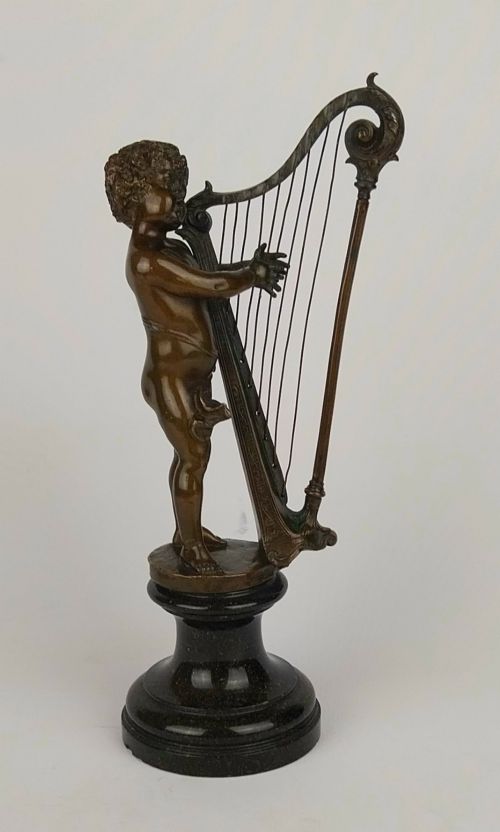
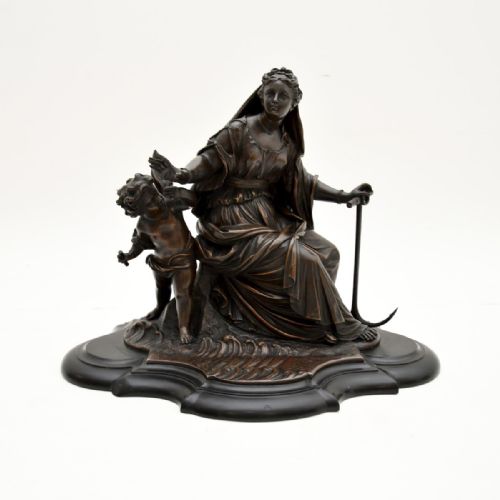
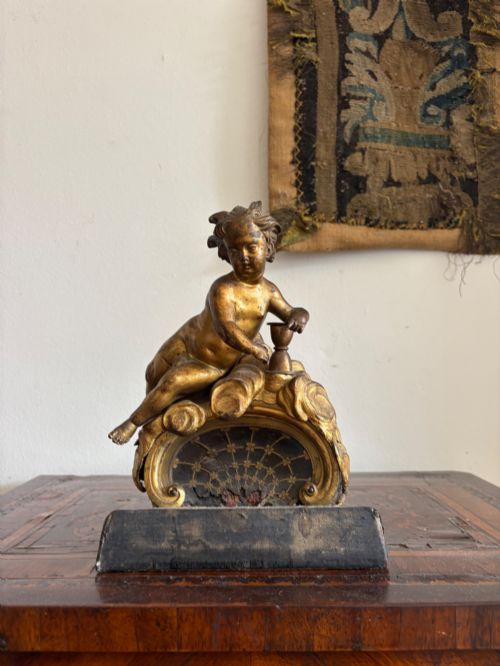
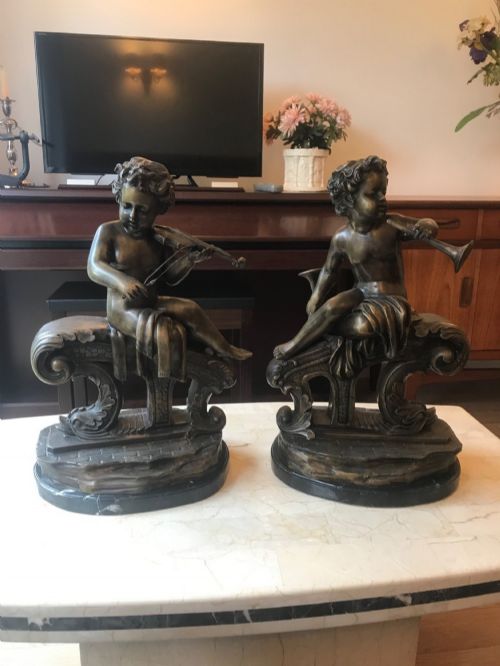
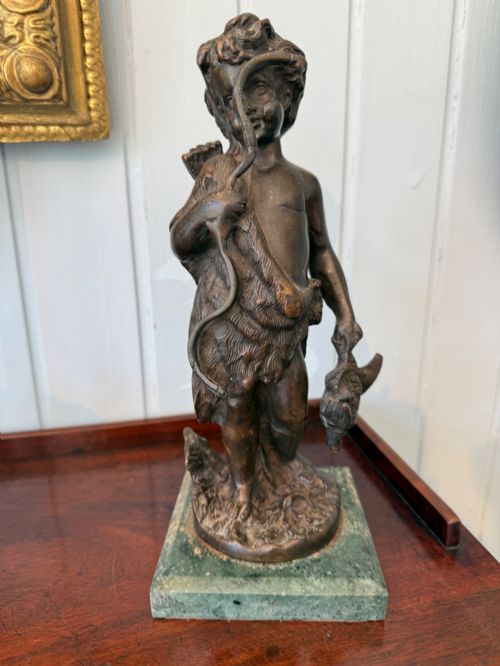
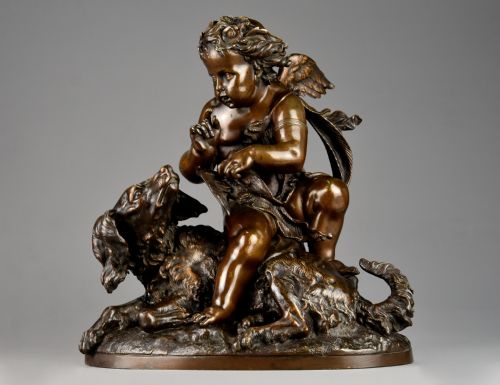
A french bronze cherub statue typically depicts a winged putto, cupid or infant bachanalian figure engaged in music, harvest or play. These sculptures trace their origins predominantly to the nineteenth century, drawing inspiration from classical antiquity and neoclassical revival movements.
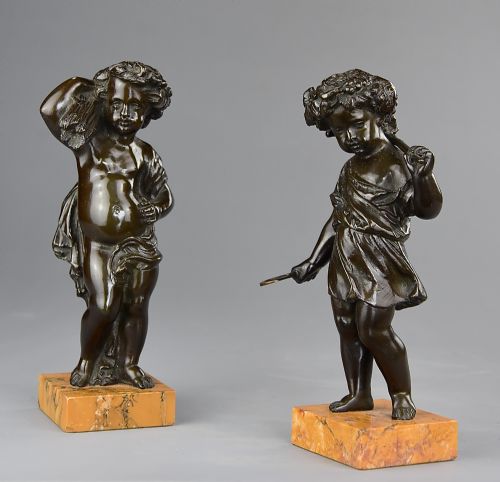
The objects take various physical forms across this selection, ranging from standalone cabinet figures and fountain mounts to decorative elements on mantel clocks and table lamps. Many pieces appear as paired groups depicting children gathering grapes, playing instruments or handling animals.
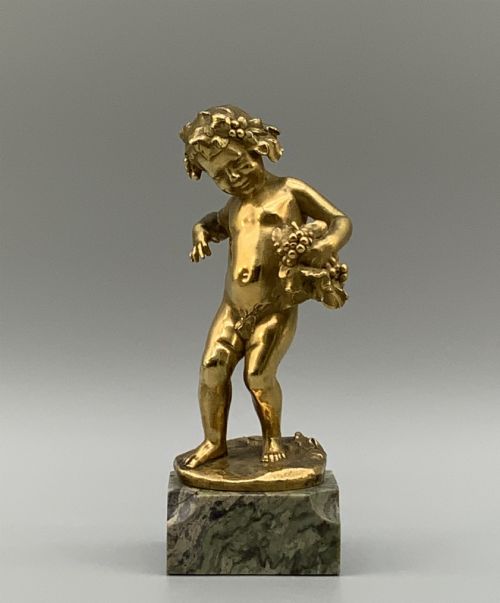
Makers and sculptors often adapted compositions after renowned artists like Clodion or Moreau, translating terracotta models into durable bronze casts. Collectors encounter both patinated dark bronze and gilt ormolu surfaces, frequently mounted upon heavy marble plinths.
Materials and casting methods
Foundries produced these sculptures primarily through traditional lost-wax or sand-casting techniques, capturing the soft contours of infant limbs and curling hair in molten bronze. Skilled artisans then refined the raw metal surfaces using chisels and files.
Workers applied patination chemicals to achieve deep brown or golden tones, or gilded the bronze with gold leaf to create bright ormolu finishes. Selected examples incorporate supplementary materials such as marble bases, wooden mounts, enamel dials and glass elements.
French Bronze Cherub Statue Retail Price Guide 2026
Typical asking prices for french bronze cherub statue among the pieces listed under this phrase on Sellingantiques today, from the lower quarter to the upper quarter. They describe what is for sale here now, not the wider market.
Listings feature works spanning the nineteenth century, incorporating Neoclassical and Rococo Revival styles in bronze, marble, and gilt ormolu.
Assessing quality in bronze sculpture
The sharpness of the cast distinguishes superior work, where fine details like feathers, musical strings and facial expressions remain crisp and well-defined without smoothing from over-cleaning. The quality of the hand-chasing after casting determines how lifelike the musculature and drapery appear.
Surface finish also dictates value, with deeply layered patinas or original mercury gilding showing richer tonal depth than later, flat chemical treatments. The presence of a clear foundry mark, signature of a known sculptor, or an integrated marble plinth elevates the piece significantly.
Charles Louis Malric·Susse Freres·Claude Michael Clodion·Louis Auguste Moreau·Charles Cumberworth·Bellenot Paris
The French Bronze Cherub Statue Glossary
- Putto
- A chubby, naked infant male figure, frequently winged, appearing in classical and neoclassical art. Plural putti.
- Ormolu
- Finely ground high-carat gold applied to a bronze base using a mercury amalgamation method, creating a bright golden surface.
- Patina
- The chemical coloration or surface sheen developed naturally over time or applied deliberately by artisans to bronze.
- Grand Tour
- A cultural journey of Europe undertaken by wealthy young men in the eighteenth and nineteenth centuries, bringing home small bronzes.
- Chasing
- The manual process of refining and detailing a raw metal cast using small steel punches and hammers.
French Bronze Cherub Statue: Frequently Asked Questions
What is a putto?
A putto is a representation of a small human infant, often winged, derived from classical mythology and art. In nineteenth-century bronzes, they embody themes of love, music and the harvest.
These figures appear frequently in pairs or groups, interacting with animals, grapes or musical instruments. They served both as decorative mantel ornaments and standalone table sculptures.
How do I care for bronze?
Bronze requires very little maintenance beyond occasional dusting with a soft, dry cloth. Avoid using commercial metal polishes, as abrasive pastes will strip the historic patina.
Keep the sculptures away from damp environments and direct heat sources to protect any underlying marble bases or applied surface finishes.
Are these pieces signed?
Many nineteenth-century bronzes bear the cast signature of the sculptor or foundry stamp near the base. Signatures after artists like Clodion indicate the design origin rather than a direct work by that master.
Foundry marks help identify the workshop and approximate period of production, adding historical context to the piece.
What does Grand Tour mean?
The Grand Tour refers to the traditional travels undertaken by nineteenth-century elites across European cultural centres. Travellers frequently collected small bronzes of classical subjects as souvenirs.
These items were designed to be portable yet durable, capturing the aesthetic of ancient ruins and sculptures.