

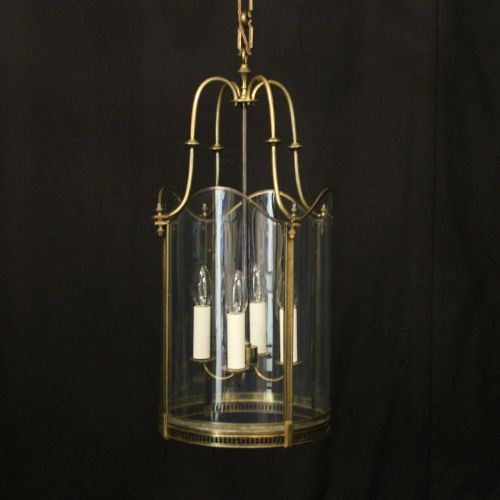
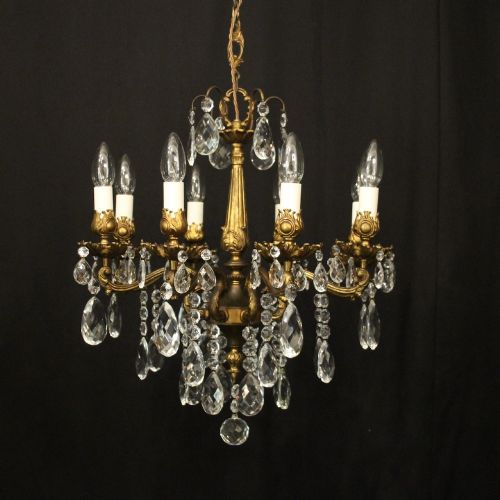
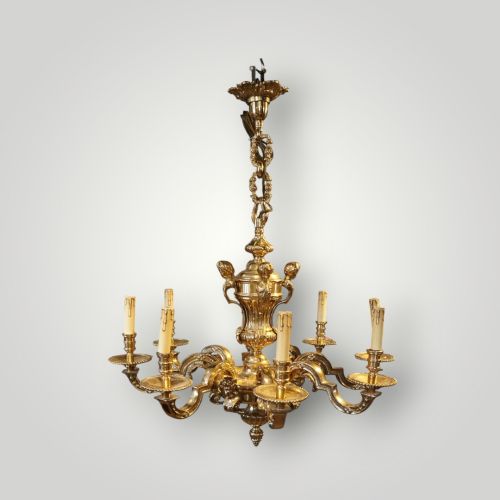
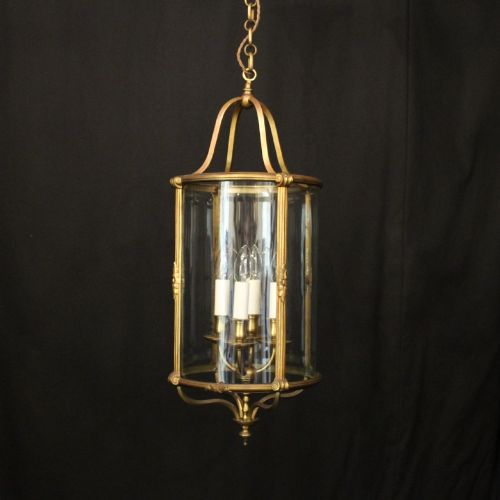
French Bronze Ceiling Fixture
A french bronze ceiling fixture brings dramatic illumination and historic craftsmanship to a room, offering enduring elegance through cast metal and glass.
French Bronze Ceiling Fixture
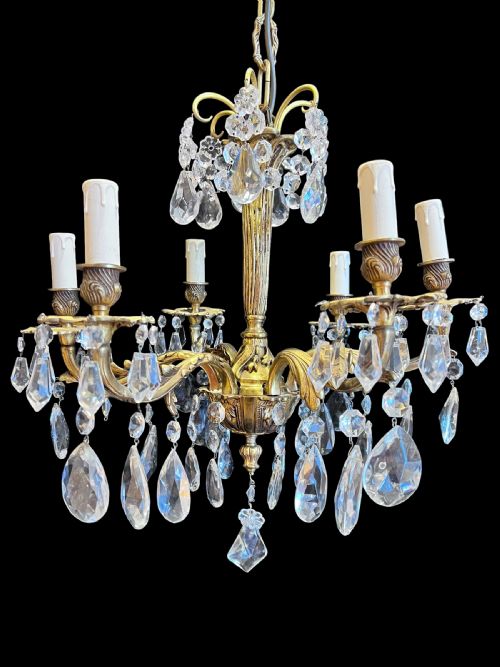
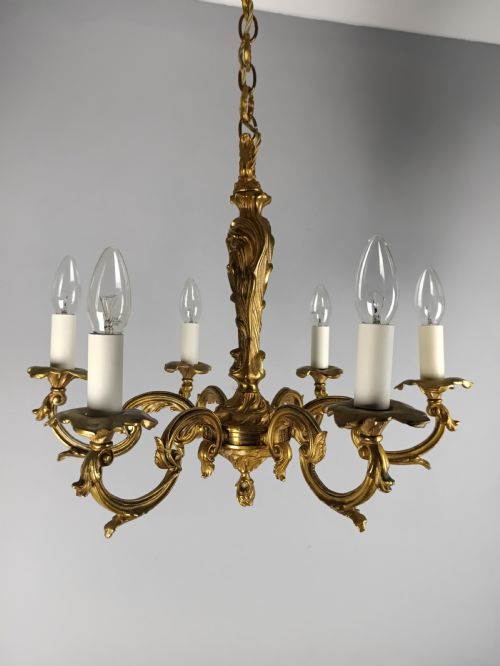
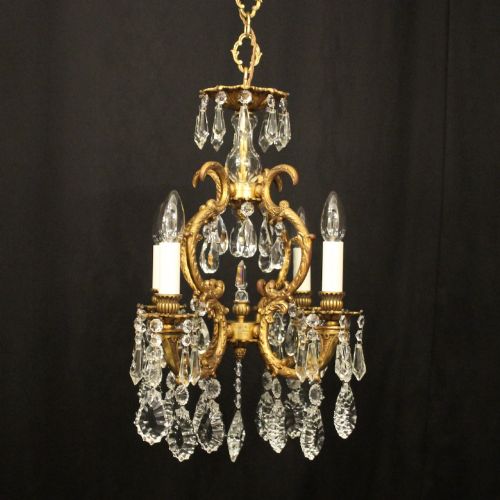
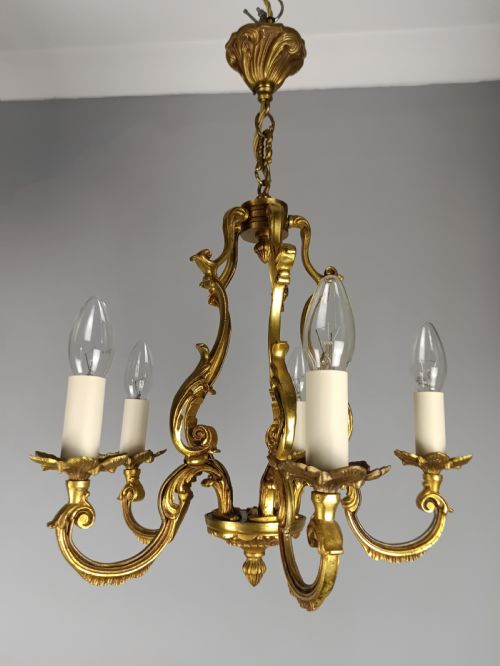
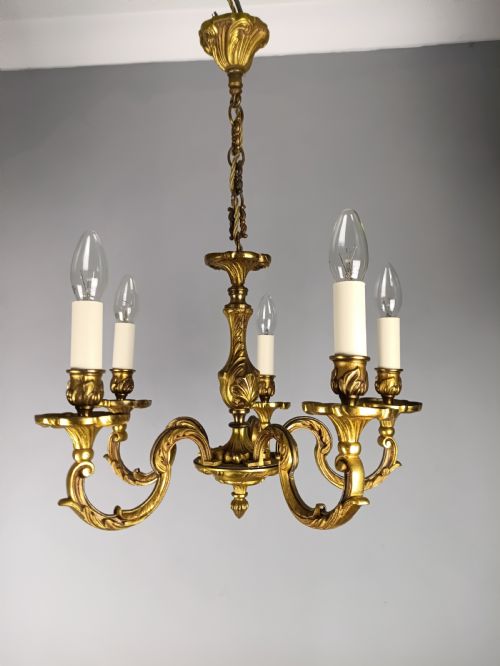
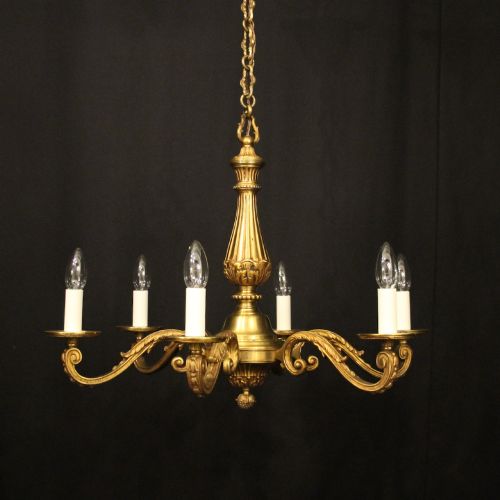
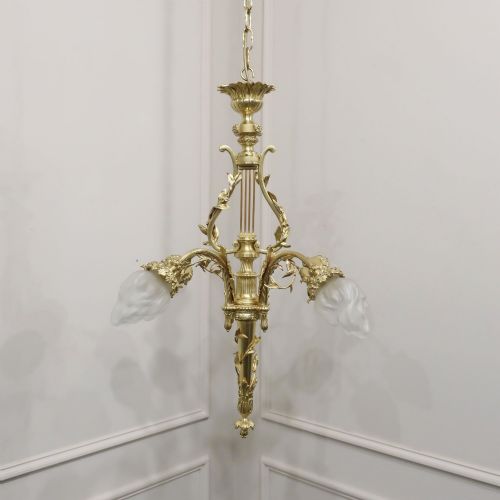
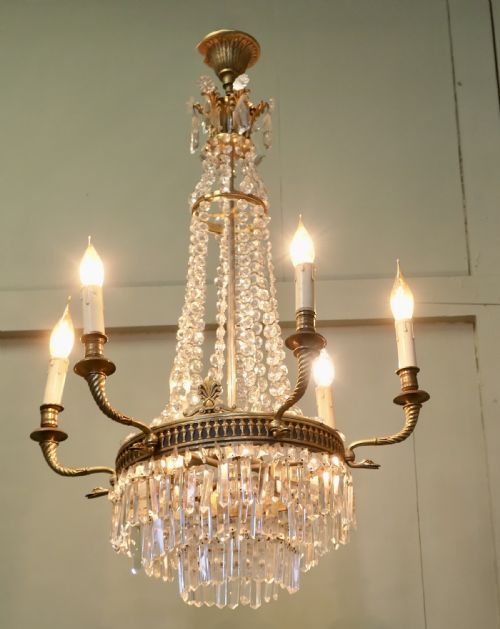
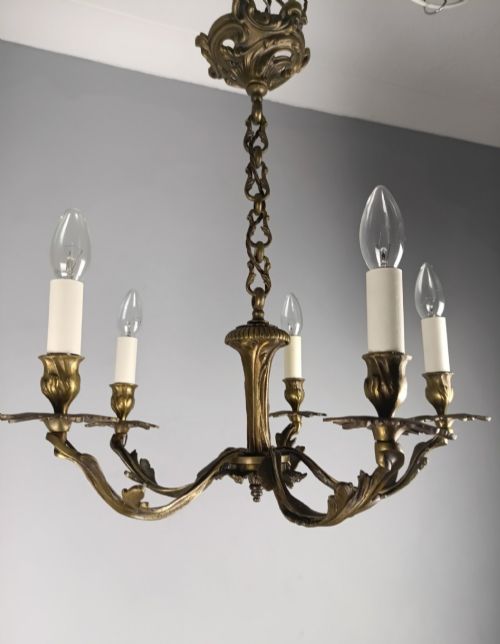
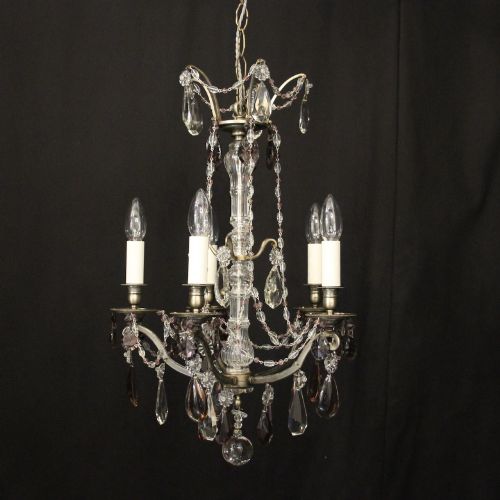
A french bronze ceiling fixture encompasses various lighting formats designed for overhead suspension, including multi-armed chandeliers, hall lanterns, and tent-and-waterfall configurations. These pieces date from the nineteenth century through the early decades of the twentieth century, reflecting classical revival styles such as Empire, Neoclassical, and Rococo.
Chandeliers dominate the selection, featuring light capacities ranging from four up to twenty-five lights arranged in single or multiple tiers. Hall lanterns provide a more enclosed vertical silhouette, frequently utilising convex glass panels mounted within gilded or dark metal frames.
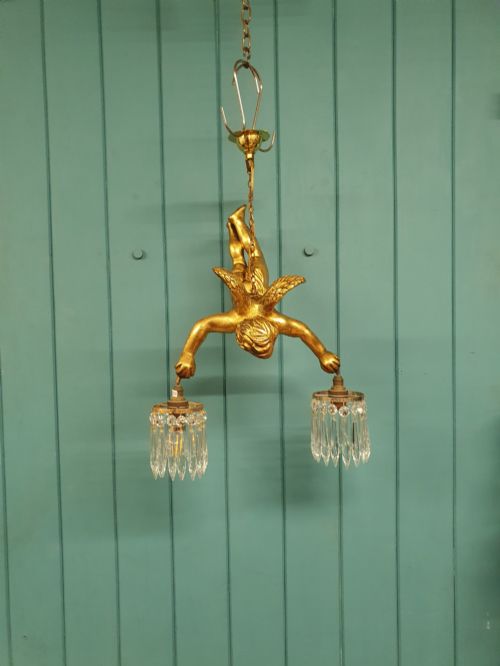
Design vocabulary draws heavily on continental aesthetics, incorporating motifs like lyres, flying cherubs, birdcages, and intricate leaf decorations. Dating spans the nineteenth century alongside later revivals from the 1890s, 1900s, 1920s, and 1930s.
Materials and Techniques
Construction relies upon cast bronze, brass, and spelter frames finished with gilding, silver gilding, or dark patination. Metal armature supports specialised components such as cut glass crystals, crystal spikes, and alabaster bowls.
Glass elements are integrated through drops, beaded strands, and blown or convex panes that refract the internal illumination. Assembly involves mechanical fixings and structural chains or rods to bear the considerable weight of the multi-light arrangements.
Keep an eye out for winged cherubs dangling amidst the crystal spikes, bravely hauling up the electrical load.
Craftsmanship and Scale
Quality rests upon the crispness of the metal casting and the depth of the surface finish, distinguishing finely chased gilt bronze from simpler cast brass or spelter alternatives. The complexity of the glass components, such as hand-cut crystal drops and polished prisms, further separates standard examples from works with elaborate tent and waterfall configurations.
Proportion and structural integrity define the architectural presence of the fixture, where balanced arm distribution and substantial branch counts demonstrate superior workshop output.
The French Bronze Ceiling Fixture Glossary
- Bronze
- A copper alloy utilised for casting durable, intricate structural frames and decorative mounts. It accepts patination and gilding readily.
- Gilt Bronze
- Metal coated with a thin layer of gold, often referred to as ormolu on high-status continental lighting. This finish provides a bright, reflective surface that resists tarnishing.
- Tent and Waterfall
- A chandelier arrangement where strings of crystals form an upper conical tent above a cascading flow of drops. This design maximises light refraction across the room.
- Hall Lantern
- An enclosed ceiling fixture suspended by a chain, designed primarily for entryways and corridors. Panels of glass protect the internal candle or bulb arrangement.
- Spelter
- A zinc-based alloy used as a cost-effective alternative to bronze in certain twentieth-century castings. It is frequently painted or gilded to imitate heavier metals.
French Bronze Ceiling Fixture: Frequently Asked Questions
How do I hang a heavy antique chandelier safely?
Suspension requires fixing directly into ceiling joists or utilising a heavy-duty ceiling anchor capable of supporting the combined weight of the metal frame and glass crystals. Professional electrical installation ensures the internal wiring meets modern safety standards while preserving the original structure.
Weight distribution depends upon the central rod and suspension chains, which must be inspected prior to mounting. Consulting an electrician experienced with historic lighting prevents structural damage to both the ceiling and the fixture.
What is the difference between an Empire and a Neoclassical fixture?
Empire lighting draws on Napoleonic motifs, favouring symmetrical tent configurations, heavy laurel wreaths, and martial symbols executed in dark or gilded bronze. These pieces project a formal, architectural weight.
Neoclassical designs lean towards lighter, archaeological motifs such as lyres, urns, and delicate floral garlands. They emphasise restraint and classical geometry rather than the heavier pomp of the Empire style.
How should I clean crystal drops on a chandelier?
Cleaning involves removing individual crystal elements where possible or wiping them in place with a mild solution of warm water and professional glass cleaner. A soft, lint-free cloth prevents scratching the polished surfaces.
Leaving the fixture suspended during cleaning requires care to avoid twisting the delicate arms or loosening the wire pins that secure the glass drops. Regular dusting prevents grime accumulation in the cut facets.
Can these fixtures be converted for modern electrical bulbs?
Most surviving examples have already been adapted from original candle power to electricity during past restorations. Rewiring allows the integration of low-heat LED candle bulbs that mimic the warmth of historic lighting.
Conversion work should preserve original lampholders and wiring paths wherever feasible to maintain the historic integrity of the piece. An expert restorer can conceal modern wiring within the existing bronze tubes and decorative channels.