

French Bronze Appliques
French bronze appliques bring period illumination and ornamental detail to walls through cast metal forms shaped in historical designs.

French Bronze Appliques
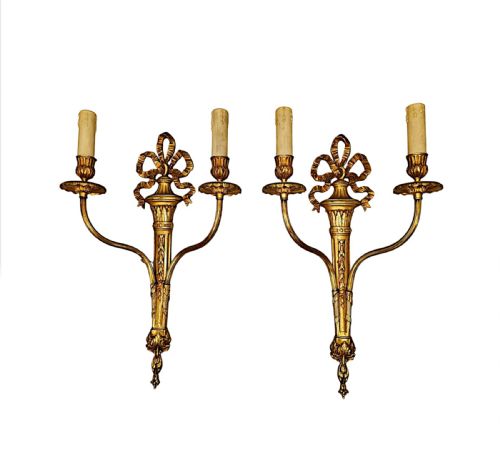
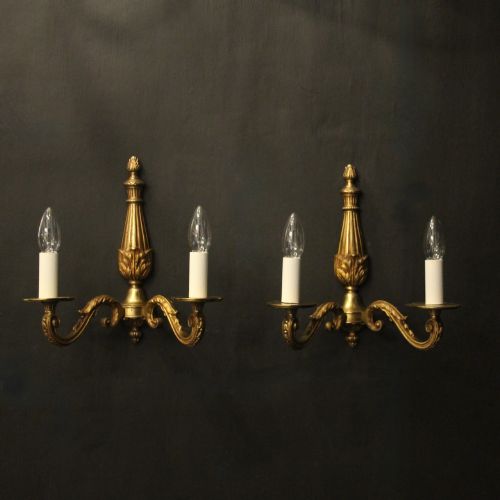
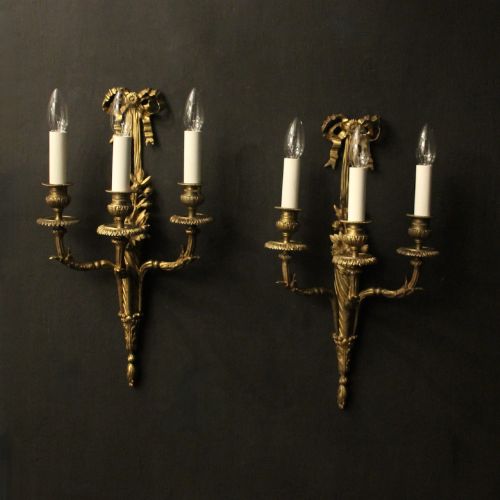
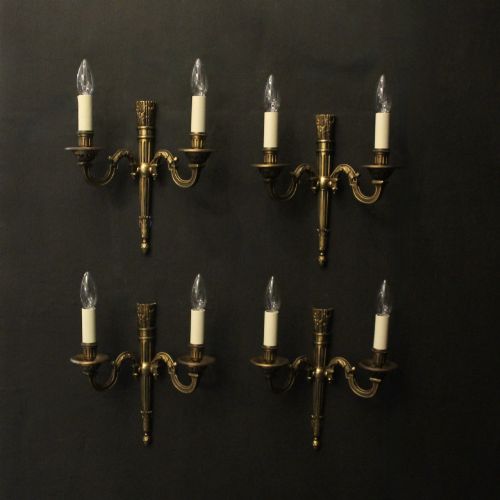
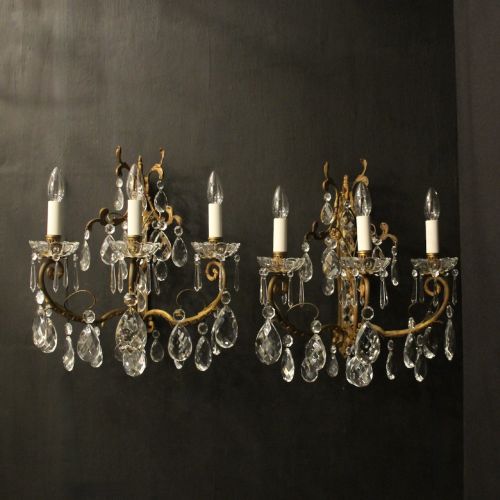
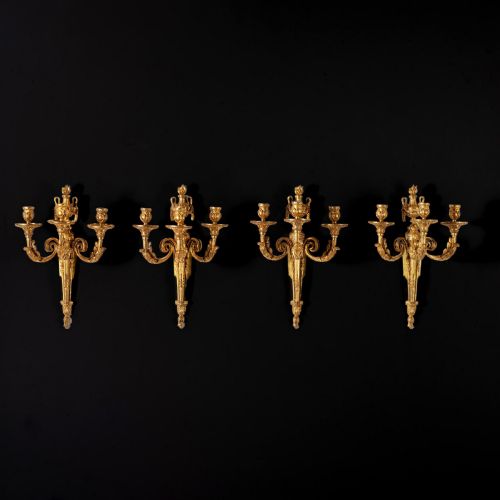
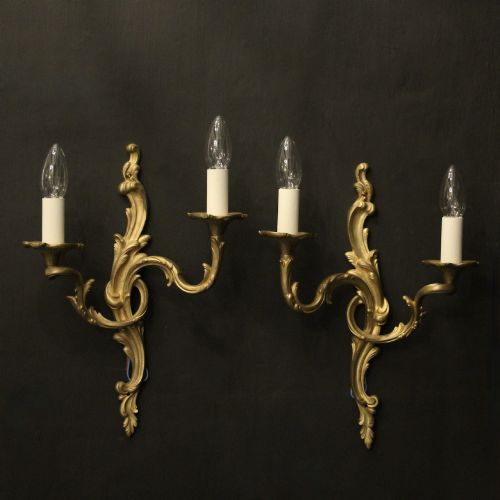
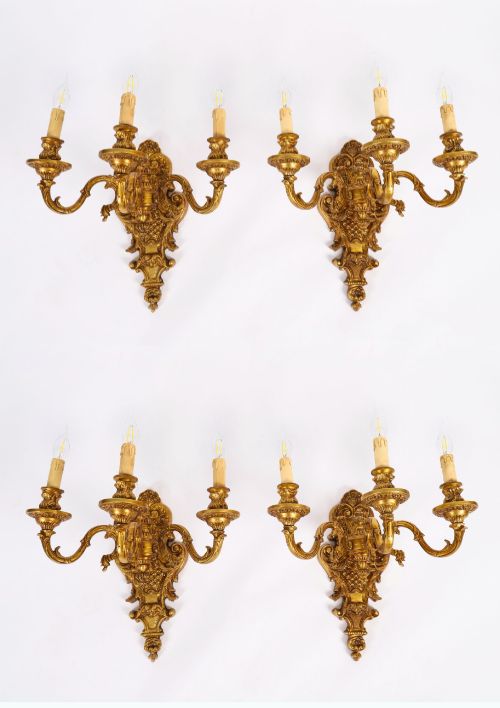
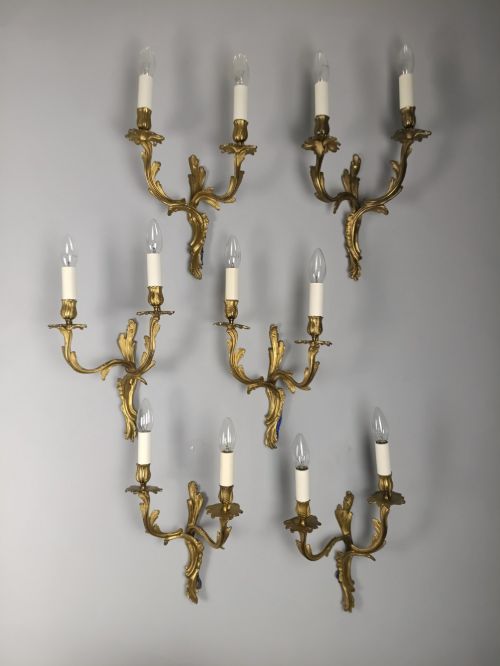
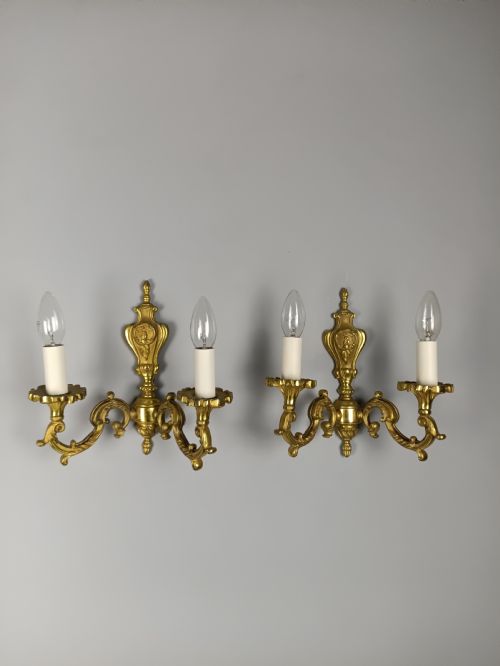
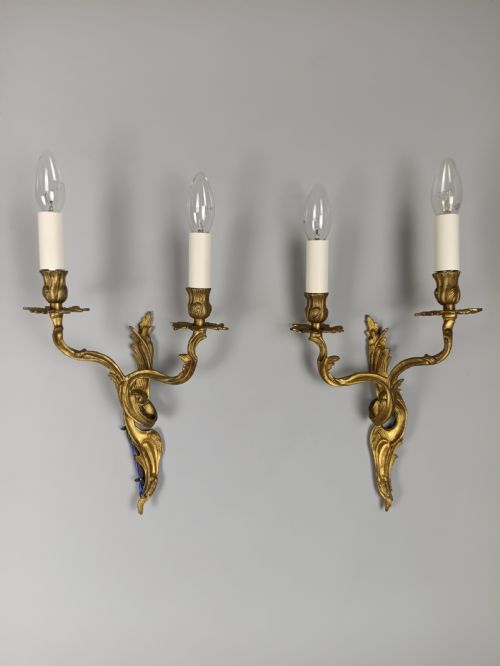
When buyers search for french bronze appliques, they encounter decorative wall lights, sconces, and furniture mounts spanning from the eighteenth century through to the 1930s. The selection on this page leans heavily toward twentieth-century interpretations, alongside nineteenth-century revivals and earlier eighteenth-century examples.
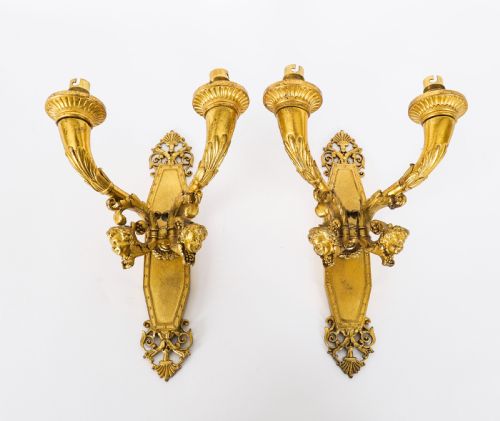
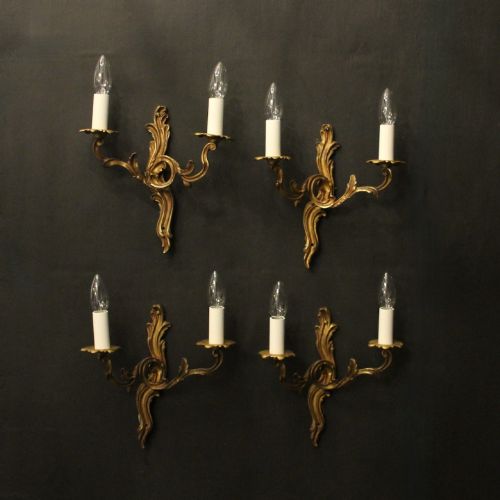
Forms range from single-arm sconces and half lanterns to multi-branch wall lights and intricate furniture mounts. Styles frequently channel French Rococo, Louis XVI, Empire, and chateau aesthetics, capturing historical ornamentation for domestic interiors.
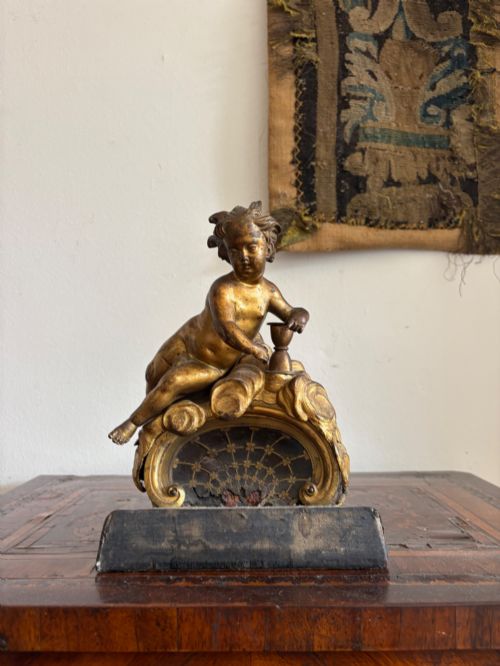
Most items discovered here function as lighting fixtures designed to mount directly onto walls. Alongside these, buyers find ornamental mounts and finials originally intended to adorn fine furniture or architectural woodwork.
What varies in quality
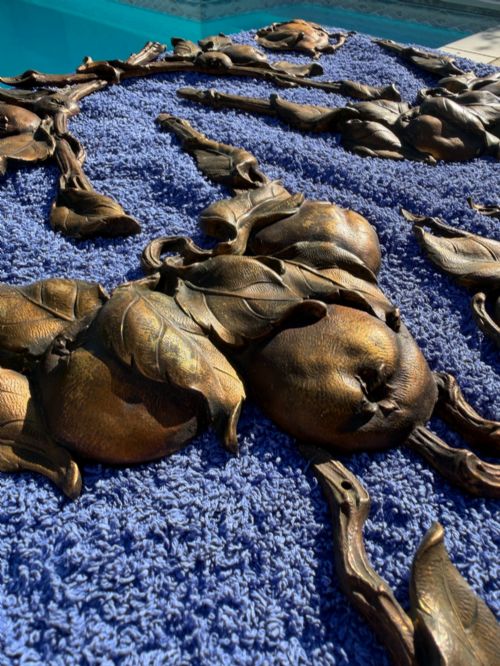
The nuance in quality hinges on the crispness of the cast ornamentation and the depth of the metalwork. Finer examples display sharp detailing in foliage, ribbons, and figural elements like putti or cherubs.
The preservation of the original surface finish, whether gilt bronze or ormolu, dictates much of the character. Superior pieces retain cohesive patination and precise hand-chasing executed after the casting process.
French Bronze Appliques Retail Price Guide 2026
Typical asking prices for french bronze appliques among the pieces listed under this phrase on Sellingantiques today, from the lower quarter to the upper quarter. They describe what is for sale here now, not the wider market.
Listings span periods from the 18th century through to 1930, capturing Rococo, Neoclassical, and Empire styles executed in gilt bronze, brass, and crystal.
Poix Blin
The French Bronze Appliques Glossary
- Ormolu
- Gilded bronze produced by applying a mercury-gold amalgam to a bronze base and heating it. This technique creates a durable, warm metallic golden lustre found on many period wall lights.
- Applique
- An ornamental bracket or wall light fixed to a vertical surface. In historical contexts, the term often describes decorative gilt bronze mounts for walls or furniture.
- Rococo
- An ornate artistic style characterised by asymmetrical scrolls, C-curves, and naturalistic plant motifs. This decorative vocabulary dominates many eighteenth-century and revival wall sconces.
- Finial
- A small decorative ornament terminating the top of a mount or lighting fixture. These elements provide a formal compositional endpoint to cast bronze hardware.
French Bronze Appliques: Frequently Asked Questions
How do I install french bronze appliques?
Wall lights typically require mounting directly to wall studs or secure anchors with appropriate wiring routed through the backplate. Professional installation ensures safe handling of heavier metal fixtures.
Many vintage and antique fixtures arrive rewired for modern electrical standards, though checking connections prior to mounting remains standard practice.
What is the difference between ormolu and gilded bronze?
Ormolu specifically describes objects gilded using a traditional mercury-gilding technique on a bronze substrate, yielding a distinct golden finish. Gilded bronze is a broader term encompassing various methods of applying gold leaf or gilt layers to cast bronze.
Both finishes provide a similar visual warmth, though mercury-gilded ormolu often displays superior durability and historical authenticity.
How do I clean antique bronze wall lights?
Dusting gently with a soft, dry cloth preserves the underlying metallic finish and accumulated patination. Avoid abrasive cleaners or chemical polishes that can strip delicate gilding.
For crystal components attached to the fixtures, a mild glass cleaner applied to a cloth helps maintain clarity without harming the metal mountings.
How do I identify a revival style piece?
Revival pieces emulate earlier artistic movements, such as Louis XIV, Louis XV, or Empire, while often employing manufacturing techniques characteristic of their actual period of creation like the nineteenth or twentieth century.
Examining the casting quality, fastening screws, and backplate construction helps differentiate nineteenth-century revival work from original eighteenth-century artefacts.