

French Brass Table Light
A french brass table light brings tactile weight and golden warmth to a room, drawing the eye with enduring craftsmanship.
French Brass Table Light
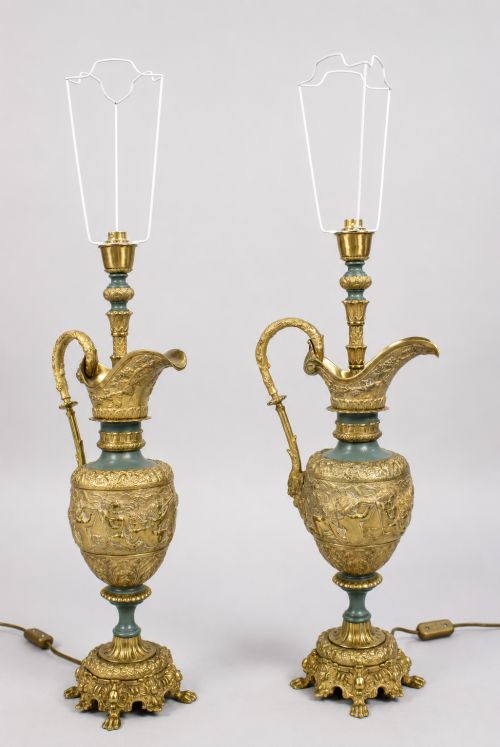
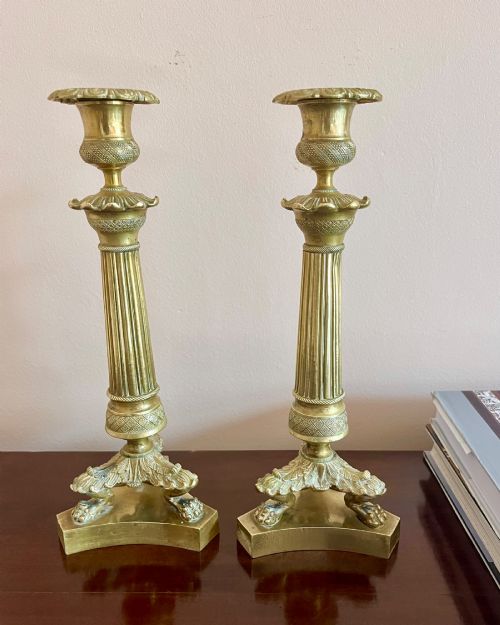
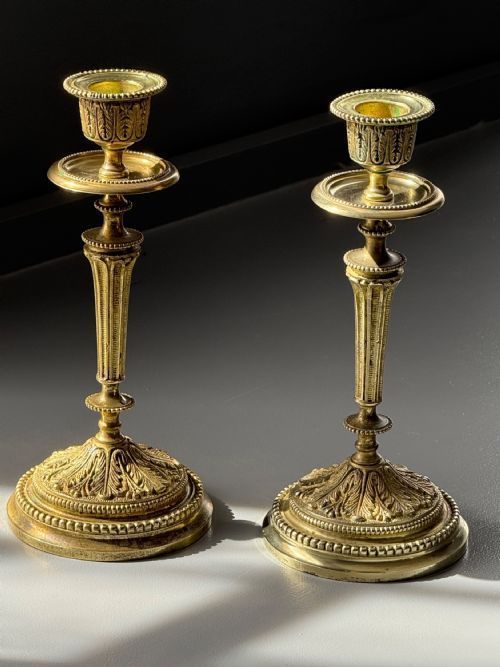
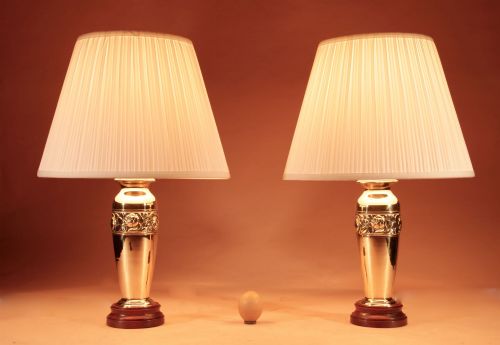
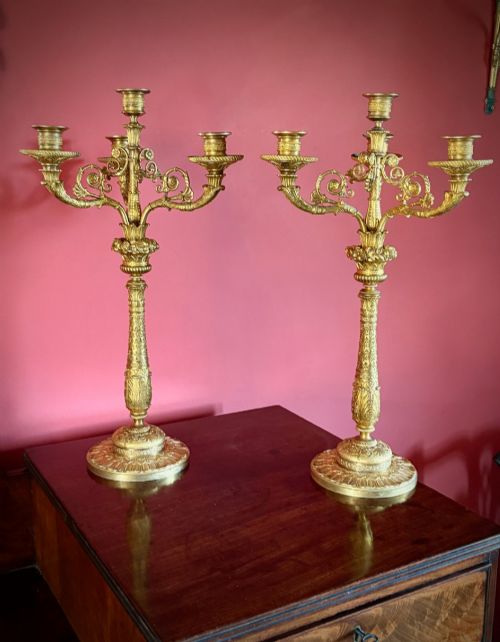
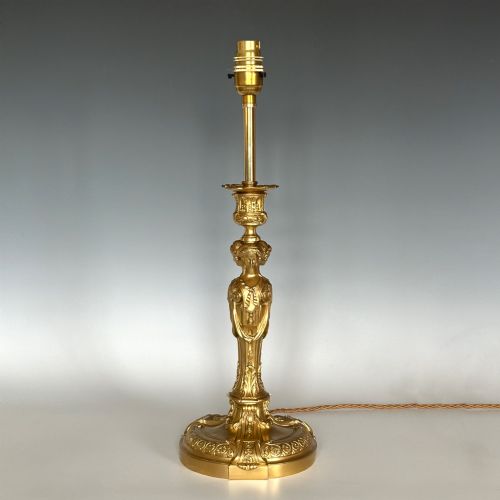
A french brass table light encompasses varied forms designed to illuminate interiors, appearing most frequently as converted candlesticks, candelabra, and dedicated electric table lamps. These pieces originate across the nineteenth and early twentieth centuries, spanning periods from the 1860s through the Art Deco era of the 1920s and 1930s.
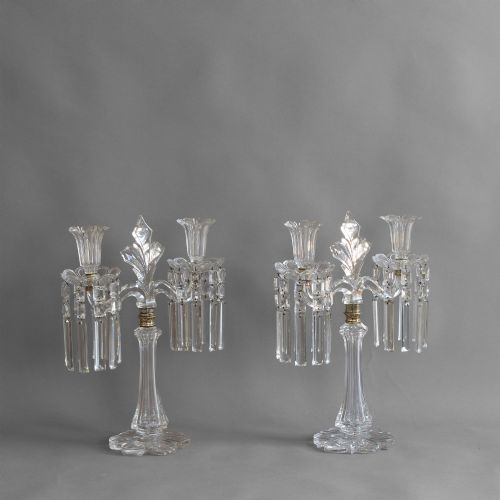
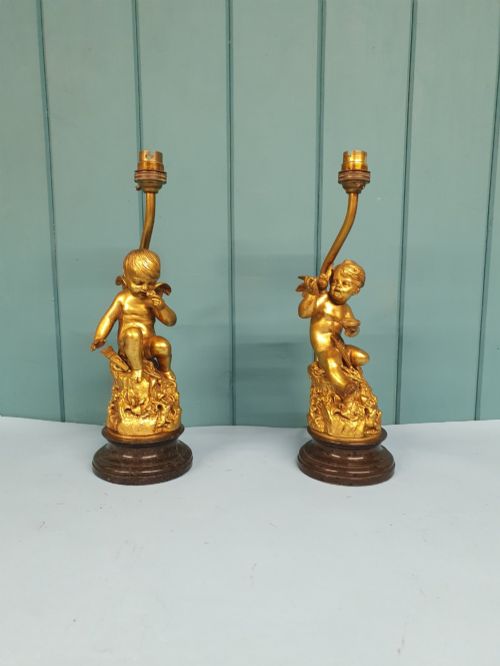
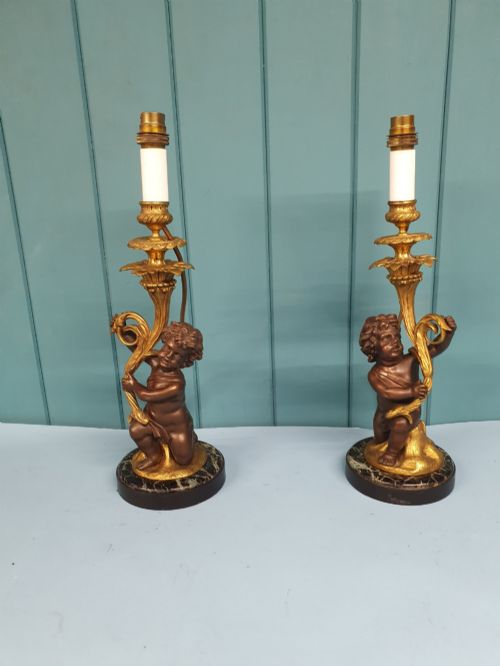
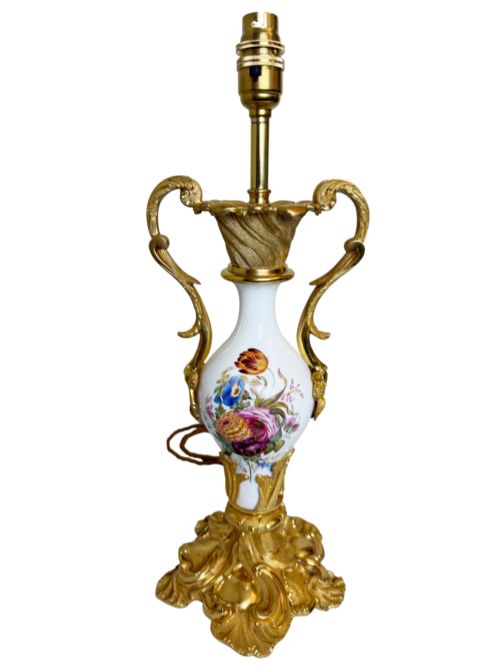
The selection ranges from simple desk lamps and bouillotte designs to elaborate pairs featuring figures, cherubs, or animals. Buyers encounter diverse stylistic influences, including Louis XVI, French Empire, Rococo Revival, and Neoclassical aesthetics.
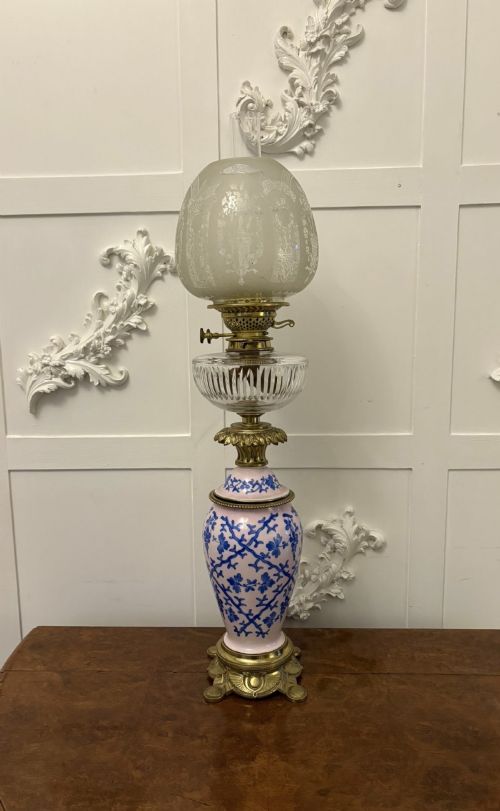
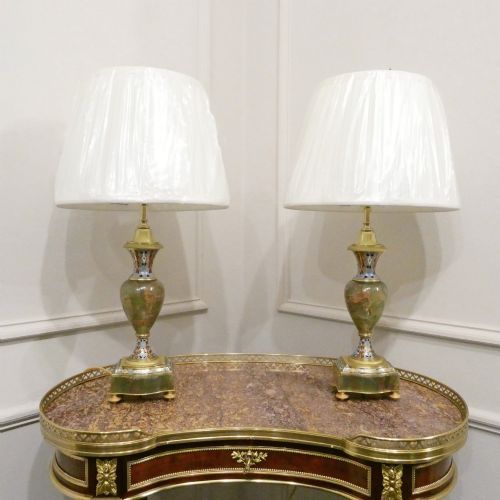
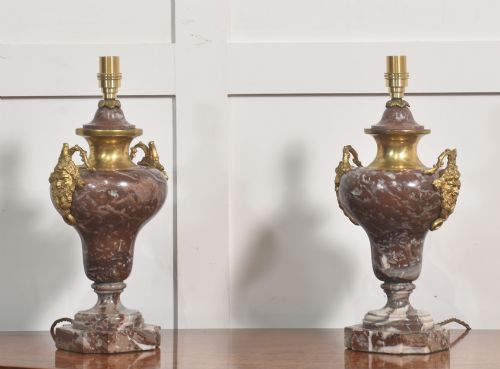
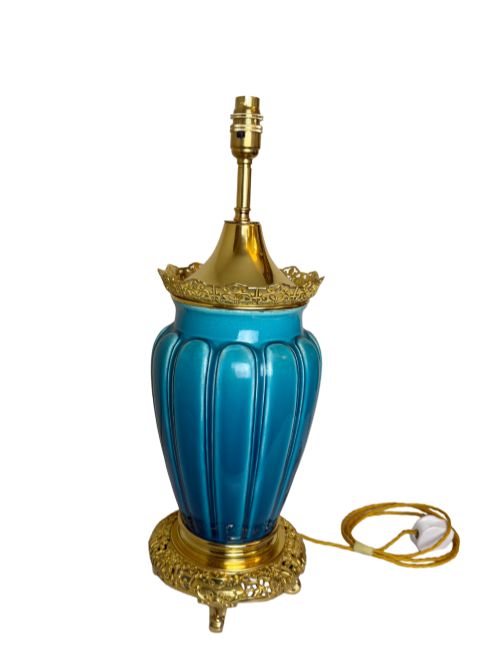
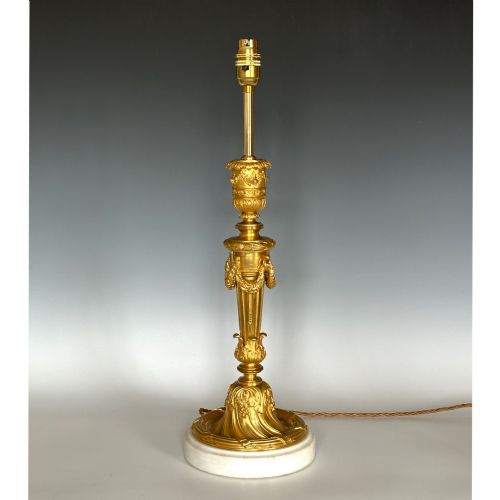
Many items combine brass or gilt bronze with contrasting elements such as marble, onyx, porcelain, or glass. These decorative objects bridge functional lighting and historic sculpture, suiting both traditional and eclectic interiors.
Materials and construction methods
Foundry techniques of the period utilised cast brass, ormolu, and gilt bronze, often complemented by hand-chased detailing to sharpen decorative motifs like acanthus leaves, rams' heads, and floral garlands. Metal components were frequently gilded or patinated to achieve a rich surface finish.
Many lighting pieces incorporate solid bases of rouge marble, onyx, or ceramic bodies made from porcelain and toleware. Glass elements, crystal drops, and fabric shades complete the construction of table lamps and candelabra.
The inventory records pieces dated from the 1860s through the 1930s, combining brass, gilt bronze, marble, and porcelain.
Assessing quality in antique lighting
The degree of hand-finishing in the metalwork dictates the refinement of a piece, with superior examples displaying crisp casting and meticulous chasing rather than soft edges. Heavier gauge brass, substantial bronze, and genuine ormolu indicate higher production standards.
The integration of secondary materials such as finely turned marble plinths, champleve enamel panels, or hand-cut crystal distinguishes exceptional items from standard commercial wares. Original matching pairs demonstrate greater integrity than assembled counterparts.
L & F Moreau·Polaire of Paris
The French Brass Table Light Glossary
- Ormolu
- Gilt bronze produced by applying a finely ground high-carat goldmercury amalgam to a bronze object. This historic technique creates a durable, warm golden finish.
- Bouillotte
- A type of adjustable desk lamp featuring a central column and a toleware shade. It originates from eighteenth-century card games played under subdued light.
- Champleve
- An enamelling technique where troughs or cells are carved into the metal surface and filled with vitreous enamel before firing. The resulting patterns complement the surrounding brass or bronze mountings.
- Candelabra
- A branched candlestick holding multiple lights. Many antique examples are later converted to electricity for modern domestic use.
French Brass Table Light: Frequently Asked Questions
How do I wire an antique lamp?
Rewiring typically requires passing modern flex through the central channel of the brass column to a certified lamp holder. Professional electricians ensure the historic metalwork is properly earthed and safe for domestic use.
Original switches are sometimes retained for appearance while internal wiring is updated to current safety standards. Careful assembly protects fragile marble or ceramic bases during the rewiring process.
Are these lamps converted candlesticks?
Many items began life as oil lamps, desk lights, or traditional candlesticks before being adapted for electricity. Conversions are standard practice for antique lighting, allowing historic objects to function in contemporary spaces.
Evidence shows that candelabra and candlesticks frequently transition into table lamps while retaining their original brass or bronze structures. Collectors value both period electric designs and thoughtful conversions.
What styles are most common?
Nineteenth-century pieces frequently draw on Louis XVI, French Empire, and Rococo Revival styles. These designs feature symmetrical mounts, classical motifs, and ornate cast ornamentation.
Later items from the 1920s and 1930s embrace Art Deco geometric lines or novelty figures of dogs and parrots. The variety reflects changing interior fashions across successive decades.
How should I clean antique brass?
Gentle dusting with a soft, dry cloth preserves the historic patina of brass and gilt bronze. Abrasive polishes should be avoided because they strip away original gilding and surface age.
Marble and onyx bases respond well to wiping with a damp cloth followed by immediate drying. Maintaining the natural finish preserves the character of the piece.