



Antique Stone Lighting
Antique stone lighting brings together carved marble, alabaster and onyx to cast a warm, heavy glow across a room.
Antique Stone Lighting
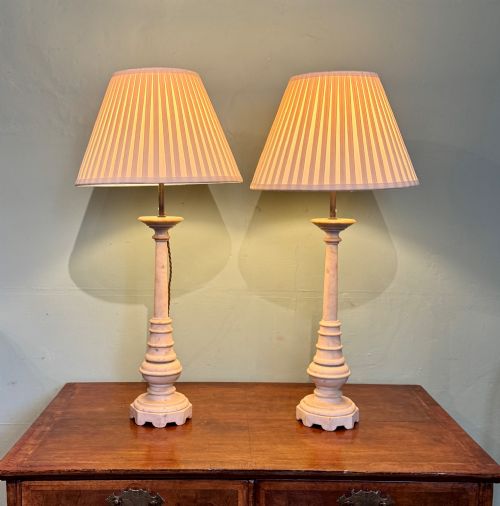
When you search for antique stone lighting, you encounter carved mineral forms designed to illuminate interiors through hanging lights, floor lamps and table lamps. These pieces originate primarily from the nineteenth century through the early decades of the twentieth century, with strong representation from the Edwardian and Art Deco periods.
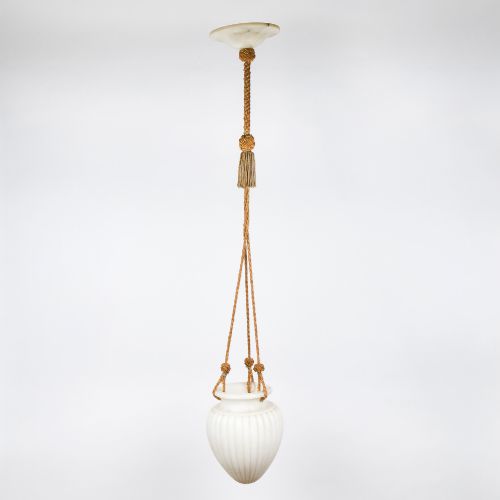
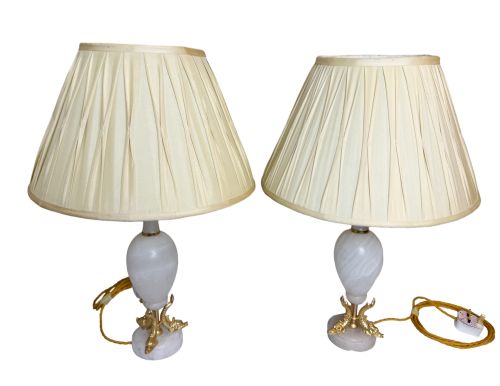
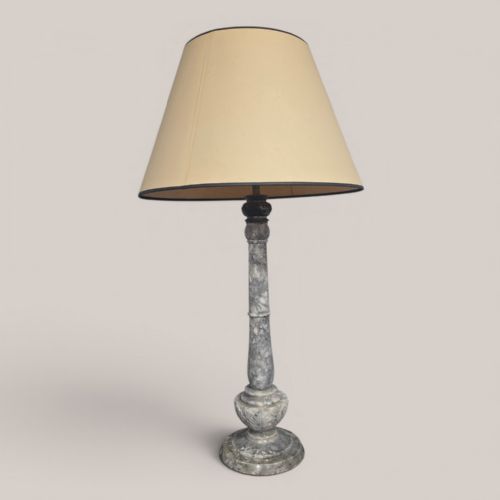
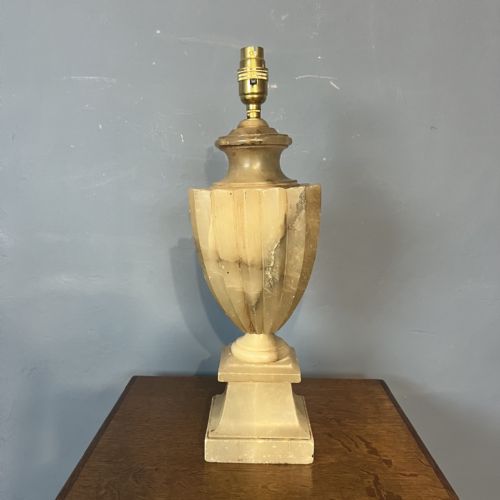
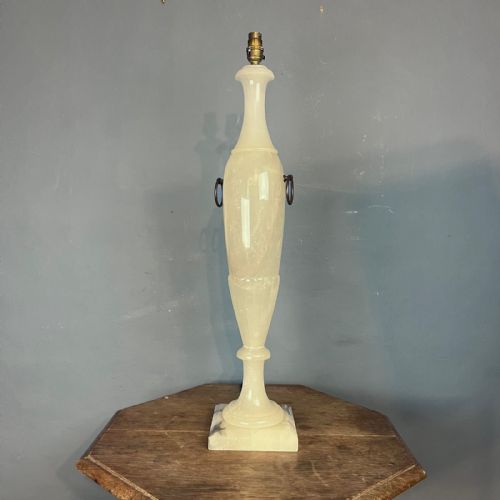
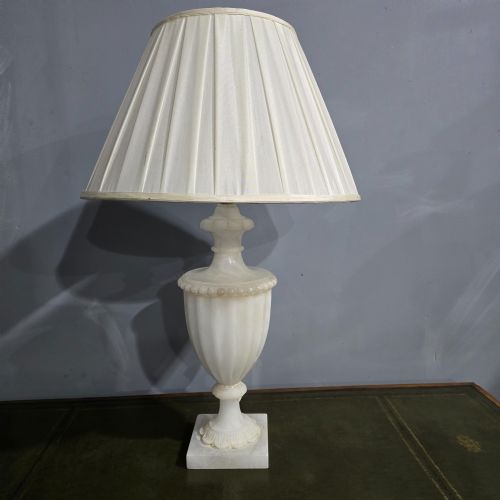
The most common formats on this page are table lamps and hanging ceiling lights shaped from white alabaster or variegated onyx. Many incorporate classical motifs or French stylistic influences, often paired with metal mounts and bases.
Materials and construction
Craftsmen shaped these luminaires from natural stone blocks, turning alabaster, marble and onyx on lathes or carving them by hand into bowls, columns and figurative sculptures. The translucent quality of alabaster allowed light to diffuse softly through the carved stone body.
Makers integrated brass, gilt bronze, or metal mounts to secure the heavy stone sections together. Fabric elements and hanging chains completed the electrical or candle-burning apparatus.
Listings feature items from the 1880s through the 1930s, constructed from alabaster, marble, onyx, brass and gilt bronze.
Assessing quality in stone fixtures
Quality rests upon the purity and depth of the mineral block, alongside the crispness of the hand-carved detailing. Superior pieces display harmonious natural veining without distracting flaws, paired with finely chased metal mounts.
The weight and stability of the turned stone, together with the proportion of the classical revival or Art Deco silhouette, separate standard production items from exceptional works.
Robert Edgar Stone
The Antique Stone Lighting Glossary
- Alabaster
- A fine-grained, translucent stone frequently carved into bowls for hanging ceiling lights and bodies for table lamps. It permits light to pass softly through its surface.
- Onyx
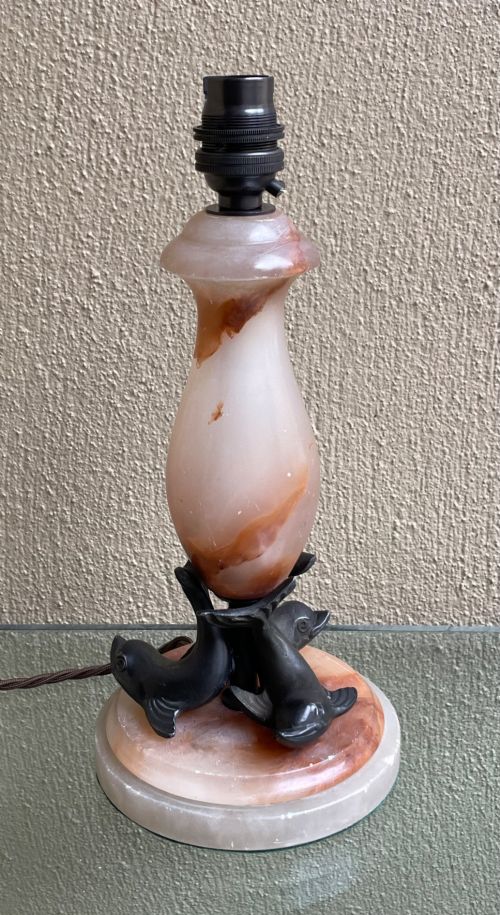
- A banded variety of chalcedony utilised for decorative table lamp bases, often featuring rich natural colour variations.
- Cassolette
- A decorative vessel, sometimes adapted as a lamp, featuring a removable lid or insert.
- Chamberstick
- A low portable candlestick fitted with a handle and a shallow pan to catch melting wax.
- Ormolu
- Gilt bronze mounts applied to stone lamp bases to provide decorative trim and structural support.
Antique Stone Lighting: Frequently Asked Questions
What periods do these stone lights come from?
The pieces span from the nineteenth century through the 1930s. Victorian, Edwardian and Art Deco examples dominate the selection.
Design traits shift from heavy neoclassical columns towards streamlined geometric pendant lights and carved animal or figural motifs.
How do alabaster and onyx differ?
Alabaster is softer and highly translucent, making it well-suited for hanging bowls and lamp bodies that diffuse light evenly.
Onyx presents denser banded patterns with polished colour variations, frequently mounted with brass or gilt bronze trim.
Are these lamps wired for modern use?
Many table lamps and pendant fixtures arrive adapted with electrical cords and lamp holders. Wiring standards vary due to the age of the pieces.
Buyers often consult a qualified electrician to inspect or update internal wiring before installation.
How heavy are stone table lamps?
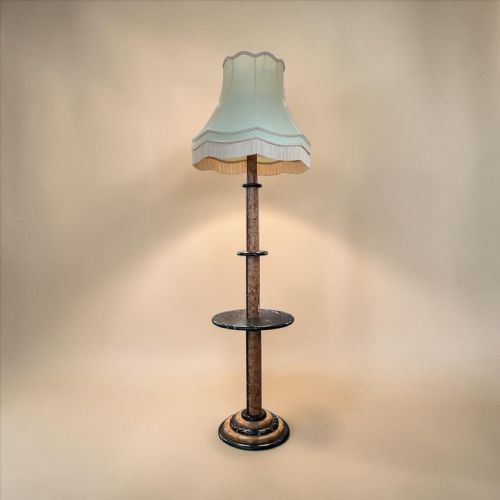
Solid marble, alabaster and onyx create substantial weight. Standard lamps and large table bases require sturdy furniture support.
Their mass ensures stability despite the weight of matching fabric shades or metal mounting components.