



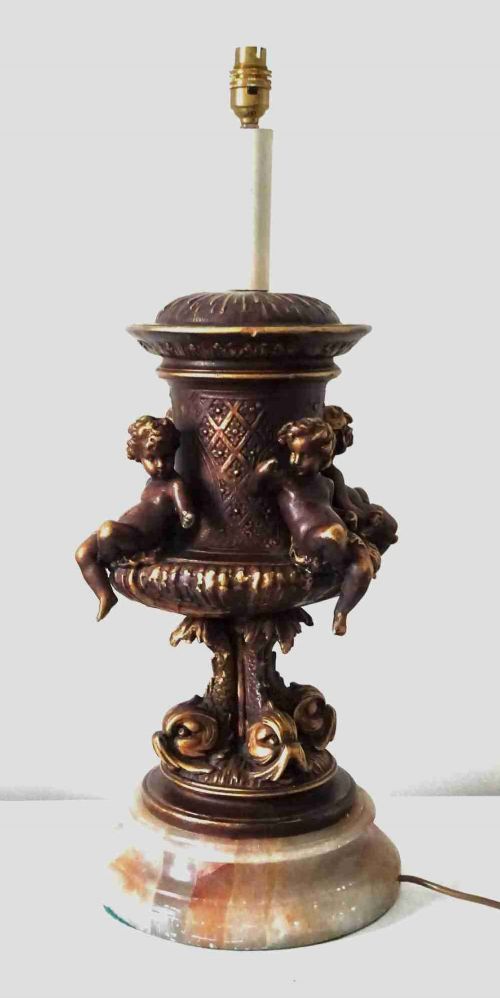


Neoclassical Urn Lamp Base
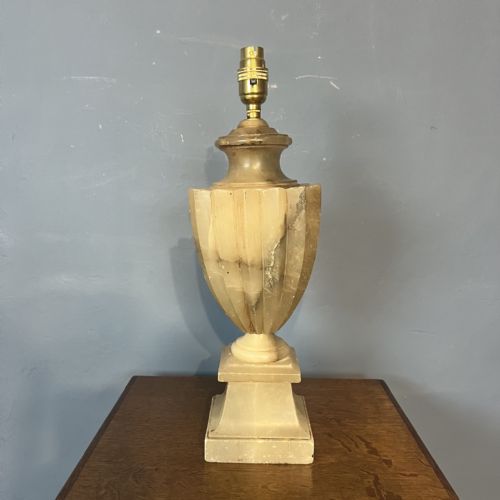
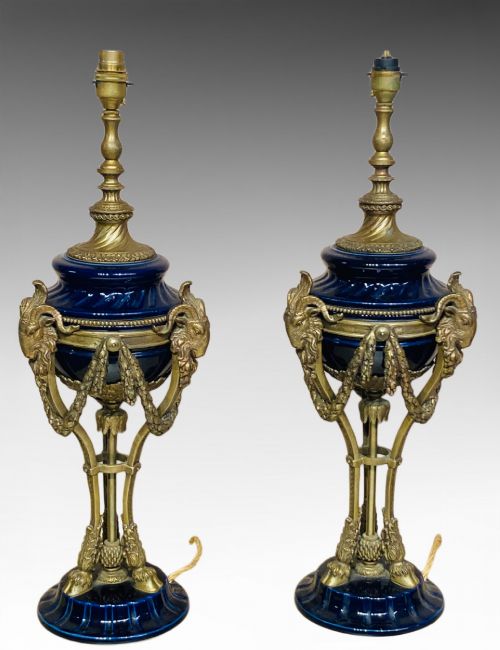
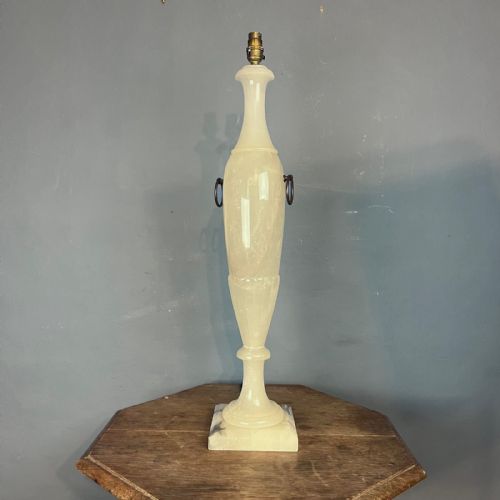
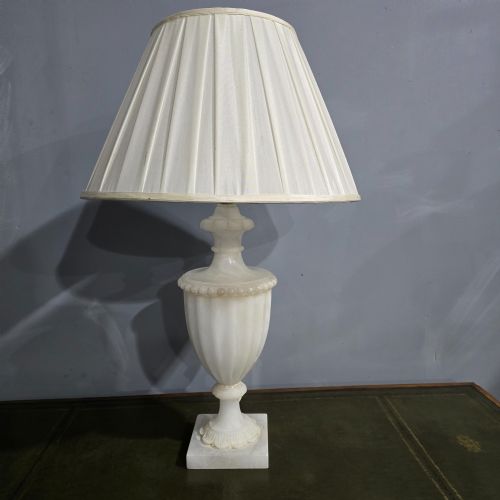
These neoclassical urn lamp bases bring classical proportion and warm illumination to an interior, shaped from alabaster, brass, and gilt bronze.
Neoclassical Urn Lamp Base
A neoclassical urn lamp base takes the classical form of the ancient vessel and adapts it for modern lighting. These pieces take the shape of table lamps, drawing on visual traditions from antique urns.
The versions most commonly met on this page date from the Victorian period through to the 1940s, encompassing Edwardian examples and 1920s creations. They appear in styles including Neoclassical Revival, Louis XVI Neoclassical, and French Louis XVI.
Makers utilised forms influenced by classical antiquity, incorporating decorative motifs such as dolphins, cherubs, and classical masks. They function primarily as table lamps while retaining the monumental presence of architectural urns.
How they were made
These lamp bases rely on substantive materials like alabaster, bronze, gilt metal, and brass, often paired with marble effects or glazed ceramic. Artisans shaped these materials to emulate ancient stonework and metal casting techniques.
Ornaments such as ormolu mounts, silver plating, and gilded metal details were applied to enhance the classical aesthetic. Fabric elements often complete the construction when paired with a shade.
Neoclassical Urn Lamp Base Retail Price Guide 2026
Typical asking prices for neoclassical urn lamp base among the pieces listed under this phrase on Sellingantiques today, from the lower quarter to the upper quarter. They describe what is for sale here now, not the wider market.
Some nineteenth-century brass lamps cleverly conceal their electrical transformations beneath Italian classical masks and intricate mounts.
What varies in quality
The refinement of the casting and carving separates standard examples from superior work, particularly in the crispness of mounts and masks. Heavier materials like solid alabaster or substantial bronze demonstrate greater ambition in manufacture than lighter metal versions.
Integration of decorative hardware, such as ormolu mounts and detailed brass bases, dictates the visual success of the piece. The handling of surface finishes, from silver plating to gilding, marks the distinction between ordinary production and finer craftsmanship.
Harrison Brothers And Howson
The Neoclassical Urn Lamp Base Glossary
- Alabaster
- A fine-grained, translucent stone often used for carving classical vessels and lamp bodies. It allows light to diffuse softly across the surface.
- Ormolu
- Gilt bronze ornamentation applied to furniture and decorative objects. It provides a bright golden contrast against darker materials and ceramics.
- Neoclassical
- A style reviving the forms and motifs of ancient Greece and Rome. It prioritises symmetry, restraint, and classical architectural elements.
- Louis XVI
- A French design style characterised by straight lines, classical symmetry, and restrained ornamentation. It forms the basis for many revivalist lamp designs.
Neoclassical Urn Lamp Base: Frequently Asked Questions
What periods do these lamp bases date from?
The pieces span from the Victorian era, through Edwardian times, into the 1920s and 1940s. Revival styles frequently draw on earlier French aesthetics.
Dates are determined by the materials, construction methods, and stylistic markers recorded in each individual listing.
How should I style a neoclassical urn lamp base?
These lamps suit traditional rooms, studies, or side tables where classical proportions anchor the scheme. Their sculptural presence allows them to act as focal points.
Pair them with neutral or classic fabric shades to complement the brass, alabaster, or bronze body without competing for attention.
What materials are commonly used?
Construction materials include alabaster, brass, gilt bronze, glazed ceramic, and silver-plated metal. Some pieces feature faux marble effects.
These heavier materials provide the structural stability required for a table lamp while maintaining an authentic antique appearance.
How do I identify a revival style?
Revival pieces incorporate classical motifs such as urn shapes, cherubs, dolphins, and classical masks onto lamp bodies. They interpret older design vocabularies for twentieth-century interiors.
Look at the mounting techniques and metal finishes to distinguish between nineteenth-century originals and later revival pieces.