
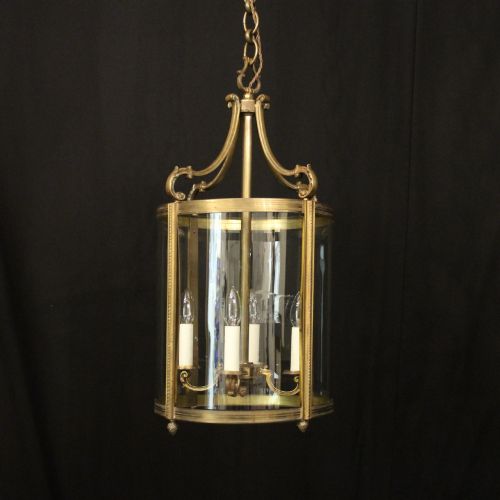
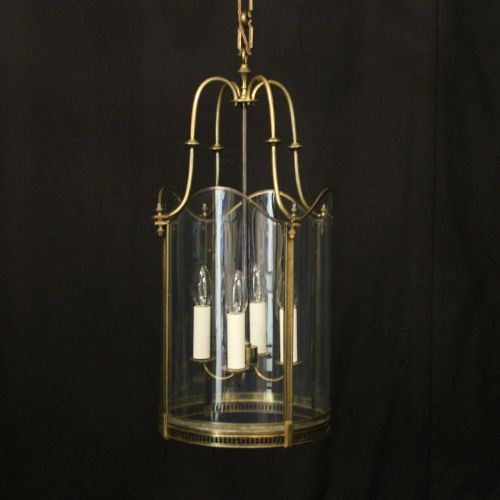
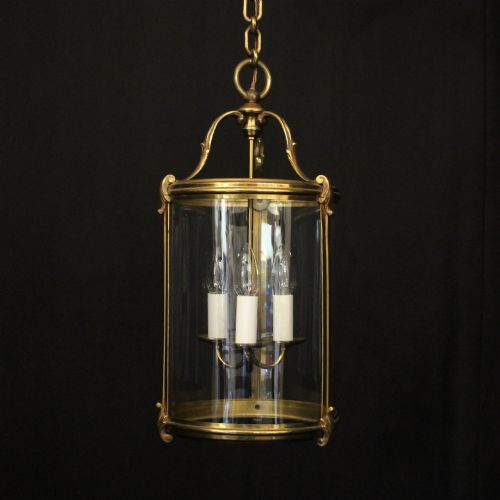
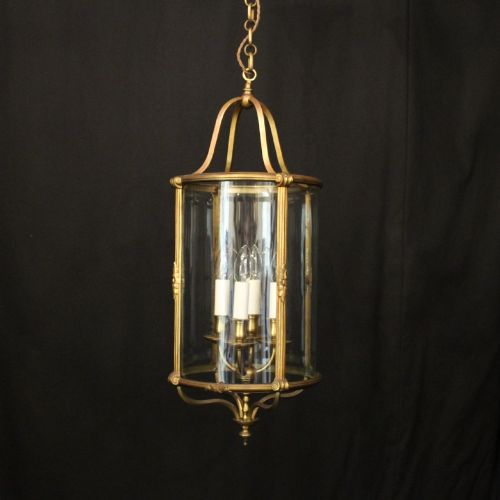
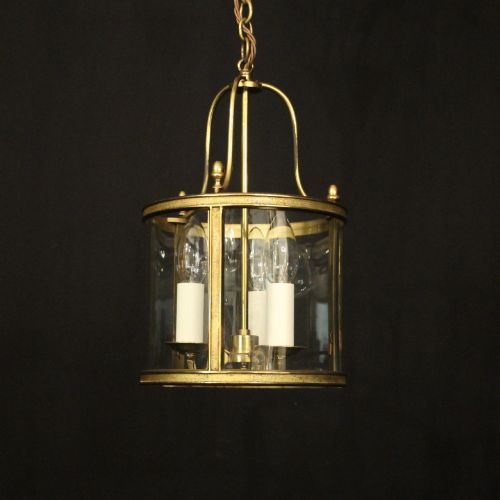
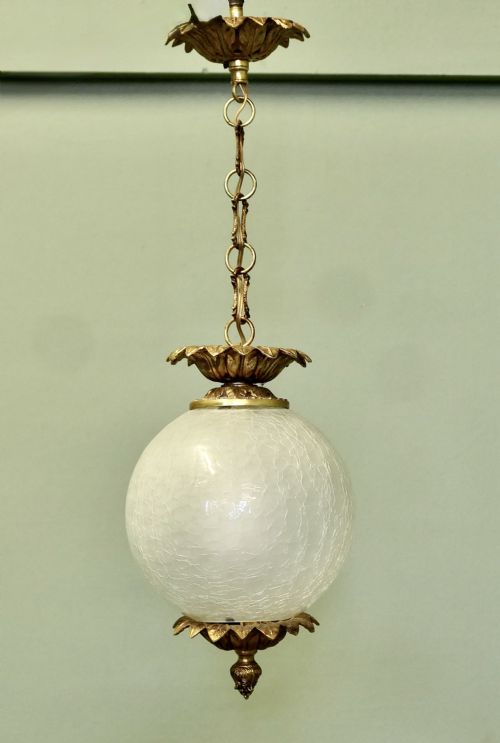
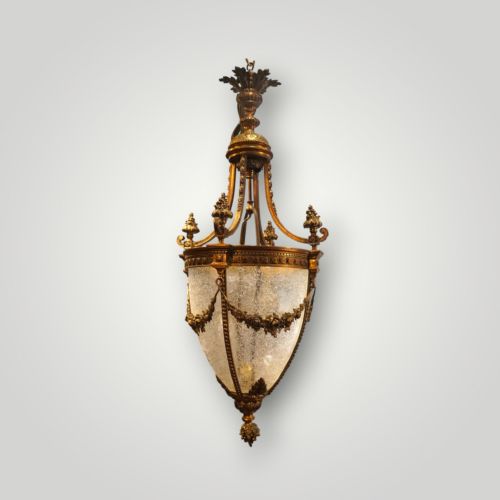
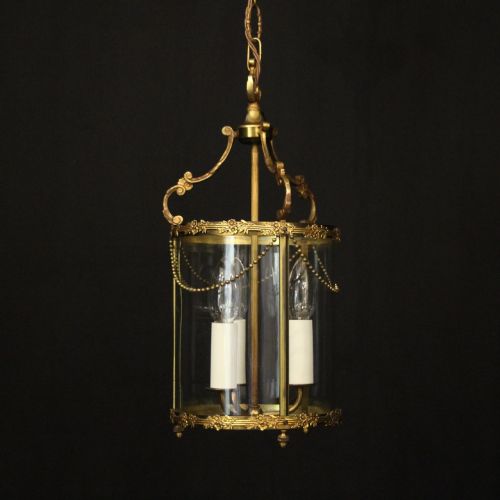
French Brass Pendant Lantern
These french brass pendant lantern pieces bring architectural presence and bright illumination to hallways and entries.
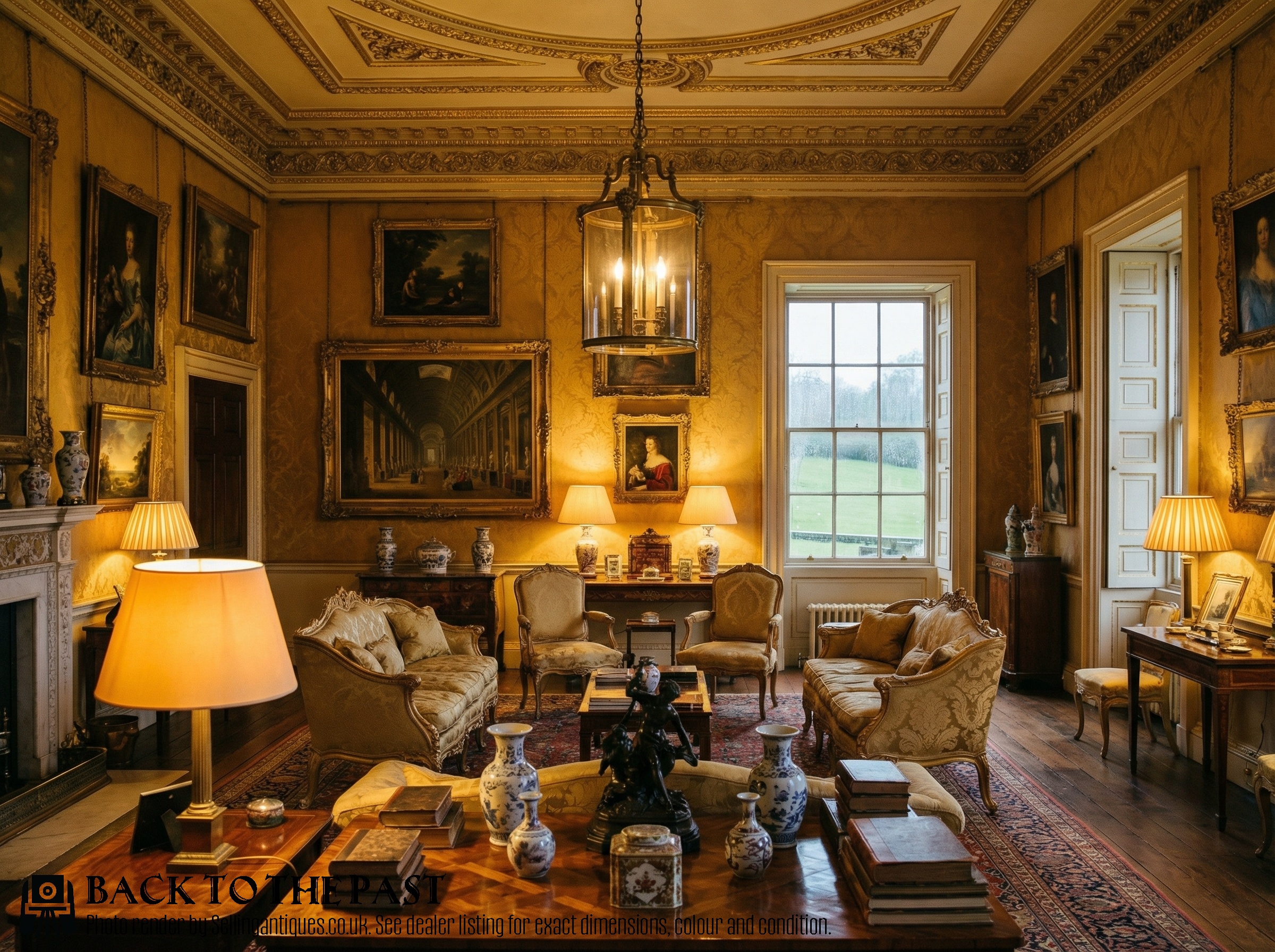
French Brass Pendant Lantern
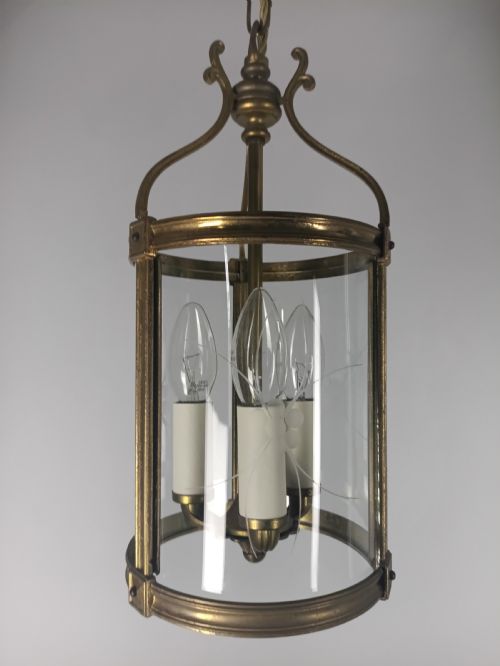
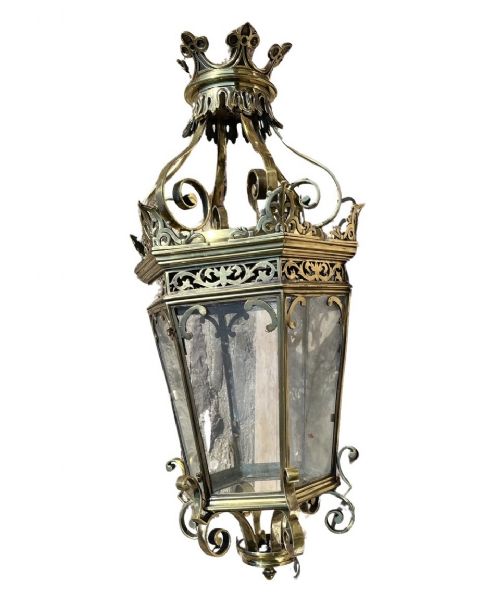
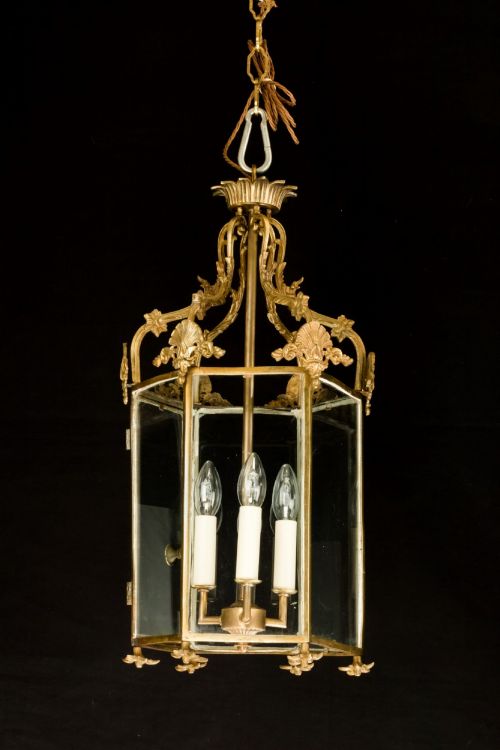
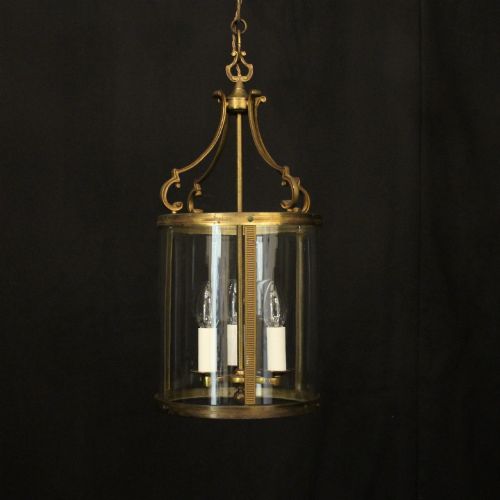
A french brass pendant lantern is a hanging ceiling fixture designed primarily for halls, vestibules, and entranceways, drawing on traditional European domestic architecture. These pieces typically suspend from chains or rods, casting warm light downward through glass panels held within metal frames.
Buyers encountering this selection will frequently find early twentieth-century examples, particularly from the nineteen-twenties and nineteen-thirties, alongside nineteenth-century iterations. Forms range from simple single-light glass globes to elaborate multi-light fixtures framed in gilded bronze or brass.
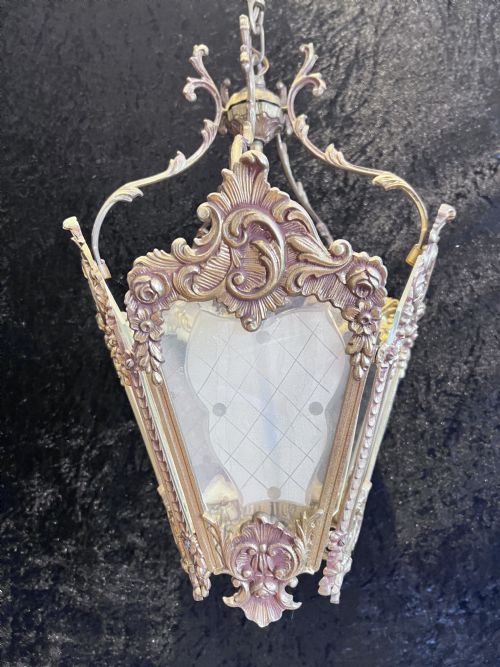
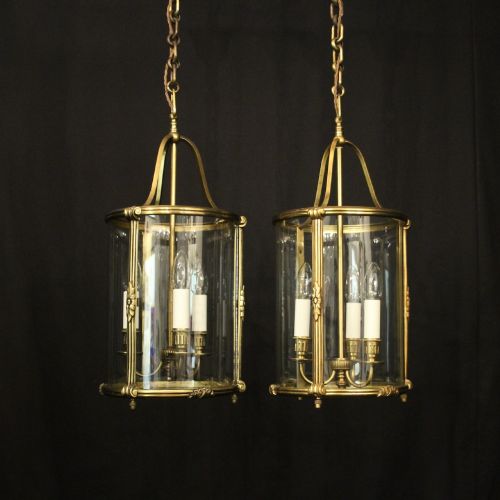
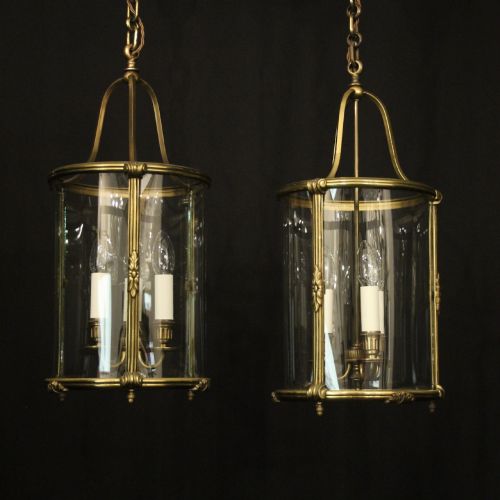
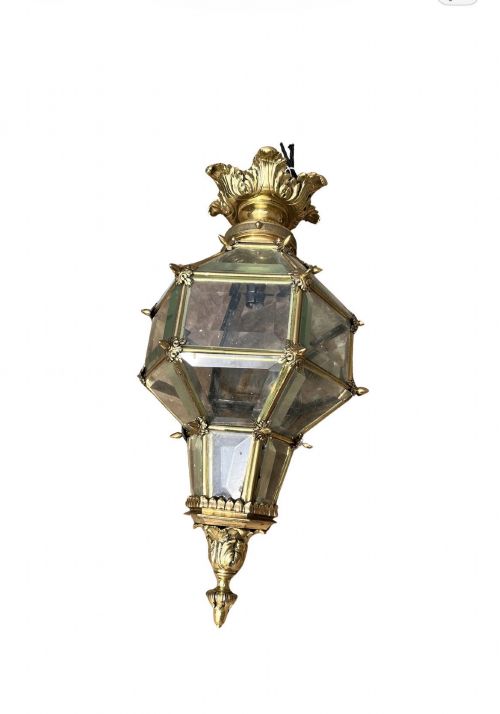
Stylistic influences across the inventory include French Rococo, Neo-Classical, and Art Deco designs, reflecting the aesthetic preferences of French chateau interiors. Hall lanterns and pendant lights dominate the available selection, often incorporating convex or bevelled glass panes.
Materials and construction methods
Makers constructed these fixtures using brass, bronze, and gilt bronze, often applying a layer of gilding over the base metal to enhance the reflective quality under candlelight or electric bulbs. The metal frameworks are cast or fabricated with detailed ornamentation, incorporating styles such as Louis XVI or Rococo scrolls and acanthus leaves.
Glass components are integral to the design, utilising clear, etched, bevelled, or moulded panels fitted securely into the metal frames. Many examples incorporate convex glass panes that refract light outward, while others utilise cut glass prisms or simple glass globes.
Several examples feature tiny hinged doors granting access to the interior bulbs, a charming nod to when candles needed daily trimming.
Differentiating quality across the range
Quality in a french brass pendant lantern is evident in the crispness of the metal casting and the depth of the gilding applied to the bronze or brass structure. Finer examples display meticulous hand-chasing on the metalwork and heavy, substantial frames rather than lightweight pressed components.
The choice of glass further separates standard examples from exceptional ones, with bevelled, convex, or intricately etched panes indicating superior craftsmanship. Multi-light configurations and matched pairs also represent higher tiers of execution and historical design ambition.
The French Brass Pendant Lantern Glossary
- Convex glass
- Curved glass panels that project outward from the lantern frame, designed to catch and diffuse light across a wider angle. This feature appears frequently on mid-nineteenth and early twentieth-century hall lanterns.
- Gilt bronze
- Bronze metal coated with a thin layer of gold, often referred to in French asormolu. It provides a rich, durable surface finish that resists tarnish.
- Hall lantern
- A ceiling-hung lighting fixture specifically scaled for narrow spaces like corridors and entryways. These pieces combine directional downward illumination with decorative side panels.
- Bevelled glass
- Glass panes with angled edges cut and polished to a specific slope. This technique creates prismatic light effects when illumination passes through the borders.
- Louis XVI style
- An eighteenth-century design revival characterised by classical symmetry, straight lines, and refined neoclassical ornamentation. Pieces in this style often incorporate restrained urn motifs, ribbons, and beaded borders.
French Brass Pendant Lantern: Frequently Asked Questions
Where should I hang a hall lantern?
These fixtures suit entryways, corridors, and high-ceilinged landings where their vertical drop and reflective glass panels can distribute light effectively. They work well as focal points in transition spaces rather than primary illumination for large reception rooms.
Ensure adequate clearance beneath the fixture for foot traffic, particularly in standard-height hallways. Suspension height can often be adjusted through the hanging chain or rod during installation.
Were these lanterns originally electrified?
Many nineteenth-century and early twentieth-century examples were originally designed for candles or gas before being converted for electric lighting. Conversions typically occurred during the twentieth century to meet modern domestic safety and convenience standards.
Original wiring is rarely intact on older pieces, so professional rewiring by a qualified electrician is standard practice when installing vintage lighting. This ensures the internal lamp holders and cables comply with current electrical regulations.
How do I date a French brass lantern?
Dating relies on stylistic clues, manufacturing techniques, and the type of glass utilised within the frame. Pieces showing heavy neoclassical or Rococo revival details often point toward the nineteenth century, while cleaner geometric lines suggest later periods like the nineteen-twenties.
Examination of the metal construction, screw types, and mounting hardware also provides context for the era of manufacture. Archived examples indicate that gilt brass and bronze versions span from the mid-nineteenth century through the interwar years.