

French Brass Desk Light
These heavy, patinated pieces bring functional warmth and continental character to a study.
French Brass Desk Light
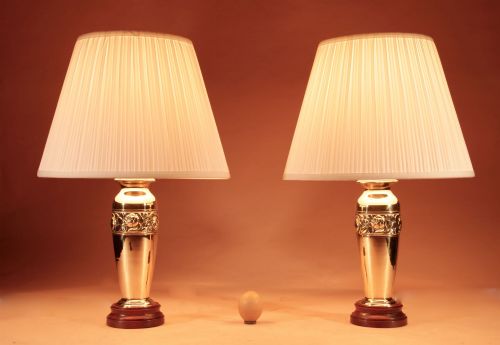
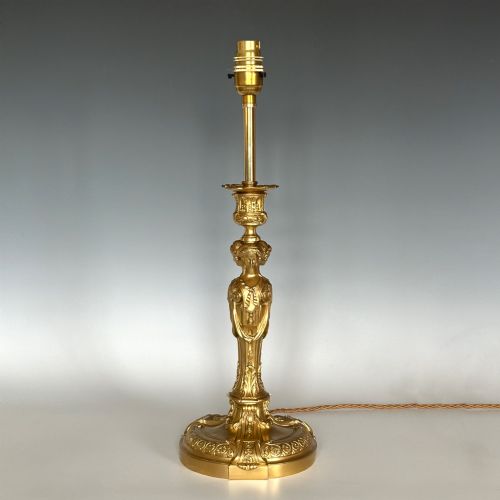
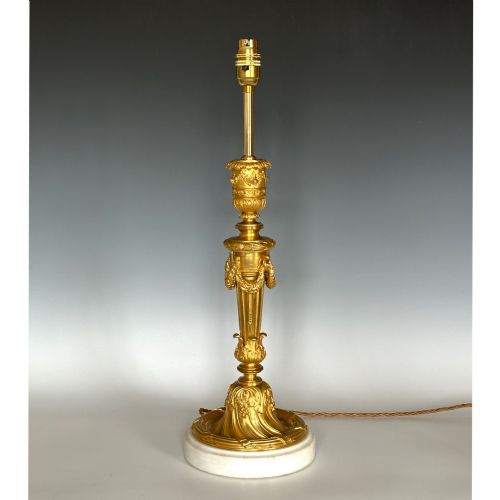
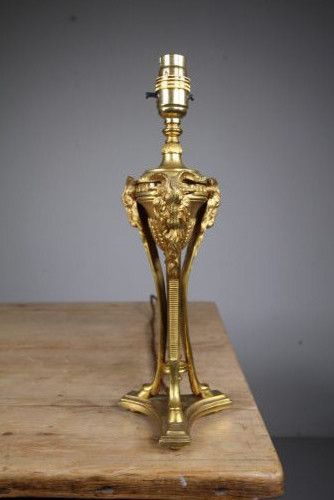
A french brass desk light combines practical illumination with decorative metalwork originating from the nineteenth and early twentieth centuries. The selection spans distinct eras, from ornate Louis-inspired styles to cleaner Art Deco and Art Nouveau forms.
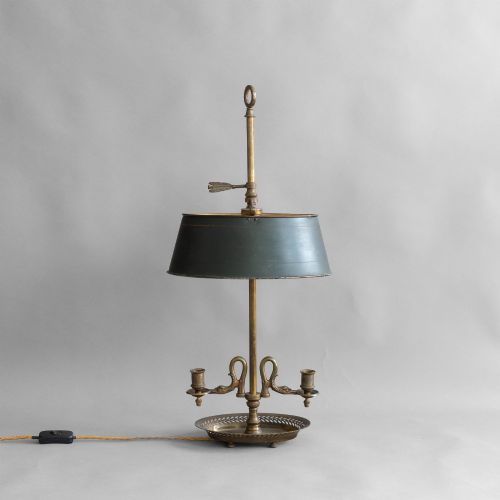
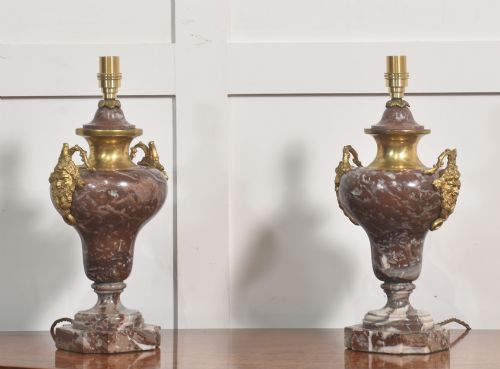
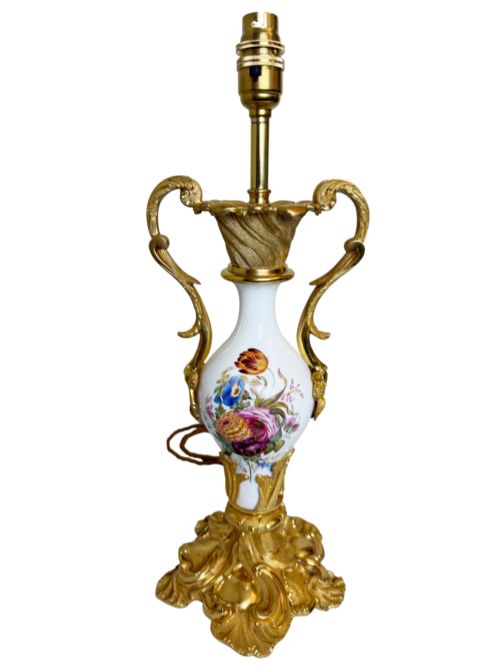
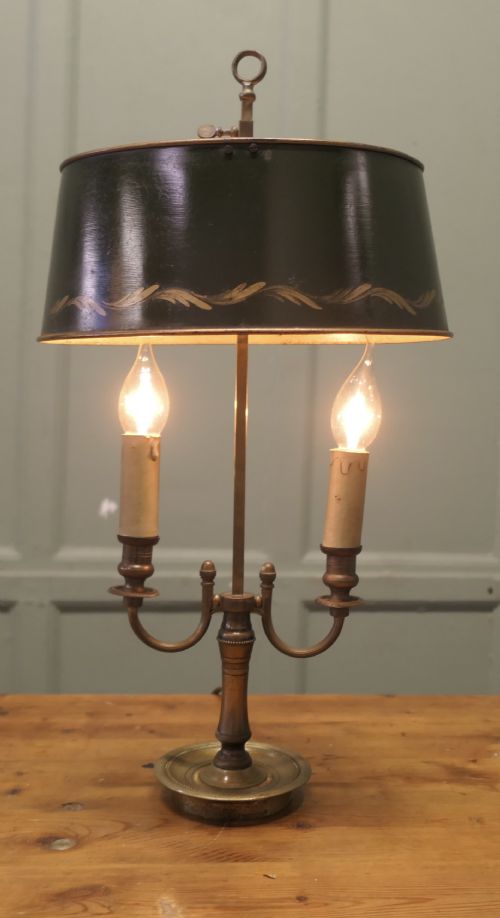
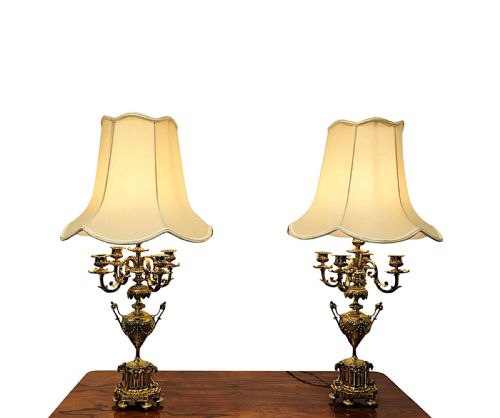
Buyers encounter table lamps, bouillotte lamps with characteristic toleware shades, and converted candlesticks. Many examples incorporate contrasting materials such as rouge marble, onyx, or porcelain alongside polished or gilded metal.
The objects serve as working desk accessories and decorative accents. Dating generally ranges from the Victorian era through the nineteen-thirties, reflecting diverse manufacturing methods of the period.
Materials and construction methods
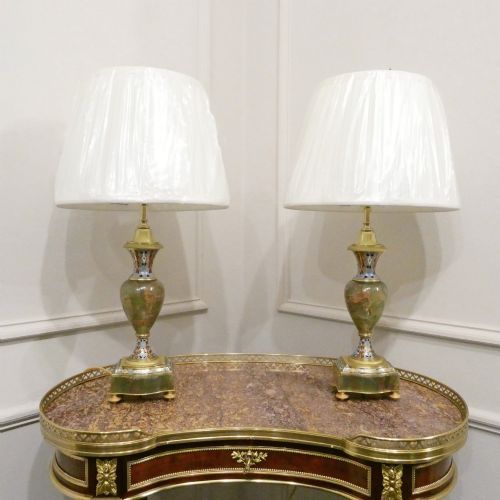
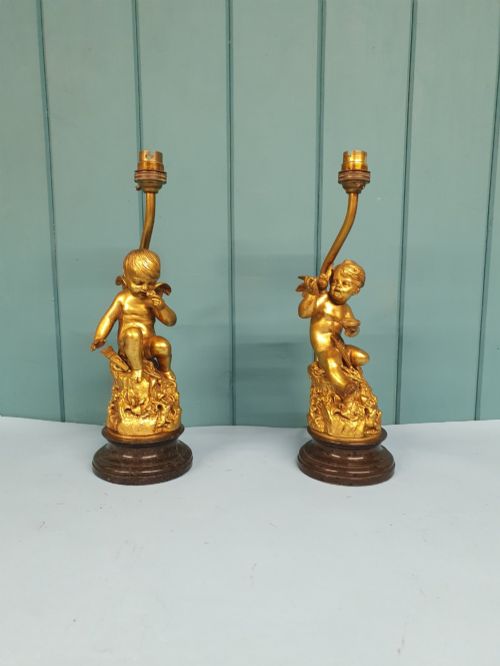
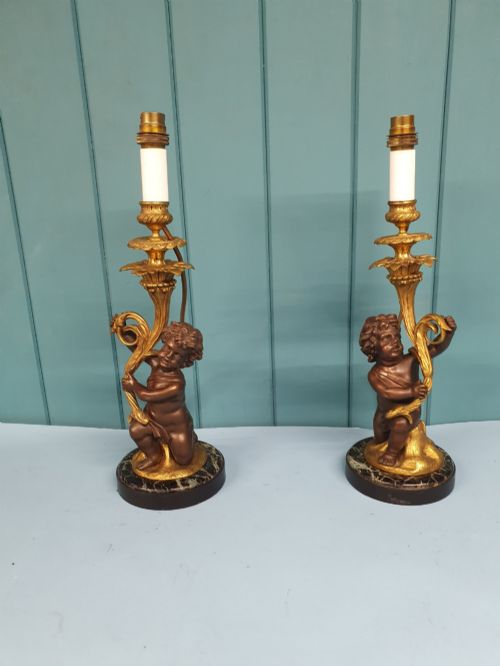
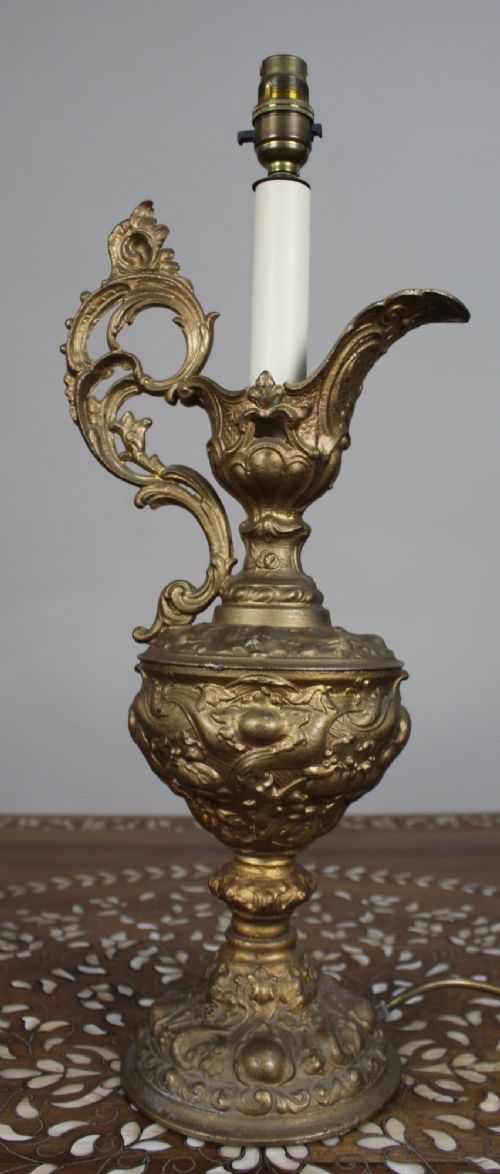
Foundry work relies heavily on cast brass, bronze, and ormolu, often finished with fire-gilding or applied patination. Metal components are frequently paired with carved stone bases, including green and red marble or onyx.
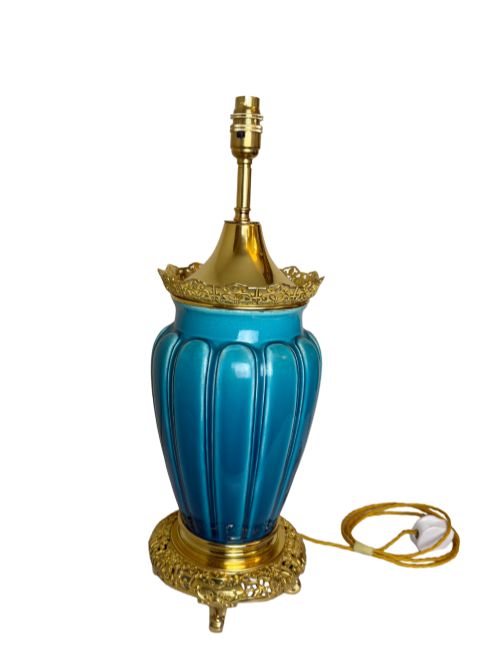
Decorative detailing employs chasing, embossing, and applied mounts reflecting neoclassical, baroque, or organic motifs. Shade components utilise painted metal toleware, fabric, or moulded glass.
Listings feature materials including marble, onyx, toleware, opaline glass, and ormolu alongside standard brass and bronze.
Judging execution and finish
Quality rests in the crispness of the metal casting and the depth of the chasing on bronze and ormolu surfaces. Superior pieces show precise hand-finishing on scrollwork, floral motifs, and figural elements rather than soft or blurred contours.
The integration of secondary materials dictates overall merit. Heavy, solid marble or onyx plinths and substantial gauge metal indicate higher production standards than lighter, pressed-sheet alternatives.
L & F Moreau
The French Brass Desk Light Glossary
- Ormolu
- Gilt bronze produced by applying a mercury and gold amalgam to a bronze object and heating it. This historic French technique yields a durable, rich golden surface.
- Bouillotte lamp
- A traditional adjustable desk lamp featuring a central shaft, two or more candle arms, and a characteristic saucer base with a toleware shade. It takes its name from an eighteenth-century card game.
- Toleware
- Enamelled and painted sheet metal used primarily for lamp shades and canisters. The painted finishes often incorporate green or dark colourways with gilt decoration.
- Champleve
- An enamelling technique where troughs are carved into the metal surface and filled with vitreous enamel powder before firing. It appears frequently on nineteenth-century decorative bases.
- Louis XVI style
- A neoclassical design vocabulary characterised by straight lines, symmetry, and classical motifs such as urns, fluting, and ribbons. It enjoyed major revvivals during the nineteenth century.
French Brass Desk Light: Frequently Asked Questions
How do I date a french brass desk light?
Dating relies on stylistic clues, manufacturing techniques, and material combinations recorded across the periods. Nineteenth-century examples often display heavy cast bronze, neoclassical motifs, and hand-chased details.
Later pieces from the nineteen-twenties and nineteen-thirties shift toward Art Deco geometry, streamlined profiles, and novel figural forms. Comparing the base construction and shade material helps narrow the decade of origin.
Were these lights originally electrified?
Many early pieces began life as oil lamps, gas fixtures, or candlesticks before receiving electrical wiring during later conversions. Converted pieces retain their original nineteenth-century metal bodies while incorporating modern internal fittings.
Purpose-built electric models emerge increasingly by the early twentieth century. This historical adaptation accounts for the varied wiring configurations found on antique examples.
What is a bouillotte lamp used for?
A bouillotte lamp provides focused directional light suitable for reading and card playing. The adjustable metal shade moves up and down the central column to control the spread of illumination.
Traditionally placed on desks or small tables, these lamps offer both downward task lighting and soft ambient glow through the painted shade.
How should I clean polished brass?
Maintaining antique metal requires gentle dusting with a soft dry cloth to protect the historic patina. Aggressive chemical polishes should be avoided because they strip away desirable age-related oxidation and gilding.
If the surface requires deeper cleaning, use mild soapy water on a damp cloth, drying immediately to prevent water spots on the brass.