
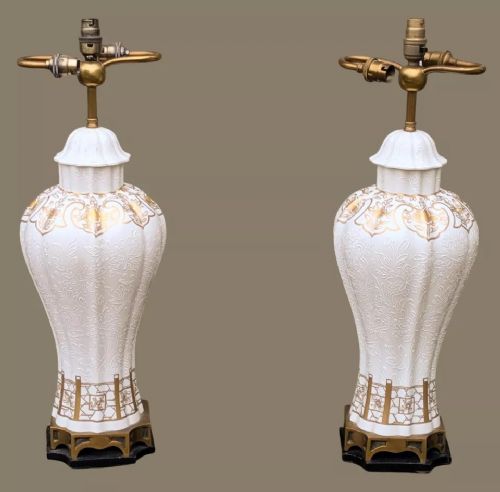


French Brass Ceramic Lamp
A french brass ceramic lamp brings together metalwork and glazed bodies from the nineteenth and early twentieth centuries to anchor a room.
French Brass Ceramic Lamp
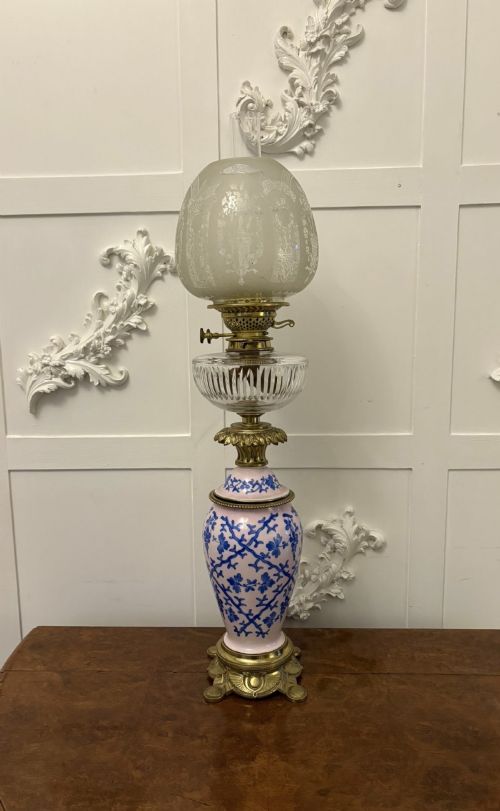
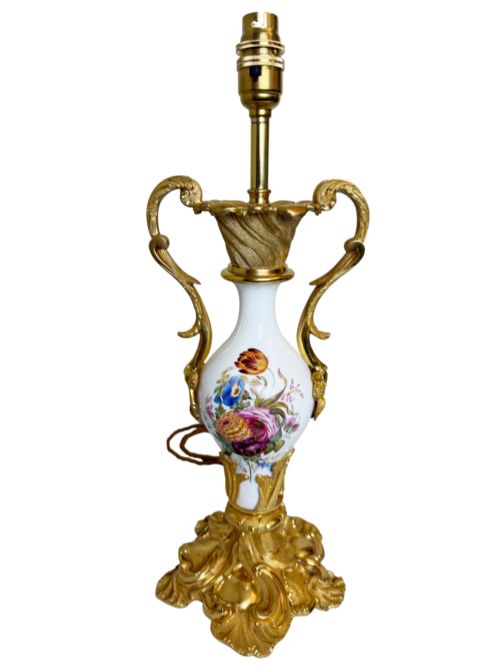
Buyers encounter varied aesthetic expressions within this category, including Rococo Revival, Renaissance Revival, and Chinoiserie styles. Paris porcelain, Sevres style pieces, and faience form the core of the ceramic bodies seen here.
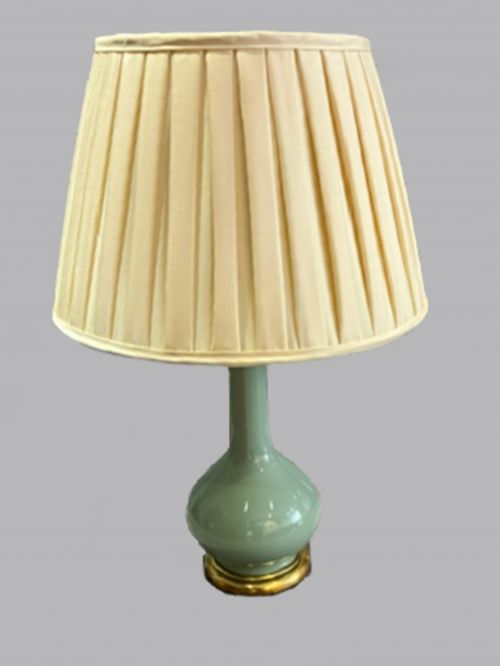
Vessels range from petite formats to large pairs, frequently incorporating gilt bronze, brass, or ormolu mounts. Many examples adapt earlier ceramic vases or oil lamp bodies into electrified table lighting.
Construction and materials
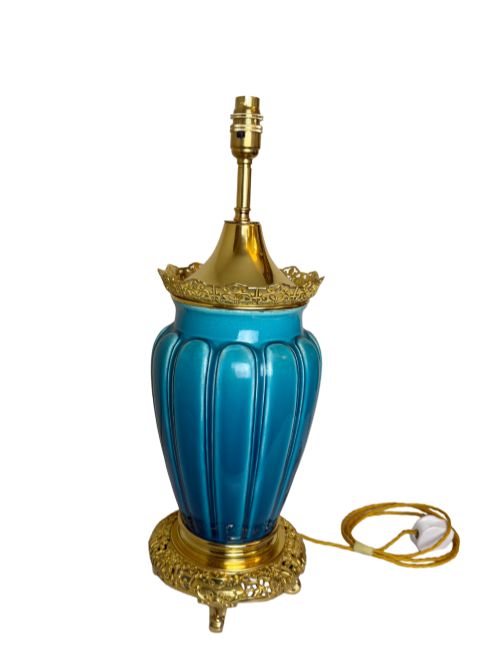
Makers utilised fired ceramics, porcelain, and faience for the primary vessel bodies, often applying hand-painted details and gilt highlights. Workshops in France then paired these ceramic elements with cast brass, bronze, gilt metal, or ormolu mounts.
Metal components were cast and chased to secure the porcelain bodies, creating structural bases and upper collars that accommodated oil burners or lamp fittings. Additional materials such as glass and fabric appear across the listings to complete the construction.
Listings incorporate nineteenth-century Victorian pieces alongside 1930 examples, uniting porcelain, faience, brass, and bronze.
Factors of quality
Quality rests in the crispness of the metal casting and the precision of the hand-painted ceramic decoration. Finer examples display meticulous chasing on the bronze or brass mounts and superior glazing on the porcelain body.
The harmony between the ceramic vessel and its metal mounts dictates the visual success of the piece. Superior items integrate the mounts seamlessly with the porcelain form rather than appearing hastily assembled.
Gien·Samson
The French Brass Ceramic Lamp Glossary
- Ormolu
- Gilded bronze mounts applied to furniture, clocks, and ceramic lamp bases. This technique uses a mercury amalgam to adhere gold to bronze.
- Faience
- Tin-glazed earthenware produced across European potteries. It provides an opaque white surface suitable for hand-painted decoration.
- Paris porcelain
- Hard-paste porcelain made by numerous independent workshops in and around Paris during the eighteenth and nineteenth centuries. It is known for fine potting and rich gilding.
- Chinoiserie
- European artistic style reflecting Chinese motifs and techniques. It appears frequently on porcelain lamp bodies from the nineteenth century.
French Brass Ceramic Lamp: Frequently Asked Questions
Are these lamps originally electrified?
Most pieces originated as oil lamps or decorative vases before undergoing conversion to electricity during the twentieth century. The original metal collars and burners often remain adapted to house modern wiring.
Buyers should examine the internal fittings to understand how the conversion was executed while preserving the historic ceramic and metal body.
How do I identify Paris porcelain?
Paris porcelain is characterised by a dense white hard-paste body combined with bright enamel painting and heavy gilding. Because many independent workshops operated around Paris without central marking, attribution relies on stylistic traits.
These pieces frequently adopt neoclassical or Asian-inspired decorative schemes executed with high technical skill.
What is faience?
Faience is a tin-glazed earthenware that offers a smooth, absorbent white ground for painted designs. Workshops utilised this technique to produce colourful lamp bases with rich surface patterns.
Unlike hard-paste porcelain, faience has a softer paste body beneath its opaque glaze.
Where should I place a large lamp?
Large ceramic and brass lamps require substantial surfaces such as sideboards, heavy consoles, or large tables where their proportions balance the room. Their height and decorated bodies make them natural focal points.
Ensure the surrounding furniture can support the weight of combined metal and ceramic construction.