

French Brass Candelabra Light
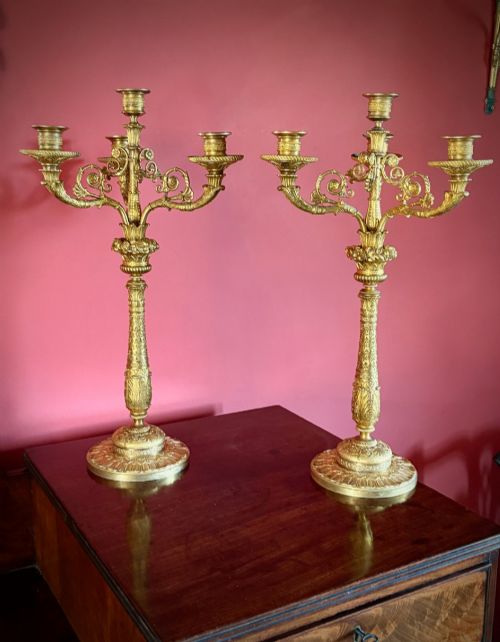
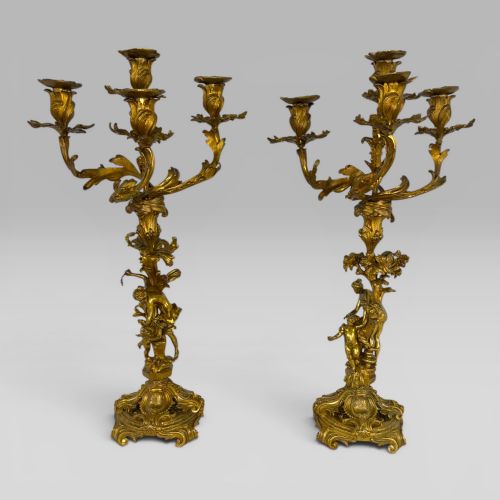
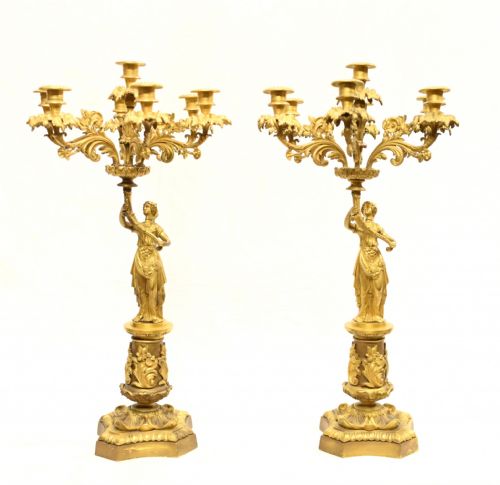
French brass candelabra light fixtures bring heavy cast metal and ornate multi-arm branches into period rooms to create high-status illumination.
French Brass Candelabra Light
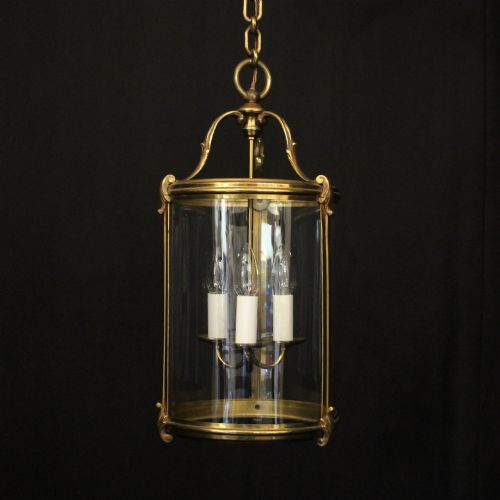
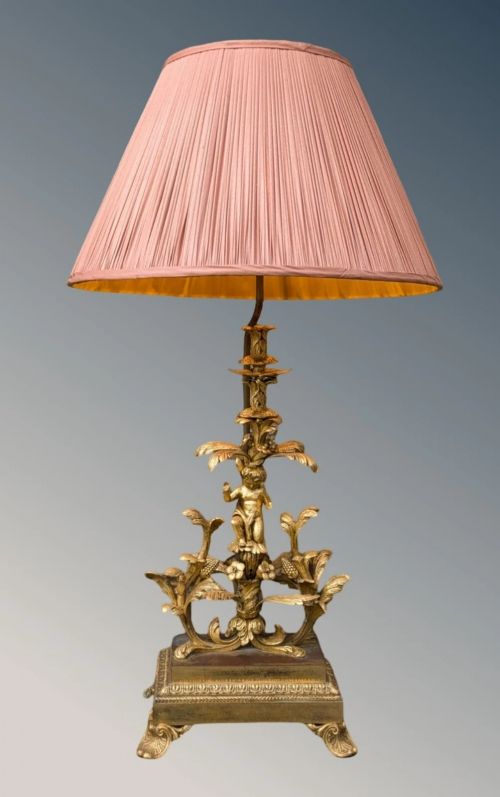
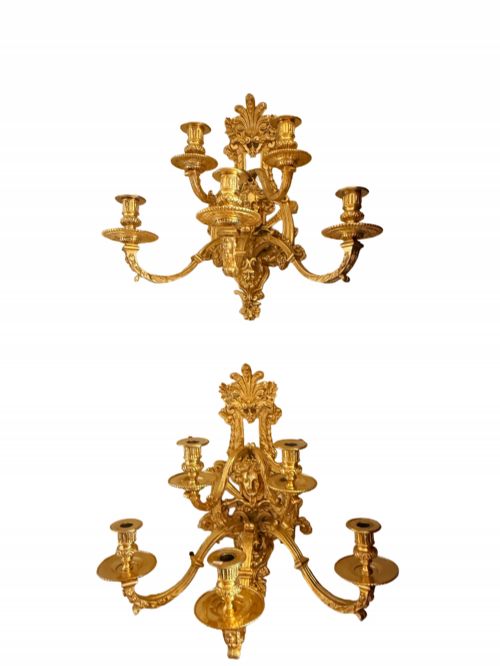
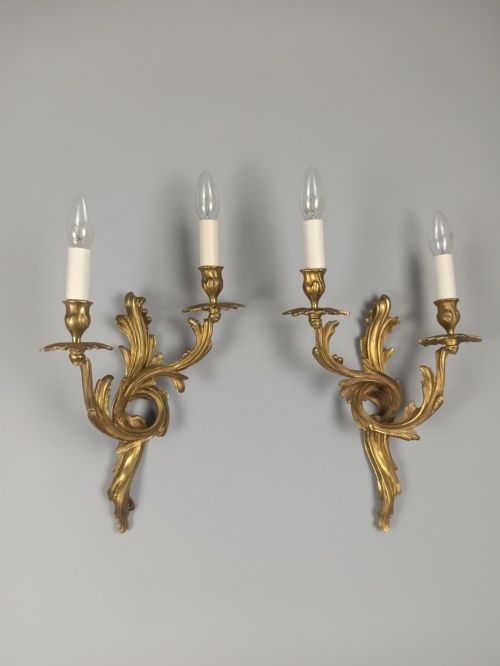
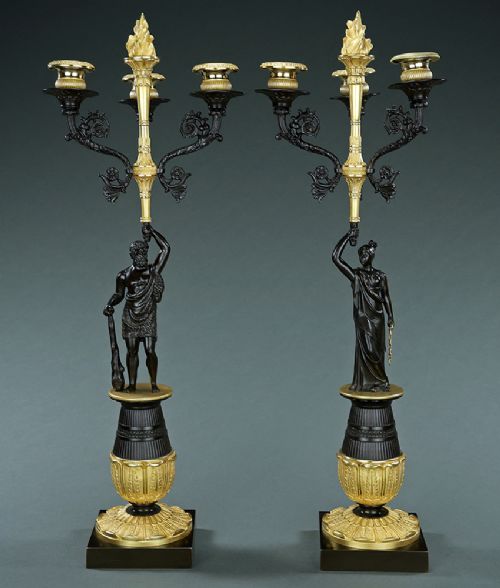
When searching for a french brass candelabra light, a buyer encounters heavy multi-armed lighting objects designed to hold multiple tapers or wired for electricity. These pieces appear primarily as pairs of candelabra, wall sconces, and hanging lanterns originating from the nineteenth and early twentieth centuries.
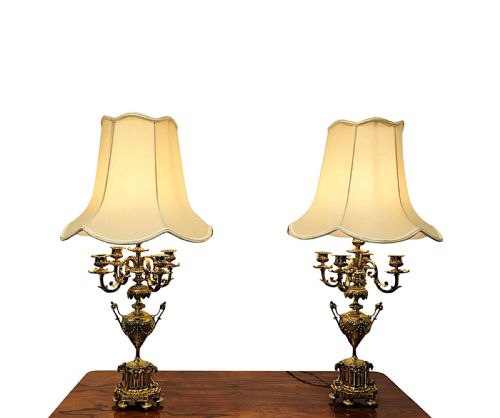
Table lamps and chandeliers also surface within this category, often showing period conversions where candle branches received electrical fittings. Buyers meet diverse configurations ranging from twin-arm wall lights to grand sixteen-light chandeliers.
How they were made
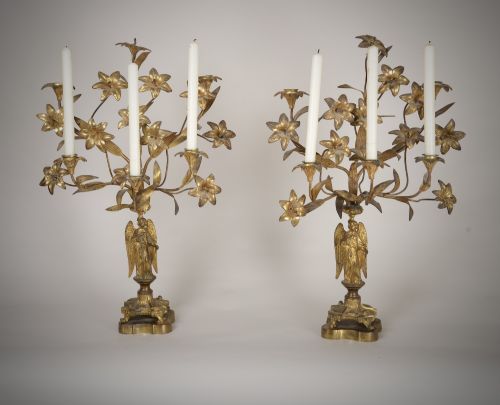
The fabrication relies on foundational metalwork utilising brass, cast bronze, and gilt-bronze or ormolu surfaces applied over copper alloy bases. Artisans shaped these components through sand casting and meticulous chasing to achieve sharp botanical and scroll relief work.
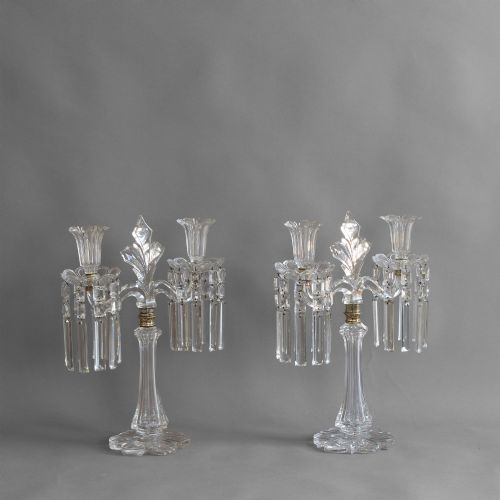
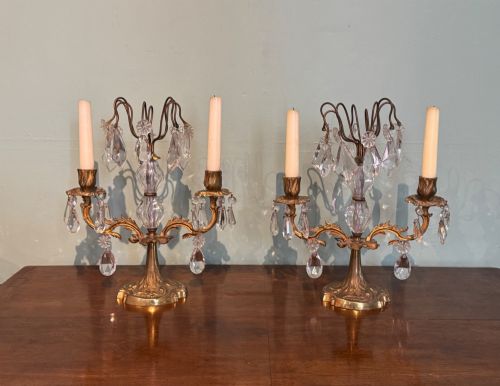
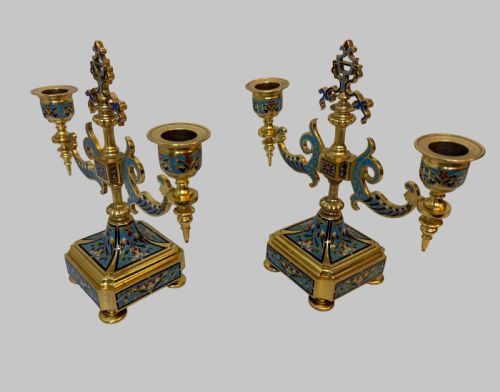
Many designs integrate secondary materials including white or coloured marble bases, champleve enamel panels, and leaded cut glass or crystal drops. Lustres and chandeliers utilise these glass components to refract candle or bulb illumination across the room.
The listings span the nineteenth and early twentieth centuries, incorporating materials such as marble, crystal, and mercury-gilded ormolu.
What varies in quality
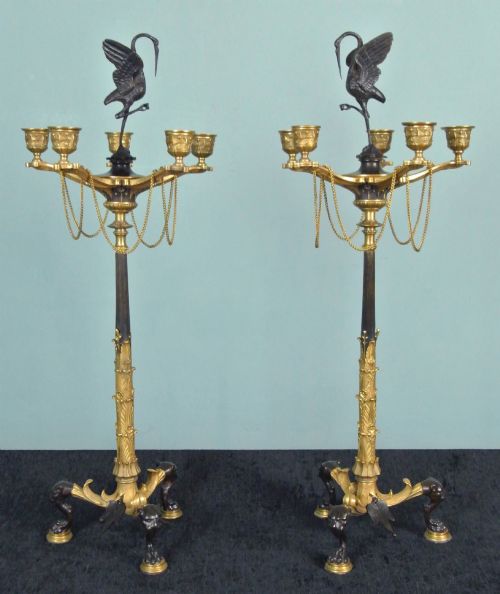
Quality separates through the crispness of the bronze chasing and the depth of the mercury gilding or ormolu finish. Superior pieces exhibit hand-finished detail in the foliage and figures, whereas inferior examples rely on softer machine casting.
The integrity of the construction dictates overall merit, particularly in how securely the multi-arm branches attach to the central stems and heavy marble plinths. Original components, matched pairs, and integrated crystal drops elevate the standing of any lighting piece.
Barbedienne
The French Brass Candelabra Light Glossary
- Ormolu
- Gilded bronze produced by applying a mercury and gold amalgam to a bronze base and firing it in a furnace. This historic technique creates a durable, warm golden surface found on high-end French metalwork.
- Champleve
- An enamelling technique where troughs are dug into a metal surface, filled with vitreous enamel powder, and fired. The resulting coloured patterns decorate the stems and bases of select nineteenth-century pieces.
- Lustre
- A decorative tabletop light fixture hung with cut glass prisms or drops to catch the light. These objects bridge the gap between traditional candlesticks and hanging chandeliers.
- Sconce
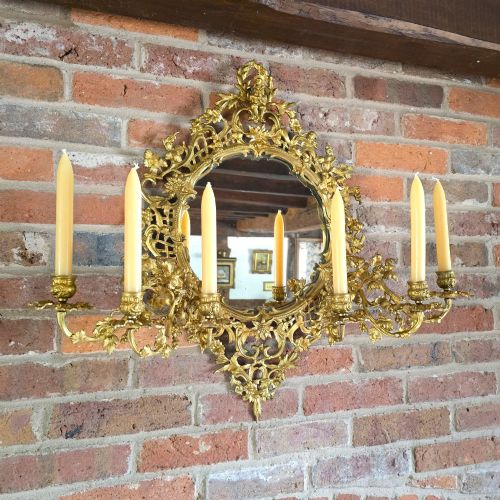
- A wall-mounted lighting bracket designed to carry multiple candle branches or electrical lights. Eighteenth and nineteenth-century versions often feature mirrored backs to amplify the glow.
- Bouillotte
- A type of adjustable table lamp featuring a central standard, multiple candle arms, and a distinctive painted metal shade. They originated in France for use during card games.
French Brass Candelabra Light: Frequently Asked Questions
What is a french brass candelabra light?
A french brass candelabra light is a decorative metal lighting fixture featuring multiple branched arms designed to hold candles or electric bulbs.
These pieces originate largely from nineteenth and early twentieth-century French workshops, employing cast brass, bronze, and gilt finishes.
Were these fixtures converted to electricity?
Many surviving candelabra and wall lights underwent conversion to electricity during the twentieth century to suit modern domestic requirements.
Some examples retain their original configurations for wax tapers, while others seamlessly integrate internal wiring through the central stem.
How do I identify a nineteenth-century piece?
Nineteenth-century items typically display heavy sand-cast metal construction, hand-chased surface details, and authentic patination on the brass or ormolu.
Stylistic markers such as Rococo asymmetry, Empire neoclassical motifs, or Gothic revival pointed arches also point to this period.
Where should I place wall sconces?
Wall sconces work effectively in pairs flanking mirrors, fireplaces, or architectural doorways to provide balanced secondary illumination.
Their multi-arm branch designs cast soft directional light across interior walls in living rooms and hallways.