

French Bombe Commode Chest
When you search for a french bombe commode chest, you are looking for a swelling silhouette of refined proportions that anchors a grand interior.
French Bombe Commode Chest
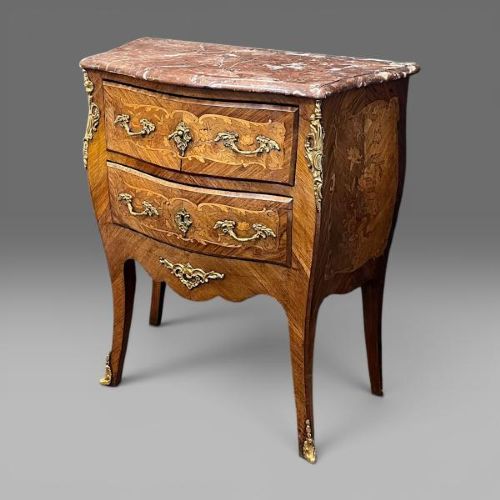
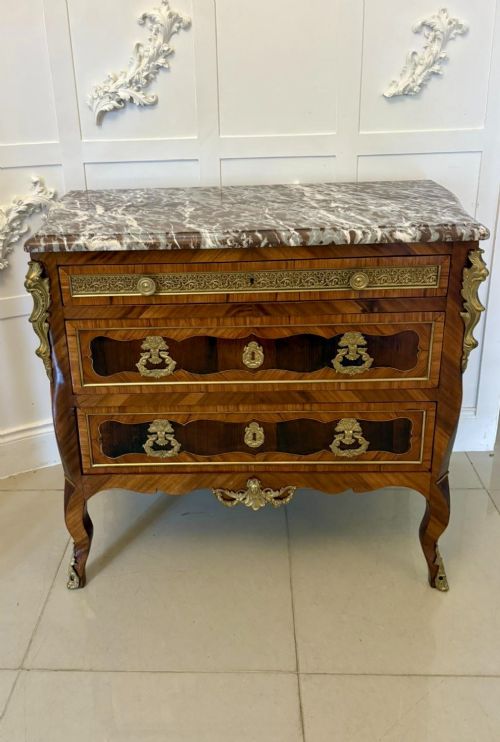
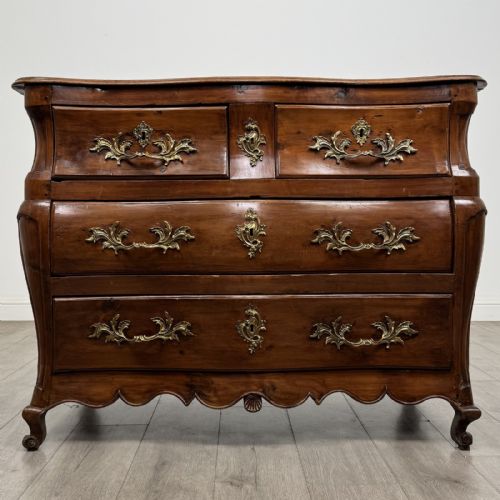
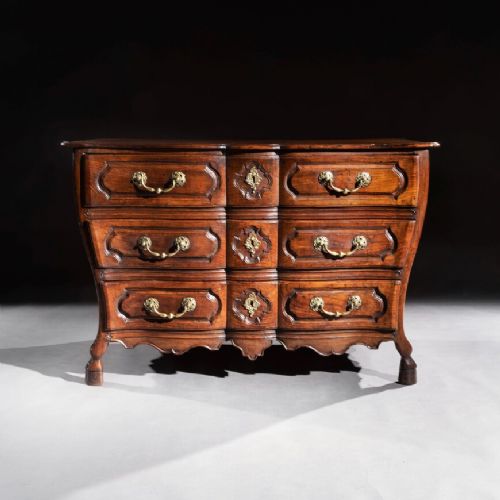
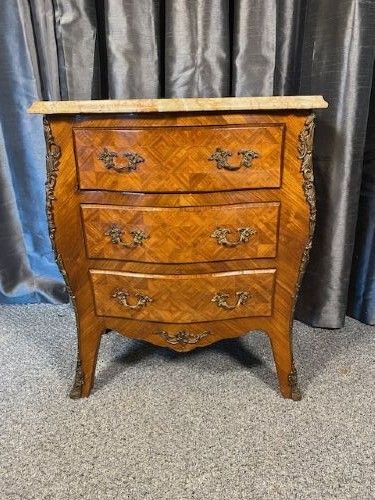
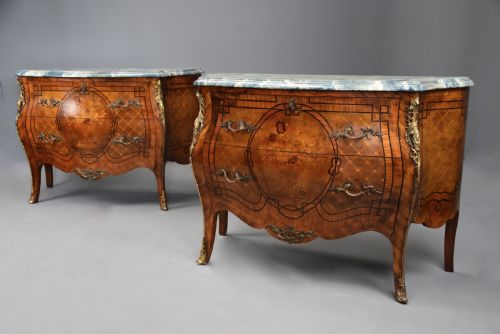
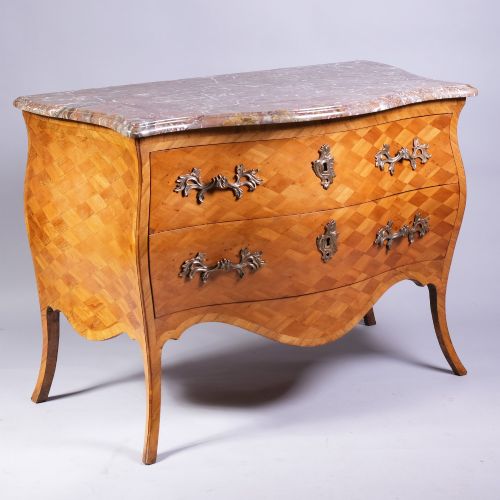
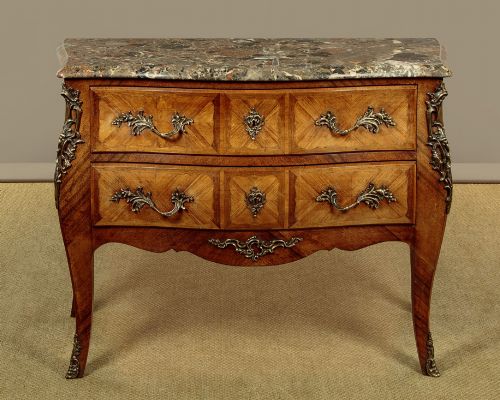
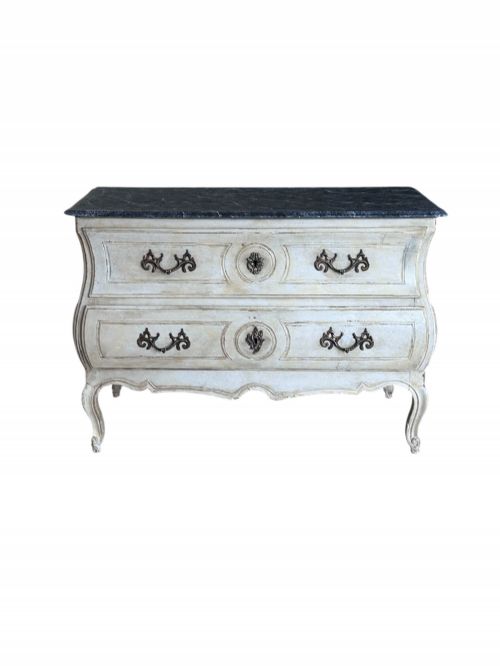
A french bombe commode chest displays the swelling, convex contours characteristic of Louis XV and transitional revival periods. These low storage pieces typically feature two or three deep drawers within an undulating carcass designed for domestic chambers and salons.
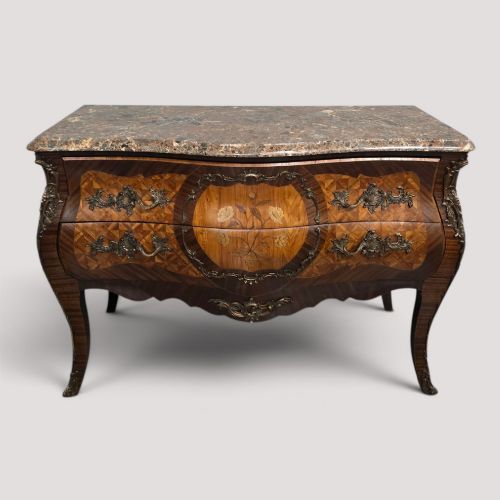
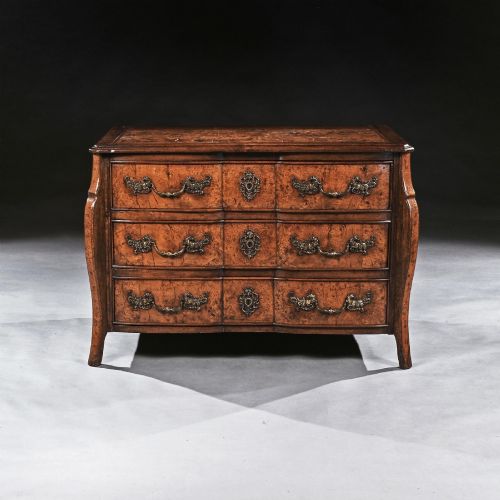
The versions most commonly met on this page originate from eighteenth-century provincial workshops as well as nineteenth-century revival periods. They span regional fruitwood forms to opulent marquetry designs mounted in gilt bronze.
How They Were Made
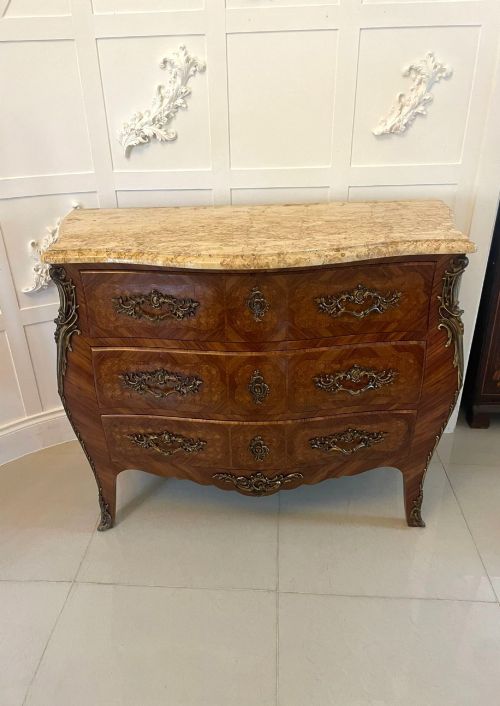
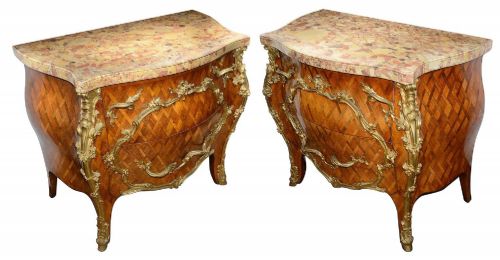
Cabinetmakers constructed these frames using native and exotic timbers such as kingwood, walnut, and burr elm over sturdy pine or oak carcases. Skilled artisans applied intricate parquetry and floral marquetry veneers across the curved surfaces.
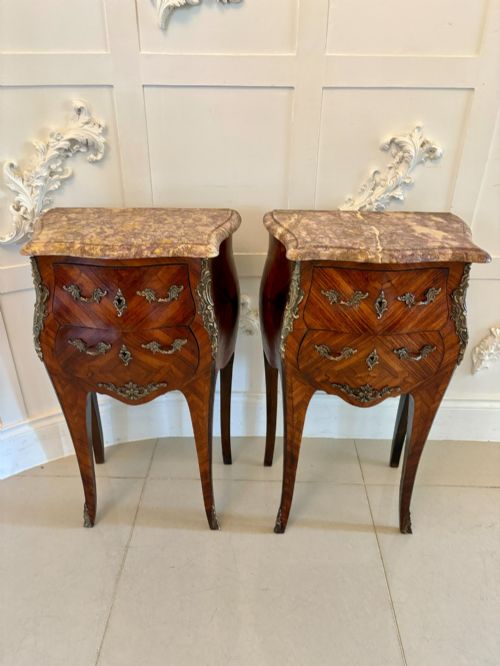
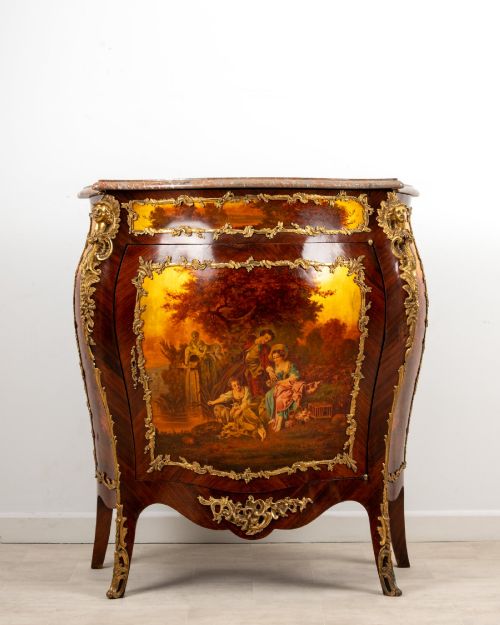
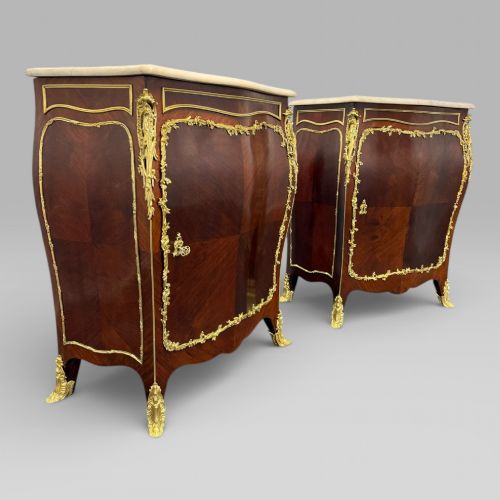
Finished pieces frequently incorporate heavy cast or chased ormolu mounts on the corners and feet, paired with thick slabs of shaped marble fitted to the top surface.
French Bombe Commode Chest Retail Price Guide 2026
Typical asking prices for french bombe commode chest among the pieces listed under this phrase on Sellingantiques today, from the lower quarter to the upper quarter. They describe what is for sale here now, not the wider market.
Several chests hide their lower drawers so deeply behind the swelling apron that opening them requires bending near the floor.
What Varies in Quality
The distinction between tiers rests upon the precision of the cabinetmaker's veneer work and the weight of the bronze mounts. Superior examples exhibit seamless continuity of grain across curved drawer fronts and crisply chased ormolu details.
Structural integrity of the complex undulating carcase and the original integration of the heavy marble top determine the standing of individual pieces.
E Kahn
The French Bombe Commode Chest Glossary
- Bombe
- A swelling, outward-curving profile characteristic of rococo case furniture. This undulating shape requires advanced woodworking skill to build.
- Ormolu
- Gilt bronze mounts applied to furniture edges and corners. These decorative elements protect vulnerable areas and accent the silhouette.
- Marquetry
- Inlaid wood veneers forming pictorial or geometric patterns. Artisans arrange contrasting timber grains to create surface decoration.
- Parquetry
- Geometric wood veneer patterns arranged in repetitive motifs. Squares and triangles create structured visual rhythms across drawer fronts.
- Vernis Martin
- A specialised resin-based varnish mimicking Japanese lacquer. This technique produces glossy, translucent decorated surfaces in imitation of Asian imports.
French Bombe Commode Chest: Frequently Asked Questions
How do I spot a reproduction?
Examine the construction methods visible inside the drawer carcases and along the backboards. Older examples display hand-cut joinery and aged timber shrinkage rather than modern mechanical fasteners.
Check the quality of the bronze mounts and the fit of the marble top. Authentic period pieces show natural wear patterns consistent with age and hand-finishing.
Where were these placed originally?
These decorative chests served primarily in principal bedrooms and formal reception rooms. Their finished backs and sides allowed placement against walls or within grand drawing-room layouts.
Smaller variants functioned beside beds as elaborate storage stands holding personal items.
How do I care for the marble top?
Clean the stone surface using a damp cloth and mild neutral soap while avoiding acidic liquids. Citrus juice and alcohol etch polished marble quickly.
Apply a specialist stone wax periodically to protect the polish from moisture rings and daily wear.
What is the difference between Louis styles?
Louis XV designs emphasise asymmetric curves, flowing rococo lines, and deep swelling bombe profiles. Decoration relies on floral marquetry and organic bronze mounts.
Louis XVI pieces introduce straighter structural lines, neoclassical symmetry, and restrained parquetry while retaining subtle curving forms.