



French Baroque Artwork
French baroque artwork brings seventeenth and eighteenth-century drama into a room through oils, engravings, and enamels.
French Baroque Artwork
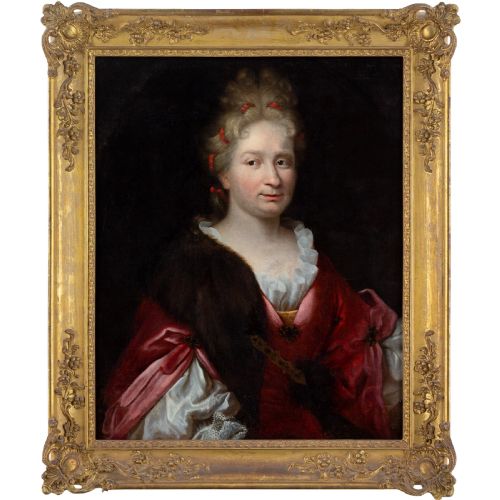
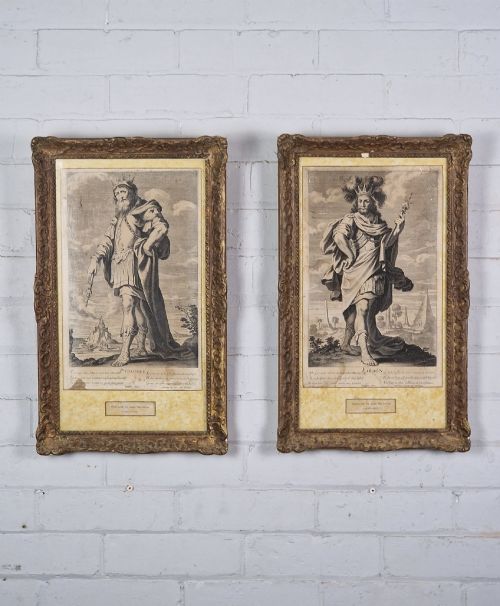
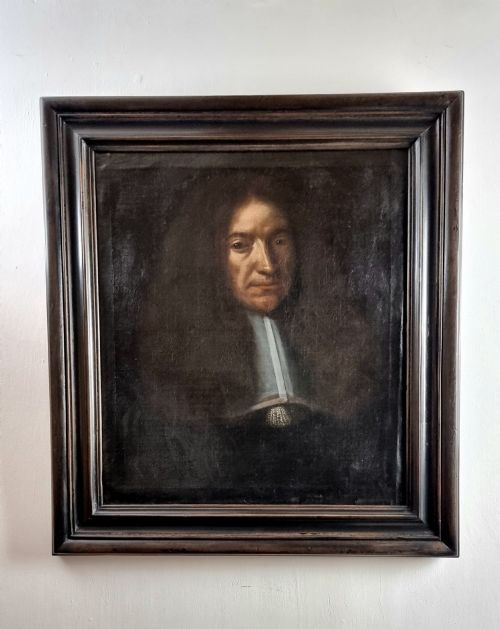
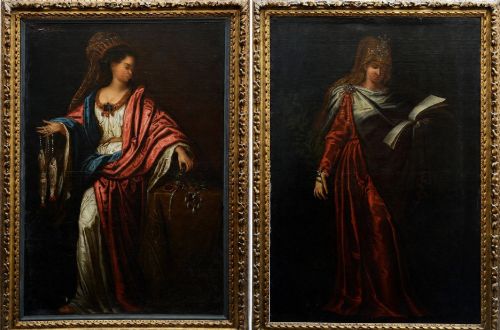
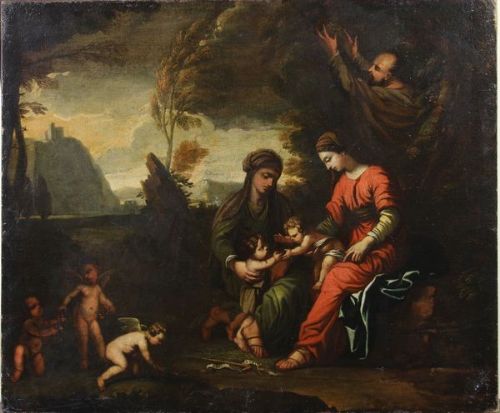
French baroque artwork encompasses oils on canvas and panel, etchings, engravings, enamel plaques, and tapestry cushion covers from the seventeenth and eighteenth centuries. These pieces record the grand style of the French court and classical myth, often echoing Roman baroque influences and later revival periods.
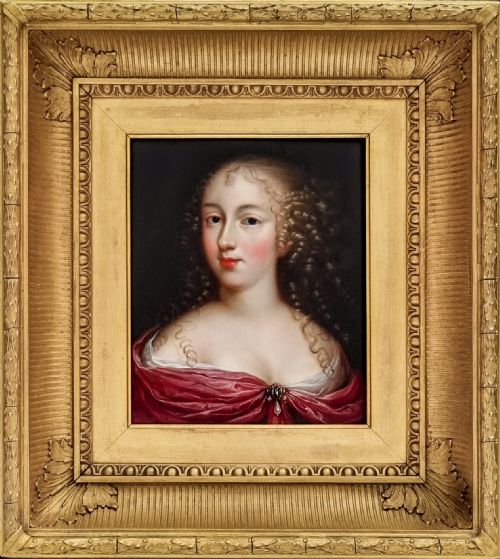
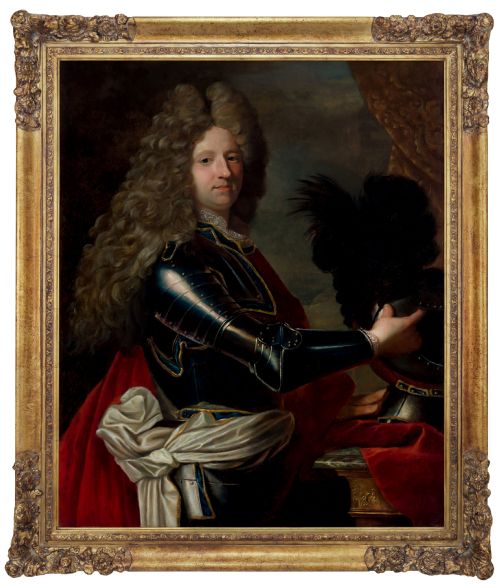
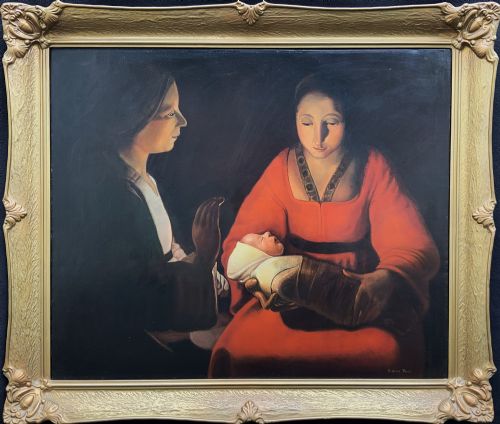
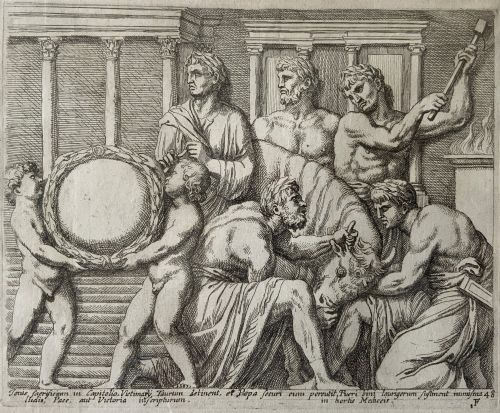
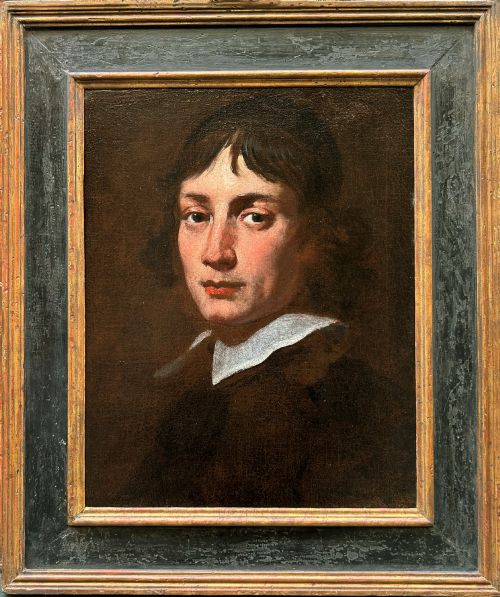
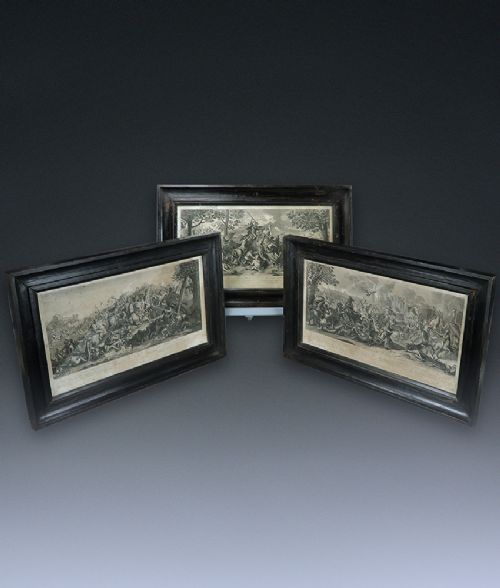
Portraits dominate the selection, depicting judges, gentlemen in armour, young girls, and nobility alongside religious scenes and classical histories. Viewers will also encounter prints after major painters and decorative framed works that capture the theatrical spirit of the era.
Materials and Technique
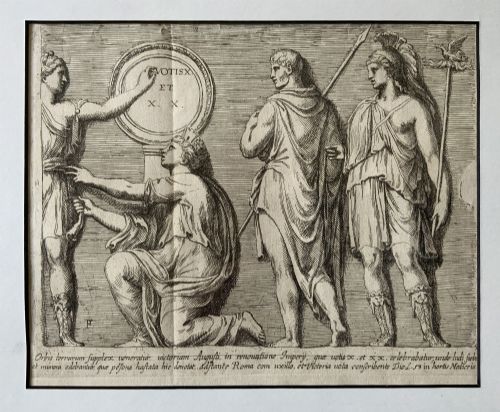
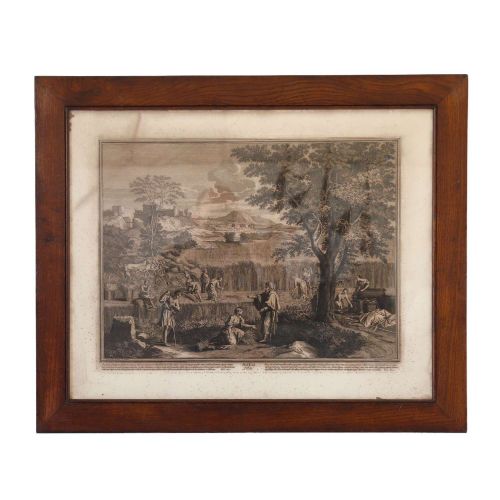
Painters of this period applied oil paint to canvas or wood panel, sometimes utilising copper or enamel as seen in Limoges plaques. Engravers and etchers worked on paper to reproduce monumental compositions by masters.
Gilt frames and carved wood provide the traditional housing for these works, completing pieces designed to reflect candlelight in grand interiors.
French Baroque Artwork Retail Price Guide 2026
Typical asking prices for french baroque artwork among the pieces listed under this phrase on Sellingantiques today, from the lower quarter to the upper quarter. They describe what is for sale here now, not the wider market.
Materials represented include oil on canvas, oil on panel, paper prints, glass, and Limoges enamel.
Judging Quality
Quality rests in the handling of light, shadow, and expression, distinguishing studio hands and confident followers from routine copyists. Engravings depend upon the crispness of line and the preservation of the paper over centuries.
The sophistication of the subject and the historical documentation associated with the sitter or the print maker elevate the standing of an individual piece within the field.
François Perrier·Pierre Mignard·Jean Mariette·Georges de La Tour·Charles-Antoine Coypel·Guillaume Courtois·Joseph Vivienne·Nicolas De Largillière·Pierre Gobert·Jean-Baptiste Santerre
The French Baroque Artwork Glossary
- Baroque
- A style of European architecture, music, and art of the seventeenth and eighteenth centuries characterised by ornate detail, drama, and grand scale. It prioritises movement and emotional intensity over Renaissance harmony.
- Etching
- A printmaking process where lines are incised into a metal plate with acid before ink is applied and pressed onto paper. This technique allows for fine, fluid detail akin to a pen sketch.
- Enamel
- A decorative substance made by fusing powdered glass to a substrate by firing, frequently used on copper plaques. Limoges emerged as a historic centre for this colourful craft.
- Panel painting
- A painting executed on a flat piece of wood rather than stretched canvas. Oak and other timbers provided a stable rigid support for early oil works.
French Baroque Artwork: Frequently Asked Questions
How do I date a seventeenth century portrait?
Dating relies upon costume details, hair styling, and the written records or inscriptions attached to the stretcher or panel. Stylistic comparisons with known dated works by followers of major portraitists also assist.
Physical inspection of the canvas weave, pigments, and panel construction helps confirm whether a piece belongs to the period or represents a later revival.
Where should I hang an oil painting?
These works require stable interior conditions away from direct sunlight and excessive humidity to protect old canvas, wood, and oil pigments. Placing them on interior partition walls helps maintain their condition.
Good ambient lighting enhances the dramatic play of light and dark characteristic of the baroque palette.
What is the difference between an etching and an engraving?
An etching uses acid to bite lines into the metal plate, producing free and expressive marks similar to drawing. An engraving relies entirely on a sharp tool called a burin to cut lines directly into the metal.
Both techniques were utilised to distribute compositions by leading artists to a wider audience during the seventeenth and eighteenth centuries.
How do I care for antique paper prints?
Prints on paper need framing behind conservation-grade glass that blocks ultraviolet light. This prevents fading of the ink and yellowing of the paper sheet over time.
Keeping them away from damp environments prevents foxing spots and mould growth from damaging the paper fibres.