



French Art Nouveau Stand
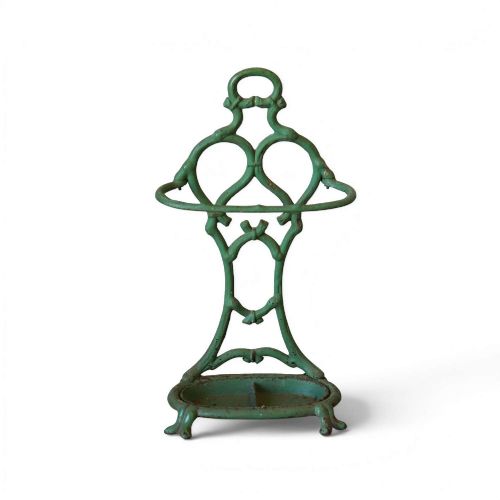
A French art nouveau stand brings organic floral lines and fluid metalwork into a hallway or reception room.
French Art Nouveau Stand
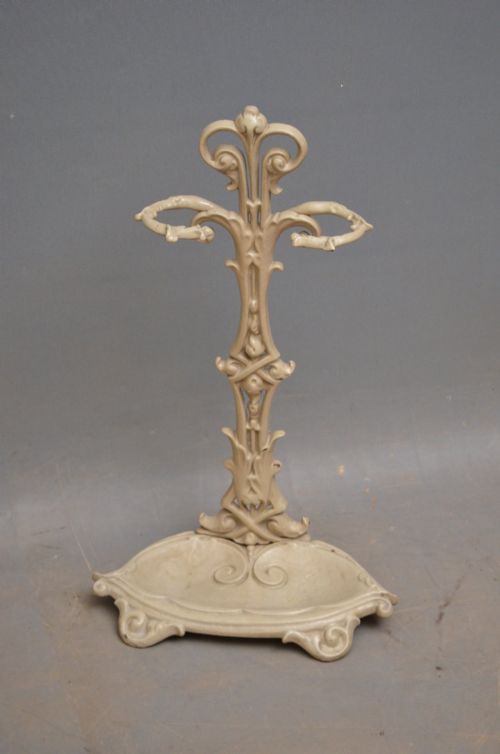
A French art nouveau stand encompasses practical hallway furnishings and decorative vessels shaped by the fluid, organic design language popular around nineteen hundred. Buyers searching for a French art nouveau stand most frequently encounter sturdy cast iron or brass umbrella and stick holders designed for daily domestic use.
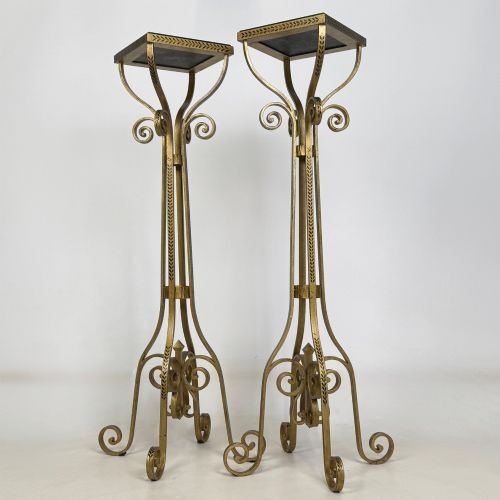
Beyond hallway furniture, the category extends to plant stands with marble tops, carved walnut planters, and desk accessories incorporating inkwells. The pieces span periods from the late nineteenth century into the twentieth century, reflecting the Belle Epoque aesthetic.
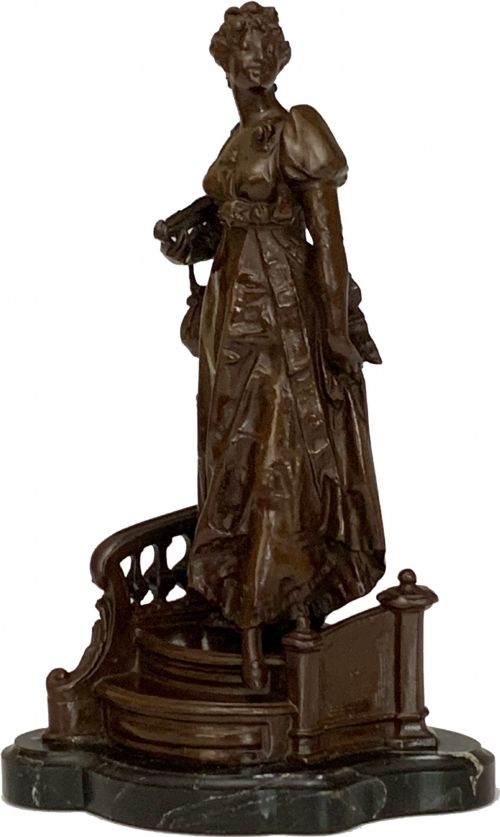
Makers and foundries utilised diverse forms, ranging from faux bois bamboo designs in cast iron to hammered copper urns and bronze figural supports.
How they were made
Foundries and workshops shaped these pieces from cast iron, bronze, brass, and copper, often employing casting, hammering, and embossing techniques to achieve flowing plant tendrils and whiplash curves. Cast iron examples frequently utilised moulds for detailed structural forms like faux bois bamboo.
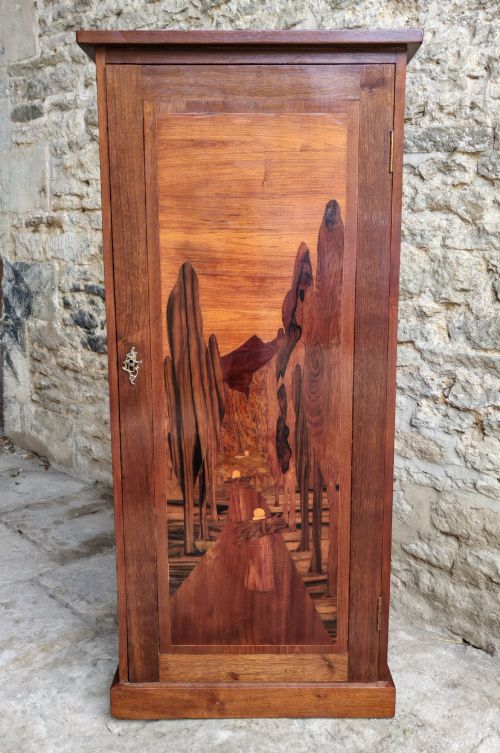
Cabinetmakers constructed wooden furniture frames in mahogany, walnut, and oak, incorporating marquetry inlay and marble tops. Surface finishes combined white enamel, silvered bronze, and gilding to enhance the decorative detail.
What varies in quality
Quality rests upon the crispness of the casting and the fidelity of the organic ornament. Sculptural definition in bronze or cast iron distinguishes superior vessels from simpler commercial output.
The choice of materials dictates the standard of execution, where heavy bronze and solid marble outlast lighter spelter or plated substitutes. Original surface patination and intact enamel or gilt finishes preserve the integrity of the work.
Georges Van Der Straeten·Abel Landry·Anders Zorn·Clement Massier·Albert Marionnet·Alexandre Clerget·Maurice Dufrene·Christofle et Cie
The French Art Nouveau Stand Glossary
- Faux bois
- A decorative technique simulating wood grain, frequently seen cast in iron on umbrella stands to imitate natural bamboo stems.
- Jardiniere
- An ornamental stand or pot designed to hold plants or flowers, often paired with matching ceramic or metal basins.
- Spelter
- A zinc alloy used as a less costly alternative to bronze for figural castings and decorative objects during the period.
- Whiplash curve
- The characteristic asymmetric, undulating line defining the art nouveau style, inspired by the natural growth of plants and stems.
French Art Nouveau Stand: Frequently Asked Questions
What is a French art nouveau stand used for?
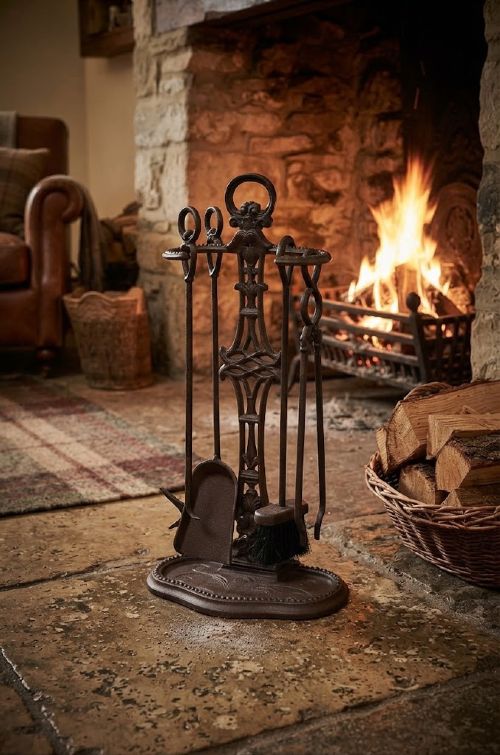
These pieces served practical domestic functions in hallways and reception rooms, primarily holding walking sticks, umbrellas, and fire irons.
Other variants functioned as plant stands, jardiniere holders, and desk accessories for inkwells.
How do I identify a cast iron umbrella stand?
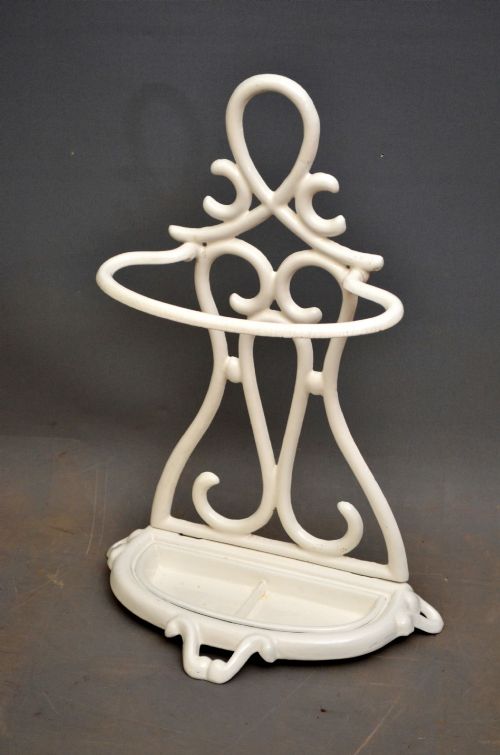
Cast iron examples often feature faux bois bamboo designs or heavy structural frames finished with white enamel or dark patination.
They provide the weight necessary to support wet walking sticks and heavy umbrellas without tipping.
What materials are common in these stands?
Metal elements appear predominantly in cast iron, brass, bronze, copper, and silvered metal, while furniture forms utilise mahogany, walnut, and marble tops.
Combination pieces frequently pair metal frames with ceramic basins or stone surfaces.
How do I date an art nouveau stand?
Dating relies on stylistic markers associated with the Belle Epoque and the nineteen hundred period, supported by foundry marks and material choices.
Evidence shows production extending from the late nineteenth century through the Edwardian era into the nineteen twenties.