





French Art Nouveau Crystal
French art nouveau crystal objects combine fluid natural motifs with heavy refractive glass, and finding the right piece transforms a room.
French Art Nouveau Crystal
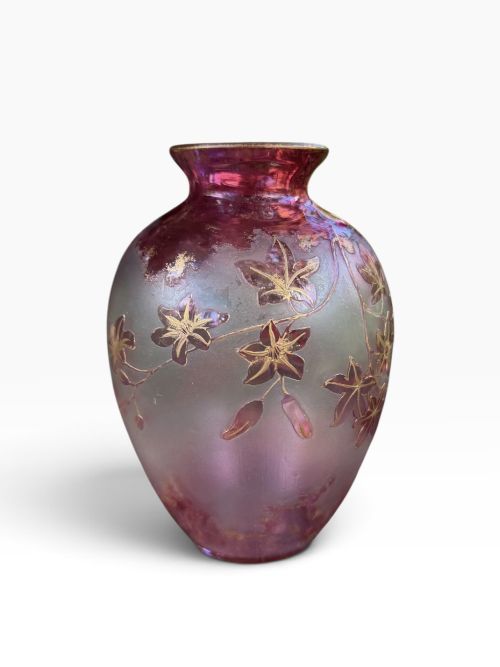
When searching for french art nouveau crystal, buyers encounter a diverse selection of decorative items spanning the late nineteenth and early twentieth centuries. These objects reflect the organic curves and botanical inspiration characteristic of the movement, originating from workshops across France.
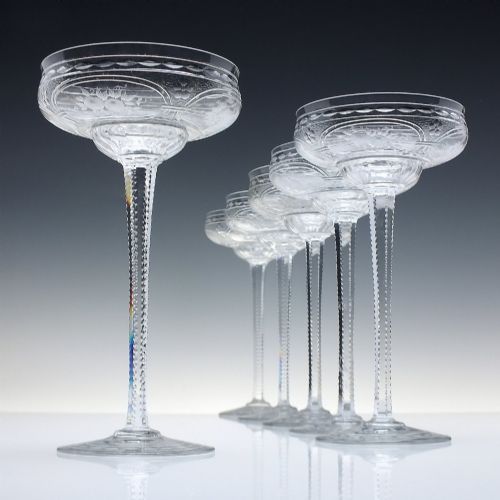
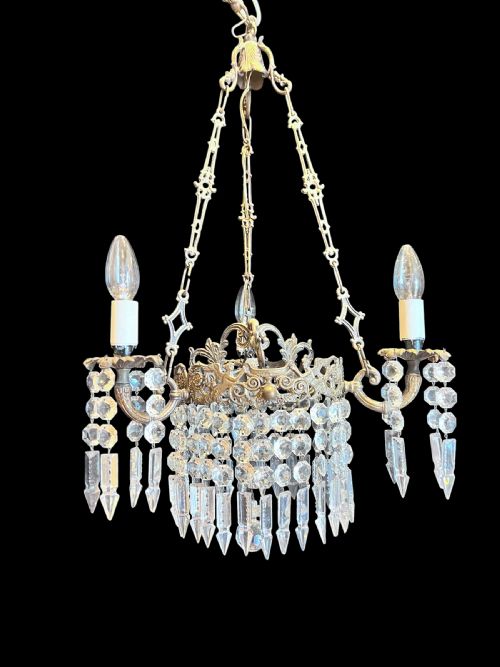
The objects appearing on this page include lighting fixtures such as chandeliers and pendant lights alongside table accessories like centrepieces, champagne glasses, ice buckets, and perfume bottles. These functional domestic items frequently incorporate metal mountings in brass, gilt bronze, or silvered bronze.
The selection ranges from pieces dated around eighteen eighty through to nineteen twenty, encompassing transitional items influenced by the arts and crafts style and art deco. Buyers most frequently meet lead crystal bowls, frosted glass vessels, and scent bottles carrying enamel or paste gilt decoration.
How they were made
Maker workshops produced these items using heavy crystal and glass combined with cast metals like brass and gilt bronze. Metal mounts were shaped to embrace the glass forms with naturalistic stems, leaves, and tendrils.
Decoration relied upon techniques such as acid etching, paste gilding, and the application of enamel designs directly onto the crystal surface. Certain perfume bottles and glass vessels also feature targeted staining or frosted finishes to highlight moulded motifs.
French Art Nouveau Crystal Retail Price Guide 2026
Typical asking prices for french art nouveau crystal among the pieces listed under this phrase on Sellingantiques today, from the lower quarter to the upper quarter. They describe what is for sale here now, not the wider market.
Some champagne glasses carry enough personality to make a quiet Wednesday night feel like an eighteen-ninety Parisian soirée.
What varies in quality
The standard of these pieces depends upon the weight and clarity of the crystal foundation alongside the execution of the metalwork frames. Heavier lead crystal and finely chased gilt bronze mounts demonstrate greater workshop investment.
Artistic execution in surface ornamentation, such as hand-painted gold enamel poppy flowers or precise guilloche enamel panels, separates standard production from finer output. The integration between glass bodies and metal frames also indicates the care taken during initial construction.
Baccarat Vallee·St Louis glassworks·Rene Lalique·Christofle et Cie
The French Art Nouveau Crystal Glossary
- Art Nouveau
- A decorative style characterised by flowing lines, asymmetrical plant forms, and organic shapes. It flourished across Europe between eighteen ninety and nineteen ten.
- Lead crystal
- Glass containing lead oxide, which increases weight, brilliance, and refractive index. This material allows for deeper and sharper cutting.
- Guilloche enamel
- Decorative engine-turned metal covered with translucent enamel. It creates repetitive geometric patterns beneath coloured glass layers.
- Paste gilt
- A method of applying gold decoration using powdered metal mixed with a binder. It appears frequently on decorative bowls and glassware from this period.
French Art Nouveau Crystal: Frequently Asked Questions
What periods do these pieces date from?
The listed items span from eighteen eighty through to nineteen twenty, capturing the height of the movement and its later transition into art deco.
Dating relies upon stylistic markers, metal mounts, and documented workshop production periods associated with French makers.
How were these crystal items used originally?
Many items served practical domestic functions in prosperous households, including dining table centrepieces, champagne cooling, and personal grooming.
Lighting pieces such as chandeliers and pendant lights illuminated reception rooms while displaying decorative glasswork.
How do I care for antique crystal and metal?
Cleaning requires warm water and mild soap, avoiding harsh chemicals that can damage enamel, gilding, or patinated bronze mounts.
Metal components should remain dry to preserve the original finish, and heavy glass pieces need stable placement to prevent accidental impact.
How can I tell art nouveau from art deco?
Art nouveau relies on asymmetrical, flowing organic lines inspired by stems, flowers, and natural curves. Art deco shifts toward geometric symmetry, stylised angles, and linear precision.