



French Art Glass Light
French art glass light examples combine shaped glass with brass, bronze, and wrought iron to illuminate interiors with distinct period character.
French Art Glass Light
A French art glass light encompasses various forms designed to illuminate domestic interiors, ranging from simple hanging pendants and wall sconces to elaborate chandeliers and table lamps. These fixtures date from the late nineteenth century through the mid-twentieth century, capturing the stylistic shifts of the period.
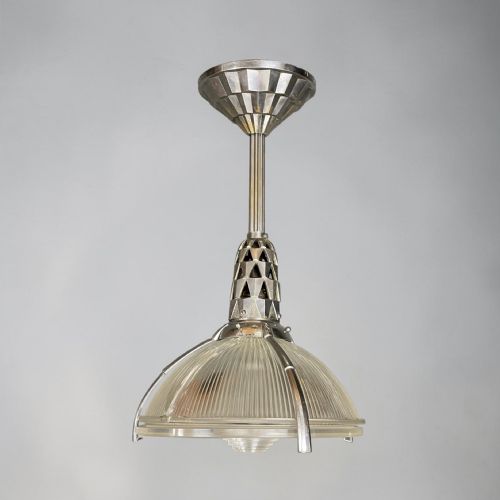
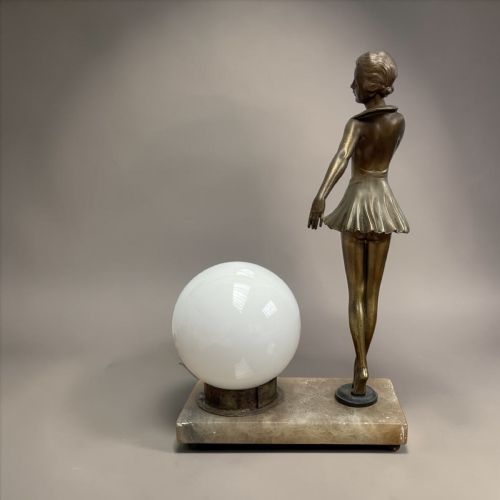
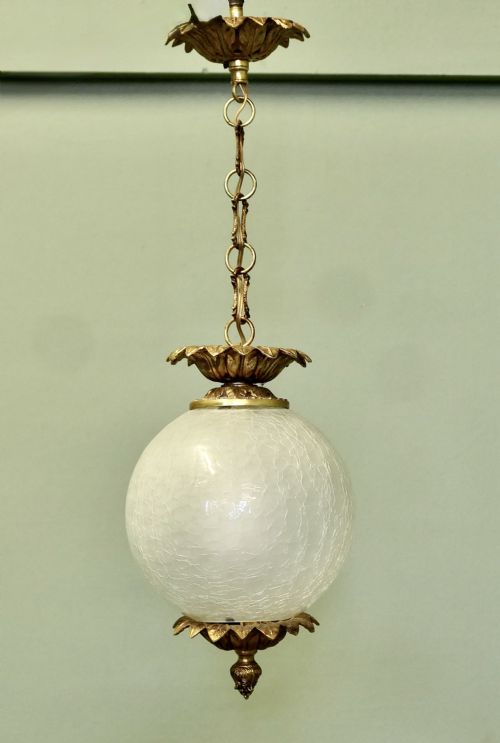
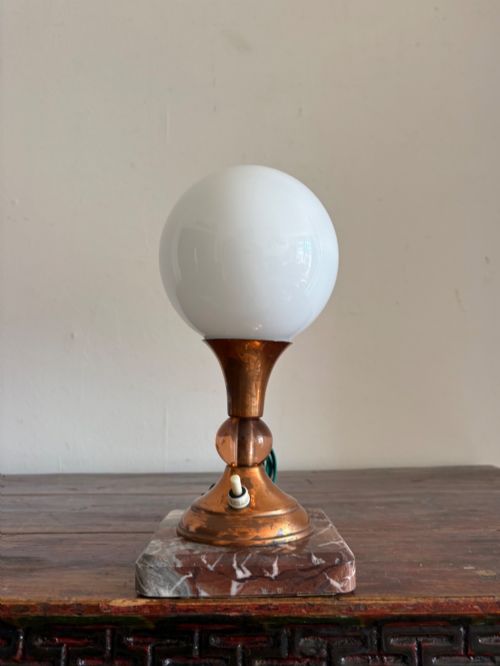
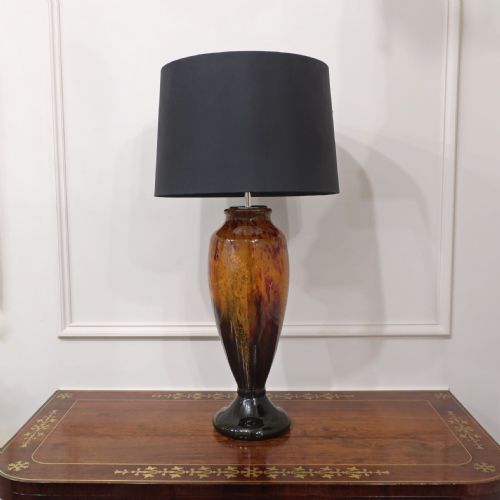
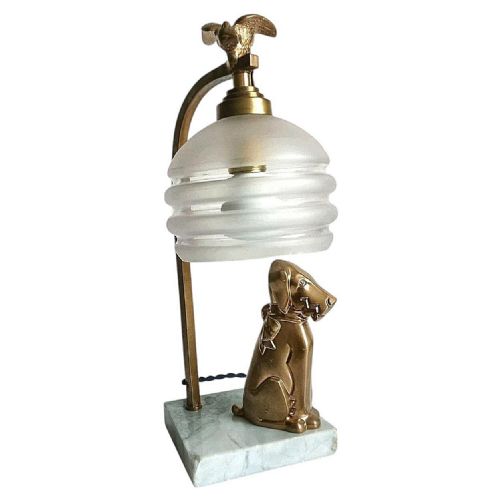
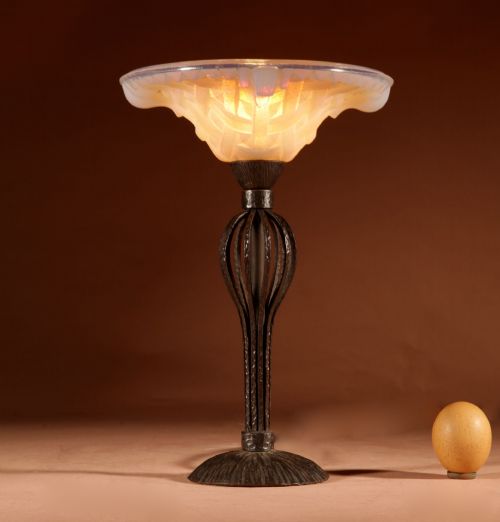
The most common versions encountered on this page include Art Deco and Art Nouveau hanging globe pendants, wall lights, and table lamps featuring moulded, frosted, or opaline glass. Many pieces incorporate metallic bases or fittings constructed from brass, bronze, nickel, or wrought iron.
Originating predominantly from French workshops and makers, these lights reflect distinct regional designs spanning from Edwardian sensibilities to French country and chateau aesthetics. Table lamps and pendant lights frequently showcase characteristic glass treatments such as acid etching, enamelling, or pressing.
How they were made
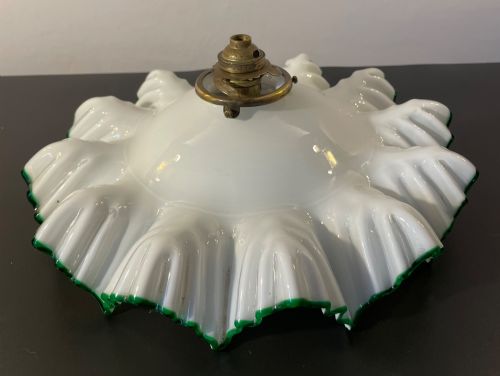
Glass elements were produced using techniques like mould pressing, acid etching, and enamelling, creating frosted, opaline, mottled, or clear surfaces. Manufacturers utilised specialised glass formulations to achieve specific colour depths and light diffusion properties.
Metal components supporting the glass, including brass, bronze, copper, spelter, and wrought iron, were cast, hammered, or turned into fixtures. These metal mounts were often patinated, nickel-plated, or gilded to complement the visual weight of the glass shades.
Fittings frequently integrated mixed materials, combining marble bases, bakelite details, or fabric elements with the primary glass and metal structure. Assembly relied on threaded collars, screws, and custom fixings designed to secure heavy glass shades safely.
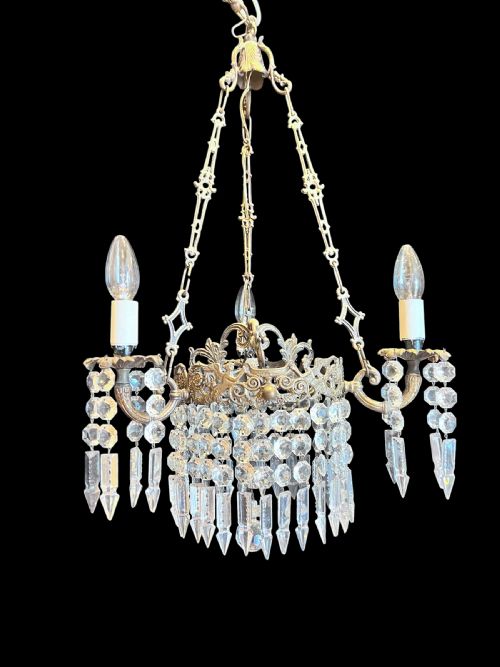
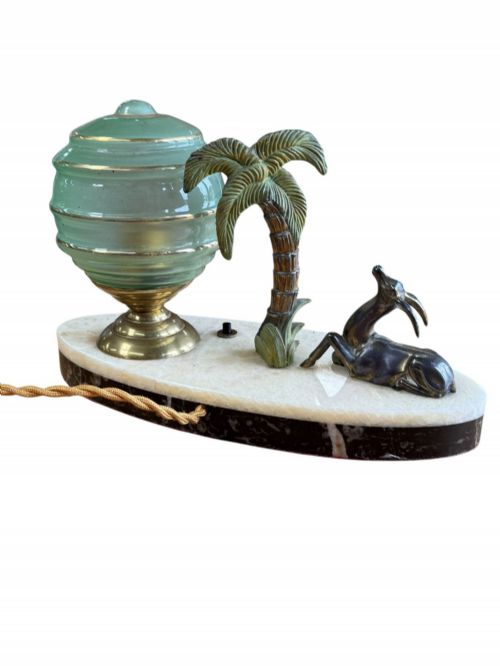
Listings feature glass, brass, and wrought iron formed into 1920s and 1930s pendant lights, wall sconces, and table lamps.
What varies in quality
Quality differences emerge in the weight, thickness, and optical clarity of the glass, alongside the precision of moulded details or hand-applied enamelling. Superior pieces display crisp definition in pressed patterns and subtle tonal gradations within the glass body.
The craftsmanship of the supporting metalwork distinguishes finer examples, visible in clean casting seams, substantial gauge metals, and deliberate surface finishes rather than generic coatings. Integrated mounts that align precisely with the glass shade indicate superior manufacturing standards.
Attribution to documented makers or specific periods heavily influences distinction, as verified workshop signatures or specialised production methods elevate certain fixtures above standard commercial output.
Émile-Jacques Ruhlmann·Charles Schneider·R Lalique·Georges Leleu·Muller Bros·Degue
The French Art Glass Light Glossary
- Art Deco
- A design style characterised by sleek geometric shapes, streamlined forms, and modern industrial materials popular during the 1920s and 1930s. It succeeded Art Nouveau and emphasised symmetry and functional elegance.
- Art Nouveau
- An international style of art, architecture, and applied art characterised by highly stylized, flowing, organic curves inspired by natural forms. This aesthetic dominated late nineteenth and early twentieth-century design.
- Opaline glass
- A type of semi-translucent, milky-white glass developed to diffuse light softly without heavy glare. It gained wide popularity in nineteenth and twentieth-century lighting fixtures.
- Spelter
- An alloy primarily composed of zinc, frequently used as a cost-effective substitute for bronze in decorative bases and figures. It is often finished with patination to mimic heavier metals.
French Art Glass Light: Frequently Asked Questions
How do I hang a heavy glass pendant?
Heavíer fixtures require ceiling joists or robust anchor fixings capable of supporting the combined weight of the glass shade and metal components. Professional installation ensures the wiring and suspension chains remain secure.
Verify that the mounting rose covers the electrical box completely while bearing the primary hanging tension rather than the electrical cord.
What is opaline glass?
Opaline glass is a translucent, milky material designed to diffuse light evenly across a room while concealing the internal bulb. It provides a soft, warm glow characteristic of period lighting.
This glass type was frequently blown or moulded into spherical pendants, globes, and conical shades during the early twentieth century.
Can these lights use modern bulbs?
Most vintage fixtures accommodate modern LED or standard incandescent bulbs provided the wattage does not exceed the capacity of the original wiring and socket. Rewiring may be necessary to meet current safety standards.
Consult a qualified electrician to inspect vintage brass, bronze, or iron fixtures before connecting them to contemporary electrical supplies.