


Retro Glass Shade
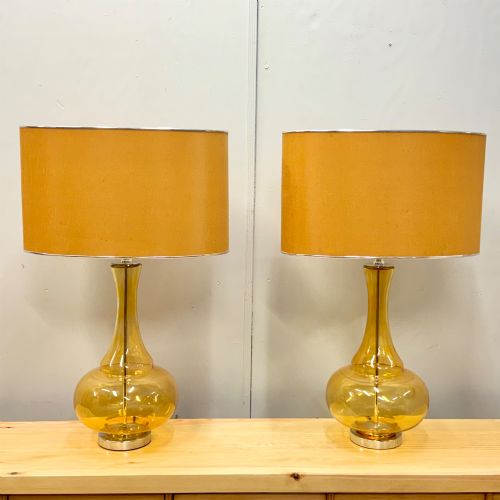
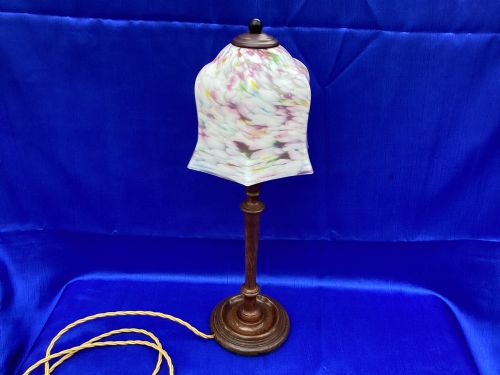
A retro glass shade brings immediate character to a room, casting diffused light through textured, opaline, or coloured surfaces.
Retro Glass Shade
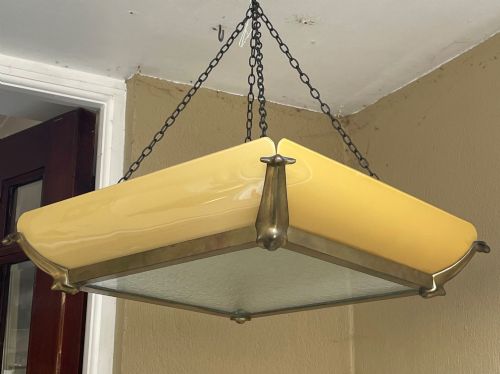
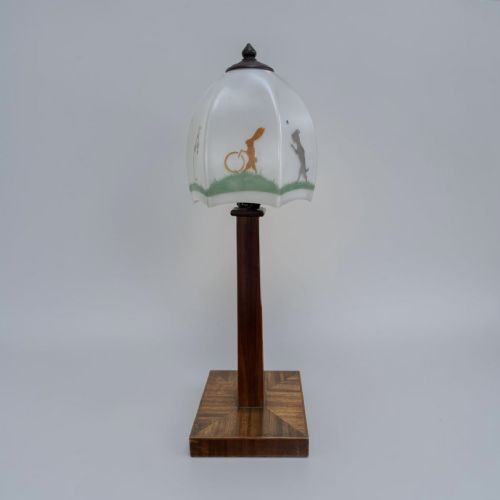
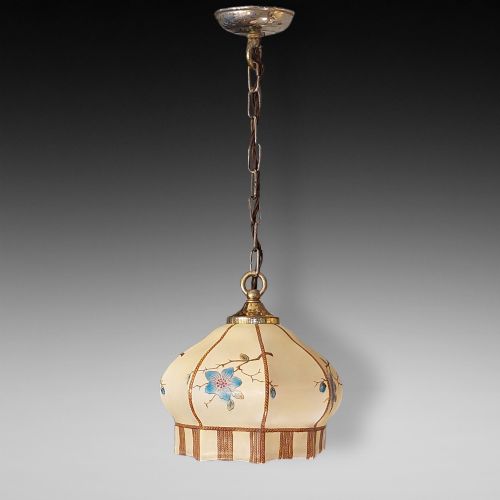
A retro glass shade is a lighting component typically associated with the early twentieth century, spanning periods from the Victorian era through the 1920s, 1930s, and 1940s. These pieces appear across various forms such as pendant lights, ceiling fixtures, wall sconces, and table lamps.
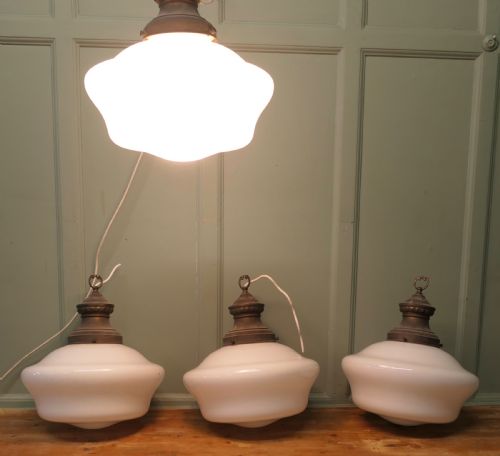
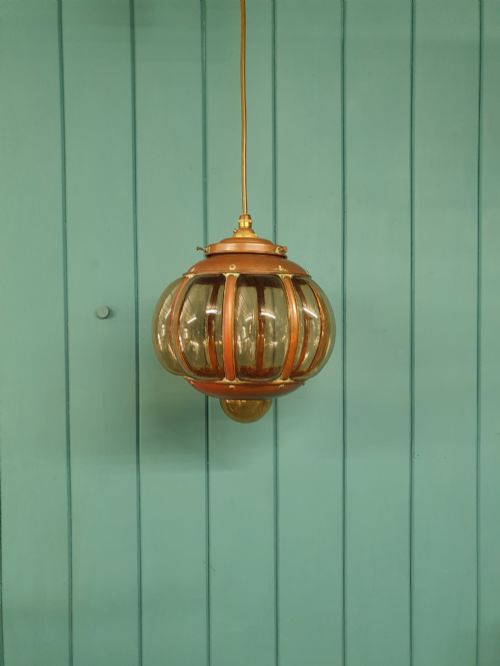
The selections available reflect distinct design movements including Art Deco, industrial, Edwardian, and Arts and Crafts styles. Forms range from simple conical and pear shapes to elaborate clam shell and globe designs.
Origin details in the evidence point towards English and French workshops, utilising glass combined with mounting materials like brass, chrome, and copper. Buyers frequently encounter pieces displaying characteristic geometric lines or organic moulded forms from the interwar decades.
How they were made
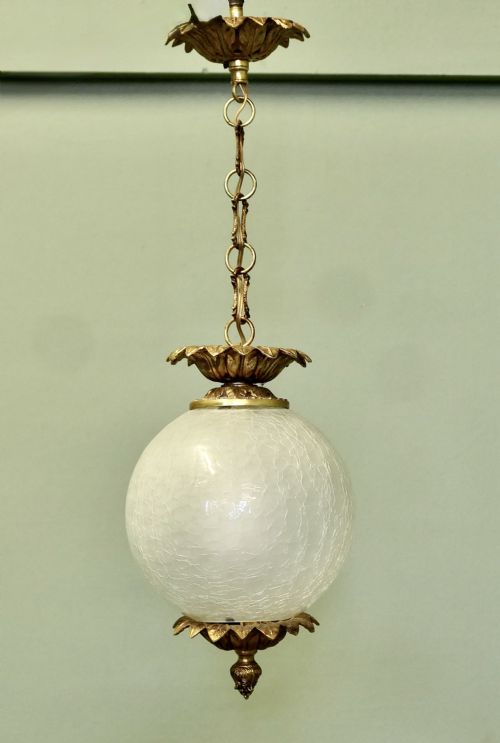
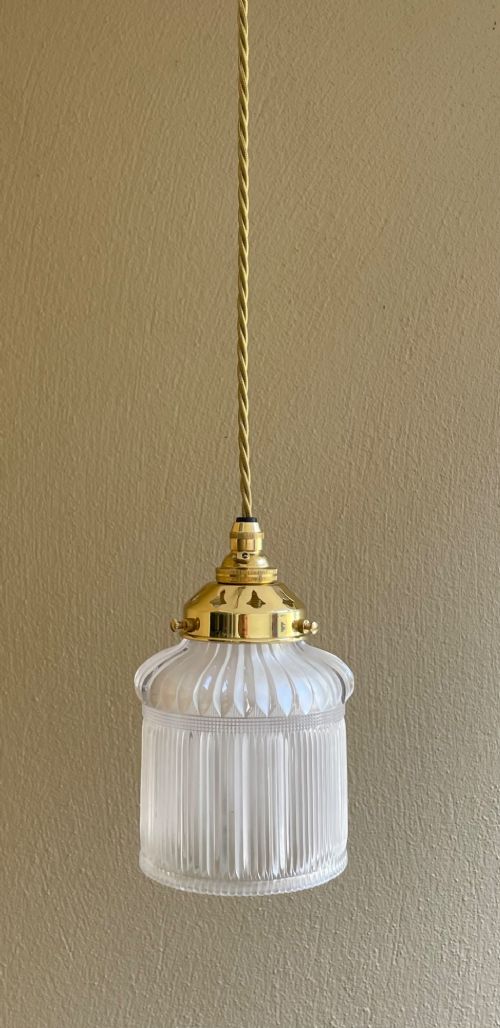
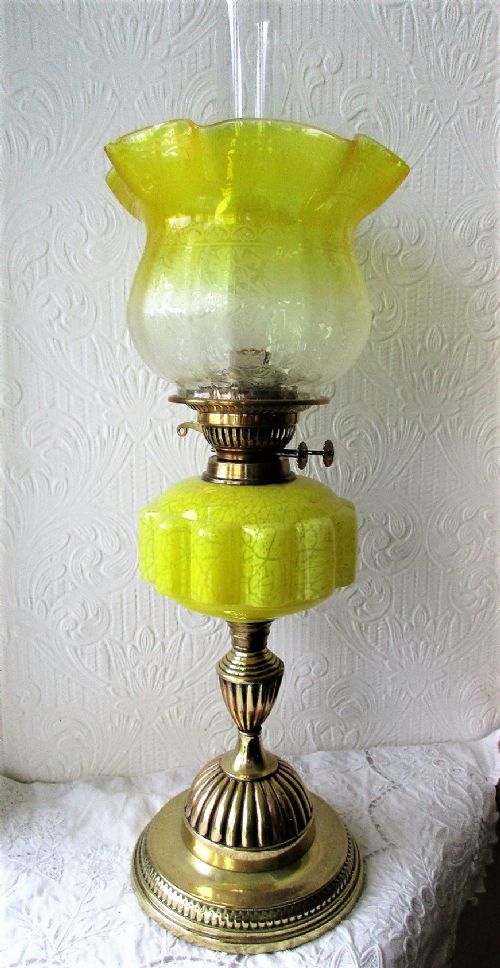
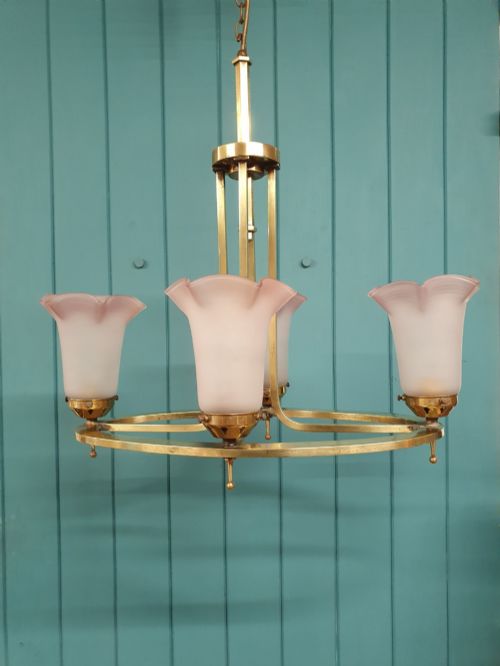
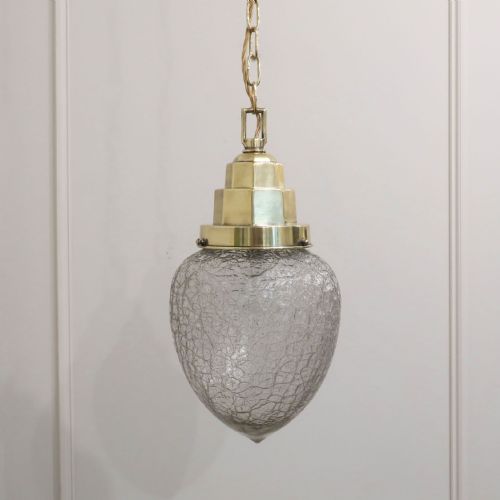
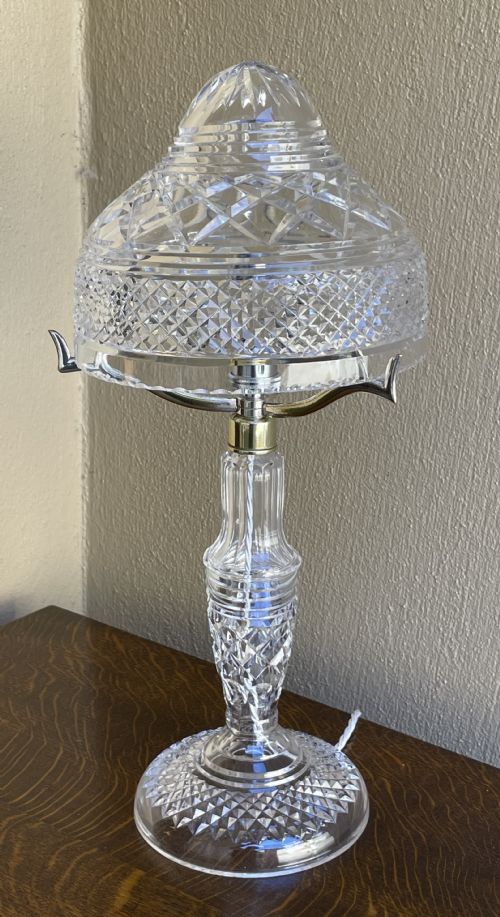
Makers utilised specialised glass techniques to achieve varying translucency, employing opaline, frosted, smoked, crackle, and cut crystal glass. Hand painting and mould blowing allowed for distinctive textures like reeded surfaces, frilled edges, and pink crimped finishes.
Metal components such as brass, chrome, and copper formed the galleries, fitters, and bases that secured the glass shades. These metal mounts were cast, spun, or turned to match the prevailing industrial or decorative aesthetic of the period.
Dogs and nude figures occasionally support the lamps, proving that even illumination needs a companion.
What varies in quality
The standard of manufacture depends heavily on the weight and purity of the glass, alongside the precision of any hand-cut or moulded details. Heavier opaline and deeply textured crystal variants demonstrate superior material density compared to thinner commercial outputs.
The integration between the glass shade and its metal gallery or mount determines structural success. Higher quality pieces maintain secure, balanced fittings in brass or chrome that complement the distinct contours of the glass.
The Retro Glass Shade Glossary
- Opaline glass
- A milky, semi-translucent glass developed to diffuse light softly while adding a solid white or coloured body to the shade.
- Holophane
- A brand of scientific glass known for its prismatic patterns designed to direct and distribute light efficiently.
- Gallery
- The metal ring or collar that grips the top of a glass shade to suspend it from a pendant or fix it to a wall sconce.
- Plafonnier
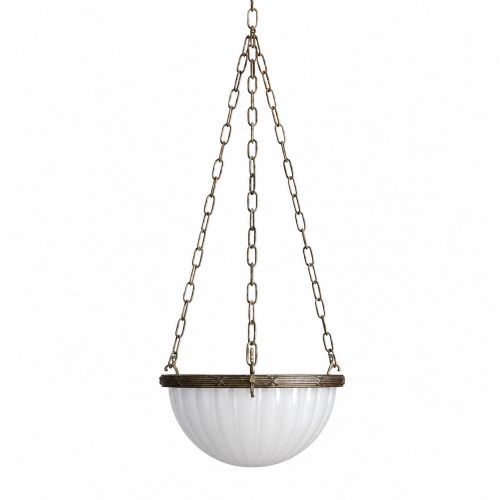
- A ceiling light fitted flush or semi-flush against the ceiling, typically featuring a shallow glass bowl held by a metal frame.
Retro Glass Shade: Frequently Asked Questions
How do I clean an antique glass shade?
Wash the glass gently in warm soapy water using a soft cloth to avoid scratching any hand-painted or textured surfaces.
Dry thoroughly with a lint-free cloth before reattaching it to any metal fittings or galleries.
What is the difference between opaline and frosted glass?
Opaline glass is an opaque or semi-translucent material created during production to give a milky appearance that diffuses light evenly.
Frosted glass achieves its scattered light effect through a surface treatment such as acid etching or sandblasting.
Can these shades be hung with modern wiring?
Most antique glass shades can be paired with contemporary suspension kits provided the fitter size matches the gallery opening.
Consult a qualified electrician to ensure any historical metal components safely accommodate modern electrical standards.
How do I identify an Art Deco glass shade?
Art Deco shades typically feature geometric patterns, stylised floral motifs, or symmetrical moulded forms in materials like crackle or coloured glass.
They frequently pair with chrome or brass hardware characteristic of design trends from the 1920s and 1930s.