


Brass Chain Pendant
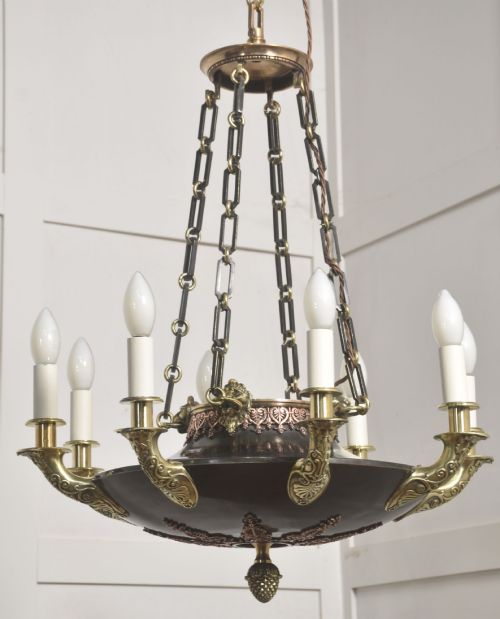
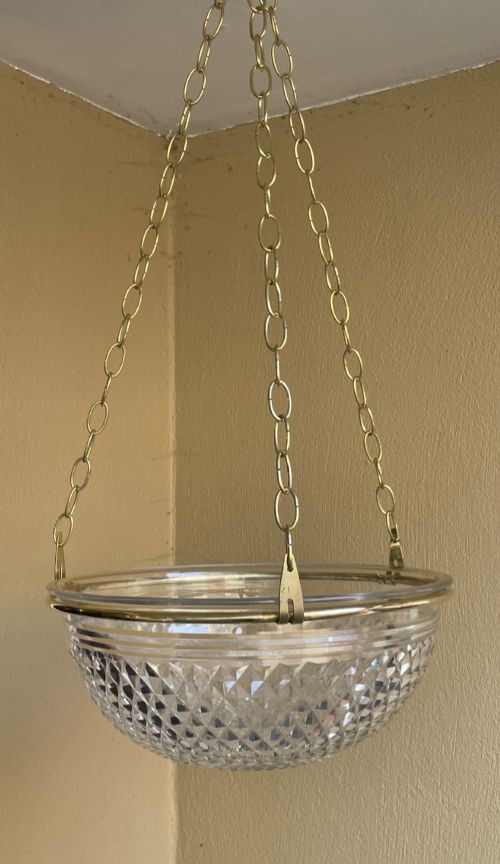
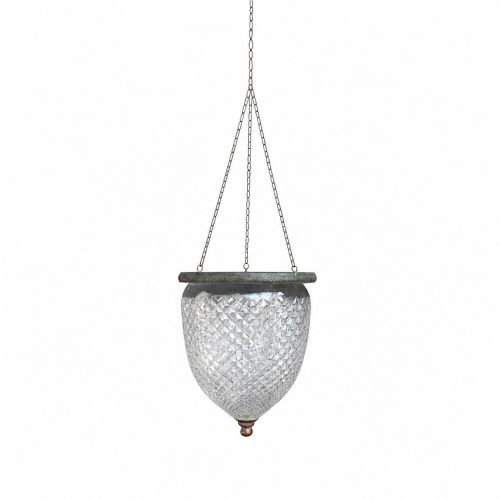
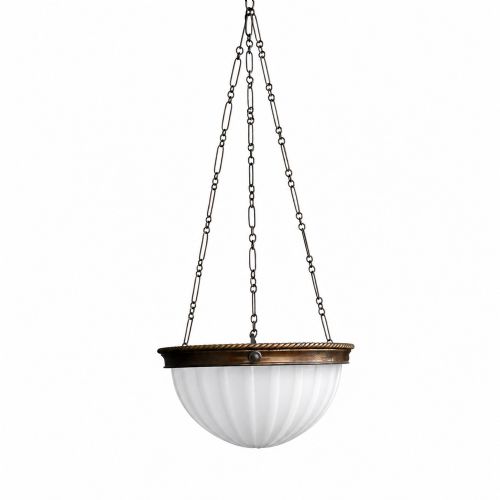
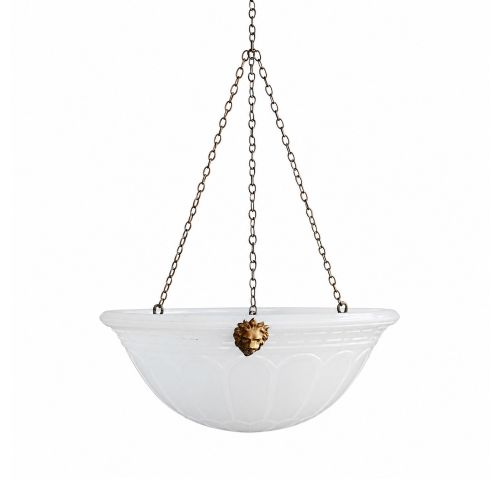
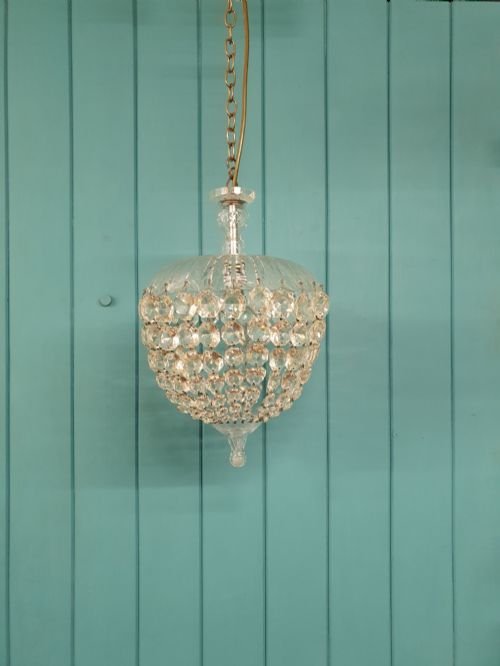
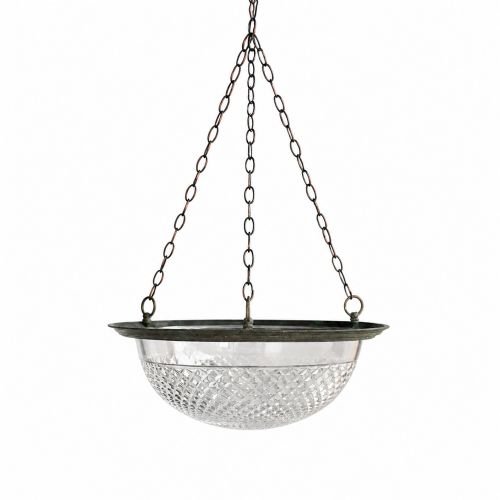
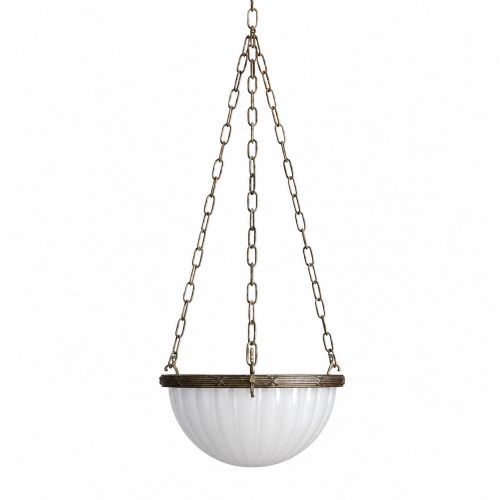
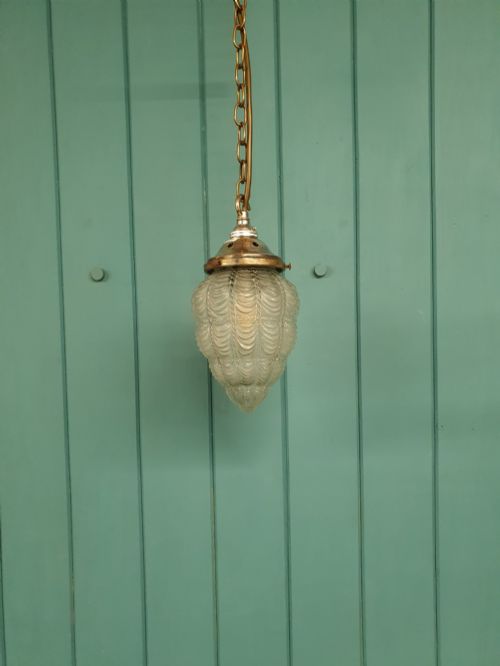
A brass chain pendant provides suspended illumination through suspended glass shades held by metal frames.
Brass Chain Pendant
A brass chain pendant brings together hanging illumination and suspended metal frameworks, appearing across periods from the Victorian era through the 1930s. The selection on this page centres on ceiling lights, lanterns, and plafonniers.
Most examples combine brass hardware with glass components such as cut glass, frosted glass, or opalescent shades. These light fittings hang from ceilings to illuminate hallways, porches, and rooms.
The styles range from ornate Empire Revival and Neoclassical designs to functional Arts and Crafts and Art Deco pieces. Edwardian and early twentieth-century English examples form a large part of what you will encounter.
How they were made
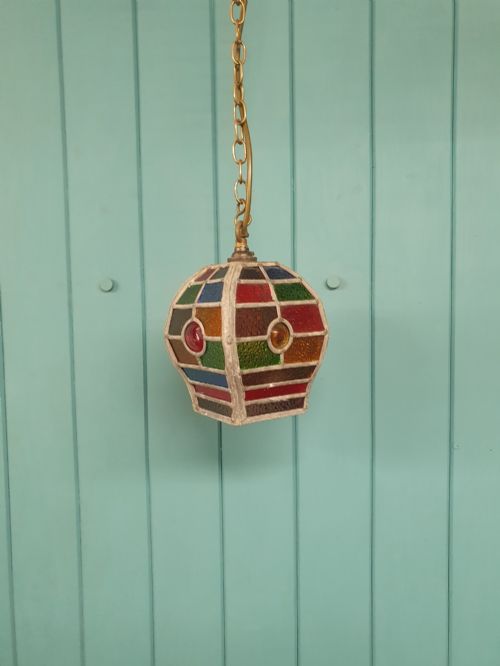
Makers utilised cast and sheet brass to construct frames, chains, and galleries that supported various glass elements. Lead solder held together stained glass panels on specific porch lanterns.
Glassmakers blew, pressed, or cut the shades in forms including domes, bowls, and conical profiles. Treatments like acid frosting, opal staining, and prismatic ribbing manipulated the light emitted by the bulb.
Listings feature brass chain pendants from the Victorian, Edwardian, and 1930s periods, incorporating cut, frosted, and prismatic glass.
What varies in quality
The weight and finish of the brass components determine the structural caliber of each pendant. Heavier cast brass fittings and thicker chain links demonstrate superior manufacturing compared to lighter pressed metal.
The clarity, thickness, and decorative complexity of the glass shade define the decorative value. Intricate cut glass, heavy opalescent material, or specialised prismatic glass indicate higher grade production.
The Brass Chain Pendant Glossary
- Plafonnier
- A ceiling light fixture with a bowl-shaped or flat-topped glass shade mounted close to the ceiling or suspended by a short chain.
- Holophane
- A brand of ribbed or prismatic glass designed to direct and diffuse light efficiently while reducing glare.
- Moonstone glass
- A translucent milky white glass popular in early twentieth-century lighting for its soft diffusion.
- Empire Revival
- A decorative style drawing on classical antiquity, frequently incorporating heavy brass detailing and formal symmetry.
- Opalescent glass
- Glass exhibiting a milky, iridescent appearance that shifts in colour tone when illuminated.
Brass Chain Pendant: Frequently Asked Questions
How do I clean an antique glass shade?
Remove the shade from the brass chain pendant carefully before washing it in warm soapy water. Avoid harsh abrasives that might damage frosted or painted finishes.
Dry the glass thoroughly with a soft cloth to prevent water spots before reattaching it to the brass fixings.
Can these lights use modern bulbs?
Many vintage pendants accommodate standard modern lamp holders if checked by a qualified electrician. Ensure the wattage matches the historical capacity of the shade.
LED bulbs often work well because they generate less heat, protecting fragile antique glass and original wiring.
How do I determine the period?
Examine the construction methods of the brass frame and the styling of the glass shade. Edwardian and 1930s pieces often feature distinct industrial or decorative motifs.
Look for design cues like prismatic ribbing or frilly edges which align with specific decades in the evidence.
Where should I hang a pendant?
These fixtures suit hallways, porches, and rooms with sufficient ceiling height for suspended illumination. Smaller dome-top lights fit compact spaces while larger chandeliers require open areas.
Consider the scale of the room relative to the diameter of the glass shade and chain length.