



Vintage Alabaster Lighting
These vintage alabaster lighting pieces bring a warm, translucent glow to a room.
Vintage Alabaster Lighting
When you search for vintage alabaster lighting, you find fixtures that harness the natural translucency of stone to diffuse illumination softly across a room. These pieces span several distinct eras, drawing heavily on Victorian, Edwardian, and Art Deco aesthetics to shape how light interacts with interiors.
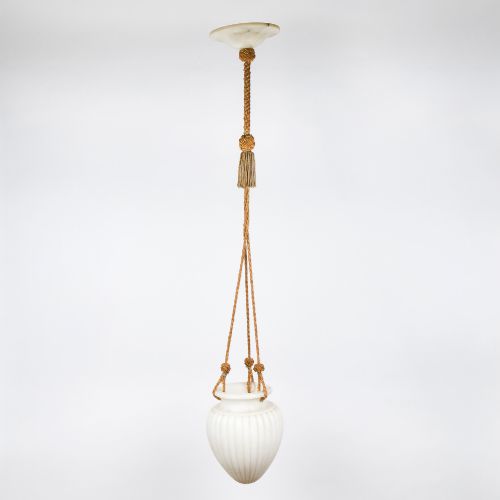
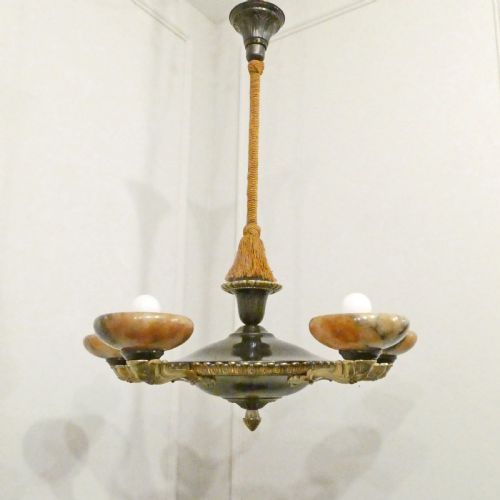
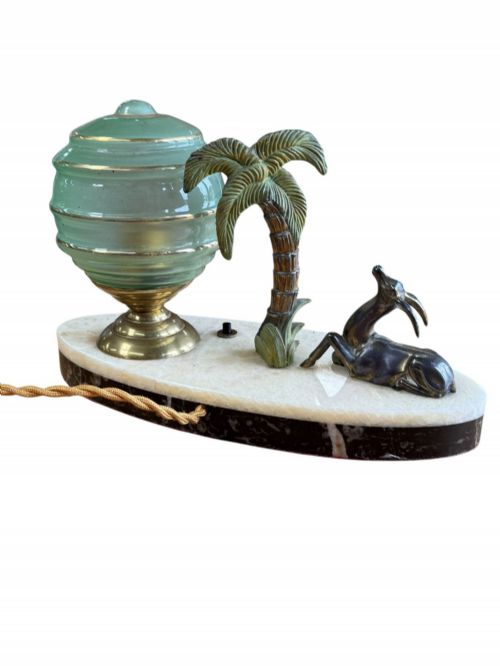
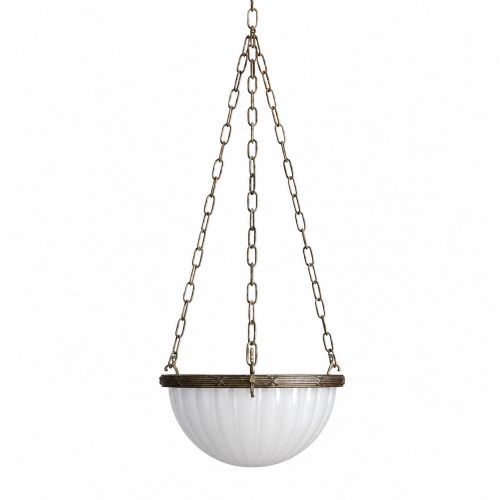
You are most likely to meet table lamps and ceiling lights on this page, alongside chandeliers, pendant lights, and chambersticks. The selection includes works from Italian and English origins, ranging from simple white alabaster hanging lights to ornate figural lamps.
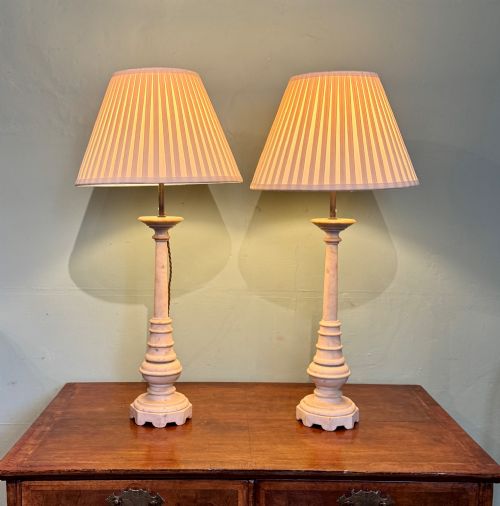
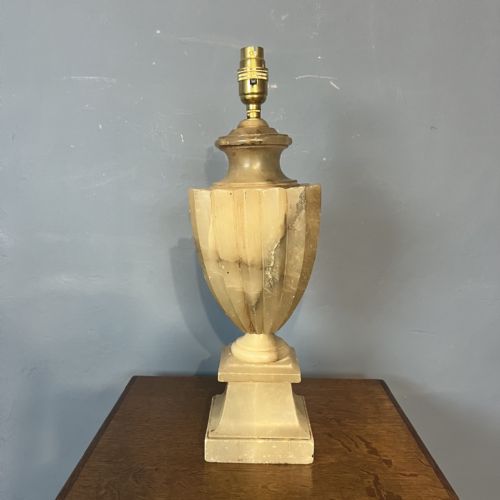
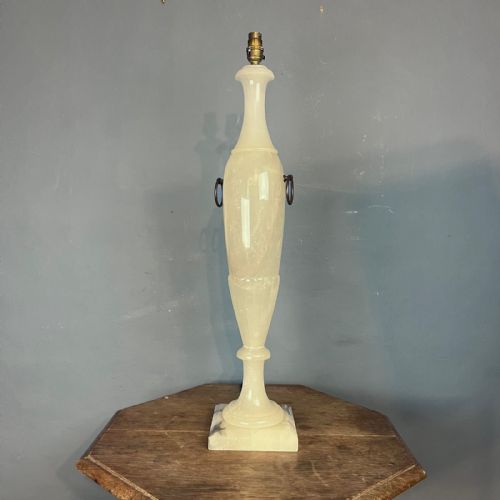
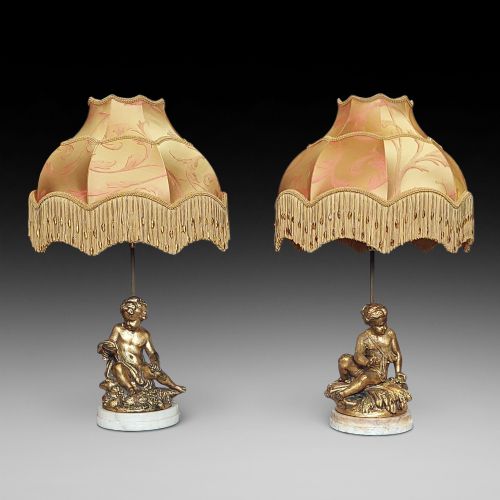
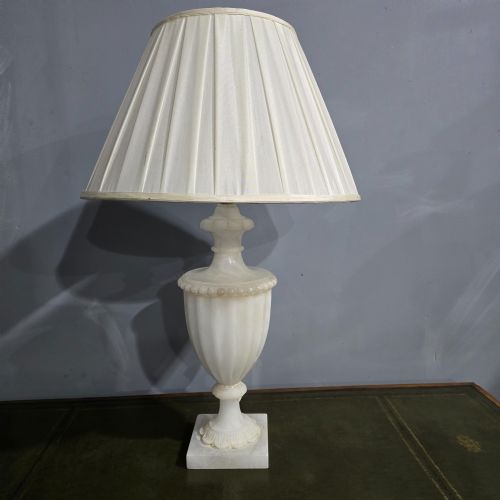
The forms vary from grand nineteenth-century marble columns with brass fittings to streamlined Swedish carved ceiling lights and neoclassical revival chandeliers. Many examples combine the carved stone body with metal mounts, fabric, or glass details to complete the fixture.
Materials and construction
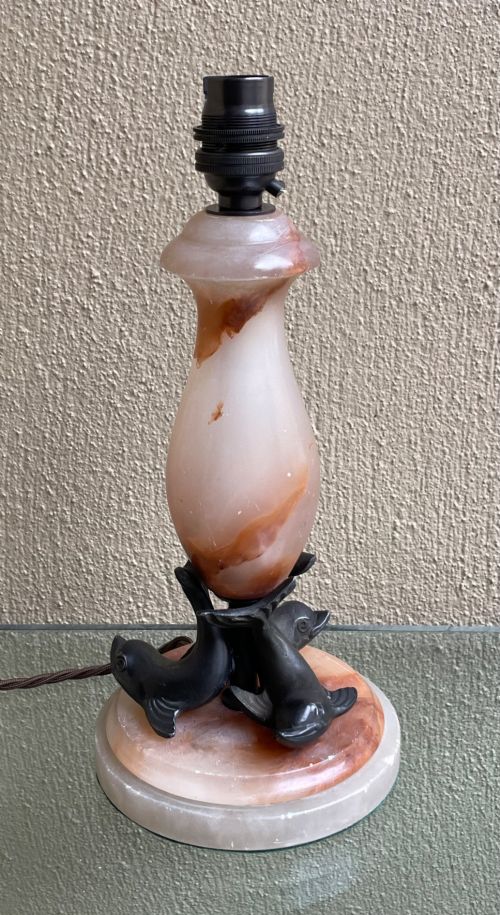
The primary material is carved alabaster or marble, paired with supportive structures of brass, bronze, silver plate, or general metal mounts. Artisans shaped the soft stone into bowls, urns, columns, and figurative subjects like dolphins or ladies, allowing the natural grain to act as a diffuser.
Complementary elements include fabric cords, glass components, and crystal accents that support the electrical or candle-burning function of the period. Metal components are cast and patinated, securing heavy stone bodies while adding structural contrast to the translucent material.
Several pieces feature carved stone dolphins and ladies holding lamps, proving that early twentieth-century lighting took its wildlife and company very seriously.
Assessing quality
The quality of these lighting pieces rests on the depth of the carving and the purity of the stone. Superior examples display subtle veining and even translucency without heavy discoloration, while lesser pieces rely on uniform casts or marble-effect substitutions.
Integration of the metal mounts dictates the refinement of the piece. Top-tier specimens use crisply cast bronze, brass, or silver plate that complements the stone rather than overpowering it, showing careful hand-finishing in every detail.
The Vintage Alabaster Lighting Glossary
- Alabaster
- A fine-grained, translucent stone prized for lighting because it diffuses a gentle, warm glow when illuminated from within or nearby. It is softer than marble, allowing for intricate hand-carving.
- Campana Urn
- A bell-shaped vessel with a flared lip, frequently utilised as a sturdy base form for table lamps during the nineteenth century. This classic shape derives from antique metalwork.
- Chamberstick
- A short candlestick fitted with a pan to catch dripping wax and a handle for carrying from room to room at night. Grand Tour examples often utilise carved marble.
- Pendant Light
- A light fixture suspended from the ceiling by a cord, chain, or metal rod. These often feature large alabaster dishes or bowls that cast light upwards and outwards.
- Empire Style
- A neoclassical design movement originating in France that favours symmetrical lines, classical motifs, and rich mounts of bronze or brass. It heavily influences twentieth-century lighting fixtures.
Vintage Alabaster Lighting: Frequently Asked Questions
How do I clean vintage alabaster?
Alabaster is a soft and porous stone that absorbs liquids easily. Dust the surface gently with a dry microfibre cloth and avoid using water or chemical cleaners.
If deeper cleaning is required, consult a specialist restorer to prevent permanent staining or surface damage to the porous material.
Were these lights originally electrified?
Many pieces from the early twentieth century and the Art Deco period were manufactured or adapted for electricity. Earlier nineteenth-century pieces, such as chambersticks, were originally designed for candlelight.
Later conversions incorporate modern wiring safely inside the stone body or metal mounts while preserving the original exterior appearance.
Can alabaster lamps support heavy bulbs?
Alabaster is sensitive to excessive heat generated by older incandescent bulbs. Modern low-heat LED bulbs are recommended to protect the stone from thermal stress and discolouration.
Using appropriate bulbs preserves the structural integrity and natural translucency of the vintage material over time.