




French Art Deco Bowl
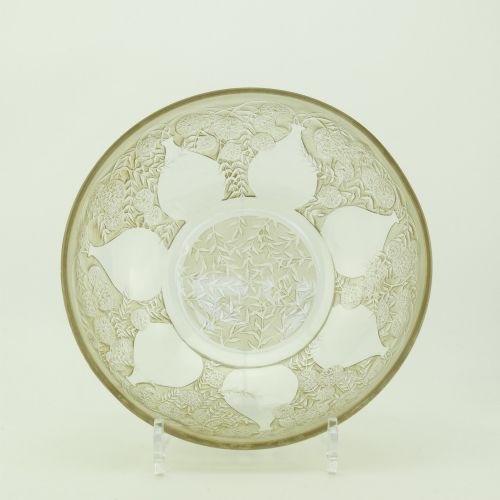
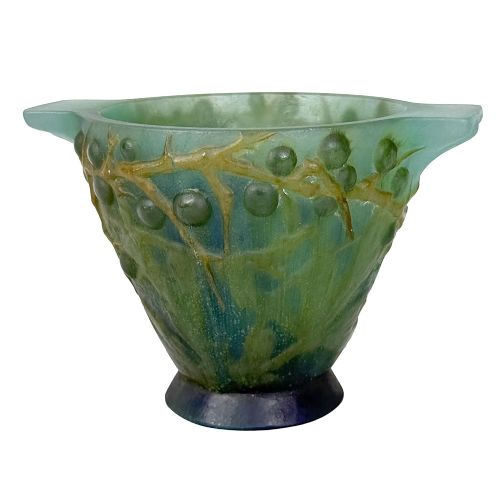
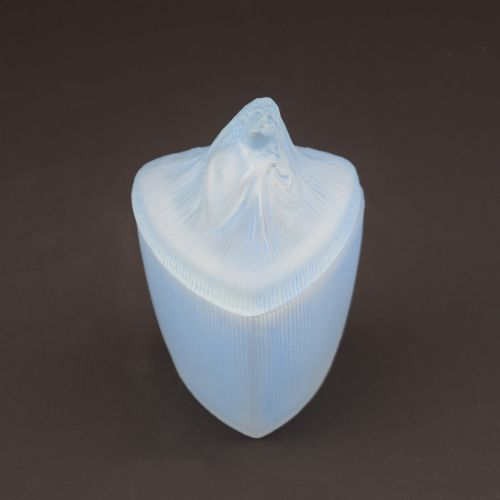
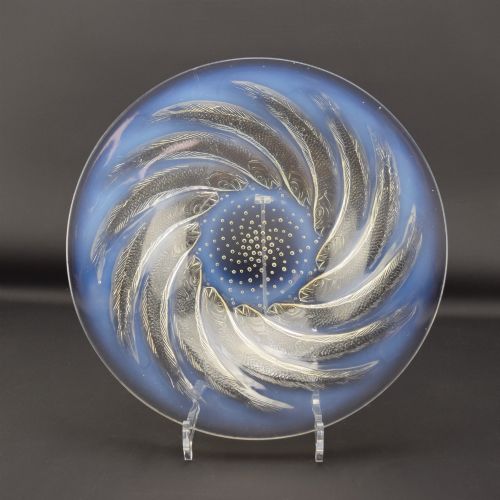
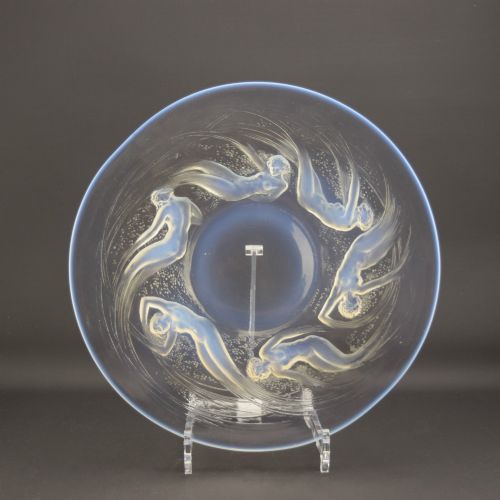
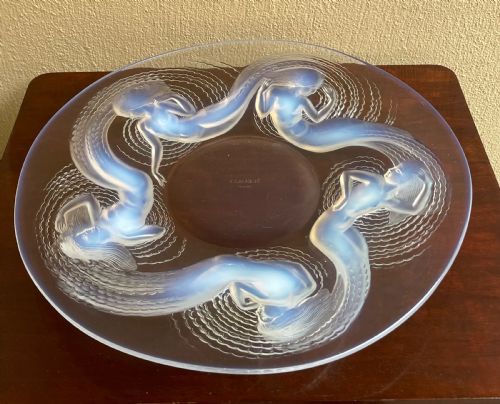
When you handle a french art deco bowl, you hold an extraordinary piece of 1920s and 1930s glasswork designed to catch the light.
French Art Deco Bowl
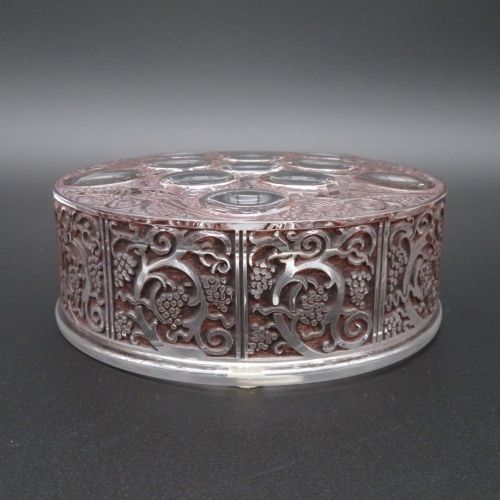
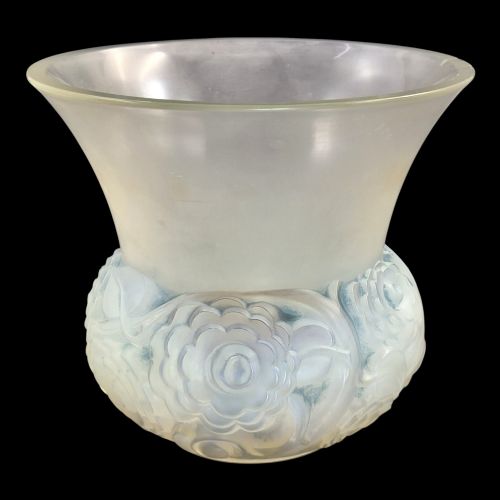
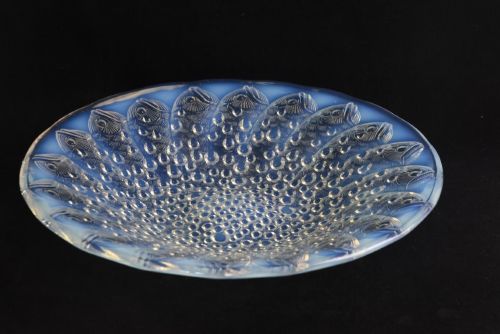
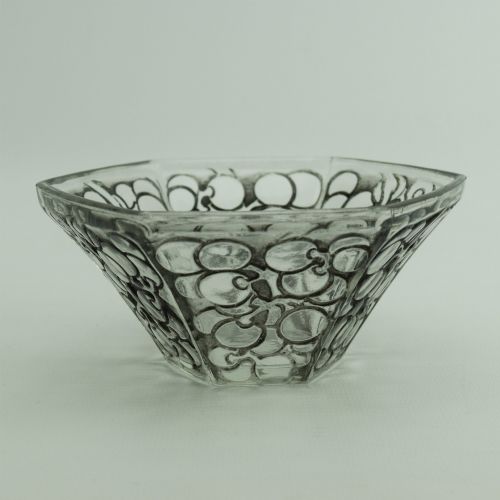
A french art deco bowl spans decorative bowls, powder boxes, and glass plates produced primarily across the 1920s and 1930s. These vessels range from shallow opalescent dishes to deep circular centrepieces.
The objects on this page emerge from distinct French design movements, carrying styles from Art Deco and Art Nouveau through to Edwardian periods. Buyers encounter both signed studio pieces and unmarked tableware from the same decades.
Materials and production methods
Makers utilised opalescent glass, frosted glass, crystal, and pressed glass to achieve shifting translucent tones. Ceramic and pate de verre pastes also appear among the moulded vessels.
Techniques relied on careful moulding and pressing, occasionally paired with engraved decoration or bronze mountings. Artisans manipulated glass chemistry to create the milky, iridescent qualities seen in opalescent examples.
Fish, cherries, and parrots swim and perch across these glass rims, turning a simple table bowl into a menagerie.
Distinctions in craftsmanship
Quality rests in the crispness of the moulded relief and the depth of the opalescence within the glass. Superior examples display sharp botanical or marine details without distracting surface flaws.
The weight of the crystal and the precision of any engraved elements separate mass-produced items from masterworks. Signatures and foundry marks further distinguish the output of premier designers.
Rene Lalique·Amalric Walter·G Vallon·Etling·Apollo Orfevrerie
The French Art Deco Bowl Glossary
- Opalescent glass
- Glass that milky or bluish turbidity that reflects light in contrasting warm tones. This effect defines many bowls from the interwar period.
- Pate de verre
- A glass-casting method where finely crushed glass is packed into a mould and fused in a kiln. The resulting pieces possess a dense, sugary texture.
- Coupe ouverte
- An open bowl or shallow dish form. These items often feature wide rims decorated with repeating floral or animal motifs.
- Plafonnier
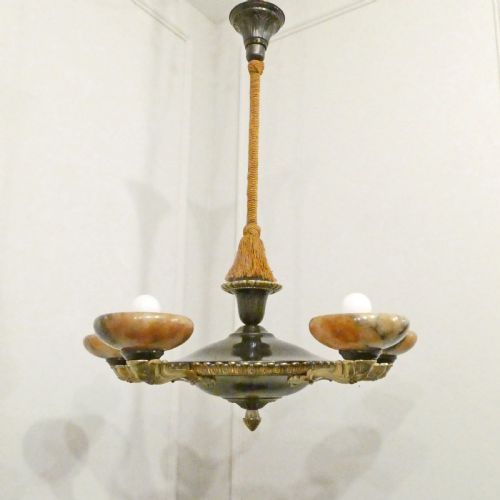
- A ceiling-mounted bowl light fixture. These glass bowls direct illumination outward through frosted or moulded surfaces.
French Art Deco Bowl: Frequently Asked Questions
Are these bowls safe for food?
Most antique glass and ceramic bowls serve primarily as decorative objects or dry presentation dishes. Historic manufacturing methods can mean the materials are unsuited for acidic foods.
Examine the interior surface for any wear or porosity before placing unwrapped food inside. Displaying fruit or bread remains the safest choice for older vessels.
How can I date my bowl?
Examine the signature style, the manufacturing technique, and the design motifs present on the piece. Items from the 1920s often lean toward geometric or stylized floral patterns.
Signatures etched into the glass or stamped foundry marks provide the clearest chronological anchors. Comparing the shape to known manufacturer catalogues confirms the production era.
What is the difference between frosted and opalescent glass?
Frosted glass has an etched or acid-treated matte surface that diffuses light uniformly across the object. It lacks the translucent colour shifts of other finishes.
Opalescent glass contains chemical agents that scatter light, creating a milky blue appearance in transmitted light and a warm amber glow where direct light hits.